Following the 2017 death of former New England Patriots star Aaron Hernandez, investigative reports, family memoirs, and documentary accounts revealed that the late football player had engaged in secret relationships with men throughout his youth and adult life. Struggling with his closeted sexuality within a hyper-masculine sports culture, alongside severe Chronic Traumatic Encephalopathy (CTE) and childhood trauma, Hernandez kept his romantic life strictly hidden from the public.
Public Persona vs. Private Reality: The Complex Life of Aaron Hernandez
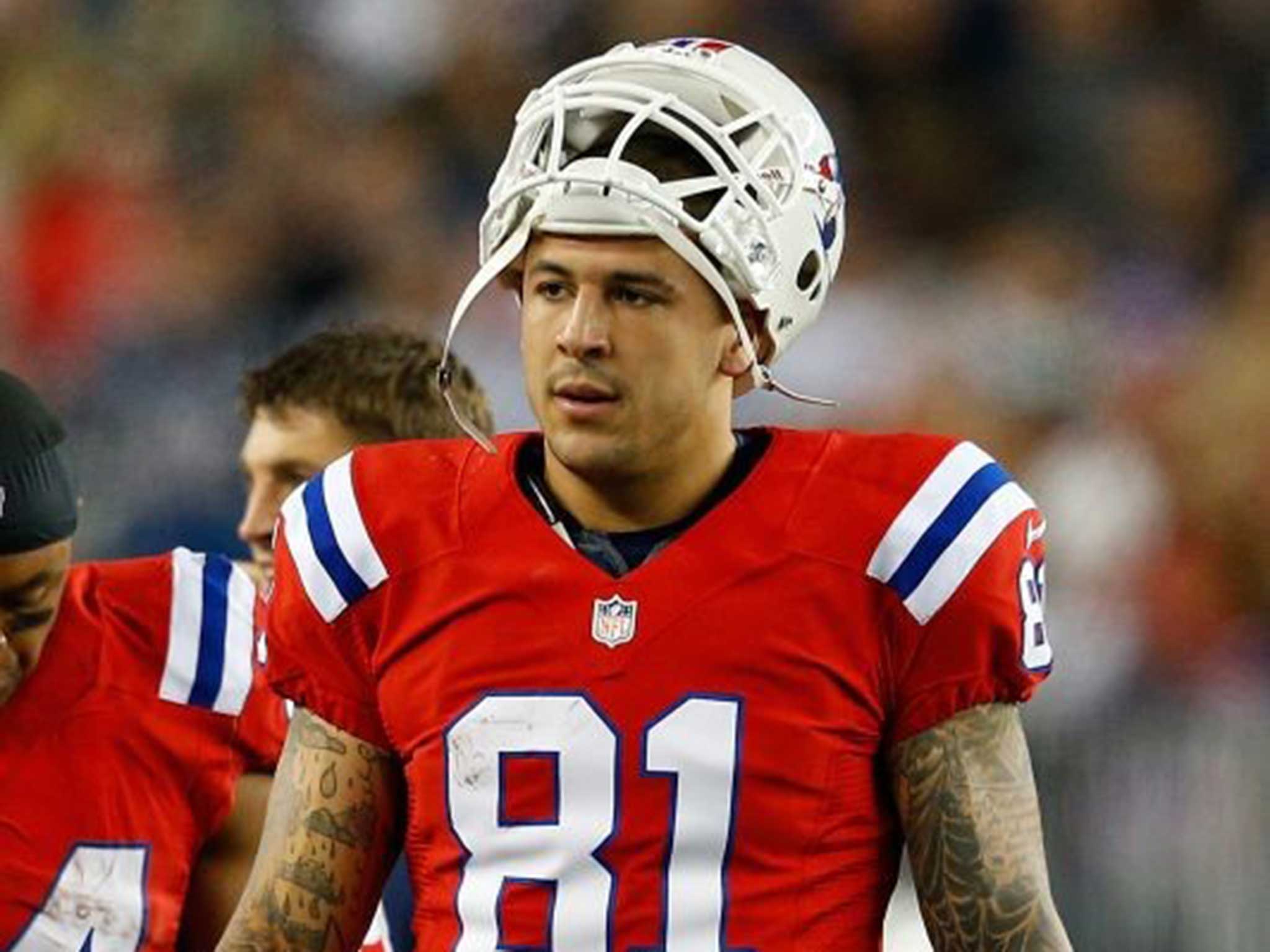
Aaron Hernandez was once viewed as one of the most dynamic young talents in the National Football League (NFL). Drafted by the New England Patriots in 2010 out of the University of Florida, the gifted tight end quickly earned a lucrative multi-year contract extension and played in Super Bowl XLVI. To fans, teammates, and the media, Hernandez presented the image of a rising athletic star, a devoted father, and a partner to his high school sweetheart, Shayanna Jenkins.
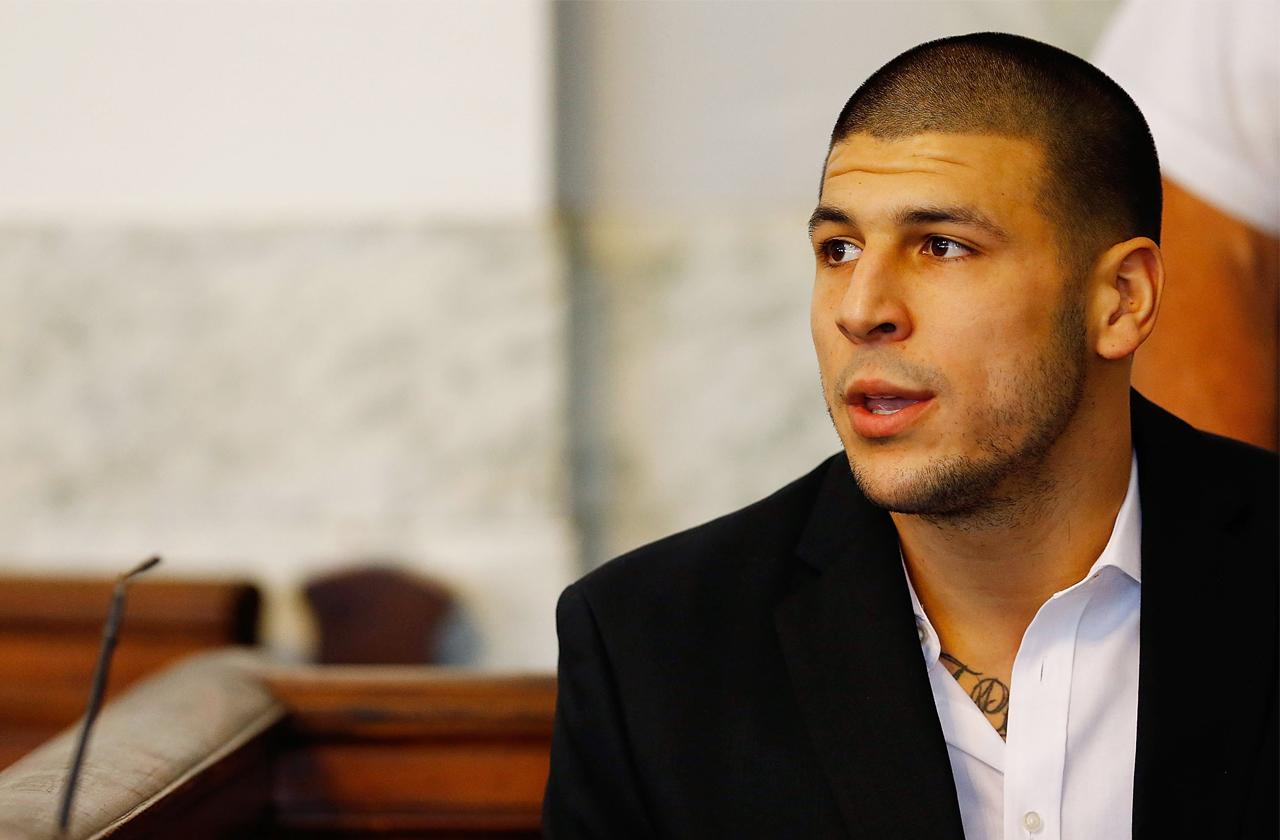
However, beneath this public image lay a deeply compartmentalized private life. In June 2013, Hernandez’s athletic career came to an abrupt end when he was arrested and subsequently charged with the murder of Odin Lloyd, a semi-professional football player who was dating Jenkins’ sister. Hernandez was convicted of first-degree murder in 2015 and sentenced to life in prison without the possibility of parole.
While in prison, and particularly following his suicide in April 2017 at the age of 27, details regarding Hernandez’s internal struggles began to emerge. Journalist investigations, legal disclosures, and accounts from close confidants painted a portrait of a man torn between his public persona and his concealed sexual orientation. Understanding Hernandez's sexuality requires examining the interplay between severe internal conflict, societal stigma in professional sports, early childhood trauma, and progressive neurodegenerative disease.
Accounts and Evidence of Hernandez’s Same-Sex Relationships
The earliest concrete accounts of Hernandez’s same-sex relationships surfaced through disclosures by high school teammates and childhood friends, most notably Dennis SanSoucie.
High School Relationships and Early Secret Life
In the 2020 docuseries Killer Inside: The Mind of Aaron Hernandez, Dennis SanSoucie, who played football alongside Hernandez at Bristol Central High School in Connecticut, disclosed that he and Hernandez had engaged in an on-and-off romantic and sexual relationship during middle school and high school. SanSoucie explained that both boys felt compelled to keep their relationship completely secret due to strict social norms, fear of social ostracization, and the intensely homophobic environment of local football culture.
SanSoucie noted that Hernandez’s father, Dennis Hernandez, was an imposing figure who emphasized traditional notions of masculinity and held openly homophobic views. This family environment forced Hernandez to compartmentalize his feelings, establishing a pattern of secrecy that persisted into his collegiate and professional football careers.
College and NFL Compartmentalization
During his collegiate career at the University of Florida and his professional tenure with the New England Patriots, Hernandez continued to maintain hidden relationships while presenting himself as heterosexual to the public. According to reporting by investigative journalists and statements from defense attorney Jose Baez—who represented Hernandez in his second trial and wrote the 2018 book Unnecessary Roughness—Hernandez wrestled intensely with his sexual identity throughout his adult life.
Baez reported that Hernandez eventually opened up about his feelings regarding his sexuality while incarcerated. In interviews and prison audio recordings, Hernandez acknowledged the immense burden of living a hidden life, expressing fear that public exposure of his sexuality would ruin his reputation, his family relationships, and his career.
Posthumous Disclosures and Letters
Following Hernandez’s death in April 2017, investigators recovered notes in his prison cell. While media outlets initially speculated about the recipients and contents of these letters, defense attorneys confirmed that Hernandez had written messages to his family members and close personal contacts.
Subsequent interviews with former inmates and individuals close to Hernandez revealed that he had formed deep emotional bonds with fellow prisoners during his time at the Souza-Baranowski Correctional Center. These accounts underscored how Hernandez sought companionship in environments where he no longer had to maintain his high-profile NFL persona.
The NFL Environment and the Stigma of Closeted Athletes
To fully understand Hernandez's decision to conceal his sexuality, it is essential to contextualize the cultural landscape of professional football during his career from 2010 to 2012.
| Institutional Environment | Personal Factors |
|---|---|
| • Locker room culture emphasizing hyper-masculinity | • Strict upbringing by father |
| • Lack of openly gay active NFL players (2010-2013) | • Fear of rejection by peers |
| • Endorsement & financial risk of public exposure | • Severe unresolved childhood trauma & emotional strain |
| • Media scrutiny of players' personal lives |
During Hernandez’s time in the NFL, no active player had ever come out as openly gay. The professional football environment was widely characterized by a rigid adherence to hyper-masculinity, where anti-gay slurs and locker room posturing were common.
For an NFL athlete, coming out carried significant perceived risks:
- Loss of Endorsements and Career Prospects: Players feared that exposure of their sexuality would alienate fans, sponsor brands, and team management.
- Locker Room Alienation: Concerns over how teammates would react created intense anxiety regarding trust, team dynamics, and personal safety.
- Media Intrusion: High-profile athletes faced intense media scrutiny, making the prospect of managing a public coming-out process overwhelming.
Former NFL player Ryan O'Callaghan, who came out as gay after retiring, has spoken publicly about the severe psychological toll of hiding one's identity while playing in the league. O'Callaghan described using football as a cover, sharing that the fear of being exposed drove him to deep depression and suicidal ideation—an experience that mirrored aspects of Hernandez's private struggles.
Intersecting Factors: CTE, Trauma, and Mental Health
While Hernandez's struggle with his sexuality was a central aspect of his personal life, forensic experts and medical researchers emphasize that his behavior cannot be attributed to a single cause. Instead, his life was shaped by a confluence of severe neurological damage, childhood trauma, and intense psychological stress.
Chronic Traumatic Encephalopathy (CTE)
Following Hernandez’s death, his brain was donated to the Chronic Traumatic Encephalopathy (CTE) Center at Boston University. Researchers led by Dr. Ann McKee diagnosed Hernandez with Stage 3 CTE, a severe level of neurodegenerative disease rarely seen in someone who died at just 27 years old.
Dr. McKee noted that Hernandez exhibited profound brain tissue damage, particularly in the frontal lobe and amygdala regions responsible for:
- Impulse Control: Regulating sudden, aggressive, or rash actions.
- Emotional Regulation: Managing stress, anxiety, paranoia, and mood swings.
- Cognitive Judgment: Evaluating consequences and making rational decisions.
The severity of Hernandez’s CTE explained the severe behavioral changes, violent outbursts, and intense paranoia he displayed in the final years of his life.
Childhood Trauma and Loss
Hernandez grew up in an environment marked by instability and physical discipline. The sudden death of his father, Dennis Hernandez, in 2006 during Aaron’s teenage years left him emotionally unmoored. Grief, combined with unaddressed childhood trauma, created significant emotional vulnerability that Hernandez attempted to mask through athletic achievement and aggressive behavior.
| Factor | Impact on Behavior and Psychological State |
|---|---|
| Closeted Sexuality | Chronic stress, paranoia over exposure, deep isolation |
| Stage 3 CTE | Severe impairment of impulse control, mood, and judgment |
| Childhood Trauma | Emotional instability, mistrust, and vulnerability |
| Violent Subculture | Exposure to weapons, street conflicts, and toxic masculinity |
Key Timeline: Personal Life, Career, and Public Disclosures
| Year | Event / Revelation | Significance |
|---|---|---|
| 2006 | Death of Dennis Hernandez (Father) | Causes severe emotional disruption during Aaron's high school years. |
| 2007–2009 | Star tight end at University of Florida | Maintains a high-profile college football career while keeping personal life hidden. |
| 2010 | Drafted by the New England Patriots | Enters the NFL under intense public focus and locker-room pressure. |
| 2012 | Signs $40M contract extension; birth of daughter | Achieves peak professional success and maintains a public family image. |
| 2013 | Arrested for the murder of Odin Lloyd | Ends his NFL career; triggers deep legal and public scrutiny. |
| 2015 | Convicted of first-degree murder | Sentenced to life in prison without parole at Souza-Baranowski Correctional Center. |
| 2017 | Dies by suicide in prison; CTE diagnosed | Post-mortem analysis by Boston University reveals Stage 3 CTE. |
| 2018 | Defense attorney Jose Baez publishes book | Unnecessary Roughness details Hernandez’s internal struggles with sexuality. |
| 2020 | Netflix releases Killer Inside docuseries | Teammate Dennis SanSoucie publicly confirms early romantic relationship with Hernandez. |
Media Representation and Public Reaction
The revelation of Aaron Hernandez’s sexuality generated intense media coverage, raising broader discussions about media ethics, privacy, and how stories involving closeted public figures are reported.
Documentary Coverage and Public Debates
The 2020 Netflix docuseries Killer Inside: The Mind of Aaron Hernandez brought his sexuality into mainstream public discourse. While the series sought to explore the complex factors behind his downfall, some commentators and LGBTQ+ advocates criticized media outlets for sensationally linking his closeted sexuality directly to his criminal violent actions.
Psychologists and legal experts caution against drawing a direct causal link between an individual's sexual identity and violent crime. Rather, experts point out that the chronic stress of living a secret life—known as minority stress—can compound existing mental health struggles, violent subculture exposure, and brain damage, without serving as a direct cause for violence.
Family and Partner Responses
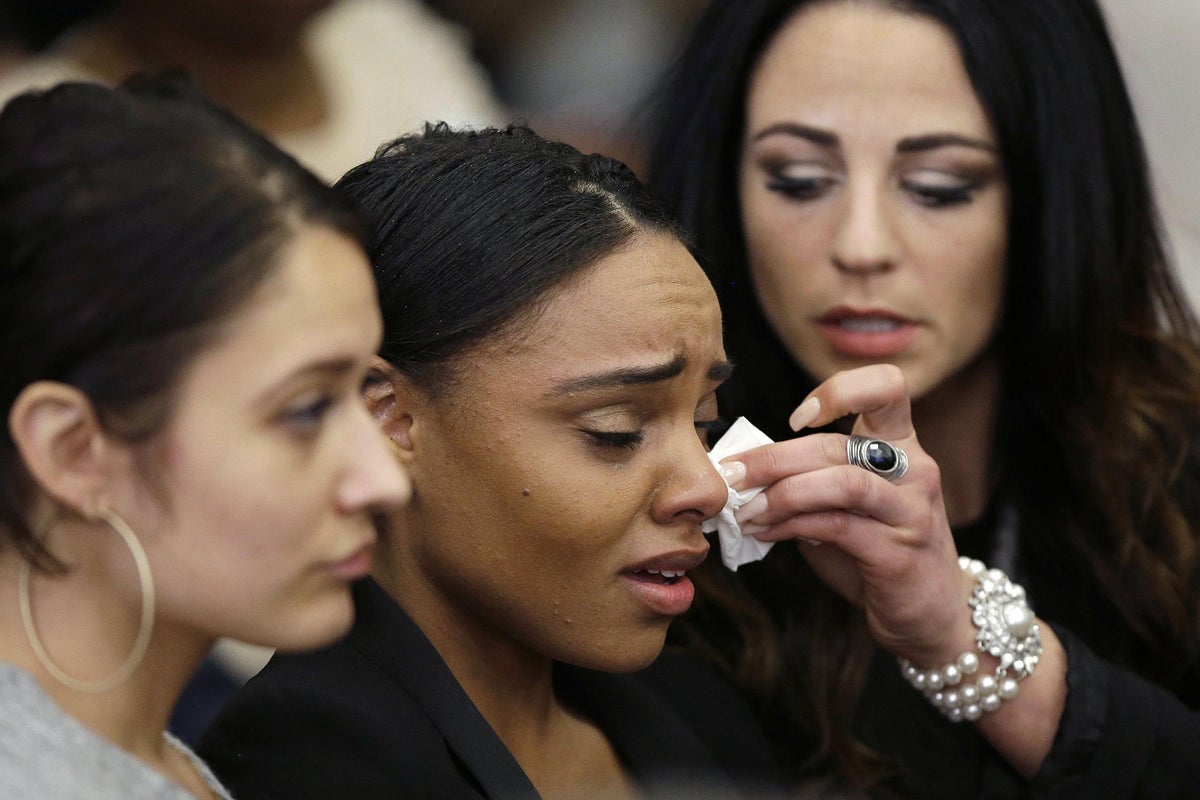
Shayanna Jenkins, Hernandez’s long-time partner and mother of his daughter, expressed pain and frustration over public speculation regarding his sexuality. In media interviews following the release of the docuseries, Jenkins stated that Hernandez had never discussed being gay or bisexual with her, noting that she wished he had felt comfortable enough to share his full self if those reports were true.
Hernandez’s older brother, Jonathan Hernandez, published a memoir titled Uncovered, in which he reflected on their turbulent childhood, their father’s strict discipline, and the emotional distance that grew between the brothers as Aaron struggled with his secrets.
Frequently Asked Questions
Was Aaron Hernandez confirmed to be gay or bisexual?
Accounts from close friends, such as high school teammate Dennis SanSoucie, along with statements from defense attorney Jose Baez and family members, confirm that Aaron Hernandez engaged in same-sex relationships and struggled with his sexual identity throughout his life. However, Hernandez never publicly adopted a specific label such as gay or bisexual during his lifetime.
Did Aaron Hernandez’s sexuality play a role in his criminal case?
During his trials, prosecutors did not present sexuality as a motive for murder. While media rumors speculated that Odin Lloyd may have known about Hernandez’s secret relationships, no physical evidence or trial testimony established this as a motive for the murder of Odin Lloyd.
How severe was Aaron Hernandez’s CTE diagnosis?
Post-mortem brain examinations conducted by the Boston University CTE Center revealed that Hernandez suffered from Stage 3 Chronic Traumatic Encephalopathy (CTE). This level of neurodegenerative disease was exceptionally severe for a 27-year-old and impaired the brain regions responsible for memory, impulse control, and emotional regulation.
Who came forward publicly regarding relationships with Hernandez?
Dennis SanSoucie, who played high school football with Hernandez, came forward in the 2020 Netflix documentary Killer Inside to discuss their personal relationship. Additionally, defense attorney Jose Baez confirmed in his 2018 book that Hernandez spoke candidly about his struggles with his sexuality while in prison.
Why did Hernandez keep his sexuality hidden during his NFL career?
During Hernandez’s playing career (2010–2012), professional football culture was unsupportive of openly LGBTQ+ athletes. Fear of losing his athletic career, endorsement opportunities, locker-room acceptance, and approval from his family led Hernandez to strictly hide his private life.
Key Lessons and Broader Context
The tragic story of Aaron Hernandez highlights the severe impact of hidden identity, neurotrauma, and unaddressed psychological pain. Examining his life offers key takeaways for sports organizations, media institutions, and mental health advocacy:
- Supporting Mental Health in Athletics: Sports institutions must foster environments where athletes can seek mental health support and express their authentic identities without fear of professional retaliation or harassment.
- Understanding Brain Trauma: The severe CTE found in Hernandez's brain demonstrates the profound influence of repetitive head trauma on behavioral regulation, impulse control, and emotional stability.
- Avoiding Oversimplification: Complex human actions cannot be reduced to a single explanation. Hernandez's life was shaped by an overlapping combination of neurodegenerative illness, childhood trauma, cultural pressures, and violent subculture exposure.
By examining verified facts rather than sensationalized media narratives, society gains a clearer understanding of how chronic isolation and neurological impairment affect high-profile athletes living under intense public pressure.