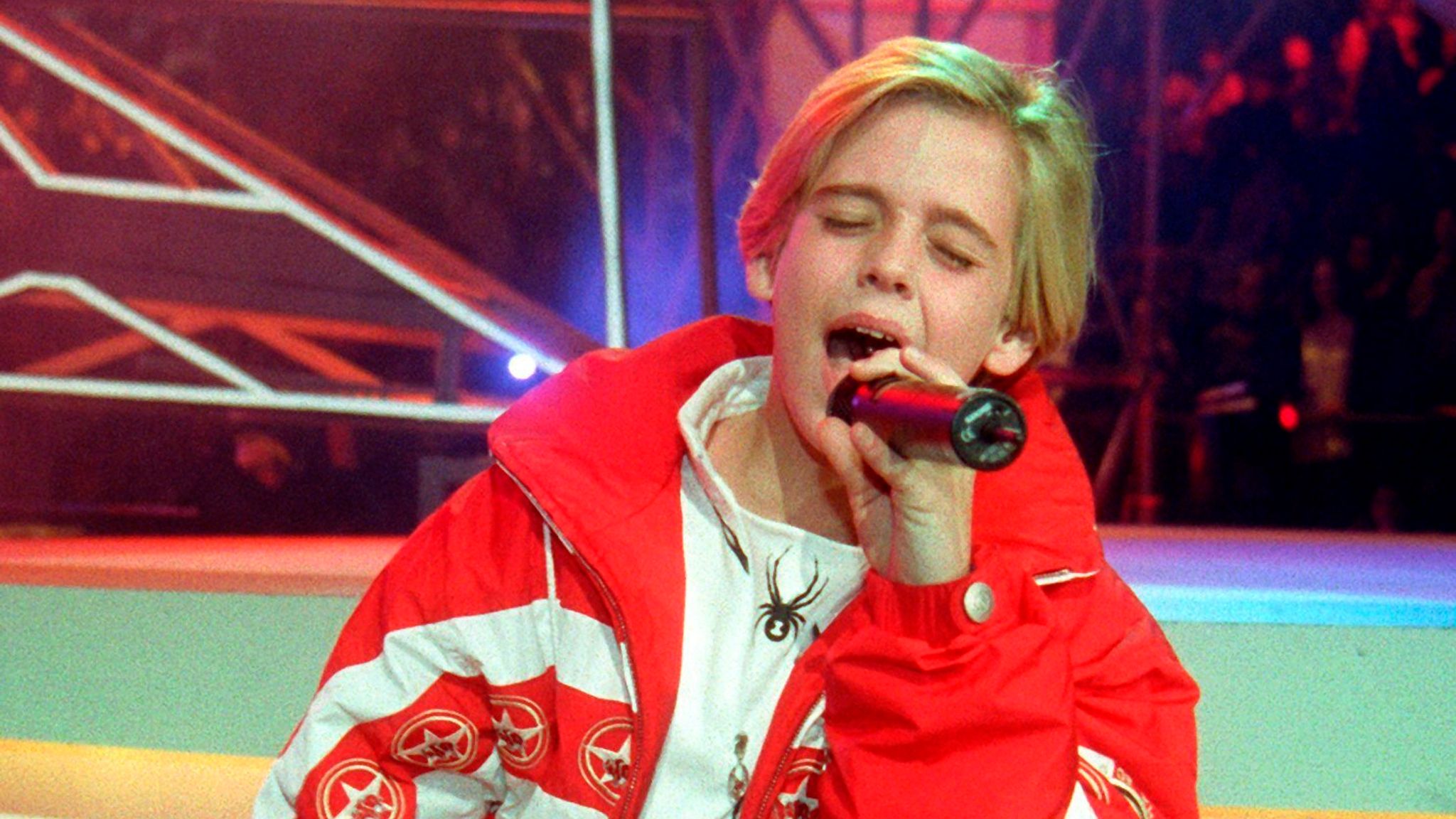
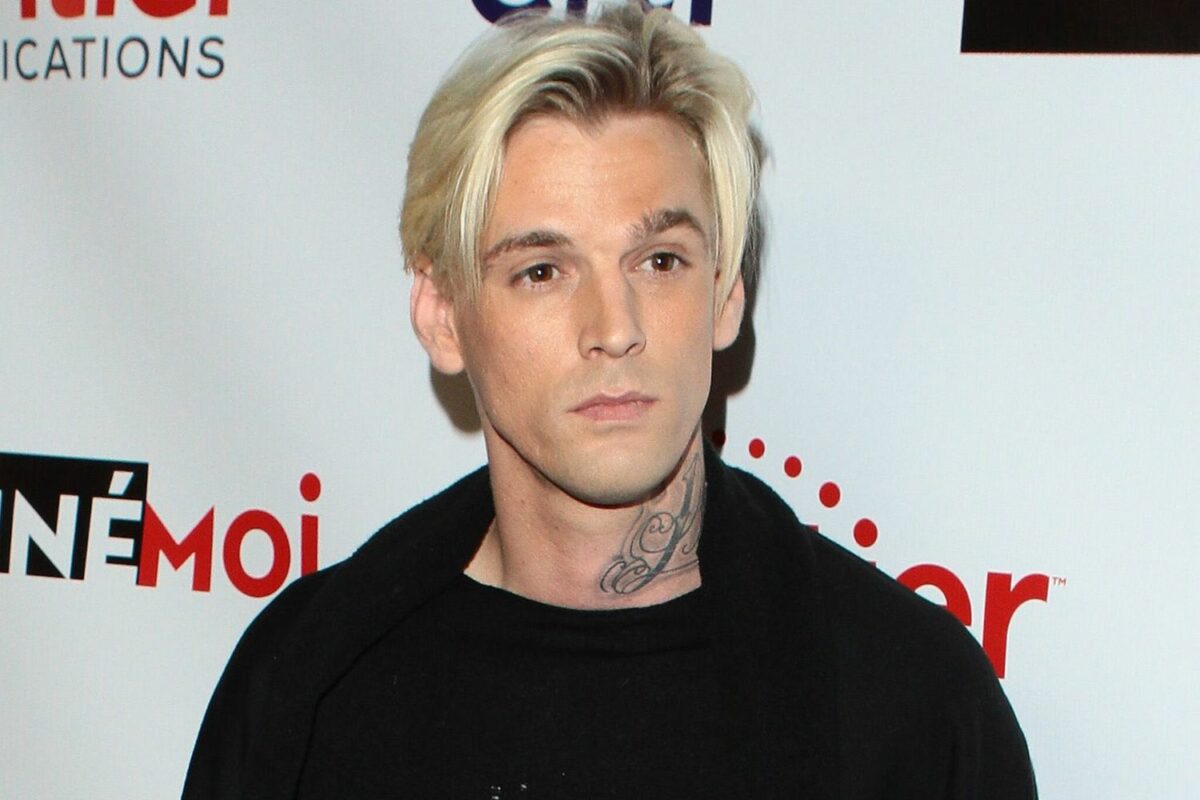
Aaron Carter, while primarily recognized as a global teen pop phenomenon, spent his final years pursuing a profound artistic shift toward country and alternative-pop music. This unexpected transition reflected his desire to move beyond his bubblegum roots, embracing Nashville-inspired storytelling and organic instrumentation before his untimely passing in November 2022.
The Unexpected Pivot: From Pop Prince to Country Aspirant
To understand the narrative of Aaron Carter as a "country singer," one must look at the trajectory of his career following his early 2000s peak. After years of navigating the turbulence of child stardom, Carter began seeking a more authentic musical identity in the mid-2010s. This search frequently led him to Nashville, Tennessee, a city synonymous with the country genre and high-caliber songwriting.
While the public still associated him with hits like "I Want Candy," Carter was privately honing a sound that leaned heavily on acoustic guitars and narrative-driven lyrics. This shift was not merely a commercial tactic but a personal necessity. For Carter, country music represented a genre where transparency and vulnerability—elements he struggled with in the public eye—were celebrated. By 2026, four years after his death, music historians view this "country era" as the period where Carter was most focused on reclaiming his narrative through melody.
The Nashville Sessions and the "LøVë" Influence
In 2018, Aaron Carter released the album LøVë, which was largely categorized as electronic pop. However, the creative process behind the album and the subsequent tour signaled his move toward the country-pop crossover space. During his time in Nashville, Carter collaborated with various songwriters, exploring a "Southern Pop" sound that blended his rhythmic sensibilities with the tropes of modern country music.
The "unexpected" nature of this transition surprised many critics. Carter began performing acoustic versions of his new material, stripping away the heavy production to reveal a voice that had matured and gained a raspy, soulful edge. These sessions were intended to bridge the gap between his past and a future in the Americana or Country-Pop charts. Fans who followed his social media during this time witnessed him frequently playing around with country riffs, often citing the genre's ability to tell "the raw truth" as his primary inspiration.
Artistic Maturity and the Search for Redemption
The move toward country music was deeply tied to Carter’s personal journey. The genre has a long-standing tradition of the "outlaw" or the "redemption arc," themes that resonated with Carter’s public battles with addiction and mental health. By adopting elements of the country singer persona, he was attempting to align himself with a tradition of artists who found solace in the music after surviving personal storms.
In the studio, this translated to a focus on live instrumentation. Unlike his early records, which relied heavily on synthesized beats, his later demos featured prominent guitar work and more complex vocal arrangements. This period of his life was marked by a desire to be seen as a "musician’s musician" rather than just a celebrity. He often spoke about wanting to "earn his place" in the Nashville community, recognizing that the transition from a teen idol to a respected country-pop artist was a difficult path that required genuine skill and perseverance.
Comparing the Eras of Aaron Carter’s Career
As we look back in 2026, the evolution of Aaron Carter’s sound can be categorized into three distinct phases. The following table illustrates the shift in his musical priorities and the technical aspects of his production.
| Feature | The Teen Pop Era (1997–2005) | The Indie/EDM Era (2016–2018) | The Transition Era (2019–2022) |
|---|---|---|---|
| Primary Genre | Bubblegum Pop / Hip-Hop | EDM / Synth-Pop | Country-Pop / Alternative |
| Vocal Style | Youthful, high-energy | Processed, rhythmic | Raspy, acoustic-led |
| Instrumentation | Synthesizers, Drum Machines | Heavy MIDI, Bass drops | Acoustic Guitar, Live Drums |
| Lyric Themes | Parties, young love, fun | Heartbreak, self-reflection | Redemption, struggle, growth |
| Key Release | Aaron’s Party (Come Get It) | LøVë | Blacklisted (Posthumous) |
The Impact of "Blacklisted" and the Unfinished Country Project
At the time of his death in November 2022, Aaron Carter was working on several musical fronts. While the album Blacklisted was released shortly after his passing, it captured a darker, more alternative sound. However, industry insiders and those close to the singer have frequently mentioned the existence of "The Nashville Tapes"—a collection of demos and recordings that leaned significantly more toward the country genre.
These unreleased tracks are said to represent the "unexpected star" that Carter was becoming. They featured collaborations with songwriters who specialized in the storytelling aspect of country music, moving away from the repetitiveness of dance-pop. In 2026, these recordings remain a point of interest for fans, as they represent the final evolution of an artist who was on the verge of a significant genre breakthrough. The tragedy of his passing at age 34 meant that the world never saw the full realization of Aaron Carter as a seasoned country-pop performer.
Addressing the Stigma: A Child Star in Nashville
One of the greatest hurdles Carter faced in his pursuit of a country-inspired sound was the stigma associated with his past. Nashville’s music row can be notoriously difficult for "outsiders" to break into, especially those with a highly publicized history of tabloid headlines. Carter’s efforts to be taken seriously as a country singer were often met with skepticism by industry gatekeepers.
Despite this, he continued to push forward, often performing at smaller venues and acoustic showcases to prove his vocal ability. He understood that to succeed in this new niche, he had to be better than the average newcomer. His commitment to learning the craft of songwriting—rather than just performing songs written by others—was a hallmark of his final years. This dedication is what fans remember today: a man who refused to be boxed in by his 12-year-old self.
Remembering the Legacy in 2026
Four years after the world lost Aaron Carter, his legacy is defined by more than just his early success. He is remembered as a resilient artist who was unafraid to pivot and experiment. The "country singer" label, while never fully realized through a chart-topping Nashville album, serves as a testament to his ambition and his love for the craft of music.
His influence can still be felt in the way modern pop stars transition into more mature, organic genres. Carter’s willingness to fail and try again in the public eye provided a blueprint for the complexities of a lifelong career in the arts. Today, his music is celebrated for its range—from the high-octane energy of his youth to the soulful, country-inflected reflections of his later years.
Frequently Asked Questions
Did Aaron Carter ever release a country album?
Aaron Carter did not release a full-length studio album exclusively categorized as country during his lifetime. However, his 2018 project LøVë and his posthumous release Blacklisted contain elements of the country-pop crossover style he was pursuing. Much of his country-specific work remains in the form of unreleased demos and acoustic sessions recorded in Nashville.
Why is Aaron Carter sometimes called a country singer?
The label stems from his significant time spent in Nashville toward the end of his life and his vocalized intent to transition into the genre. He frequently performed acoustic, country-style versions of his songs and collaborated with Nashville songwriters, leading fans and media to recognize him as an "unexpected" aspirant in the country music scene.
How did Aaron Carter’s style change over time?
Carter moved from "bubblegum pop" and rap in the late 90s to a more sophisticated EDM and indie-pop sound in the 2010s. His final years were characterized by a move toward "Southern Pop" and alternative music, focusing on live instrumentation like the acoustic guitar and more personal, narrative lyrics.
What happened to the music Aaron Carter was working on before he died?
Some of the music was released posthumously in the album Blacklisted. Other tracks, particularly those recorded during his Nashville sessions, remain in the hands of his estate and producers. There has been ongoing discussion among fans and family regarding the appropriate way to honor his legacy through these unfinished works.
Who were Aaron Carter's musical influences in his later years?
In his later years, Carter cited a mix of contemporary pop-rock and country-pop artists. He expressed admiration for the songwriting structures found in country music, often looking to artists who successfully blended genres, such as his brother Nick Carter during his own solo country ventures.
How to Explore Aaron Carter’s Late-Career Music
For those looking to understand the musical transition of Aaron Carter, the best approach is to listen to his work chronologically, paying close attention to the shift in production values between 2017 and 2022.
- Listen to the "LøVë" (Acoustic Sessions): These recordings provide the clearest bridge between his pop past and his country-influenced future.
- Explore the "Blacklisted" Album: Released posthumously, this album showcases the mature vocal tone he developed while working in Nashville.
- Watch Live Acoustic Performances: Search for his final live appearances from 2020–2022. These raw performances highlight his skill as a guitarist and his ability to carry a song without digital enhancements.
- Follow Official Estate Announcements: As of 2026, any news regarding the release of "The Nashville Tapes" or other unreleased country-pop demos will come through his official social media channels or estate representatives.