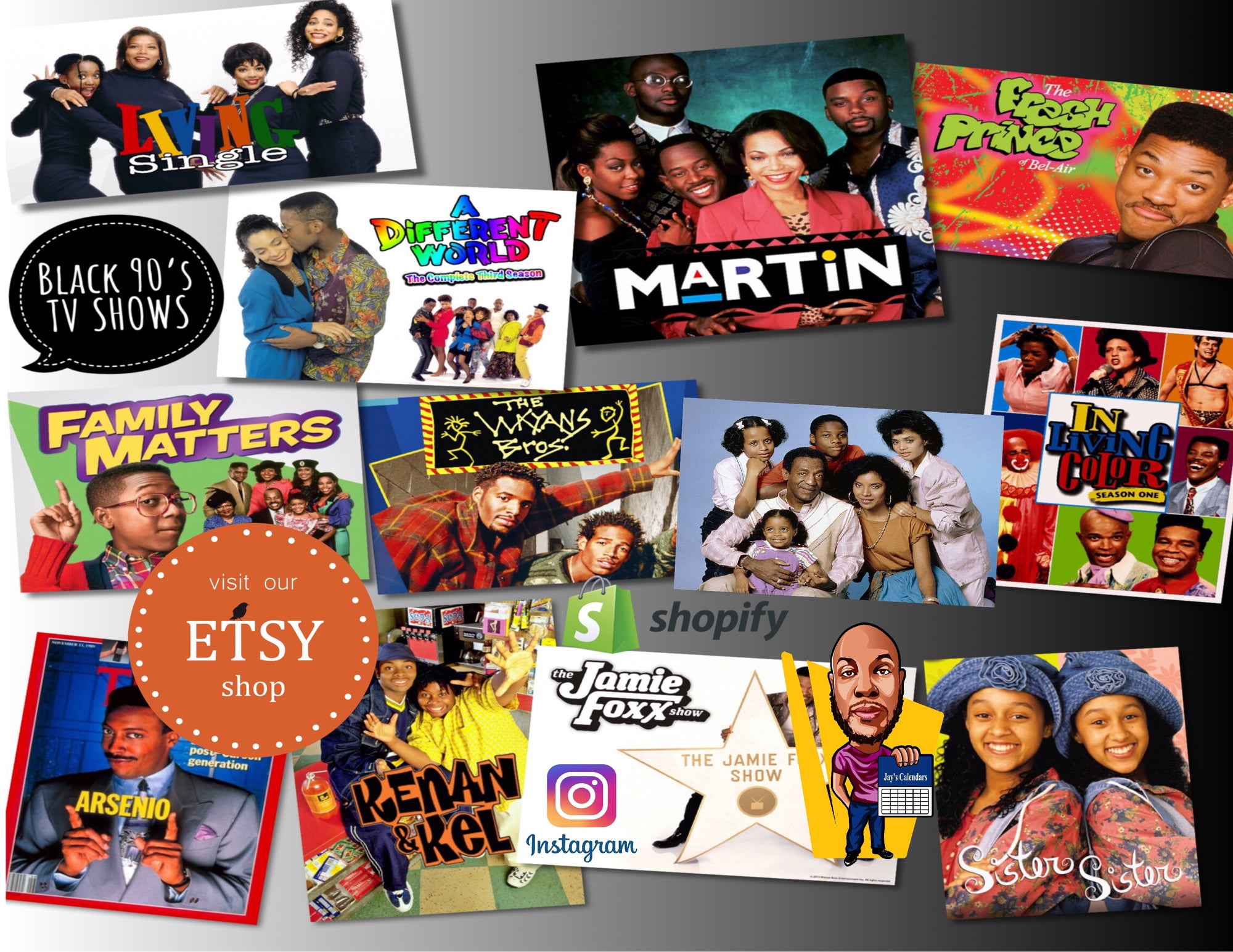
90s TV nostalgia is a complex interaction between the psychological need for comfort and the economic demands of the streaming industry. In 2026, this phenomenon persists because these shows represent the final era of global monoculture, providing a shared social foundation that modern, fragmented digital media cannot replicate.
The enduring popularity of 1990s television is not merely a byproduct of "simpler times." It is a meticulously preserved segment of the entertainment industry that continues to generate billions in licensing fees and shapes the viewing habits of Gen Z and Alpha. To understand why 90s TV nostalgia remains a dominant force in 2026, one must analyze the transition from analog to digital storytelling, the structure of the sitcom, and the specific socioeconomic conditions that made 90s media unique.
The Mechanism of Monoculture: Why 90s TV Feels Like Home
The primary driver of 90s TV nostalgia is the concept of "monoculture." During the 1990s, television was characterized by a limited number of channels and a lack of on-demand viewing. This created a "watercooler effect," where a significant portion of the population watched the same episode of Seinfeld or The X-Files at the exact same time. This shared experience fostered a sense of community that has largely vanished in the era of algorithmic personalization.
From a psychological perspective, this creates a "fixed point" in the viewer's memory. When audiences in 2026 return to Friends or The Fresh Prince of Bel-Air, they are not just watching a show; they are accessing a communal memory. The predictability of the multi-camera sitcom—with its laugh tracks, static sets, and resolved-in-30-minutes conflicts—acts as a neurological "reset" button. In an era of constant notifications and complex, serialized prestige dramas, the 90s sitcom offers a low-cognitive-load alternative that triggers the release of oxytocin through familiar social cues.
Furthermore, the 90s represented a unique technological "sweet spot." It was a decade where technology was integrated into the plot (pagers, early cell phones, the mystery of the internet) but had not yet replaced face-to-face interaction. This allows modern viewers to experience a world that feels modern enough to be relatable but distinct enough to feel like an escape from the 2026 digital saturation.
The Great Streaming Catalog Wars: Valuing 90s Intellectual Property
The persistence of 90s nostalgia is as much a business strategy as it is a social trend. Since the early 2020s, the "Streaming Wars" have been fought not only with new original content but with the acquisition of 90s back-catalogs. Platforms like Netflix, Max, and Peacock have spent hundreds of millions of dollars to secure the exclusive rights to 90s staples.
The reason for these massive investments is "retention." While high-budget new series attract subscribers, 90s comfort shows keep them from canceling their subscriptions. These shows function as "background TV"—content that viewers play while multitasking or falling asleep. According to Nielsen, licensed content from previous decades often outpaces original programming in total minutes viewed, making 90s IP one of the most stable assets in a media company’s portfolio.
| Show | Genre | Primary Appeal in 2026 | Legacy Impact |
|---|---|---|---|
| Friends | Sitcom | Idealized social connection | Established the "ensemble" template |
| The X-Files | Sci-Fi/Drama | Skepticism of authority | Paved the way for serialized mysteries |
| Seinfeld | Sitcom | Observational irony | Deconstructed the traditional moral sitcom |
| The Simpsons | Animation | Satirical longevity | Defined the 90s counter-culture voice |
| Twin Peaks | Surrealist | Atmospheric escapism | The precursor to "Prestige TV" |
The Aesthetic of the Analog-Digital Bridge
An often-overlooked aspect of 90s TV nostalgia analysis is the visual and auditory aesthetic of the era. The 1990s was the final decade dominated by standard-definition, 4:3 aspect ratio television, recorded on film or early magnetic tape. In 2026, as 8K resolution and AI-upscaling become the norm, the "grainy" or "soft" look of 90s TV has become a sought-after aesthetic, similar to the revival of vinyl records.
This visual "warmth" is inherently nostalgic. The lighting of sets in shows like Full House or Family Matters used high-key lighting that minimized shadows, creating a bright, safe-feeling environment. Modern television often utilizes cinematic, moody, and low-light palettes. For a viewer in 2026, the brightness of 90s TV is literally a more comforting visual experience for the human eye, particularly during evening viewing hours.
The fashion and set design of the 90s also play a role. The transition from the "neon" 80s to the "grunge and minimalism" 90s created a look that is easily replicated and highly marketable. High-waisted jeans, oversized sweaters, and flannel shirts have seen multiple resurgences in the 2020s, making 90s TV characters feel fashion-forward to younger audiences rather than dated.
The Birth of the Modern Procedural and Serialized Arc
The 1990s was the laboratory for the storytelling formats we take for granted today. Before the 90s, most shows were "episodic"—you could watch an episode of MacGyver without having seen the previous one. The 90s introduced the "mythology" arc, most notably through The X-Files and Buffy the Vampire Slayer.
These shows balanced a "Monster of the Week" (procedural) with a "Grand Narrative" (serialized). This hybrid format is highly effective for modern binge-watching. It provides the satisfaction of a contained story within 45 minutes while creating the "just one more episode" hook through the overarching plot. Analysis of viewing patterns in 2026 shows that this hybrid model has the highest re-watch value, as viewers can jump into any episode but still feel part of a larger world.
Cultural Resilience: How 90s Tropes Shape 2026 Content
The influence of the 90s is not limited to reruns; it is baked into the DNA of modern production. Writers and directors who grew up in the 90s are now the primary creators of 2026 media. This has led to a "nostalgia loop" where new shows are designed to evoke the feeling of 90s television through specific tropes:
- The "Found Family" Dynamic: Perfected by Friends, this trope is the backbone of most modern ensemble comedies.
- The Tech-Skepticism: The "Y2K" anxiety of the 90s has evolved into modern "Black Mirror" style anxieties, but the roots lie in 90s sci-fi.
- The Teen Angst Genre: Dawson’s Creek and Beverly Hills, 90210 established the heightened, self-aware dialogue that still dominates YA (Young Adult) programming.
This cultural resilience ensures that even when audiences aren't watching 90s shows, they are consuming media built on 90s foundations. This creates a feedback loop: a viewer watches a modern show, recognizes the 90s influence, and is then driven back to the original source material to "see where it started."
Why are 90s sitcoms more popular than 80s or 2000s sitcoms?
The 90s sitcom struck a unique balance between the family-centric wholesomeness of the 80s and the cynical, meta-humor of the 2000s. Shows like Seinfeld introduced irony and "no hugging, no learning" rules, which appeal to modern sensibilities, while still maintaining the comforting, familiar structure of the multi-camera setup.
How did the transition to widescreen (16:9) affect 90s TV nostalgia?
Many 90s shows were filmed on 35mm film, which actually captures more detail than standard-definition TV could display. In recent years, these have been remastered into HD and 4K. While this makes them playable on modern 2026 screens, some purists argue it breaks the "nostalgia spell" by revealing set edges or boom mics that were never meant to be seen in the original 4:3 frame.
Is 90s TV nostalgia purely a Western phenomenon?
No. Due to global syndication, 90s American TV became a cultural baseline in many parts of the world. In the 1990s, US media exports grew exponentially, meaning that for many people in Eastern Europe, Latin America, and Asia, 90s TV represents the era of "opening up" to global culture, giving the nostalgia a specific local meaning.
Will 90s TV nostalgia eventually fade away?
Nostalgia typically operates on a 30-year cycle, as the children of a decade become the primary consumers and creators of the next. However, the "monoculture" aspect of the 90s may give it a longer shelf life. Because there is no "2020s monoculture" for future generations to look back on collectively, the 90s may remain a permanent fixture in the cultural lexicon.
Curating Your 90s Viewing Experience in 2026
To truly engage with 90s TV nostalgia in an analytical way, viewers should look beyond the surface-level fashion and catchphrases. Start by identifying the "genre-definers" vs. the "imitators." While shows like Friends are ubiquitous, exploring the "fringe" hits of the era, such as Living Single or Northern Exposure, provides a more comprehensive understanding of the decade’s diversity and creative risks.
The next action for any enthusiast is to utilize the "unrestored" versions of these shows when possible. While 4K remasters are visually impressive, watching a show in its original 4:3 aspect ratio preserves the director's intent and the specific "cozy" claustrophobia that defined 90s domestic life. This allows for a more authentic psychological immersion into the era that continues to define our modern entertainment landscape.