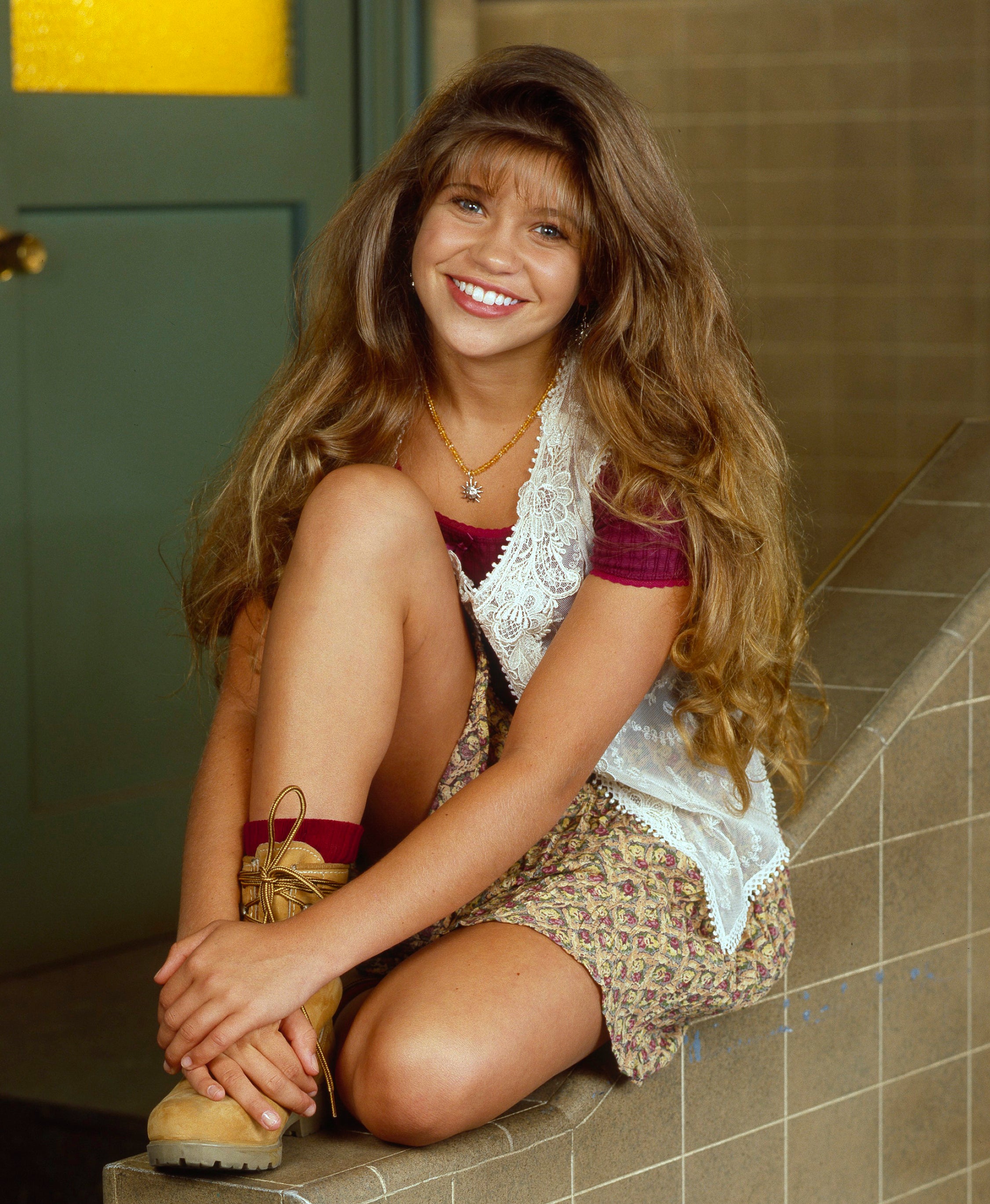
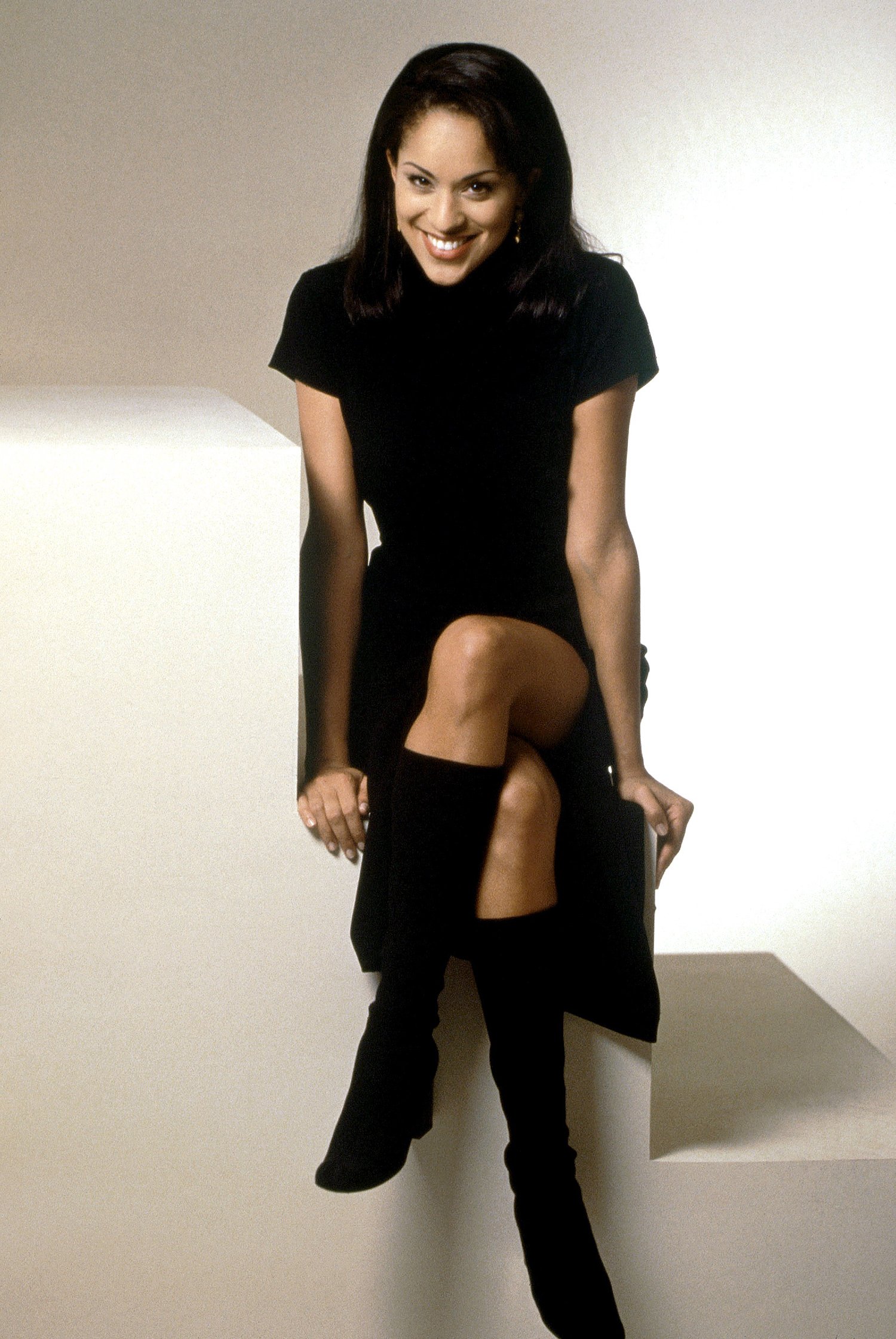
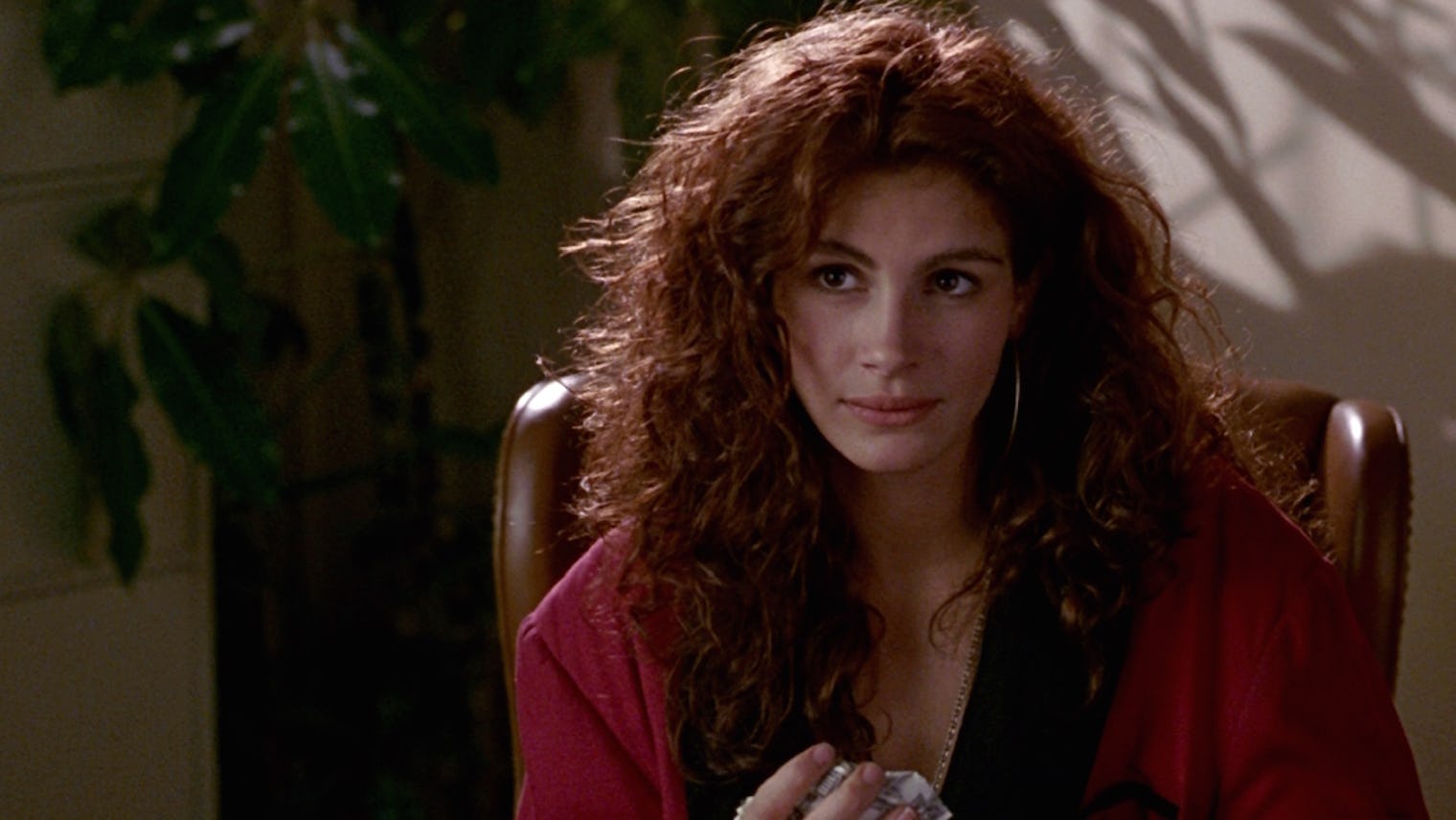
The 1990s represented a transformative era for the fashion industry, marking the birth of the "supermodel" phenomenon where runway stars transitioned from anonymous clothes horses to global household names. These models fundamentally altered the trajectory of pop culture, bridge-building between the worlds of high-fashion couture and mainstream entertainment, while setting the aesthetic standards for an entire generation.
The Rise of the Supermodel Phenomenon
The early 1990s witnessed a shift in how the public perceived models. Previously, designers and photographers were the undisputed stars of the industry; however, the emergence of a specific group of women—often referred to as the "Big Five" or "Big Six"—challenged this hierarchy. This shift was largely catalyzed by the 1990 music video for George Michael’s "Freedom! '90," which featured Naomi Campbell, Linda Evangelista, Tatjana Patitz, Christy Turlington, and Cindy Crawford.
This moment signaled that models were no longer just mannequins but personalities with significant brand value. They appeared on magazine covers, in television interviews, and even starred in films, moving fashion from the exclusivity of the runway to the center of global media. By the mid-90s, the demand for these figures had grown so immense that they could command unprecedented salaries, fundamentally shifting the power dynamic between modeling agencies, designers, and the models themselves.
Profiles of the Decade’s Defining Figures
Understanding the 90s fashion landscape requires an examination of the individuals who became synonymous with the era’s diverse aesthetic movements, ranging from the "heroin chic" look to the classic, high-glamour beauty standard.
- Naomi Campbell: Known for her relentless work ethic and fierce runway walk, Campbell was the first Black model to appear on the covers of French Vogue and TIME magazine. Her career has spanned decades, but her 90s output established her as an industry powerhouse.
- Cindy Crawford: Representing the quintessential "all-American" beauty, Crawford bridged the gap between editorial fashion and commercial accessibility. Her presence in Pepsi commercials and on fitness videos brought high-fashion sensibilities into the suburban living room.
- Linda Evangelista: Often dubbed "the chameleon," Evangelista was celebrated for her ability to change her look, most notably her iconic hair transformations. She famously noted in a 1990 interview that she and her peers "don't wake up for less than $10,000 a day," highlighting the extreme professional status reached by 90s icons.
- Christy Turlington: Regarded for her "classical" beauty, Turlington became the face of major luxury houses like Chanel and Calvin Klein. Her editorial work defined the refined, minimalist aesthetic that became a hallmark of the mid-90s.
- Kate Moss: Emerging as the antithesis to the glamazon era, Moss brought a shorter, waif-like aesthetic to the forefront. Her partnership with Calvin Klein and her influence on the "heroin chic" trend marked a radical departure from the statuesque models of the late 80s.
Comparative Impact of 90s Modeling Icons
| Model Name | Primary Aesthetic | Key Cultural Impact |
|---|---|---|
| Naomi Campbell | High-Fashion Editorial | Trailblazing diversity on global covers |
| Cindy Crawford | American Glamour | Merging fashion with mass-market advertising |
| Linda Evangelista | Avant-Garde / Versatile | Professionalizing the "supermodel" pay scale |
| Christy Turlington | Classic / Minimalist | Defining the "Calvin Klein" era look |
| Kate Moss | Grunge / Waif | Shifting industry focus to indie/alternative beauty |
The Influence of Media and Technology
The 90s were a pivotal time for media consumption, which directly fueled the rise of the supermodel. The proliferation of cable television, particularly MTV, provided a platform where these models could reach a global audience instantly. Unlike the fashion icons of previous decades who relied primarily on print media, the models of the 90s were seen in motion. This allowed them to develop a "star power" that transcended static photography.
Fashion photography also saw a shift, with legends like Peter Lindbergh, Herb Ritts, and Steven Meisel creating imagery that felt cinematic. These photographers treated their subjects as actors, capturing raw emotion and personality rather than just clothing. The synergy between high-end editorial photography and the rise of mass-reach video media ensured that these models remained in the cultural zeitgeist continuously from 1990 to 1999.
Changing Industry Requirements
To succeed in the 90s, a model needed more than just a specific set of physical measurements; they required an ability to curate an identity. Designers like Gianni Versace, Karl Lagerfeld, and Calvin Klein utilized these models as muses, effectively making the models' public personas a central part of their brand identity.
Prerequisites for top-tier success in this era included:
- Runway Proficiency: The ability to command a catwalk was essential for landing high-profile shows in Paris, Milan, and New York.
- Editorial Versatility: The capacity to work with diverse lighting and creative directions, from grunge-inspired street photography to opulent studio sessions.
- Media Savvy: Engaging with press, television, and public events to cultivate a public brand that existed outside the scope of specific designers.
- Agency Management: Alignment with powerful agencies that could negotiate cross-industry endorsements, such as fragrances, cosmetics, and automotive sponsorships.
Challenges and Controversies of the Era
The 90s were not without criticism. The industry faced intense scrutiny regarding the promotion of unrealistic beauty standards. The "heroin chic" trend, characterized by pale skin, dark circles under the eyes, and extreme thinness, became a subject of significant public debate. Organizations and public health advocates questioned the responsibility of the fashion industry in influencing the body image of teenagers and young adults. This tension created a distinct rift between the avant-garde artistry praised in magazines and the societal concerns about health and representation that persist in the industry even today.
The Lasting Legacy in 2026
Looking back from 2026, the 90s supermodel era is often viewed as the "Golden Age" of modeling. The accessibility and ubiquity of these figures have not been replicated in the same way, even with the rise of social media influencers. While current digital-native stars possess massive reach, the specific alchemy of the 90s—where editorial talent met traditional media gatekeepers—created a form of concentrated fame that remains a touchstone for contemporary fashion designers and cultural historians alike. Many of the icons from this decade continue to work as brand ambassadors, proving that the personal brand they built in the 90s remains a valuable commodity in the current market.
Frequently Asked Questions
Who are considered the "Big Five" supermodels of the 90s?
The "Big Five" typically refers to Naomi Campbell, Cindy Crawford, Linda Evangelista, Christy Turlington, and Tatjana Patitz. These women appeared together on the cover of British Vogue in 1990 and were instrumental in popularizing the term "supermodel" as a descriptor for their high-profile status.
What made 90s models different from those of previous eras?
90s models transitioned from being passive subjects for photographers and designers into active participants in the cultural conversation. Through music videos, talk shows, and major advertising campaigns, they built public personas that allowed them to command high salaries and dictate industry trends, effectively becoming brands themselves.
What was "heroin chic" and how did it affect the 90s?
"Heroin chic" was a fashion aesthetic that became popular in the mid-1990s, characterized by thin frames, pale skin, and an overall disheveled or weary appearance. It was controversial because it was perceived by many to be glamorizing drug use and eating disorders, leading to a significant public backlash that forced the industry to reconsider its representation of health and beauty.
Did the rise of social media change the definition of a supermodel?
Yes. In 2026, the definition of a supermodel has shifted toward those with large, direct-to-consumer social media followings. While 90s models relied on traditional media gatekeepers to build their fame, modern models often build their own platforms, changing how they interact with brands and their own target audiences.
How do I learn more about the specific history of 90s fashion?
To research this era further, look for archives from the publications that defined the 90s, such as Vogue, Harper's Bazaar, and i-D. Many museums also curate retrospective exhibitions that analyze the intersection of 90s fashion, photography, and cultural shifts. Reviewing the works of photographers like Herb Ritts and Peter Lindbergh provides deep visual context into how these models were shaped into icons.
Exploring the 90s Fashion Legacy
If you are interested in deepening your understanding of the 90s fashion landscape, the most practical step is to examine the "Freedom! '90" video and the subsequent editorial work of the era's major photographers. These primary sources provide the most accurate look at how the visual language of the decade was constructed. By analyzing the collaborative relationship between the photographers, the designers, and the models, one can gain a comprehensive understanding of why this decade remains the most cited era in contemporary fashion history.