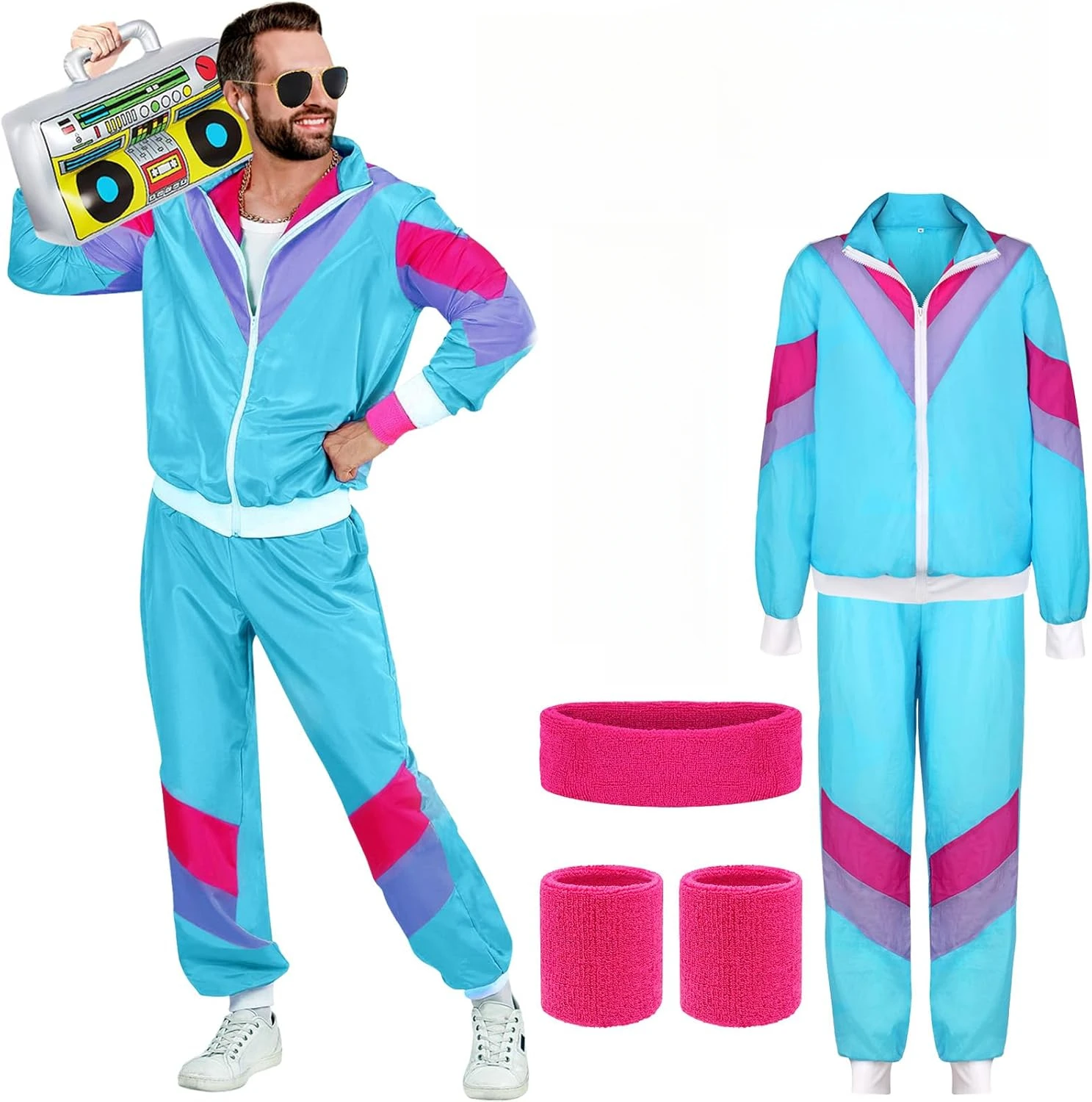
Capturing the essence of 90s fashion requires balancing the era's signature oversized silhouettes with its distinctive textures and bold color palettes. Successfully navigating these trends involves blending authentic vintage finds with modern fits, ensuring that your throwback aesthetic remains wearable while paying tribute to the iconic pop culture, grunge movements, and minimalist shifts that defined the decade.
The Foundations of 90s Aesthetic
The 1990s was a transitional period in fashion where the excess of the 80s gave way to diverse subcultures. To master this look, you must understand the dichotomy between the "grunge" movement, which prioritized comfort and second-hand layering, and the "minimalist chic" trend that emerged toward the latter half of the decade.
Authentic 90s style is not about wearing a costume; it is about selecting core silhouettes. The decade was defined by a rejection of rigid tailoring. Whether it was the flannel shirts of the Pacific Northwest or the slip dresses popularized by high-fashion runways, the key was an air of intentional dishevelment or clean, simple lines. When curating a 90s-inspired wardrobe in 2026, focus on identifying these historical touchpoints: natural fibers like cotton and denim, matte finishes, and a color palette that leans into earth tones, muted pastels, and stark monochromatic black.
Grunge and the Anti-Fashion Movement
Originating from the alternative rock scene, grunge fashion was fundamentally an "anti-fashion" statement. It relied on thrifting and practicality rather than high-end production. The core components included oversized flannel shirts, distressed denim, and heavy combat boots.
The "why" behind the aesthetic was functionality—layers were necessary for the climate of the Pacific Northwest, and durable fabrics were a necessity for musicians and their fans. To adopt this look today, focus on the layering technique. Start with a fitted base layer, add an oversized flannel or distressed knit sweater, and finish with a high-waisted, straight-leg pair of jeans. Avoid modern skinny jeans, which contradict the baggy, relaxed silhouette essential to the grunge look. Authenticity comes from the texture; seek out heavyweight cotton flannels rather than synthetic blends that lack the characteristic drape of the original era.
Minimalist Chic and High-Fashion Influences
As the decade progressed, a counter-movement to grunge surfaced: the sleek, minimalist aesthetic. Led by designers like Calvin Klein and Helmut Lang, this look stripped away the patterns and heavy layering of the early 90s.
Key pieces include the spaghetti-strap slip dress, rib-knit turtlenecks, and monochromatic pant suits. The appeal of this style lies in its versatility. A slip dress, originally a staple of 90s evening wear, can be modernized by pairing it with a thin, long-sleeve white t-shirt underneath—a common styling trick from the era that remains effective today. When sourcing these items, look for bias-cut silk or high-quality rayon that flows along the body’s natural lines without excessive embellishment.
Fabric and Silhouette Comparison Table
Understanding how specific fabrics and cuts interact is essential for building an authentic 90s outfit. The following table identifies the common materials and structural choices that distinguish the two major 90s fashion pillars.
| Element | Grunge Aesthetic | Minimalist Aesthetic |
|---|---|---|
| Primary Fabric | Flannel, Corduroy, Distressed Denim | Silk, Jersey, Cashmere, Leather |
| Silhouette | Oversized, Baggy, Boxy | Slim, Straight, Bias-cut |
| Color Palette | Earth tones, Plaid, Dark Grays | Monochromatic, Neutrals, White/Black |
| Footwear | Combat boots, Platform sneakers | Strappy sandals, Loafers, Mules |
| Accessories | Chokers, Beanies, Backpacks | Minimalist gold hoops, Thin belts |
Essential Accessories to Complete the Look
No throwback ensemble is complete without the hardware that defined the decade. Accessories in the 90s functioned as both status symbols and practical necessities. The choker, often made of velvet or tattoo-style elastic, was ubiquitous and serves as the quintessential 90s accessory.
Beyond jewelry, look toward eyewear and headwear. Small, oval-shaped sunglasses with wire frames and wide-brimmed bucket hats are defining markers of the era. If you are aiming for a more polished approach, opt for a structured leather baguette bag, which became a staple in the late 90s. The focus should be on simplicity; the 90s were largely about "less is more" regarding jewelry, so avoid chunky, multi-layered pieces that feel more aligned with the 80s.
Navigating Modern Sourcing and Quality
In 2026, sourcing authentic 90s clothing requires a keen eye for material quality. Because many items from this era were mass-produced in the late 90s, the durability varies. When shopping at vintage retailers or online archives, check the label. Products made in the USA or older European garment districts often feature higher-quality stitching and fabric weight compared to modern fast-fashion reproductions.
When buying denim, look for "100% cotton" tags. Modern denim often contains spandex for stretch, which alters the way the fabric sits on the leg. A true 90s fit—such as a classic "mom jean" or a carpenter pant—relies on the stiffness of rigid cotton to maintain its wide-leg or straight-leg structure. If you are unable to find vintage items, prioritize brands that explicitly replicate these non-stretch, high-waisted specifications to ensure the silhouette matches the historical intent.
Maintenance and Preservation
Preserving vintage textiles requires specific care to prevent structural damage. Many 90s garments, particularly delicate rayon slip dresses or cotton knits, are susceptible to shrinking or tearing if washed improperly. Always favor cold-water hand washing or a gentle machine cycle with a mesh laundry bag. Avoid heat-drying these items, as 30-year-old elastic waistbands and synthetic blends can degrade rapidly under high temperatures. By maintaining these pieces correctly, you ensure the longevity of your throwback collection.
Frequently Asked Questions
What are the most iconic 90s clothing items to start with?
The most iconic pieces include high-waisted straight-leg denim, oversized plaid flannel shirts, slip dresses, and combat boots. These items offer the greatest versatility and serve as the foundation for both the grunge and minimalist styles of the decade.
How can I incorporate 90s trends into a modern professional wardrobe?
You can incorporate the 90s aesthetic into a professional setting by focusing on the minimalist elements of the era. A monochromatic pantsuit with a slightly boxier blazer cut or a rib-knit turtleneck worn under a structured blazer captures the 90s spirit while remaining office-appropriate.
Are platform shoes historically accurate to the 90s?
Yes, platform shoes were significant in the late 90s, particularly the platform sneaker popularized by pop culture figures of the time. They are an essential element of the "girl power" and maximalist sub-trends that emerged in the latter half of the decade.
How do I identify a genuine 90s garment versus a modern replica?
Look at the care tags and country of origin. Older garments often have simpler, sewn-in tags rather than the modern, lengthy multilingual heat-transferred labels found on mass-produced clothing today. Additionally, check for the weight and texture of the fabric, as modern fabrics often include synthetic stretch fibers not present in the original items.
Should I avoid trends that were popular at the very end of the 90s?
Not necessarily, but be aware that late 90s fashion (1998–1999) began transitioning toward the early 2000s style, often called "Y2K." If you want to maintain a pure 90s look, avoid pieces with excessive rhinestone detailing, bright neon colors, or extremely low-rise cuts, which were more characteristic of the subsequent era.
Practical Next Steps for Your Throwback Wardrobe
Start your 90s style journey by auditing your existing wardrobe for high-waisted denim and basic cotton layers. Once you have identified these gaps, prioritize finding one "anchor" piece—such as a well-preserved flannel shirt or a vintage silk slip dress—before filling in with smaller accessories like chokers or oval sunglasses. Focus on building a collection that emphasizes quality over quantity, as these timeless silhouettes remain relevant regardless of the passing seasons.