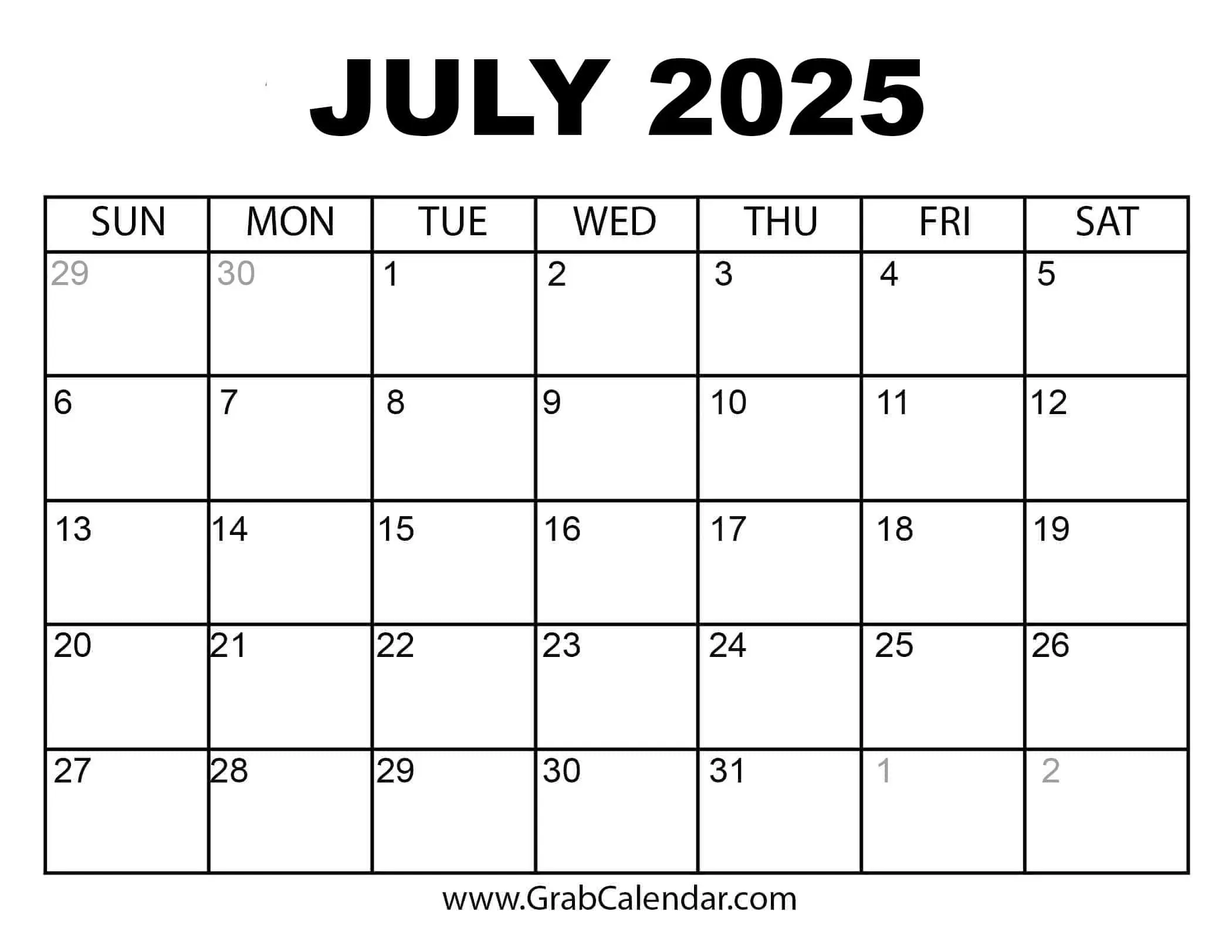
Calculating exactly 90 days from July 15, 2025, establishes Monday, October 13, 2025, as the end date. Spanning 90 full calendar days and approximately 64 business working days, this timeframe features critical interim milestones at Day 30 on Thursday, August 14, 2025, and Day 60 on Saturday, September 13, 2025.
Calculating the 90-Day Timeline from July 15, 2025
Calculating calendar spans requires understanding how specific months distribute their days. A 90-day block starting from July 15, 2025, spans across four distinct calendar months: July, August, September, and October.
To determine the exact target date, count the remaining days in July and accumulate the days in subsequent months until reaching 90:
- July 2025: Beginning July 16 (the first full day counted after July 15) through July 31 accounts for 16 calendar days.
- August 2025: August contains 31 full days, bringing the cumulative total to 47 calendar days ($16 + 31$).
- September 2025: September contains 30 full days, bringing the cumulative total to 77 calendar days ($47 + 30$).
- October 2025: To reach 90 full calendar days, 13 additional days are needed in October ($90 - 77 = 13$).
Adding 13 days to the end of September arrives precisely at Monday, October 13, 2025.
- July 15, 2025 (Start Date)
- +16 Days: July 31, 2025
- +31 Days: August 31, 2025 (Cumulative: 47 Days)
- +30 Days: September 30, 2025 (Cumulative: 77 Days)
- +13 Days: October 13, 2025 (Cumulative: 90 Days / End Target)
Business Days vs. Calendar Days
While calendar duration measures elapsed time, project execution relies on business or working days. Between July 15, 2025, and October 13, 2025, there are 26 weekend days (13 Saturdays and 13 Sundays). Subtracting these 26 weekend days from the 90 calendar days leaves 64 working days.
Project managers operating within specific regions must also account for statutory holidays. In the United States and Canada, the period between July 15 and October 13 includes:
- U.S. Labor Day / Canadian Labour Day: Monday, September 1, 2025 (1 non-working day).
- U.S. Indigenous Peoples' Day / Canadian Thanksgiving: Monday, October 13, 2025 (1 non-working day, coinciding with the 90th day).
Accounting for these standard public holidays reduces the active project execution window to 62 or 63 operational business days, depending on organization-specific holiday observances.
Breaking Down the 30-60-90 Day Milestones
Structuring a 90-day effort into 30-day increments creates clear decision points, manages momentum, and allows for mid-course adjustments. The section below outlines the chronological breakdown for a plan initiated on July 15, 2025.
- July 15, 2025 (Start)
- Phase 1: Foundation & Discovery
- August 14, 2025 (30-Day Mark)
- Phase 2: Execution & Optimization
- September 13, 2025 (60-Day Mark)
- Phase 3: Delivery & Retrospective
- October 13, 2025 (90-Day Target)
Phase 1: Foundation, Onboarding, and Discovery (Days 1–30)
- Date Range: July 15, 2025 – August 14, 2025
- Target Milestone (Day 30): Thursday, August 14, 2025
The initial 30 days focus on alignment, assessment, resource allocation, and foundational quick wins. Organizations using this window for employee onboarding focus on learning processes, shadowing stakeholders, and establishing key performance indicators (KPIs). For project launches, Phase 1 serves as the discovery period where team members map requirements, analyze risks, and establish baseline workflows. Because this phase occurs during peak summer, team leads should establish backup coverage for staff on annual leave.
Phase 2: Execution, Optimization, and Mid-Point Review (Days 31–60)
- Date Range: August 15, 2025 – September 13, 2025
- Target Milestone (Day 60): Saturday, September 13, 2025 (Operational cut-off: Friday, September 12, 2025)
The mid-stage transitions from planning to core execution. Processes initiated in Phase 1 should operate at full capacity. By Day 45 (late August), project leaders conduct a mid-point review to evaluate progress against original benchmarks. Adjustments must be made here to address delays caused by summer schedules or supply chain lag before heading into September.
Phase 3: Delivery, Evaluation, and Final Retrospective (Days 61–90)
- Date Range: September 14, 2025 – October 13, 2025
- Target Milestone (Day 90): Monday, October 13, 2025
The final phase concentrates on completion, quality assurance, and deliverable handoffs. As business activity increases post-Labor Day, teams finalize primary outputs, compile retrospective performance data, and measure outcome metrics against initial expectations. Day 90 provides a natural cutoff point to review completed objectives before full-scale fourth-quarter priorities take precedence.
Overview of Key Dates and Planning Schedule
The following matrix provides a detailed reference schedule for managing a 90-day plan starting July 15, 2025:
| Milestone / Phase | Target Date | Cumulative Calendar Days | Cumulative Business Days | Core Operational Focus | Key Deliverables |
|---|---|---|---|---|---|
| Project Kickoff | July 15, 2025 | Day 0 | Day 0 | Scope definition, resource loading, kickoff alignment | Project charter, risk log setup, initial meeting |
| Phase 1 Benchmark | July 30, 2025 | Day 15 | Day 11 | Audit completion, discovery synthesis, setup evaluation | Baseline audit report, workflow setup |
| Day 30 Milestone | August 14, 2025 | Day 30 | Day 22 | Onboarding complete, initial feedback, early optimizations | Phase 1 milestone sign-off, initial quick wins |
| Mid-Point Audit | August 29, 2025 | Day 45 | Day 33 | Variance analysis, execution check, summer PTO alignment | Mid-term progress review, recalibrated timeline |
| Day 60 Milestone | September 13, 2025 | Day 60 | Day 43 | Process refinement, core feature execution, scale verification | Deliverable demo, secondary performance audit |
| Final Sprint Start | September 29, 2025 | Day 76 | Day 54 | QA testing, compliance verification, handoff prep | Pre-launch testing logs, final draft reviews |
| Day 90 Target | October 13, 2025 | Day 90 | Day 64 | Project sign-off, retrospective, baseline impact assessment | Final reporting, operational transition sign-off |
Strategic Value of a 90-Day Cycle Across Q3 and Q4
A 90-day timeframe provides a balanced operational balance: long enough to execute significant strategic initiatives, yet short enough to maintain urgency and prevent scope creep. Starting a 90-day sprint on July 15 bridges the transition between the third quarter (Q3) and fourth quarter (Q4).
- Q3: July 1 – Sept 30
- 90-Day Strategic Sprint: July 15, 2025 to October 13, 2025
- Q4: Oct 1 – Dec 31
Bridging the Q3 and Q4 Boundary
July 15 sits exactly at the midpoint of July, marking the beginning of the second half of the calendar year (H2). Launching an initiative on July 15 avoids the typical mid-year slowdown and positions a team to finish core objectives by mid-October. This timing ensures critical deliverables are completed before major holiday schedules impact momentum in November and December.
Psychological and Behavioral Advantages
Human performance studies show that 90-day cycles (roughly 13 weeks) align well with team focus and goal completion:
- Sustained Focus: Teams can maintain high concentration levels for 90 days without experiencing the burnout associated with multi-year efforts.
- Measurable Iteration: Thirteen weeks provide enough performance data to draw statistical conclusions while allowing course corrections during the sprint.
- Urgency: A 90-day target makes deadlines feel immediate, curbing Parkinson's Law (the tendency for work to expand to fill the time allotted for its completion).
Primary Use Cases for a July 15 to October 13 Planning Window
The mid-July to mid-October window applies to several strategic, corporate, and personal operational frameworks.
1. Corporate Executive and Employee Onboarding
The 30-60-90 day onboarding framework helps integrate new executives, managers, and specialized individual contributors into an organization:
- First 30 Days (Jul 15 – Aug 14): Learn company technology, meet team leads, and map operational constraints.
- Days 31–60 (Aug 15 – Sep 13): Take ownership of core responsibilities, audit existing systems, and implement early efficiency updates.
- Days 61–90 (Sep 14 – Oct 13): Lead major initiatives independently, establish long-term strategies, and submit a 90-day performance assessment.
2. Product Launches and Software Development Sprints
In agile software development, a 90-day window accommodates roughly six 2-week development sprints. Software product teams starting on July 15 can structure their delivery schedule as follows:
- Sprints 1–2 (Jul 15 – Aug 11): Core architecture build, design system integration, and preliminary testing.
- Sprints 3–4 (Aug 12 – Sep 8): Feature expansion, internal staging deployment, and integration testing.
- Sprints 5–6 (Sep 9 – Oct 13): Beta deployment, security hardening, user acceptance testing (UAT), and final production release.
3. Corporate Sales Sprints and Campaign Rollouts
Marketing and sales organizations often use this timeframe to run fall revenue campaigns. Starting in mid-July allows marketing teams to build assets, conduct audience segmentation, and set up automation during late summer. When business activity ramps up after Labor Day, campaigns run at full capacity, concluding by mid-October with clear metrics before end-of-year budget decisions.
Managing Seasonal Challenges: Summer Vacations and Q4 Transitions
Executing a 90-day strategy from July 15 to October 13 requires proactive management of seasonal disruptions. The middle of this window coincides with peak vacation schedules, followed by an operational shift in September.
Navigating Summer Paid Time Off (PTO)
The period between July 15 and August 31 typically sees higher rates of planned staff leave. Unmanaged PTO can derail a 30-60-90 day plan early on.
To maintain project velocity through summer PTO, apply these operational practices:
Map Absence Schedules Early: Collect all team leave requests during the July 15 kickoff and plot them directly onto the milestone calendar.
Implement Cross-Coverage Protocols: Assign primary and secondary owners for every key deliverable due between Day 1 and Day 45.
Front-Load Independent Work: Schedule individual research, documentation, and asset creation for late July and August. Reserve collaborative workshops and major sign-offs for September.
July 15 – August 31: High PTO / Summer Season
- Front-load asynchronous work
- Establish cross-coverage
- Focus on core development
September 1 – October 13: Post-Labor Day Acceleration
- Collaborative reviews
- High-velocity execution
- Final launches & handoffs
Capitalizing on Post-Labor Day Momentum
Workplace availability increases significantly after Labor Day (September 1, 2025). Phase 3 of the 90-day plan (September 14 – October 13) should leverage this shift by scheduling client demos, major product rollouts, and final executive reviews during this high-productivity window.
Key Performance Metrics and Review Cadence
Maintaining momentum throughout a 90-day cycle requires clear tracking methods and a scheduled meeting cadence. Without structured reviews, teams risk discovering missed requirements too late in the cycle.
Tracking Cadence
- Weekly Standups (15–30 Minutes): Track weekly sprint progress, clear operational blockers, and verify deliverables for the upcoming week.
- Bi-Weekly Milestones (60 Minutes): Evaluate progress against overall project KPIs, review budget allocation, and reallocate team resources if tasks fall behind schedule.
- Monthly Strategic Reviews (90 Minutes): Formal reviews conducted at Day 30 (Aug 14), Day 60 (Sep 13), and Day 90 (Oct 13) to assess major deliverables and approve transition into subsequent project phases.
Key Tracking Metrics
Track performance across the 90-day cycle using these four metrics:
- Schedule Variance (SV): Compares planned progress against actual completion dates ($SV = \text{Earned Value} - \text{Planned Value}$). A negative SV at Day 30 highlights the need to adjust scope before Day 60.
- Burn-Down Velocity: Measures the rate at which project tasks or user stories are completed week over week.
- Resource Utilization Rate: Tracks team capacity, helping managers reassign tasks if summer absences cause uneven workloads.
- Milestone Completion Ratio: Measures the percentage of planned key deliverables completed on time within each 30-day block.
FAQs About 90 Days From July 15, 2025
What exact date is 90 days from July 15, 2025?
Ninety calendar days from July 15, 2025, is Monday, October 13, 2025. This calculation includes 16 days in July, 31 days in August, 30 days in September, and 13 days in October.
How many business days are in the 90 days from July 15, 2025?
There are 64 standard business days (Monday through Friday) within this 90-day period. Accounting for standard U.S. holidays like Labor Day (September 1, 2025), the net operational working count is 63 business days.
When fall the 30-day and 60-day marks for a plan starting July 15, 2025?
The 30-day milestone lands on Thursday, August 14, 2025. The 60-day milestone falls on Saturday, September 13, 2025 (with the preceding business day being Friday, September 12, 2025).
How do summer holidays affect a 90-day sprint starting July 15?
The first 45 days (mid-July through late August) coincide with peak summer vacations. To avoid project delays, map team leave in advance, assign backup owners for key tasks, and schedule collaborative reviews for September when regular work schedules resume.
Practical Next Steps to Launch Your 90-Day Plan
To successfully execute a 90-day plan starting July 15, 2025, follow this implementation steps checklist:
- Confirm Your Target Dates: Benchmark your key review points: Kickoff (July 15), Day 30 (August 14), Day 60 (September 13), and Day 90 (October 13, 2025).
- Audit Available Capacity: Calculate your team's total available work hours between July 15 and October 13, accounting for weekends, planned paid time off (PTO), and public holidays like Labor Day.
- Define 3 core Objectives: Limit project scope to no more than three major Objectives and Key Results (OKRs) to maintain team focus over the 13-week period.
- Establish Review Meetings: Schedule weekly operational check-ins and formal monthly phase reviews in team calendars before kickoff.
- Set Up a Central Tracking System: Configure your project management platform (such as Jira, Asana, or Trello) with target completion dates mapped directly to the 30-60-90 day milestone structure.
EDITORIAL CATEGORY METADATA: