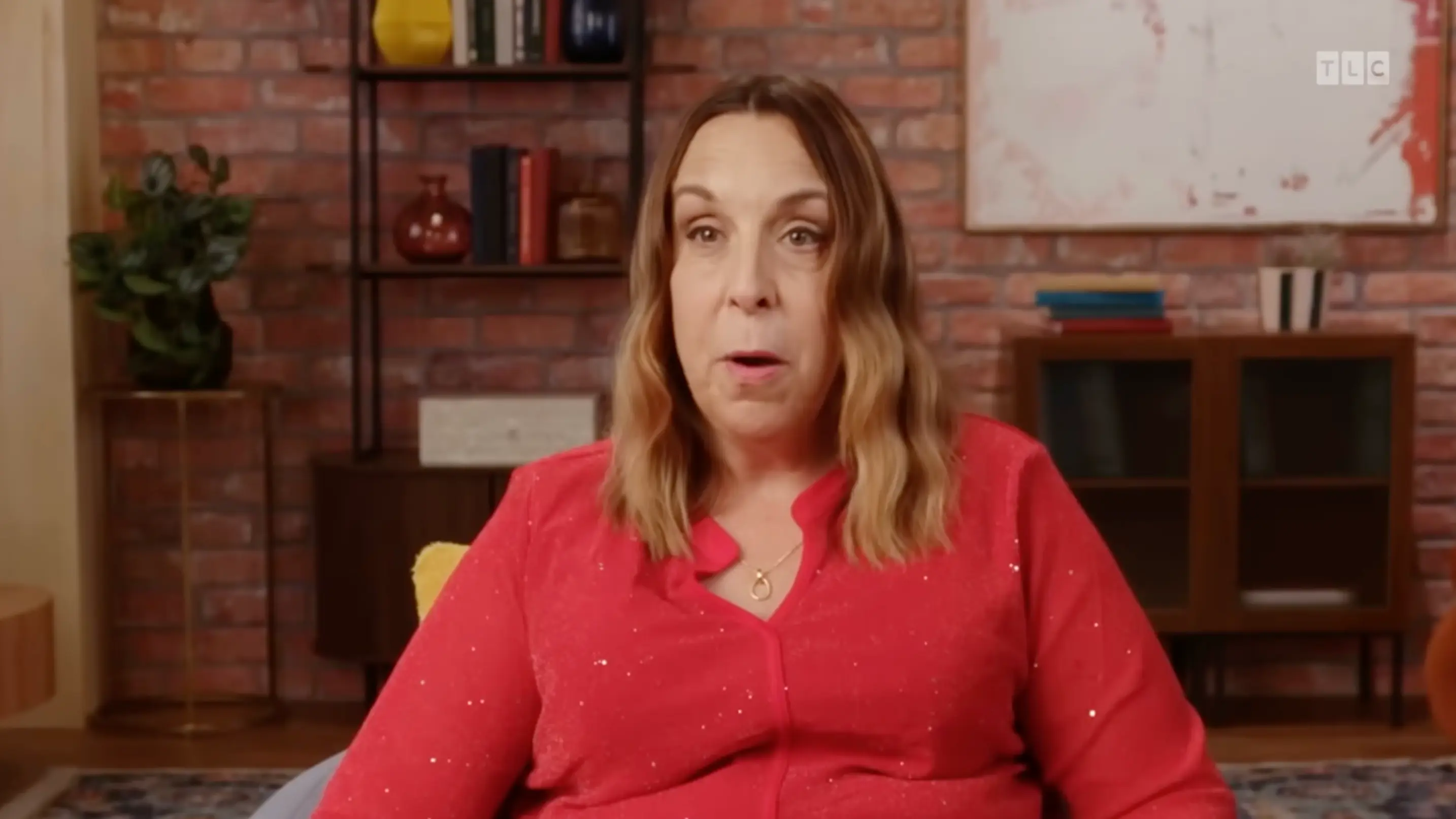
90 Day: The Single Life is TLC’s hit reality television spinoff that follows alumni from the 90 Day Fiancé universe as they rebuild their lives after devastating breakups and divorces. Emphasizing personal reinvention—a true "new season, new you" ethos—the series documents the psychological, emotional, and social hurdles of re-entering the modern dating landscape after major heartbreak.
Understanding the Premise of 90 Day: The Single Life
The 90 Day Fiancé franchise built its reputation on high-stakes international romance, cultural clashes, and the rigid 90-day K-1 visa countdown. However, when those relationships end in divorce, annulment, or bitter separation, cast members face a completely different set of challenges. 90 Day: The Single Life shifts the focus from preserving a problematic marriage to personal recovery, self-discovery, and romantic re-entry.
For long-time viewers, the appeal of the show lies in watching familiar reality television personalities shed their past relationship baggage. Cast members who were previously defined by their toxic dynamics with foreign partners must now face the reality of singlehood. This transition requires them to re-evaluate their communication styles, adjust to contemporary dating norms, and confront personal flaws that contributed to past relationship failures.
The show captures a broad spectrum of post-breakup journeys. Some cast members rush prematurely into speed dating and online apps, while others engage professional matchmakers, seek therapy, or revamp their physical wellness and fashion. By documenting both successful dates and cringeworthy romantic missteps, the series functions as both an entertaining docuseries and a cautionary tale about dating after divorce.
Core Pillars of Personal Transformation: Rebuilding After Breakups
Achieving a genuine "new season, new you" transformation requires more than changing an online dating profile picture. In 90 Day: The Single Life, successful personal reinvention relies on three foundational pillars: emotional healing, structural boundary setting, and identity recovery outside of a partnership.
Pillars of Post-Breakup Reinvention
- Emotional Processing: Unpacking past trauma & triggers
- Structural Boundaries: Cutting toxic ties & managing exes
- Identity Recovery: Rebuilding self-worth & autonomy
1. Processing Past Romantic Trauma
Before entering a new relationship, individuals must address unresolved pain from past partnerships. On the show, cast members who fail to do this internal work consistently repeat past mistakes. Unresolved trust issues, fear of abandonment, and defensive communication patterns quickly surface when dating new candidates, demonstrating that geographic relocations or superficial changes cannot replace genuine emotional processing.
2. Establishing Firm Boundaries with Ex-Partners
A recurring obstacle in 90 Day: The Single Life is the lingering presence of former spouses and long-term exes. Whether due to unresolved financial ties, ongoing co-parenting obligations, or simple emotional dependence, failure to establish clear boundaries prevents new romantic interests from taking root. Reinvention requires defining explicit limits on communication and emotional intimacy with former partners.
3. Re-establishing Individual Identity
Long-term relationships often lead to shared habits, joint social circles, and compromised personal aspirations. A successful personal transformation requires individuals to rediscover their independent interests, career goals, and personal values. When cast members prioritize their own independence before seeking a partner, their self-confidence increases, making them far more attractive to prospective partners.
Modern Dating Dilemmas Highlighted on the Show
Transitioning back into single life presents significant practical challenges, particularly for individuals who have been out of the dating pool for years or decades. 90 Day: The Single Life highlights several key realities of modern romance that apply both on and off screen.
Navigating Digital Dating vs. Professional Matchmaking
Modern dating relies heavily on algorithmic matching, swiping mechanics, and rapid communication via messaging apps. Cast members on 90 Day: The Single Life frequently experience culture shock when adjusting to these digital environments. While dating apps offer high volume, they often yield lower intentionality. Consequently, several cast members turn to professional matchmakers to filter for serious compatibility, background alignment, and mutual commitment goals.
Recognizing Red Flags and Breaking Toxic Patterns
A central theme of the series is pattern recognition. Cast members often realize they possess a "type"—frequently individuals who are emotionally unavailable, geographically distant, or financially dependent. A successful single-life journey requires identifying these warning signs early:
- Love Bombing: Excessive affection, grand promises, or intense pressure early in the dating process.
- Avoidance of Accountability: Reluctance to discuss past relationship endings objectively.
- Incompatible Timeline Expectations: Pushing for rapid cohabitation or marriage before establishing deep trust.
- Boundary Resistance: Reacting negatively when a partner establishes reasonable personal limits.
Comparing Post-Divorce Dating Strategies
The table below contrasts common dating approaches depicted on 90 Day: The Single Life, evaluating their success rates, emotional risks, and practical applications for real-world single adults.
| Dating Approach | Key Characteristics | Primary Advantages | Major Risks & Pitfalls | Ideal Candidate |
|---|---|---|---|---|
| Immediate Rebound Dating | Entering the dating pool immediately after separation. | Fast distraction from grief; temporary confidence boost. | High risk of repeating toxic habits; emotional burnout. | Individuals who have fully processed breakups prior to physical separation. |
| Professional Matchmaking | Utilizing paid specialists for curated, vetted introductions. | Higher intentionality; pre-screened background and values. | Higher financial cost; potential for rigid expectations. | Single adults seeking serious, long-term commitment and marriage. |
| App-Based Swiping | Relying on platforms like Tinder, Bumble, or Hinge. | High volume of potential matches; low initial pressure. | Profile distortion; ghosting; superficial evaluation. | People looking to practice social interaction and casual dating skills. |
| Self-Imposed Dating Hiatus | Pausing all dating to focus on therapy, fitness, and career. | Deep emotional recovery; clarified long-term standards. | Prolonged isolation if not balanced with social connection. | Individuals emerging from abusive, high-conflict, or codependent marriages. |
How to Watch and Follow 90 Day: The Single Life
To follow the latest episodes, cast updates, and seasonal tell-all specials, viewers can access the franchise across multiple official platforms.
- Linear Television: The series airs primarily on the TLC Network, with new episodes typically debuting during primetime evening slots.
- Streaming Services: On-demand access to current and legacy seasons of 90 Day: The Single Life is available via Max and Discovery+. Subscribers can stream episodes simultaneously with broadcast schedules or catch up on past seasons.
- Official Social Channels & Podcasts: Extra scene clips, background commentary, and official casting announcements are regularly published through TLC’s official YouTube channel and verified social media accounts.
Creating Your Own "New Season, New You" Action Plan
Whether inspired by reality television or navigating a personal relationship transition, executing a successful reset requires a deliberate, structured approach.
Step 1: Conduct a Relationship Post-Mortem
Take time to objectively evaluate your previous partnership. Identify what worked, what failed, and what role your own behaviors played in the outcome. Journaling or discussing these points with a licensed mental health professional helps clarify future relationship non-negotiables.
Step 2: Invest in Physical and Mental Self-Care
Focus energy inward before projecting outward. Revamping personal style, prioritizing physical health, updating personal living spaces, and engaging in personal hobbies build genuine self-worth that does not depend on external romantic validation.
Step 3: Audit Your Social Circle and Support System
Surround yourself with friends and family members who encourage healthy choices and honest self-reflection. Avoid social environments that encourage poor coping mechanisms, excessive reliance on exes, or hasty romantic decisions.
Step 4: Define Explicit Dating Criteria
Before opening a dating app or accepting an introduction, outline 3–5 core values you require in a partner (e.g., financial accountability, open communication, shared long-term family goals). Use these criteria strictly to screen out incompatible suitors early.
Step 5: Pace New Relationships Deliberately
Avoid rushing into cohabitation or exclusivity. Take time to observe how a new partner handles conflict, stress, disappointment, and personal boundaries over several months before making long-term commitments.
Frequently Asked Questions
What is the main theme of 90 Day: The Single Life?
90 Day: The Single Life focuses on former cast members from the 90 Day Fiancé franchise as they navigate singlehood, personal healing, modern dating, and new romantic opportunities following major breakups or divorces.
How long should someone wait after a divorce before dating again?
There is no fixed timeline, as emotional recovery varies by individual and relationship intensity. However, mental health professionals generally recommend taking enough time to process grief, regain independent stability, and understand past relationship patterns before re-entering the dating pool.
Are the relationships on 90 Day: The Single Life unscripted?
While producers structure filming locations, schedule group events, and prompt discussion topics, the personal decisions, dating outcomes, arguments, and romantic choices of the cast members reflect their real-life actions and personal relationships.
How can viewers apply lessons from the show to their own lives?
Viewers can use the show to spot common dating red flags, learn the importance of clear communication, recognize unhealthy emotional patterns, and appreciate the value of working on personal growth before starting a new relationship.
Where can I stream all seasons of 90 Day: The Single Life?
All current and past seasons of 90 Day: The Single Life can be streamed on Max and Discovery+, or viewed via linear broadcast and on-demand services through TLC provider subscriptions.
Final Recommendation: Focus on Self-Discovery First
The central lesson of 90 Day: The Single Life is clear: true reinvention cannot be achieved simply by finding a new partner. Lasting personal transformation comes from internal clarity, self-respect, and unyielding personal standards.
If you are entering your own "new season," focus on building a fulfilling, independent life first. Establish strong boundaries, invest in personal growth, and treat dating as an optional addition to an already complete life—not a fix for unresolved pain. When you prioritize self-discovery, you naturally attract partners who value and respect the person you have worked to become.