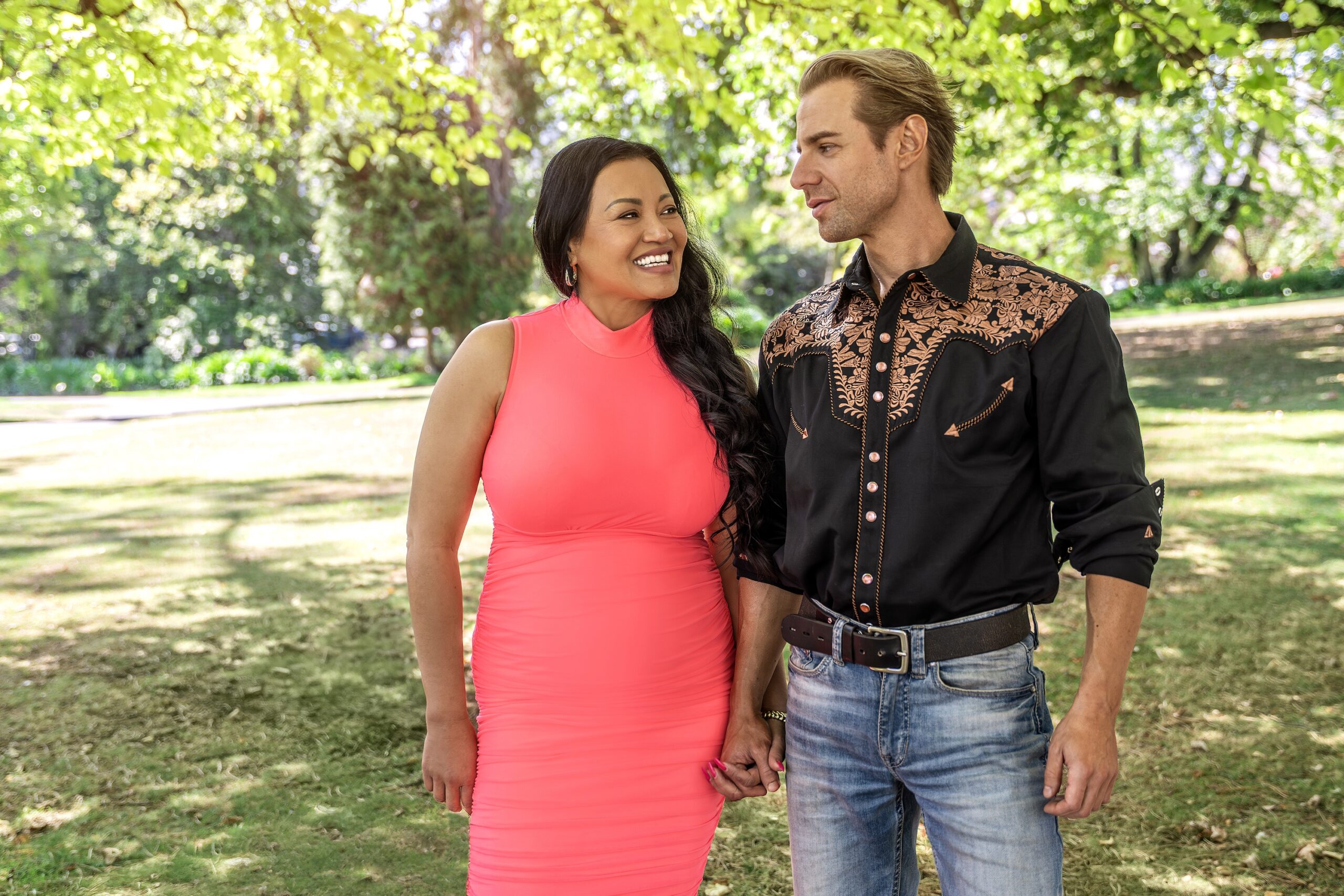
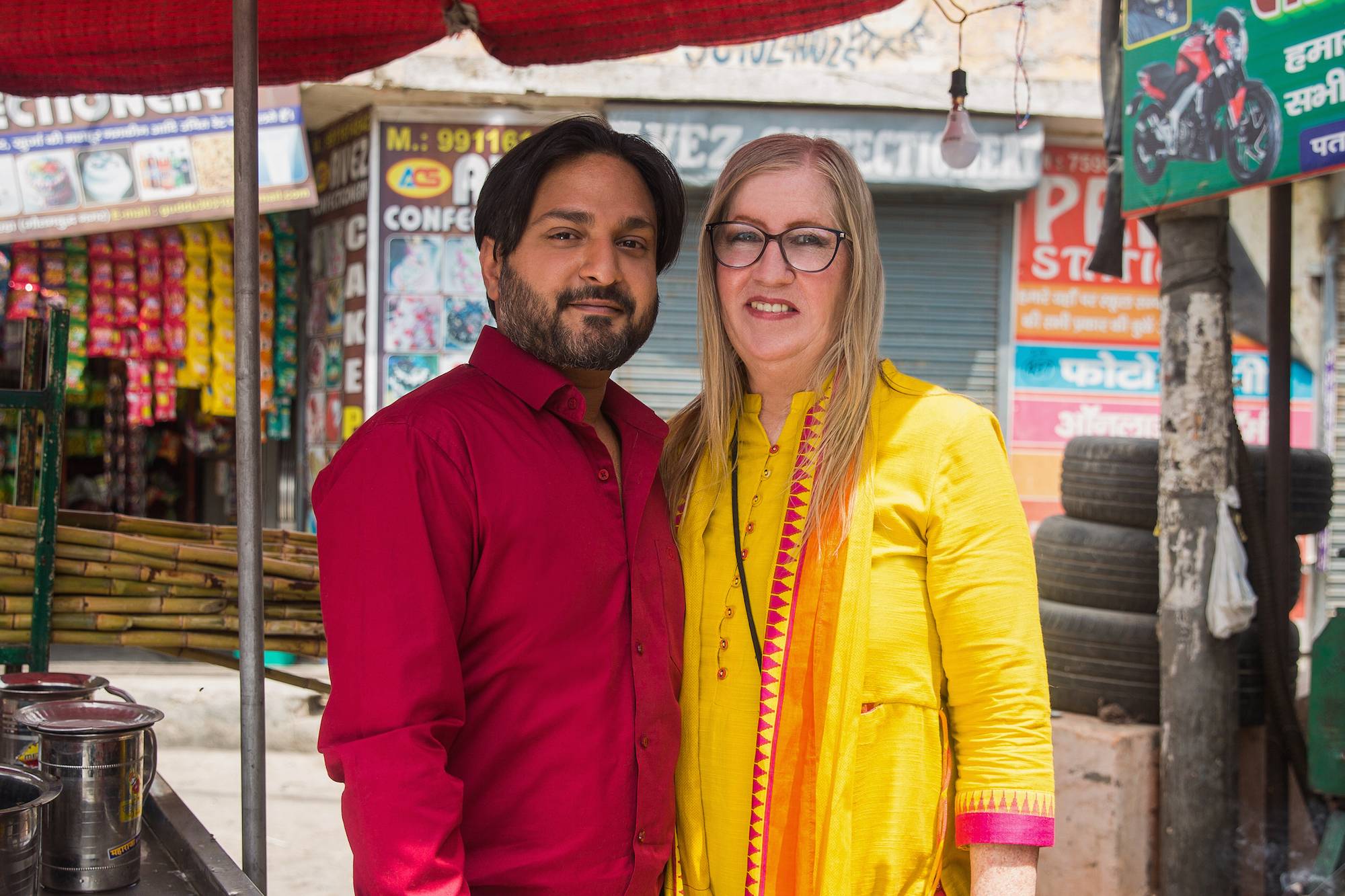
90 Day Fiancé: The Other Way is a popular reality television spin-off on TLC that reverses the traditional 90 Day Fiancé format. Instead of bringing foreign partners to the United States on K-1 fiancé visas, American citizens relocate to their international partners' home countries, navigating complex foreign immigration laws, cultural adjustments, language barriers, and relationship pressures.
How "The Other Way" Redefines the 90 Day Fiancé Franchise
When TLC expanded its hit franchise with 90 Day Fiancé: The Other Way in 2019, it introduced a complete reversal of the structural dynamics seen in the flagship show. In the original series, foreign partners travel to America under the U.S. K-1 nonimmigrant visa, which grants a strict 90-day window for the couple to marry before the foreign partner must leave the country. The Other Way shifts the burden of international relocation onto the American partner, sending citizens across the globe to build lives in countries ranging from India and Colombia to South Africa, Morocco, and the Philippines.
This geographical shift fundamental alters the financial, emotional, and social stakes. In the original series, the American partner remains grounded in their home environment, surrounded by their existing support systems, employment, and primary language. Conversely, on The Other Way, Americans must pack up their lives, sell homes, quit U.S. jobs, and adapt to living in completely foreign societal structures. The series highlights the emotional toll of isolation, as Americans often find themselves relying entirely on their partner for navigation, translation, and financial management until local residency or work permits are established.
The "90-day" parameter in The Other Way also carries a different legal meaning than the U.S. K-1 visa process. Rather than representing a single, standardized national visa deadline, the 90-day timeframe in the spin-off typically refers to standard tourist visa stays, entry permits, or cultural grace periods allowed by host nations. In many episodes, American cast members face a ticking clock to secure legal status, register their presence, or marry within three months to avoid overstaying foreign visa allowances.
Navigating Foreign Visas: The Legal Reality of Moving Abroad
One of the most compelling aspects of 90 Day Fiancé: The Other Way is how it exposes the complex reality of global immigration law. While American passport holders enjoy visa-free entry or visa-on-arrival status in dozens of foreign destinations, short-term tourist entry does not grant permanent residency, lawful employment, or long-term healthcare access. Each host country enforces its own stringent rules regarding immigration, spousal registration, and work authorizations.
Unlike the centralized U.S. Department of Homeland Security framework for K-1 visas, American expats portrayed on the show must navigate diverse international legal frameworks:
- Tourist Stay Limitations: In nations operating under Schengen rules or standard 90-day tourist allowances (such as many European and Latin American countries), Americans can only stay legally for up to 90 days out of any 180-day period. Beyond that window, staying without a temporary residency permit or marital visa results in illegal status, heavy fines, or deportation.
- Employment Restrictions: Holding a tourist visa in almost every foreign country strictly forbids local employment. American cast members who give up remote U.S. jobs or lack independent savings frequently experience financial strain, as they cannot legally earn local income until long-term spousal or residency visas are formally granted.
- Marriage and Civil Registration Laws: Marrying abroad often requires extensive paperwork, including authenticated background checks, proof of single status (Certificates of No Impediment), and certified translations of U.S. vital records. In countries with religious marital legal frameworks, such as Morocco or Jordan, foreign partners may also need to undergo formal conversion ceremonies or prove religious compliance before a marriage is legally recognized.
Understanding these international legal distinctions reveals why relationships on The Other Way face immense friction. The process of moving overseas requires sustained advance planning, host-country legal compliance, and sufficient capital reserves—realities that frequently clash with the fast-paced nature of television production.
Key Themes and Cultural Obstacles Faced by Cast Members
Moving across borders is rarely just a legal ordeal; it is a profound cultural transition. 90 Day Fiancé: The Other Way documents the friction that occurs when Western expectations of romance, personal independence, and living arrangements collide with traditional values in host nations.
- Relocation Prerequisites & Planning
- Legal & Immigration
- Tourist visa limits (e.g. 90 days)
- Spousal visa paperwork
- Foreign work authorization
- Socio-Cultural
- Family living expectations
- Religious & customary norms
- Language acquisition
- Legal & Immigration
- Long-Term Expat Stability
Financial Disparity and Income Limitations
In the standard U.S. K-1 process, the American sponsor is legally required to submit an Affidavit of Support (Form I-864) establishing income at or above 125% of the federal poverty guidelines. In The Other Way, there is no mandatory U.S. federal income threshold, but financial hardship remains a central conflict. Americans who relocate frequently underestimate the cost of establishing a household abroad, purchasing international health insurance, or managing currency exchange fluctuations. Furthermore, foreign spouses may reside in lower-cost-of-living regions where local wages cannot easily support Western spending habits or debts left behind in the United States.
Multi-Generational Living Dynamics
In many Asian, African, and Latin American societies, living arrangements favor extended family households. American cast members accustomed to independent living often face severe culture shock when expected to move in with their partner's parents, grandparents, or extended relatives. Setting personal boundaries around privacy, household chores, and financial contributions often generates friction between the American partner and their new in-laws.
Religious and Social Conversions
Religious customs frequently dictate domestic life, dress codes, and social behavior in host countries. Cast members moving to conservative communities often find themselves asked to convert to a partner's faith, adopt modest dress standards, or adhere to strict gender norms. The show frequently examines whether American partners are willing to surrender individual liberties to honor foreign traditions and family expectations.
K-1 Visa vs. "The Other Way" Relocation Frameworks
The legal, practical, and financial dynamics of moving to the United States differ dramatically from relocating as an American expat abroad. The comparison table below highlights the operational differences between the flagship 90 Day Fiancé model and the reverse relocation format seen in The Other Way.
| Operational Dimension | Standard 90 Day Fiancé (K-1 Visa) | 90 Day Fiancé: The Other Way (Expat Moving Abroad) |
|---|---|---|
| Relocation Direction | Foreign partner moves to the United States | American citizen moves to foreign host country |
| Primary Visa Category | U.S. Nonimmigrant Visa for Fiancé (K-1) | Foreign tourist, temporary resident, or spousal visa |
| Legal Marriage Window | Strict 90 days from arrival in the U.S. | Depends on host country rules (often 30 to 90 tourist days) |
| Work Authorization | Must apply for U.S. Employment Authorization (EAD) | Governed by destination country laws; often prohibited on tourist visas |
| Financial Requirements | U.S. sponsor must meet federal poverty threshold guidelines | No standardized U.S. threshold; depends on foreign income/residency rules |
| Healthcare & Insurance | Managed through U.S. private or employer insurance | Varies; requires expat health insurance or access to host national systems |
| Primary Financial Risk | U.S. sponsor financially bound by Form I-864 legal contract | American partner risks loss of U.S. career, credit, and domestic stability |
How to Watch and Stream 90 Day Fiancé: The Other Way
As a cornerstone of TLC’s unscripted lineup, 90 Day Fiancé: The Other Way is readily available across traditional television broadcasts and major streaming networks. Viewers looking to watch current or past seasons have several viewing options:
- Max (Formerly HBO Max): Subscribed users can stream full seasons of The Other Way on-demand. Episodes for recent seasons typically become available on Max the same day and time they air on linear television.
- Discovery+: As the original streaming home for TLC content, Discovery+ retains the complete archive of 90 Day Fiancé: The Other Way, alongside spin-offs such as Pillow Talk and More to Love extended cuts.
- TLC Network & TLC GO App: Viewers with active cable, satellite, or live TV streaming packages can watch live broadcasts on TLC or log into the TLC GO app using their television provider credentials.
- Live TV Streaming Services: Platforms including Philo, Sling TV, Hulu + Live TV, YouTube TV, and Fubo carry TLC in their channel lineups, permitting subscriber access to live broadcasts and cloud DVR recordings.
- Digital Video Purchases: Individual episodes and full season passes can be purchased digitally through storefronts such as Amazon Prime Video, Apple TV, Google TV, and Vudu.
Application and Casting: What It Takes to Be on the Show
The casting process for 90 Day Fiancé: The Other Way is managed by specialized unscripted casting agencies working alongside Sharp Entertainment and TLC. Casting producers search specifically for real international couples facing an imminent cross-border move.
Mandatory Eligibility Criteria
- Proof of Genuine Relationship: Applicants must demonstrate an established, authentic romantic connection with an international partner. Producers verify communication histories, travel documentation, and shared visits to confirm the legitimacy of the relationship.
- Imminent Relocation Timeline: The American partner must be actively planning to move permanently—or long-term—to their partner's home country within the production timeframe.
- Background Checks & Legal Vetting: Both partners must submit to comprehensive background checks, psychological evaluations, and identity verification performed by the production company.
- Media Availability & Permits: Both individuals must agree to permit camera crews into their homes, workplaces, and personal lives, as well as obtain necessary local filming permissions where required.
Couples interested in applying usually submit audition tapes and application forms directly through official casting notices published by Sharp Entertainment or dedicated TLC casting portals.
Frequently Asked Questions
Do couples on 90 Day Fiancé: The Other Way actually have to marry within 90 days?
Not always. While the show uses the 90-day concept to align with the overarching franchise brand, the actual legal deadline depends on the host nation's immigration policies. Some countries grant 90-day tourist visas during which couples must either marry, apply for long-term residency, or leave the country, whereas other nations permit different entry durations.
Are cast members paid for appearing on the show?
Yes, cast members receive payment, but distribution rules vary. For scenes filmed inside the U.S., American cast members receive a per-episode appearance fee from the production company. However, foreign partners filming in their home countries may be subject to local work permit laws and entertainment labor regulations, which can affect how and whether foreign talent can be paid directly by American production entities.
Where is 90 Day Fiancé: The Other Way filmed?
The series is filmed on location across the world, depending on where featured couples reside. Filming locations have spanned dozens of countries across Latin America, Asia, Europe, Africa, and the Caribbean, including Mexico, Colombia, India, South Africa, the Philippines, Ethiopia, Morocco, and Ecuador.
Is 90 Day Fiancé: The Other Way scripted?
The series is unscripted reality television, meaning the cast members are real people navigating genuine international relationships and visa processes. However, as is standard in unscripted television, production editors curate storylines, plan filming schedules, and sometimes ask cast members to repeat conversations or discuss specific topics to ensure clear narrative structure for viewers.
Key Considerations for prospective Expats Inspired by the Show
For viewers considering an international move similar to the couples featured on 90 Day Fiancé: The Other Way, thorough legal and financial preparation is essential. Moving abroad requires far more than packing bags and securing a round-trip plane ticket.
Before committing to a long-term relocation overseas, ensure you complete these foundational steps:
- Consult Local Immigration Authorities: Research the precise visa requirements of your destination nation through official embassy or consulate portals before departure. Never rely exclusively on tourist visas if your long-term goal is spousal residency or foreign employment.
- Secure Remote or Local Legal Income: Ensure you understand host-country employment regulations. If you intend to work remotely for a U.S. employer while living abroad, verify tax obligations under foreign tax codes and double-taxation treaties.
- Establish Comprehensive International Insurance: Standard U.S. health insurance plans rarely cover extended medical care abroad. Acquire dedicated expatriate health insurance to cover emergency care, hospitalization, and potential repatriation.
- Build a Contested-Exit Reserve Fund: Maintain an independent financial emergency fund in a U.S. bank account. Having liquid savings ensures that if living arrangements or relationships abroad fail, you possess the immediate means to secure emergency transit and housing back home.