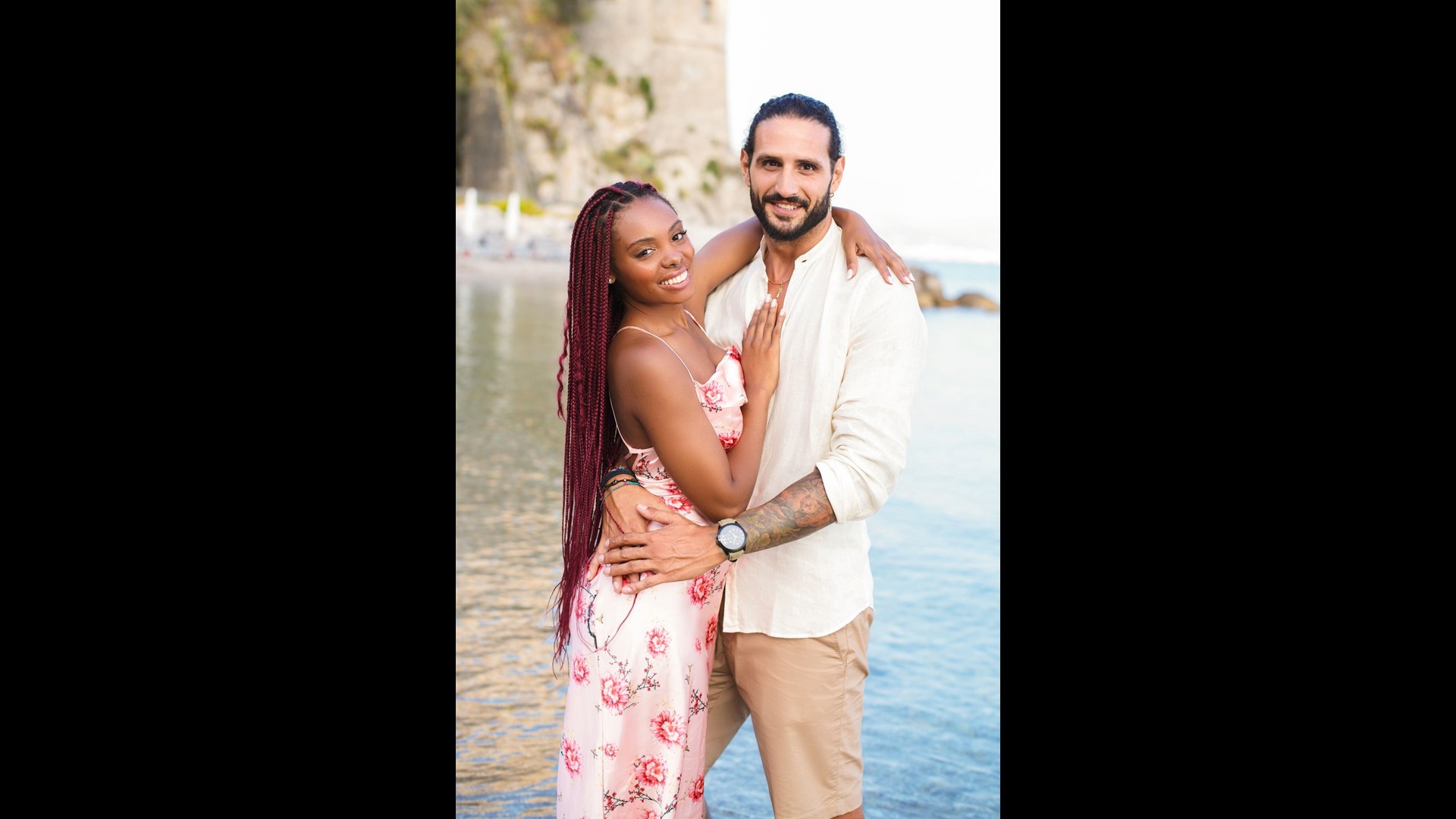
90 Day: Love in Paradise is a popular spin-off of TLC's hit reality franchise 90 Day Fiancé. The series follows American citizens who fell in love with foreign nationals while visiting tropical destinations, documenting their struggles to transition casual resort romances into permanent international relationships, legal visas, and real-world commitments.
The Evolution of 90 Day: Love in Paradise in the Franchise
When TLC expanded its reality television universe, 90 Day: Love in Paradise (originally launched as A Caribbean Love Story in its debut season) carved out a distinct niche within the broader 90 Day Fiancé ecosystem. Premiering initially on Discovery+ before making its way to linear television on TLC, the series shifts the primary geographic and emotional backdrop from domestic suburbs and urban transit hubs to sun-drenched beaches, coastal resorts, and tropical islands.
The core premise addresses a specific cultural phenomenon: the vacation romance. Millions of travelers experience heightened romantic emotions while detached from their everyday routines, obligations, and financial stresses. 90 Day: Love in Paradise tests whether emotional bonds forged in paradise can withstand the unyielding realities of distance, cultural disparities, language barriers, and legal immigration processes.
Unlike the flagship 90 Day Fiancé show, which typically begins when a foreign partner arrives in the United States on a K-1 visa, Love in Paradise often captures relationships at an earlier, more volatile stage. The cameras track the American partner returning to their loved one's home country—frequently locations in the Caribbean, Central America, or South America—to evaluate whether their sun-soaked chemistry holds up under normal life conditions.
- Initial Vacation / Meeting: Documented in "Love in Paradise"
- Relationship Evaluation: In-person visits, foreign residence tests
- Visa Application Process: Transition to "90 Day Fiancé: Before the 90 Days"
- K-1 Visa Approval & Arrival: Core "90 Day Fiancé" Series
- Post-Marriage Status: "90 Day Fiancé: Happily Ever After?"
How Love in Paradise Differs from the Core 90 Day Fiancé Series
Understanding where 90 Day: Love in Paradise fits within the broader reality TV landscape requires examining its unique narrative structure and production focus. While the original series relies heavily on the strict 90-day countdown imposed by the United States Citizenship and Immigration Services (USCIS) K-1 nonimmigrant visa, Love in Paradise operates under a less rigid timeframe, prioritizing emotional compatibility tests over immediate legal deadlines.
Setting and Atmosphere
The visual tone of Love in Paradise relies heavily on resort aesthetic contrast. Episodes showcase scenic island vistas, turquoise waters, and vibrant nightlife juxtaposed against intimate conversations about monthly incomes, child-rearing expectations, and employment realities. This environment creates a psychological dissonance for the participants, who frequently struggle to separate their holiday mindset from serious life planning.
Financial and Cultural Asymmetries
A recurring theme throughout the series is the stark economic disparity between visiting Americans and local residents in tourism-driven economies. The show frequently examines the concept of "sankey-pankey" or resort romance workers, forcing participants and viewers alike to question whether a partner's affection is genuine or driven by a desire for financial security and relocation. These dynamics generate intense family conflict, as relatives in the U.S. often express skepticism regarding the foreign partner's true intentions.
Relationship Status at Filming
In the flagship series, couples are already engaged and actively preparing for a wedding inside the United States. In contrast, couples featured on Love in Paradise are often uncommitted, navigating unplanned pregnancies, or deciding for the first time whether to formalize their partnership through official visa applications.
Season Breakdown and Memorable Couple Dynamics
Across its multiple seasons, 90 Day: Love in Paradise has produced some of the most discussed storylines in the franchise, several of which migrated into other spin-offs like 90 Day Fiancé: The Other Way and 90 Day Fiancé: Happily Ever After?.
| Region / Location | Primary Conflict Factors | Common Visa Pathways |
|---|---|---|
| Caribbean Islands (Jamaica, DR) | Resort worker dynamics, Income gaps, Family distrust | Tourist Visas, K-1 Fiance Visas |
| Central America (Costa Rica, Panama) | Lifestyle differences, Co-parenting across borders | CR-1 Spousal Visas, Relocation (The Other Way) |
| South America (Colombia, Brazil) | Cultural norms, Language barriers, Long-term residency | K-1 Visas, Work Authorization |
Deavan and Yohan (Dominican Republic)
One of the most noteworthy couples introduced in the series was Daniele Gates and Yohan Geronimo. Their storyline began in the Dominican Republic, where Daniele, a New York yoga instructor, fell in love with Yohan, a hotel fitness instructor. Their arc highlighted severe financial misunderstandings and personal lifestyle clashes, ultimately leading to their transition onto 90 Day Fiancé: The Other Way when Daniele decided to move to the Dominican Republic permanently rather than bring Yohan to America.
Sherlon and Aryanna (Jamaica)
Aryanna, an American tourist, became pregnant during a vacation romance with Sherlon, a tour guide and boat operator in Jamaica. Their journey focused heavily on the challenges of unexpected international co-parenting, the emotional toll of long-distance communication, and the complex decisions surrounding whether a father should relocate to a country he has never visited.
Carlos and Vaida (Colombia)
Representing the franchise's expanding LGBTQ+ representation, Carlos and Vaida navigated cultural expectations, family acceptance, and personal boundaries in Colombia. Their dynamic highlighted how societal norms in a partner's home country can impact relationship progression, adding layer upon layer of complexity beyond standard communication barriers.
Vacation Romance vs. Visa Reality: Legal and Financial Strains
Behind the dramatic editing and picturesque scenery, 90 Day: Love in Paradise depicts genuine legal and administrative challenges. Moving a relationship from an informal tropical courtship to a legal immigration pathway involves significant regulatory hurdles governed by federal immigration authorities.
The Tourist Visa Limitation
Many cast members initially explore bringing their foreign partner to the United States on a standard B-2 tourist visa so they can test cohabitation in America before committing to marriage. However, U.S. consular officials frequently deny B-2 visas to individuals from developing nations who have romantic ties to U.S. citizens, citing a high risk of immigrant intent under Section 214(b) of the Immigration and Nationality Act.
The K-1 Visa Process
When couples decide to proceed legally, they typically apply for a K-1 Fiance Visa. This process requires:
Proof of In-Person Meeting: Demonstrating that the couple met in person within the two years prior to filing the petition.
Financial Sponsorship: The U.S. citizen must meet income thresholds defined by the Federal Poverty Guidelines to guarantee financial support for the foreign national.
Intent to Marry: Submitting evidence that the couple intends to marry within 90 days of the foreign partner's entry into the United States.
Step 1: In-Person Meeting: Vacation / Resort Encounter
Step 2: Petition Filing: Form I-129F (K-1) or Form I-130 (CR-1)
Step 3: USCIS Processing: Document Verification & Background Checks
Step 4: Consular Interview: Foreign Embassy Interview & Medical Exam
Step 5: U.S. Entry: 90-Day Marriage Window Begins
Economic Disparities and Financial Dependency
The transition from vacationing to real life often exposes severe economic disparities. In many tourist-heavy regions featured on the show, local wages are significantly lower than average American incomes. When foreign partners move to the United States or prepare for immigration, they are legally prohibited from working until receiving employment authorization (EAD). This temporary period of total financial dependency places heavy strain on the American partner's finances and alters the power dynamic within the relationship.
Comparing 90 Day Franchise Spin-Offs
To help viewers understand where 90 Day: Love in Paradise fits within the broader universe, the following table compares key characteristics across the major spin-off series.
| Franchise Series | Primary Location | Primary Relationship Stage | Key Legal Focus | Main Dramatic Tension |
|---|---|---|---|---|
| 90 Day Fiancé | United States | Engaged (K-1 Visa Issued) | K-1 Visa 90-Day Clock | Wedding Planning & U.S. Assimilation |
| Before the 90 Days | International | Early Dating / Unmet Online | Initial Visa Planning | First In-Person Meetings & Trust |
| Love in Paradise | Resort / Tropical | Post-Vacation / Fling Transition | Tourist vs. K-1 Options | Vacation Mindset vs. Financial Reality |
| The Other Way | International | Moving Abroad / Married | Foreign Residency / Work | American Relocation & Culture Shock |
| Happily Ever After? | Global / U.S. | Post-Wedding | Green Card / Adjustment | In-laws, Marriage Longevity, Careers |
Where to Stream 90 Day: Love in Paradise
For viewers looking to watch current or past seasons of 90 Day: Love in Paradise, the show is widely accessible across multiple streaming networks and cable platforms. Distribution rights are handled by Warner Bros. Discovery.
Streaming Services
- Max (formerly HBO Max): Offers full seasons on-demand, including premiere episodes aligned with network broadcasts.
- Discovery+: The original home of the series, containing the complete library of all seasons and related franchise spin-offs.
- TLC GO: Available for users with valid cable or satellite login credentials to stream recent episodes on-demand.
Live TV and Digital Purchase
Viewers without traditional cable can watch episodes live or on-demand through live-TV streaming packages such as Philo, Sling TV, YouTube TV, and Hulu + Live TV. Individual seasons and episodes can also be purchased digitally through services such as Amazon Prime Video, Apple TV, and Google TV.
Frequently Asked Questions
Is 90 Day: Love in Paradise scripted?
No, the series is unscripted reality television. However, like most production in the genre, producers utilize structured filming environments, intentional interview prompts, and selective editing to highlight dramatic tension and narrative arcs.
What was the original name of 90 Day: Love in Paradise?
The show initially premiered under the title 90 Day: Love in Paradise: The Caribbean during its first season on Discovery+, focusing exclusively on couples in Caribbean destinations before expanding to tropical regions globally in later seasons.
Do couples on Love in Paradise actually get married?
Some do, while others break up before filing legal paperwork. Several successful couples have gone on to marry and appear on follow-up spin-offs like 90 Day Fiancé: The Other Way or the main 90 Day Fiancé series.
How do producers select couples for Love in Paradise?
Production casting calls search for American citizens involved in international long-distance relationships where the initial meeting occurred while traveling in tropical, resort, or island destinations.
Can foreign partners on the show work immediately upon entering the U.S.?
No. Foreign partners entering the U.S. on a K-1 visa cannot work legally until they marry their U.S. sponsor, file for Adjustment of Status (Form I-485), and receive an Employment Authorization Document (EAD) from USCIS, a process that usually takes several months.
Actionable Viewing and Context Advice
For viewers analyzing international relationship dynamics or evaluating reality TV media, 90 Day: Love in Paradise serves as a practical case study in the complexities of cross-border courtships. If you are researching international dating or preparing for an international visa process of your own:
- Distinguish Fantasy from Legal Practice: Understand that reality television highlights extreme relationship outcomes. Consult official government resources like the U.S. Department of State or USCIS for actual immigration requirements rather than relying on television timelines.
- Track the Narrative Progression: Watch Love in Paradise alongside Before the 90 Days to see how initial resort interactions evolve before formal visa petitions are filed.
- Verify Official Streaming Availability: Use established platforms like Max or Discovery+ to access complete, unedited episodes and companion commentary shows like Pillow Talk.