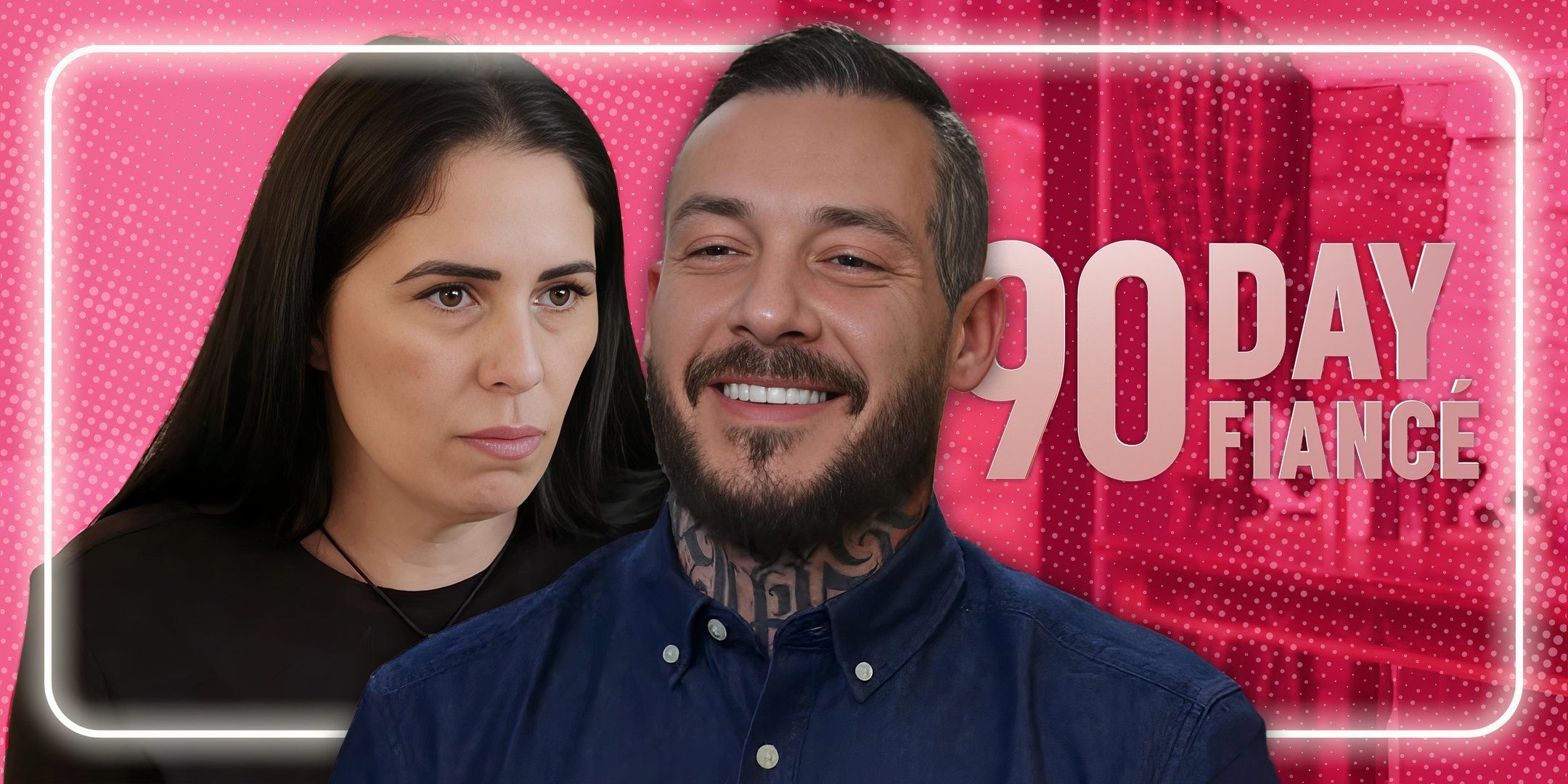
90 Day Fiancé: The Other Way reverses the traditional reality television immigration premise by following American citizens who move across the globe to live in their foreign partners' home countries. Navigating local residency permits, deep cultural shifts, financial readjustments, and intense family dynamics, cast members risk their livelihoods for international relationships across a expanding universe of franchise spin-offs.
Core Premise: How 'The Other Way' Flips the K-1 Visa Dynamic
The flagship TLC show 90 Day Fiancé relies on the strict legal clock of the U.S. K-1 nonimmigrant visa, which grants foreign fiances of American citizens 90 days to marry upon entering the United States. 90 Day Fiancé: The Other Way completely upends this central framework. Instead of foreign partners coming to America, the American partner packs up their life to move abroad permanently—or at least indefinitely—to join their significant other.
This structural flip changes the legal, economic, and emotional pressures on the couple:
- Absence of a Universal 90-Day Legal Deadline: Unlike the American K-1 visa rule, foreign visa requirements depend entirely on the host country's immigration laws. Some Americans enter on standard tourist visas (often valid for 30 to 90 days), while others apply for retirement, student, digital nomad, or prospective spouse visas. The urgency often stems from tourist visa expiration dates rather than a strict federal wedding requirement.
- Reversed Vulnerability: In the main series, foreign partners face isolation due to language barriers, lack of work authorization, and dependence on their U.S. sponsor. In The Other Way, the American partner experiences this isolation. They become the reliant party, often unable to work legally in the foreign market, unfamiliar with local customs, and disconnected from their support networks.
- drastic Financial and Lifestyle Adjustments: Moving from the U.S. to a developing nation or a region with a significantly lower cost of living often alters couple power dynamics. While U.S. currency may stretch further in places like Southeast Asia, Latin America, or Africa, the American partner frequently struggles with local infrastructure, lower standard wage potential, and strict employment regulations.
Navigating International Relocation: Recurring Themes and Storyline Dynamics
Throughout its multi-season run, 90 Day Fiancé: The Other Way has established clear narrative archetypes. While each couple brings unique personal histories, their storylines typically pivot on predictable, high-stakes pressure points.
- American Partner Moves Abroad
- Legal & Visa Stress
- Tourist visa limits
- Work authorization delays
- Local bureaucracy
- Cultural Friction
- Language barriers
- Religious conversions
- Joint family living
- Legal & Visa Stress
- Relationship Outcome (Marriage or Return)
1. Cultural, Religious, and Family Friction
One of the primary drivers of drama on The Other Way is the culture shock experienced by the American partner upon arrival. Storylines frequently involve Americans moving into conservative, deeply religious, or multi-generational households without fully grasping local social norms.
Common friction points include:
- Modesty and Social Norms: Conflicts often arise over dress codes, public displays of affection, and alcohol consumption, particularly when American cast members move to traditional communities in the Middle East, South Asia, or North Africa.
- Religious Expectations: Several storylines center on an American partner being asked to convert to their partner's faith (such as Islam or Hinduism) or follow strict religious codes to receive parental approval for marriage.
- Multi-Generational Living Arrangements: Living under the same roof as extended family—and submitting to the authority of matriarchs or patriarchs—frequently creates friction for independent American cast members accustomed to separate nuclear households.
2. Employment Restrictions and Financial Dependency
Economic realities heavily influence the success or failure of international relocations. Americans moving abroad frequently discover that their U.S. qualifications do not easily transfer, or that local labor laws restrict foreign nationals from gaining local employment.
Unless the American partner works remotely as an independent contractor or digital nomad, they often face total financial reliance on their local partner—who may be earning local wages that cannot sustain an American standard of living. This imbalance regularly fuels conflicts over housing, daily budgets, and long-term planning.
3. Bureaucracy and Expatriate Legal Hurdles
While the U.S. K-1 process is complex, foreign immigration systems present their own unique hurdles. Storylines often feature partners navigating complex marital permissions, background checks, document translation, and long administrative delays. In several instances, Americans discover too late that their foreign partner has ongoing legal complications, active prior marriages, or unfulfilled financial obligations in their home country.
Memorable Cast Lineups and Key Storyline Patterns
90 Day Fiancé: The Other Way has featured dozens of couples across its seasons. Certain couples have become cornerstone figures of the franchise, showcasing how distinct relationship archetypes unfold over time.
| Couple | Country of Relocation | Primary Storyline Focus | Long-Term Franchise Trajectory |
|---|---|---|---|
| Jenny Slatten & Sumit Singh | India | Major age gap, secret prior marriage, family opposition | Transitioned across multiple seasons; eventually married; featured on franchise updates |
| Kenneth Niedermeier & Armando Rubio | Mexico | Same-sex romance in conservative region, family acceptance, parenting choices | Fan-favorite couple; expanded into fan-reaction spin-offs (Pillow Talk) |
| Daniele Gates & Yohan Geronimo | Dominican Republic | Financial disputes, island vs. city lifestyle expectations, trust issues | Featured across multiple seasons; high-conflict marital breakdowns |
| Deavan Clegg & Jihoon Lee | South Korea | Unplanned pregnancy, financial instability, severe cultural miscommunications | Split; high-profile custody and personal disputes covered across spin-off formats |
| Brandan DeNuccio & Mary Demasu-ay | Philippines | High-intensity remote surveillance, financial hardship, local village integration | Transitioned to rural living, parenthood, and ongoing community integration |
Long-Haul Relationships vs. Rapid Collapses
The show broadly splits cast members into two categories:
- The Resilient Expatriates: Couples like Kenny and Armando or Jenny and Sumit demonstrated long-term commitment despite severe initial obstacles (such as regional stigma against LGBTQ+ couples or intense parental disapproval in India). These couples often adapt to their partner's local culture and become steady mainstays of the franchise.
- The High-Conflict Impasses: Other couples suffer from impulsive decision-making, moving abroad without researching local living conditions, financial realties, or legal permissions. Couples in this category often face swift breakups, with the American partner returning to the U.S. within a single season.
The Franchise Ecosystem: How 'The Other Way' Connects to Spin-Offs
90 Day Fiancé: The Other Way does not exist in a vacuum; it acts as an incubator for TLC's broader reality TV ecosystem. Successful couples and standout single alumni routinely cycle through a network of secondary shows.
- 90 Day Fiancé: The Other Way
- Pillow Talk (Reaction format)
- Happily Ever After? (Marital continuation)
- The Single Life (Post-breakup dating)
- The Tell All (Post-season reunions)
Key Spin-Offs Featuring 'The Other Way' Cast
- 90 Day Fiancé: The Tell All: Every season concludes with a multi-part studio reunion host by Shaun Robinson. These episodes bring cast members together via video link and in-person panels to resolve unaddressed secrets, confront internet rumors, and reveal their current relationship status.
- 90 Day Fiancé: Pillow Talk: A popular secondary format where former cast members and fan favorites watch and react to current episodes of The Other Way from their homes. Landing a spot on Pillow Talk allows alumni to maintain active viewer engagement without filming a full narrative storyline.
- 90 Day Fiancé: Happily Ever After?: When a couple from The Other Way successfully marries—or decides to move back to the United States together—they often transition to this flagship continuation series, which documents the ongoing challenges of married life.
- 90 Day: The Single Life: If a couple from The Other Way breaks up, the single American partner (and occasionally the foreign partner) may be cast on The Single Life. This series tracks alumni as they re-enter the dating pool in their home countries.
- 90 Day Fiancé: Love in Paradise: A companion series under the franchise umbrella focusing on tropical romances. Characters frequently cross over between Love in Paradise and The Other Way when island flings turn into permanent relocation plans.
Critical Viewer Considerations: Production Realities and Media Literacy
When following the storylines and cast arcs of 90 Day Fiancé: The Other Way, viewers should evaluate the content through an informed media-literacy lens.
Editing and Storyline Condensation
Reality television relies on narrative arcs built during the editing process. Producers shoot hundreds of hours of footage per couple, which is condensed into selective 10-to-15-minute segments per episode. Conflict is naturally prioritized over quiet domestic stability. Arguments over language barriers, local food, or family customs are often highlighted to emphasize culture shock.
Social Media Timelines vs. Broadcast Schedules
Because episodes are filmed months before airing, cast members' actual lives are usually far ahead of what is shown on television. It is common for couples to have moved, split up, or married long before the season finale airs. Following cast members on social media platforms can reveal current updates, though networks strictly enforce non-disclosure agreements (NDAs) to prevent cast members from spoiling season outcomes ahead of broadcast dates.
Essential Viewing Guide: Where to Stream and How to Catch Up
For viewers seeking to dive into 90 Day Fiancé: The Other Way and its connected ecosystem, the franchise is widely accessible across traditional cable and digital streaming platforms:
- Primary Cable Network: TLC airs new episodes during primary evening broadcast slots.
- Streaming Platforms: Seasons of The Other Way, along with Pillow Talk and reunion specials, stream on demand via Max and Discovery+.
- Digital Purchase: Individual episodes and full season passes are typically available through digital storefronts including Amazon Prime Video, Apple TV, and Google TV.
To get the most out of the series, new viewers should begin with Season 1 of The Other Way to understand the fundamental shift from the original K-1 visa format, then follow standout couples into their respective Tell All specials and Pillow Talk commentary seasons.
Frequently Asked Questions
How does 90 Day Fiancé: The Other Way differ from the original 90 Day Fiancé?
In the original show, foreign partners apply for a K-1 visa to enter the United States and must marry their American sponsor within 90 days. In The Other Way, the American partner relocates to their foreign partner's home country, where they must navigate local immigration laws, cultural adjustments, and financial stability without the U.S. visa framework.
Do couples on The Other Way have to get married within 90 days?
Not necessarily. The 90-day rule specifically applies to the U.S. K-1 visa. On The Other Way, the timeframe is dictated by the tourist visa limits, temporary residence rules, or marriage laws of the destination country, which vary significantly from 30 days to several months or years.
What happens if an American partner cannot legally work in the foreign country?
In many destination countries, foreign citizens entering on tourist or prospective spouse visas cannot work legally. The American partner must either rely entirely on their foreign partner's income, rely on savings, or work remotely for U.S.-based companies if local laws allow digital nomad arrangements.
Are the couples on The Other Way real, or is the show scripted?
The couples and their basic legal situations are real. However, like most reality television formats, producers edit footage for dramatic effect, encourage specific conversations, and structure scenes to emphasize cultural clashes and emotional tensions.
What is Pillow Talk: The Other Way?
Pillow Talk is a reaction-based spin-off show. Former 90 Day Fiancé cast members watch current episodes of The Other Way from their homes and offer candid commentary, humor, and critiques on the new cast members' choices.
How can cast members transition to 90 Day: The Single Life?
If a couple featured on The Other Way breaks up, the network may invite the American cast member (or their foreign partner) to join 90 Day: The Single Life. That series documents their efforts to re-enter the dating world after their international relationship ends.
Recommended Next Steps for Viewers
To fully navigate the 90 Day Fiancé: The Other Way universe, start by establishing an orderly viewing approach:
- Select Your Entry Point: Start with Season 1 of The Other Way for iconic foundational storylines (such as Jenny & Sumit), or jump into the most recent season on Max or Discovery+ to engage with current pop culture conversations.
- Pair Episodes with Pillow Talk: Watch each main episode alongside its corresponding Pillow Talk installment to get useful context and lighthearted breakdown from franchise veterans.
- Track Official Updates via Reunion Specials: Always watch the multi-part Tell All specials at the end of each season; these specials clarify legal statuses, confirm breakups, and reveal which couples are moving on to secondary spin-offs like Happily Ever After?.