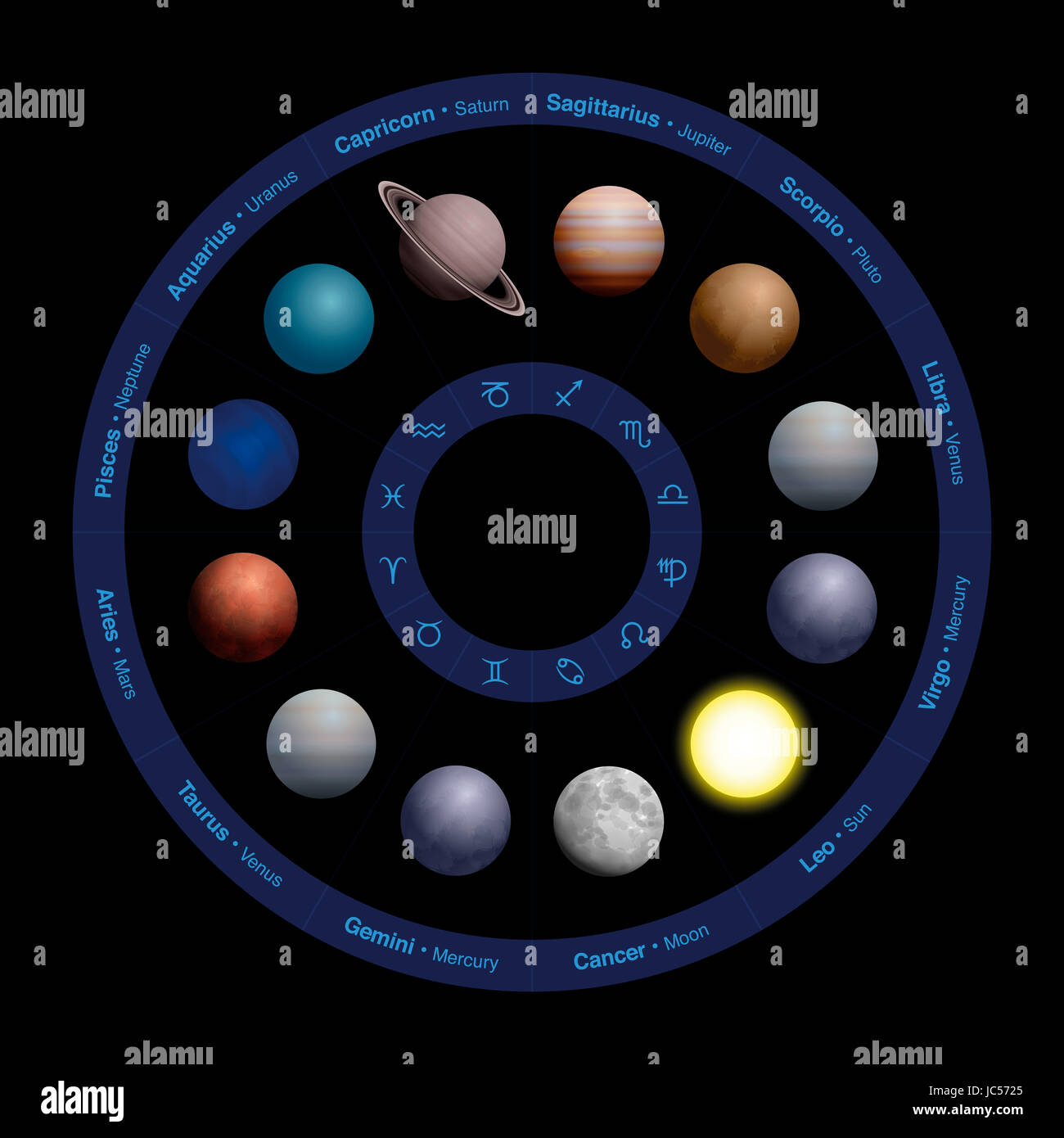
In astrology, the nine fundamental planetary bodies—traditionally encompassing the Sun, Moon, Mercury, Venus, Mars, Jupiter, Saturn, and the two lunar nodes, Rahu and Ketu—govern specific psychological drives, life domains, and karmic lessons. Each celestial body acts as a cosmic lens, refracting universal energy into distinct personality traits, behavioral patterns, and life experiences within a birth chart.
Understanding Planetary Energies in Astrology
To interpret an astrological birth chart accurately, one must first understand that planets represent the primary dynamic forces of the horoscope. While the zodiac signs describe how energy manifests and the houses indicate where in life that energy plays out, the planets represent the core what—the underlying psychological motivations and cosmic drivers behind human behavior.
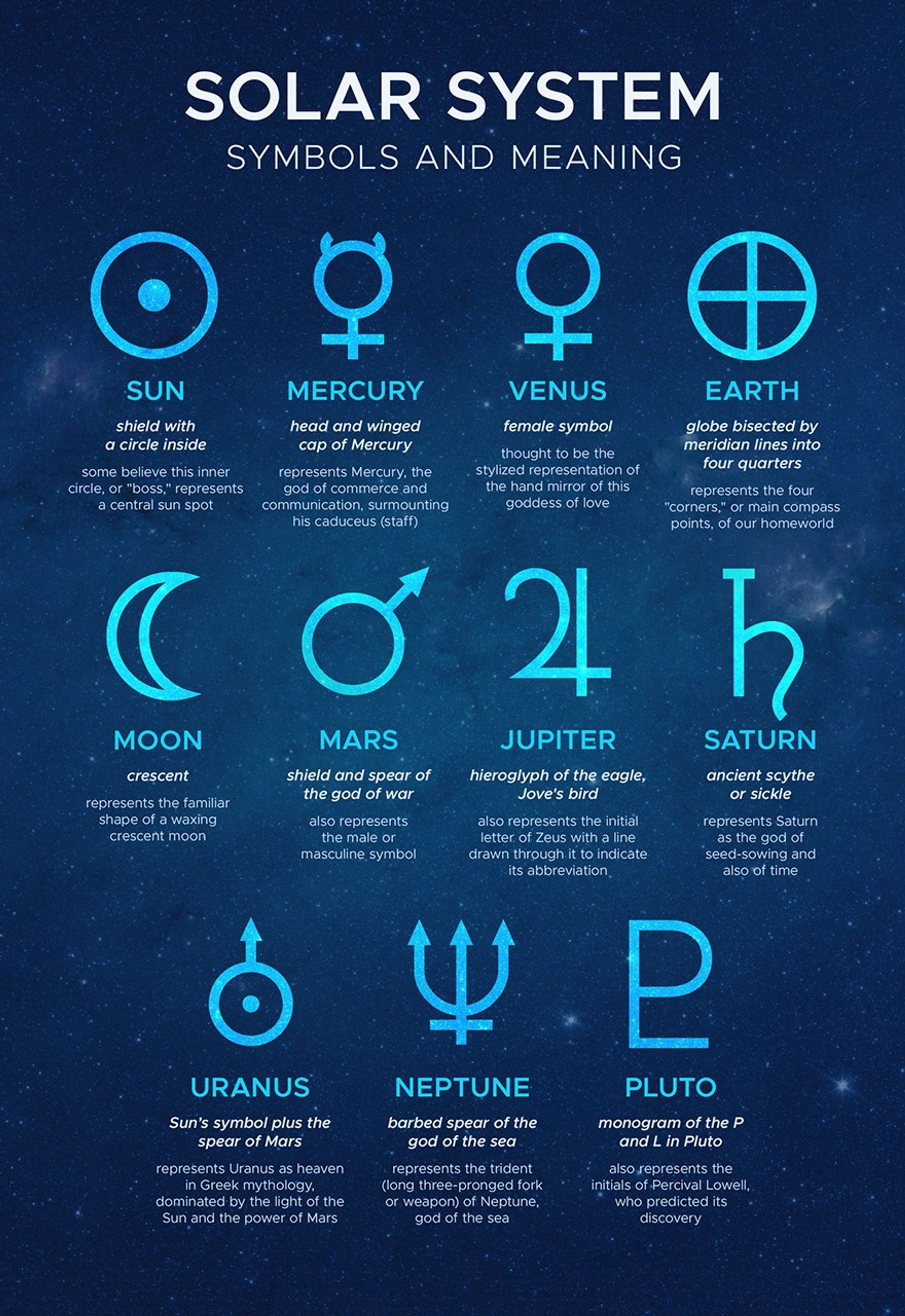
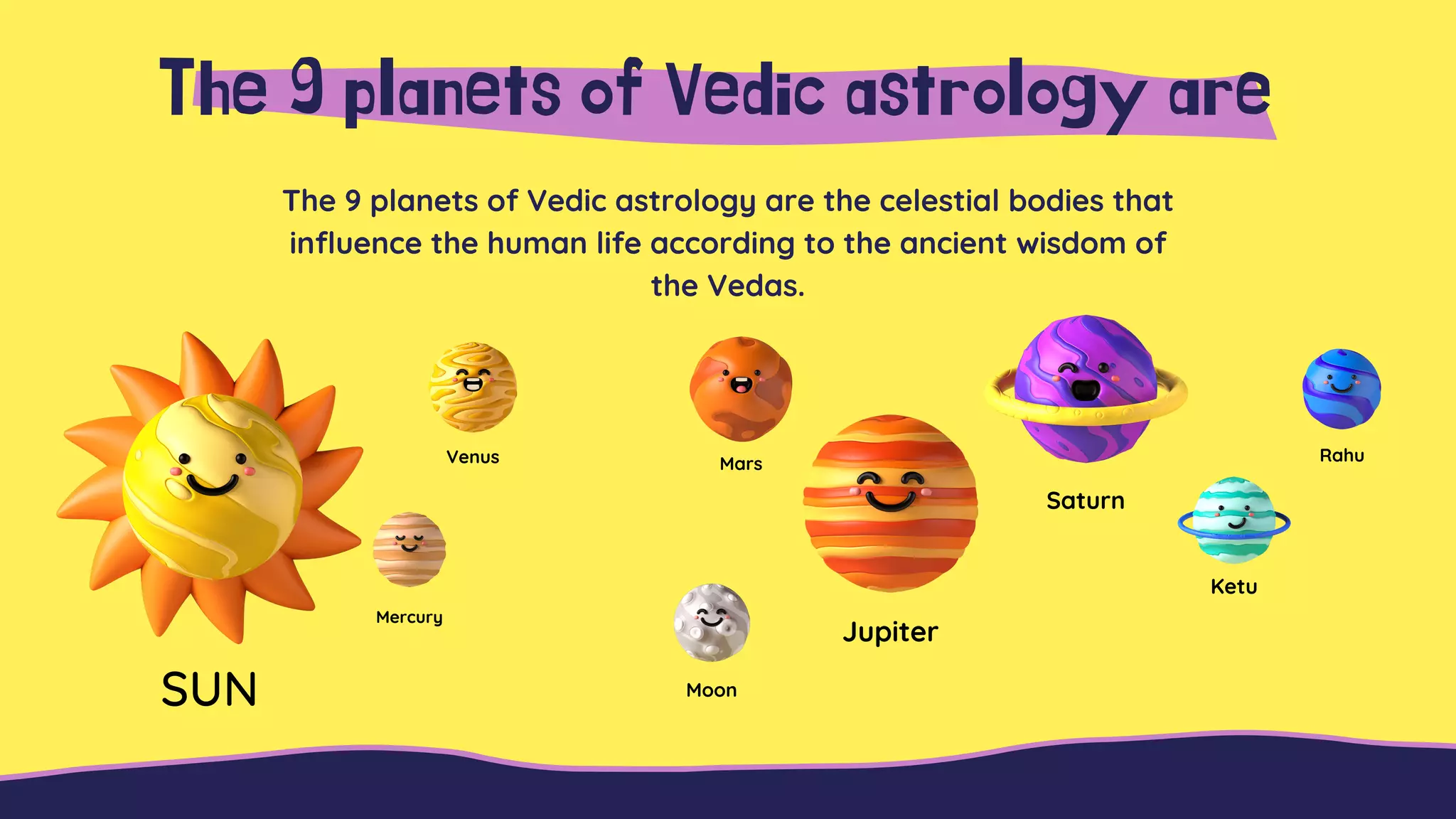
In Western classical astrology, seven visible wanderers traditionally formed the foundation of horoscopic work. However, comprehensive astrological traditions, particularly Vedic astrology (Jyotish), utilize the system of the nine planets (Navagraha). This system includes the visible sun and moon (the luminaries), five physical planets, and two mathematical intersection points of the sun and moon's paths—the North Node (Rahu) and South Node (Ketu). Modern Western traditions often incorporate outer planets like Uranus, Neptune, and Pluto, yet the foundational mechanics of nine-body planetary analysis remain the core reference point for mapping individual temperament, karmic trajectories, and timed transits.
Every planet carries both constructive (dignified) and challenging (afflicted) expressions. A planet's influence in an individual's life depends heavily on its zodiac sign placement, house position, directional strength, and relationships (aspects) with other celestial bodies.
Detailed Profile of the 9 Astrological Planets
1. The Sun (Surya): Identity, Vitality, and Soul Purpose
The Sun serves as the gravitational and symbolic center of the astrological system. It represents the conscious ego, core identity, vital energy, self-expression, and essential willpower. In psychological terms, the Sun is the executive center of the psyche—the authentic self striving for recognition and self-actualization.
- Core Archetype: The King, the Leader, the Father, the Divine Spark.
- Key Attributes: Vitality, confidence, leadership, pride, authority, ambition, and core identity.
- Sign Rulership: Leo.
- Constructive Expression: Charismatic leadership, healthy self-esteem, generosity, warmth, and steady vitality.
- Shadow Expression: Egocentrism, arrogance, tyrannical behavior, vanity, and a constant need for external validation.
When well-placed in a birth chart, the Sun grants physical stamina, high character, and natural authority. When afflicted, it can manifest as excessive pride, low self-esteem, or struggles with authoritative figures and father figures.
2. The Moon (Chandra): Emotions, Intuition, and the Mind
While the Sun represents the conscious outwards drive, the Moon governs the subconscious, emotional needs, instincts, reactions, and psychological conditioning. The Moon reflects the light of the Sun, signifying memory, mothering, instinctual safety, and the fluctuating mood states that govern daily psychological well-being.
- Core Archetype: The Mother, the Caregiver, the Nurturer, the Inner Child.
- Key Attributes: Emotional receptivity, intuition, memory, comfort, instinct, habits, and domestic life.
- Sign Rulership: Cancer.
- Constructive Expression: Emotional intelligence, empathy, strong intuitive awareness, protective warmth, and adaptability.
- Shadow Expression: Moodiness, irrational codependency, emotional defensiveness, insecurity, and over-hypersensitivity.
A well-supported Moon generates inner emotional stability and strong intuitive instincts, whereas a compromised Moon can indicate emotional volatility, trouble processing feelings, or early childhood disruptions.
3. Mercury (Budha): Intellect, Communication, and Logic
Mercury functions as the messenger of the gods, governing mental processes, speech, analytical reasoning, trade, data processing, and physical dexterity. Named after the swift-footed Roman deity, Mercury controls how individuals gather, interpret, digest, and transmit information.
- Core Archetype: The Messenger, the Trader, the Scholar, the Analyst.
- Key Attributes: Cognition, verbal and written expression, logic, curiosity, adaptability, and processing speed.
- Sign Rulership: Gemini and Virgo.
- Constructive Expression: Sharp intellect, articulate communication, versatility, logical problem-solving, and quick comprehension.
- Shadow Expression: Restlessness, dishonesty, superficiality, nervous anxiety, hyper-criticism, and intellectual deception.
Mercury does not take on a strong emotional bias of its own; instead, it acts as a neutral conductor. It takes on the qualities of the planets with which it forms tight aspects in the birth chart.
4. Venus (Shukra): Love, Harmony, and Material Values
Venus represents the principle of attraction, balance, beauty, personal values, and relational harmony. It dictates how individuals experience pleasure, build romantic partnerships, evaluate aesthetic form, and manage material resources.
- Core Archetype: The Lover, the Artist, the Peacemaker, the Diplomat.
- Key Attributes: Romance, intimacy, artistic aesthetics, personal values, financial resources, and social charm.
- Sign Rulership: Taurus and Libra.
- Constructive Expression: Capacity for deep affection, artistic sensibility, diplomacy, financial prudence, and refinement.
- Shadow Expression: Materialistic indulgence, superficiality, co-dependency, laziness, conflict-avoidance, and vanity.
In chart interpretation, Venus reveals what a person finds inherently valuable, how they seek balance with others, and their approach to social interactions and personal finances.
5. Mars (Mangal): Ambition, Courage, and Physical Action
Mars represents energy, drive, assertion, physical courage, aggression, and raw stamina. Where Venus seeks union and harmony, Mars establishes boundaries, pursues personal goals, and pushes through obstacles with force and decision.
- Core Archetype: The Warrior, the Champion, the Strategist, the Competitor.
- Key Attributes: Willpower, assertion, physical strength, sexual drive, anger management, and enterprise.
- Sign Rulership: Aries (and traditionally Scorpio).
- Constructive Expression: Courage, healthy boundaries, high motivation, decisive action, protection of the vulnerable, and physical vitality.
- Shadow Expression: Impulsiveness, unwarranted aggression, impatience, recklessness, destructive conflict, and irritability.
Mars acts as the engine of execution in a natal chart. Without a well-integrated Mars, ideas remain unrealized due to a lack of initiative or persistence.
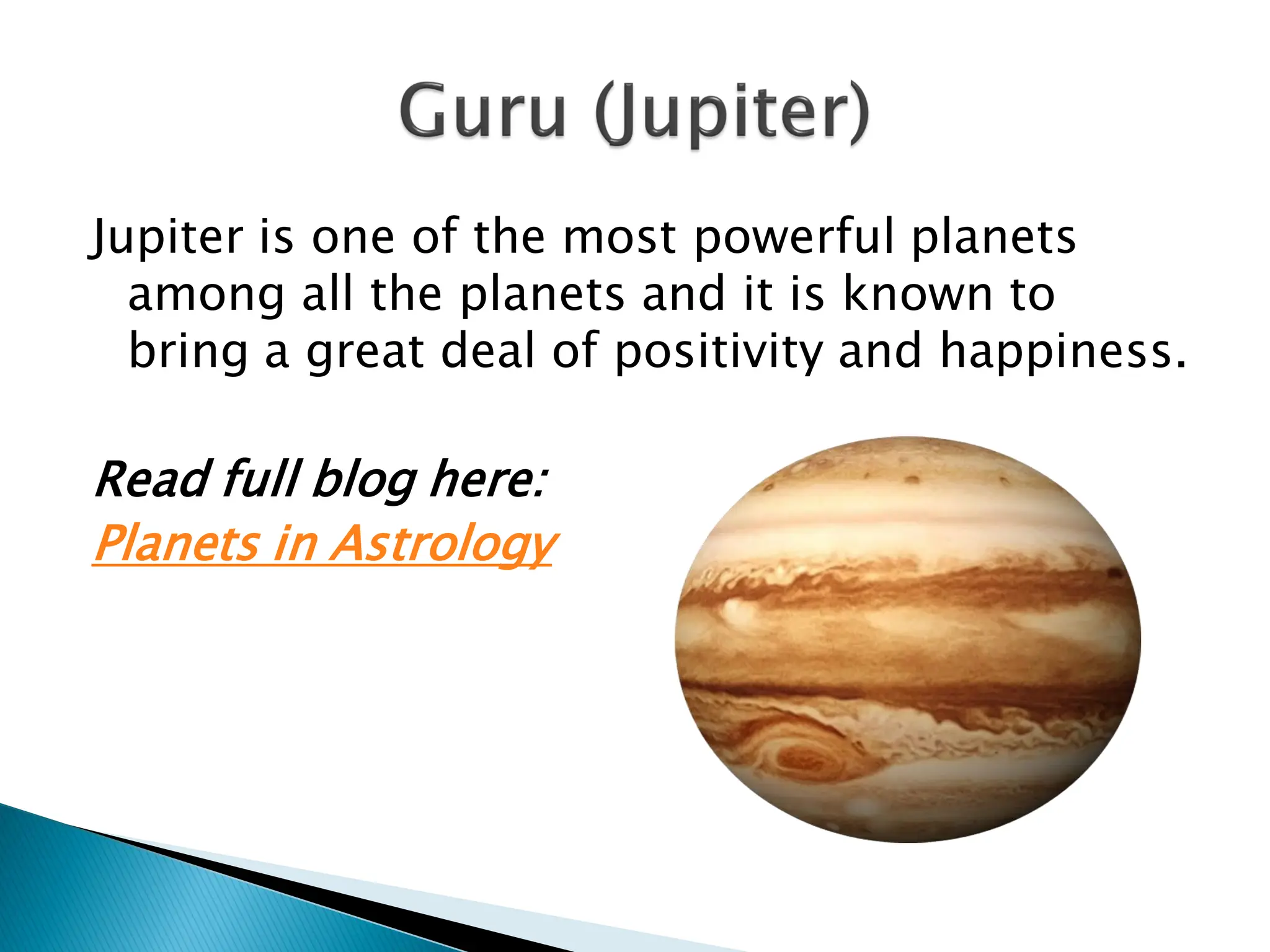
6. Jupiter (Guru): Expansion, Wisdom, and Higher Law
Jupiter is the planet of growth, optimism, higher learning, philosophy, morality, and abundance. Often called the "Great Benefic," Jupiter expands whatever energy it touches, urging the individual toward spiritual evolution, ethical living, and intellectual growth.
- Core Archetype: The Teacher, the Philosopher, the Guide, the Judge.
- Key Attributes: Higher education, spirituality, luck, legal matters, optimism, generosity, and abstract thought.
- Sign Rulership: Sagittarius (and traditionally Pisces).
- Constructive Expression: Broad-minded vision, ethical integrity, generosity, deep philosophical wisdom, and optimism.
- Shadow Expression: Over-expansion, excessive risk-taking, dogmatism, self-righteousness, wastefulness, and blind optimism.
While Jupiter brings luck and growth, its shadow side manifests as over-indulgence or taking things for granted without doing the underlying work required by Saturn.
7. Saturn (Shani): Discipline, Karma, and Structural Limits
Saturn represents structure, time, discipline, responsibility, boundaries, and hard-earned mastery. Known as the "Great Malefic" in classical traditions, Saturn enforces boundaries, presents reality checks, and insists on commitment, accountability, and maturity.
- Core Archetype: The Taskmaster, the Wise Elder, the Architect, the Judge of Karma.
- Key Attributes: Discipline, perseverance, endurance, delay, structural stability, authority, and time management.
- Sign Rulership: Capricorn (and traditionally Aquarius).
- Constructive Expression: Long-term mastery, resilience, emotional and practical maturity, dependability, and structural success.
- Shadow Expression: Excessive cynicism, fear-based rigidity, depression, pessimism, harsh judgment, and emotional coldness.
Saturn's placement shows where an individual faces their greatest tests, requiring repeated effort over time to achieve real skill and lasting accomplishments.
8. Rahu (North Node): Desire, Innovation, and Karmic Ambition
Rahu is the ascending lunar node—the mathematical point where the Moon's orbit crosses the ecliptic traveling north. In astrological frameworks, Rahu represents intense desire, worldly ambition, innovation, unconventional thinking, and the future evolutionary trajectory of the soul.
- Core Archetype: The Innovator, the Rebel, the Outsider, the Visionary.
- Key Attributes: Obsessive drive, technological innovation, breaking taboos, worldly success, and unexplored territories.
- Sign Rulership: Co-rules Aquarius in certain traditions; acts with strong affinity to Mercury/Saturn.
- Constructive Expression: Breakthrough innovation, ambition, ability to navigate complex worldly systems, and progressive thinking.
- Shadow Expression: Obsessive ambition, illusion, deceit, addiction, chaotic instability, and ungrounded desires.
Rahu impels people toward unfamiliar experiences, pushing them out of their comfort zones to learn new lessons in this lifetime.
9. Ketu (South Node): Liberation, Mastery, and Spiritual Detachment
Ketu is the descending lunar node, representing past-life mastery, inherited talents, instinctual knowledge, detachment, and spiritual liberation (Moksha). Where Rahu seeks to acquire worldly experience, Ketu seeks to let go and transcend material attachment.
- Core Archetype: The Ascetic, the Mystic, the Hermit, the Healer.
- Key Attributes: Intuitive spiritual knowledge, detachment, self-analysis, past habits, and release.
- Sign Rulership: Co-rules Scorpio in certain traditions; acts with strong affinity to Mars/Jupiter.
- Constructive Expression: Spiritual wisdom, non-attachment, deep psychological insight, self-mastery, and intuitive abilities.
- Shadow Expression: Apathy, sudden isolation, inability to engage with practical realities, self-sabotage, and aimlessness.
Ketu indicates gifts that come naturally to an individual due to past conditioning, but over-relying on Ketu can lead to stagnation if not balanced by Rahu's forward movement.
Comparative Breakdown: The 9 Planets at a Glance
The following reference table summarizes the essential characteristics, natural elements, gender classifications, and primary psychological functions of each of the nine planets.
| Planet | Natural Element | Gender | Primary Life Domain | Key Positive Trait | Primary Shadow Trait |
|---|---|---|---|---|---|
| Sun | Fire | Masculine | Vitality & Soul Purpose | Charismatic Leadership | Pride & Arrogance |
| Moon | Water | Feminine | Emotions & Instincts | Emotional Intelligence | Moodiness & Insecurity |
| Mercury | Earth / Air | Neutral | Cognition & Communication | Analytical Sharpness | Nervous Anxiety |
| Venus | Water / Air | Feminine | Relationships & Values | Diplomacy & Harmony | Materialistic Indulgence |
| Mars | Fire | Masculine | Energy & Physical Action | Courage & Drive | Aggression & Impulsiveness |
| Jupiter | Ether / Fire | Masculine | Wisdom & Growth | Optimism & Ethical Vision | Over-expansion & Dogma |
| Saturn | Air / Earth | Masculine | Discipline & Karma | Resilience & Mastery | Pessimism & Rigidity |
| Rahu | Air / Shadow | Neutral | Future Destiny & Ambition | Groundbreaking Innovation | Illusion & Obsession |
| Ketu | Fire / Shadow | Neutral | Spiritual Liberation | Spiritual Wisdom | Isolation & Detachment |
How the Planets Function Together in a Birth Chart
No planet operates in complete isolation within an astrological chart. Chart reading involves synthesizing how these nine energies interact with one another through planetary aspects, house placements, and dignity states.
[ Core Psychological Engine ] / | \ [Luminaries] [Personal] [Social & Karmic] Sun / Moon Merc/Ven/Mars Jup/Sat/Rahu/Ketu | | | (Identity) (Action/Mind) (Structure/Growth)
Astrologers group the nine planets into functional tiers based on their developmental impact:
- The Luminaries (Sun & Moon): Form the fundamental core of identity and emotional rhythm. They represent the spirit and the mind.
- The Personal Planets (Mercury, Venus, Mars): Define day-to-day psychological faculties—how you think (Mercury), what you value and love (Venus), and how you take action (Mars).
- The Social/Structural Planets (Jupiter & Saturn): Govern how an individual integrates into society, balances expansion with limits, and achieves long-term goals.
- The Karmic Nodes (Rahu & Ketu): Define the axis of soul evolution, pointing from past comfort zones (Ketu) to future growth areas (Rahu).
Planetary Dignity and Strength
A planet's ability to express its characteristics constructively depends on its essential dignity—its placement by zodiac sign:
- Exaltation: The planet operates at high efficiency, expressing its highest positive traits easily.
- Own Sign (Domicile): The planet is comfortable and self-sufficient, like a person in their own home.
- Debilitation (Fall): The planet faces functional obstacles and must work harder or use indirect methods to achieve its goals.
For instance, Mars in Aries (its own sign) acts with direct, effective courage. Mars in Cancer (its sign of debilitation) may struggle to express anger directly, sometimes turning aggression inward or reacting out of emotional defensiveness.
Practical Steps for Analyzing Planetary Placements
To systematically evaluate the nine planets in your own or a client's birth chart, follow this step-by-step diagnostic process:
- Map the Luminaries First: Locate the Sun and Moon by sign, house, and aspect. This establishes the baseline balance between conscious drive and emotional needs.
- Assess the Personal Planets: Examine Mercury, Venus, and Mars. Check whether their signs align well with their core nature (e.g., Mercury in logical air signs vs. emotional water signs).
- Evaluate the Social Anchor: Look at the relationship between Jupiter and Saturn. A balanced chart displays both Jupiterian optimism and Saturnian discipline.
- Identify the Nodal Axis: Locate Rahu and Ketu by house placement. The house containing Rahu shows where life demands risk-taking and growth, while the house containing Ketu shows areas of natural talent and potential over-reliance.
- Check Retrograde Status: Determine if Mercury, Venus, Mars, Jupiter, or Saturn were in retrograde motion at birth. Retrograde planets internalize their energy, requiring deeper self-reflection before their outward qualities can fully mature.
- Examine Inter-Planetary Aspects: Note hard aspects (conjunctions, squares, oppositions) which create productive tension, and soft aspects (trines, sextiles) which facilitate an easy flow of energy between planets.
Frequently Asked Questions
What is the difference between the 9 planets in astrology and astronomical planets?
Astrology uses "planet" (derived from the Greek planētes, meaning "wanderers") to describe celestial bodies that move across the background of fixed stars from our viewpoint on Earth. Astrologically, this includes the Sun, Moon, and lunar nodes (Rahu and Ketu), alongside physical planets like Mercury, Venus, Mars, Jupiter, and Saturn. Astronomical classifications focus instead on physical composition, orbits, and planetary mass criteria established by scientific bodies such as the International Astronomical Union.
Are Rahu and Ketu actual physical planets?
No. Rahu and Ketu are mathematical points known as the North and South Lunar Nodes. They mark the points where the Moon's orbit intersects the ecliptic (the Sun's apparent path across the sky). Despite lacking physical mass, astrology treats them as planets because their gravitational geometry creates solar and lunar eclipses, marking significant karmic shifts.
Why do some astrology guides refer to 10 planets instead of 9?
Modern Western astrology frequently incorporates outer planets discovered via telescope—Uranus, Neptune, and Pluto—bringing the core body count to ten (Sun, Moon, Mercury, Venus, Mars, Jupiter, Saturn, Uranus, Neptune, Pluto). Vedic astrology and classical Western systems retain the nine-body or seven-body systems. Both approaches offer detailed insights when applied consistently within their respective framework rules.
How do I know which planet is most dominant in my chart?
A planet becomes dominant if it rules your Ascendant (Rising Sign), forms close conjunctions with your Sun or Moon, sits near the Midhaven (10th house peak), or accumulates multiple planet alignments (a stellium) within its ruled sign. A dominant planet heavily influences your personality traits, appearance, and career direction.
What does it mean when a planet is retrograde in a birth chart?
A retrograde planet appears to move backward in the sky from Earth's perspective due to orbital speed differences. In a birth chart, a retrograde planet indicates that its energy works in an internalized, reflective, or non-traditional manner. Instead of expressing traits immediately out in the world, the individual often processes these themes internally first.
Mastering Planetary Archetypes in Your Daily Practice
Understanding the nine planets and their characteristics provides a clear foundation for interpreting astrological charts with confidence and nuance. Rather than viewing planetary influences as fixed external forces dictating fate, treat them as dynamic archetypes reflecting internal motivations, psychological habits, and growth opportunities.
To apply this knowledge effectively, start by auditing one planet at a time within your own birth chart. Note its sign, house placement, and major aspects, then observe how its themes manifest in your daily reactions, relationship patterns, and career choices. By learning the natural language of these nine celestial drivers, you gain a practical toolkit for personal development, timing key decisions, and navigating life's shifts with greater clarity.