Cinematic accuracy in 9/11 films ranges from near-documentary fidelity to heavily dramatized historical fiction. Works like Paul Greengrass’s United 93 and the Naudet brothers' 9/11 documentary adhere strictly to public records, flight transcripts, and witness accounts. Conversely, narrative feature films and dramatized series compress timelines, synthesize composite characters, and infer unrecorded conversations to serve dramatic structure.
Methodology of Cinematic Realism: Facts vs. Dramatization
Evaluating the historical accuracy of films depicting the events of September 11, 2001, requires distinguishing between literal record-reconstruction and narrative dramatization. Filmmakers tackling 9/11 face unique ethical and technical challenges. Unlike historical subjects distant in time, 9/11 is documented by vast archives of primary evidence: cockpit voice recorders (CVR), Air Traffic Control (ATC) audio logs, phone calls from victims onboard aircraft and inside the World Trade Center, radar tracking data, and the comprehensive 9/11 Commission Report.
When filmmakers adapt these events, they generally fall into three operational approaches:
- Procedural Reconstruction: Works that rely directly on real-time transcripts, flight logs, and official investigative findings. Directors minimize speculative subplots and often cast non-actors or the actual historical figures (such as military personnel and air traffic controllers playing themselves) to preserve authenticity.
- Personal Experience Dramatization: Narratives that isolate specific, verified survivor stories. These films maintain high fidelity regarding individual emotional and physical experiences inside the disaster zone but purposefully narrow their historical lens, omitting broader geopolitical or operational contexts.
- Institutional and Intelligence Histories: Adaptations focused on the events leading up to or following the attacks, such as inter-agency friction between the CIA and FBI or the subsequent decade-long search for Osama bin Laden. These productions frequently use composite characters, simplified bureaucratic structures, and compressed chronologies to translate complex intelligence operations into digestible cinema.
Understanding these methodological choices allows viewers to evaluate where a film succeeds as a primary historical reflection and where it takes necessary artistic liberties.
Analyzing Key 9/11 Feature Films and Television Dramas
United 93 (2006): Real-Time Rigor and Necessary Speculation
Directed by Paul Greengrass, United 93 is widely cited by historians and film scholars as one of the most meticulously researched feature films about the tragedy. The production drawn heavily on phone call records made by passengers and crew on United Airlines Flight 93, ATC recordings from Boston, New York, and Cleveland centers, and extensive interviews with the victims' families and military personnel involved that morning.
Timeline of Key Flight 93 Events (Depicted vs. Historical Record)
- 8:42 AM -- Flight 93 takes off from Newark after a 42-minute runway delay (Verified)
- 9:28 AM -- Hijacking begins; cockpit audio captures struggle and terrorist takeover (Verified)
- 9:57 AM -- Passenger revolt begins following phone calls confirming WTC strikes (Verified)
- 10:03 AM -- Aircraft crashes in Shanksville, PA; CVR confirms revolt reached cockpit door (Verified)
The film’s strength lies in its real-time pacing and avoidance of Hollywood tropes. Greengrass cast Ben Sliney, the Federal Aviation Administration (FAA) National Operations Manager on his first day in that role, to play himself on screen. The depictions of confusion, delayed communications, and radar tracking errors within NEADS (Northeast Air Defense Sector) and the FAA reflect the chaotic reality documented in national air defense records.
Where the film must engage in speculation is during the final minutes inside the cabin and cockpit. While phone logs confirm that passengers organized a revolt using a food cart, the exact physical sequence inside the cockpit before the crash at 10:03 AM in Shanksville, Pennsylvania, remains unrecorded by video. The film bases its climactic sequence on audio analysis of the Cockpit Voice Recorder, which captured sounds of crashing trays, breaking glass, shouting, and the terrorists attempting to roll the plane to throw off the revolt. The film's portrayal remains consistent with the physical evidence compiled by the National Transportation Safety Board (NTSB) and the FBI, even while filling in visual details.
World Trade Center (2006): Micro-Focus on First Responder Survival
Oliver Stone’s World Trade Center focuses narrowly on Port Authority Police Department (PAPD) Officers John McLoughlin and Will Jimeno, who were trapped beneath the rubble of the collapsed World Trade Center towers. Because Stone relied almost exclusively on the direct testimonies of McLoughlin, Jimeno, their wives, and the rescue personnel who located them—such as former U.S. Marine Staff Sergeant Dave Karnes—the film achieves exceptional accuracy on a micro-level.
The movie accurately reproduces:
- The initial confusion among first responders regarding what type of aircraft had struck the North Tower.
- The equipment choices made by PAPD officers entering the complex.
- The structural collapse dynamics as experienced from within the main concourse basement levels.
- The specific search-and-rescue techniques employed by Karnes and Jason Thomas in the early hours of September 12.
However, the film's extreme micro-focus means it deliberately avoids broader systemic questions. It does not address the documented radio communication failures between the Fire Department of the City of New York (FDNY) and the New York City Police Department (NYPD), nor does it cover the command structure decisions made outside the complex. As a historical document, World Trade Center serves as a precise tactical and human account of survival rather than an analytical overview of the structural and emergency management response.
The Looming Tower (2018): Inter-Agency Rivalry and Pre-9/11 Intelligence
Based on Lawrence Wright’s Pulitzer Prize-winning non-fiction book, the Hulu miniseries The Looming Tower dramatizes the institutional breakdowns between the FBI’s I-49 Squad (led by John O’Neill and Ali Soufan) and the CIA’s Alec Station (led by a character based on Richard Blee, named Martin Schmidt in the series) during the late 1990s and 2000.
Intelligence Sharing Breakdown (As Portrayed in The Looming Tower)
- FBI I-49 Squad (New York)
- Targeted Criminal Prosecution (Focus: Ali Soufan / John O'Neill)
- Information Blocked with CIA Alec Station (Langley)
- CIA Alec Station (Langley)
- Covert Foreign Operations (Focus: Hijacker Surveillance)
- Information Blocked with FBI I-49 Squad (New York)
The series faithfully captures the core historical truth confirmed by the Congressional Joint Inquiry into 9/11: the CIA was aware that future hijackers Nawaf al-Hazmi and Khalid al-Mihdhar had entered the United States with valid visas in early 2000, yet failed to formally notify the FBI or place them on domestic watchlists until late August 2001.
To render this dense bureaucratic history dramatic, the show relies on several narrative simplifications:
- Composite and Altered Characters: Figures like Martin Schmidt (Peter Sarsgaard) and Diane Priest (Wrenn Schmidt) are dramatized composites reflecting institutional attitudes at Alec Station rather than direct single-person portraits.
- Timeline Compression: Inter-agency disputes that took place over months are condensed into consecutive heated meetings to maintain narrative momentum.
- Personalized Conflict: Complex administrative rules governing intelligence sharing (such as the interpretation of the pre-2001 "Wall" between intelligence and criminal investigations) are often portrayed as purely personal rivalries between key officials.
Despite these dramatic license choices, The Looming Tower remains one of the most accurate screen adaptations of the systemic intelligence failures that preceded the attacks.
Zero Dark Thirty (2012): Operational Detail vs. Analytical Debate
Kathryn Bigelow’s Zero Dark Thirty examines the aftermath of 9/11, tracking the decade-long intelligence operation that culminated in the raid on Osama bin Laden’s compound in Abbottabad, Pakistan, in May 2011. The film gained significant attention for its operational realism, particularly during the final 30-minute raid sequence, which used recreated Black Hawk helicopters and physical sets built to exact specifications based on satellite imagery of the compound.
The film's primary accuracy controversy centers on its depiction of "Enhanced Interrogation Techniques" (EITs). Early sequences in the film imply a direct causal link between information obtained through waterboarding and torture and the ultimate identification of bin Laden's courier, Abu Ahmed al-Kuwaiti.
This framing was publicly contested by members of the U.S. Senate Select Committee on Intelligence, including Senators Dianne Feinstein and John McCain, following the publication of the Senate Intelligence Committee Report on CIA Torture. The official record established that key intelligence regarding al-Kuwaiti had been gathered through conventional intelligence means, signals intelligence, and standard interrogations prior to or independent of the use of EITs. Thus, while Zero Dark Thirty excels in technical military detail, its narrative framing of intelligence gathering remains a subject of intense historical critique.
Comparative Accuracy Matrix of 9/11 Media
The following table compares major 9/11 film and television productions based on their primary historical sources, key factual strengths, and noted dramatic departures.
| Title / Year | Format | Primary Historical Source | High-Accuracy Elements | Noted Dramatizations or Discrepancies |
|---|---|---|---|---|
| 9/11 (2002) | Documentary | Primary real-time footage (Naudet Brothers) | 100% authentic footage inside North Tower & FDNY response | None; pure observational documentary footages. |
| United 93 (2006) | Feature Film | 9/11 Commission Report, CVR, ATC logs, passenger phone calls | Real-time pacing, military/FAA response confusion, accurate ATC voice work | Cockpit struggle details are inferred based on audio transcript analysis. |
| World Trade Center (2006) | Feature Film | Direct testimony of survivors McLoughlin & Jimeno | Precise personal accounts of rescue, basement conditions, PAPD gear | Ignores broad agency radio failures and external tactical response. |
| The Looming Tower (2018) | Miniseries | Non-fiction history book by Lawrence Wright | FBI/CIA intelligence-sharing breakdown, key historical timelines | Uses composite characters for CIA officials; condenses meetings. |
| Zero Dark Thirty (2012) | Feature Film | Journalist sources, unclassified military briefs | Physical compound sets, raid tactics, gear, night-vision operations | Overstates operational necessity of torture in finding bin Laden courier. |
| The Report (2019) | Feature Film | Senate Intelligence Committee Report on EITs | Documentation of internal CIA oversight, legislative review facts | Condenses years of congressional staff research into streamlined narrative. |
Documentaries vs. Narrative Feature Films
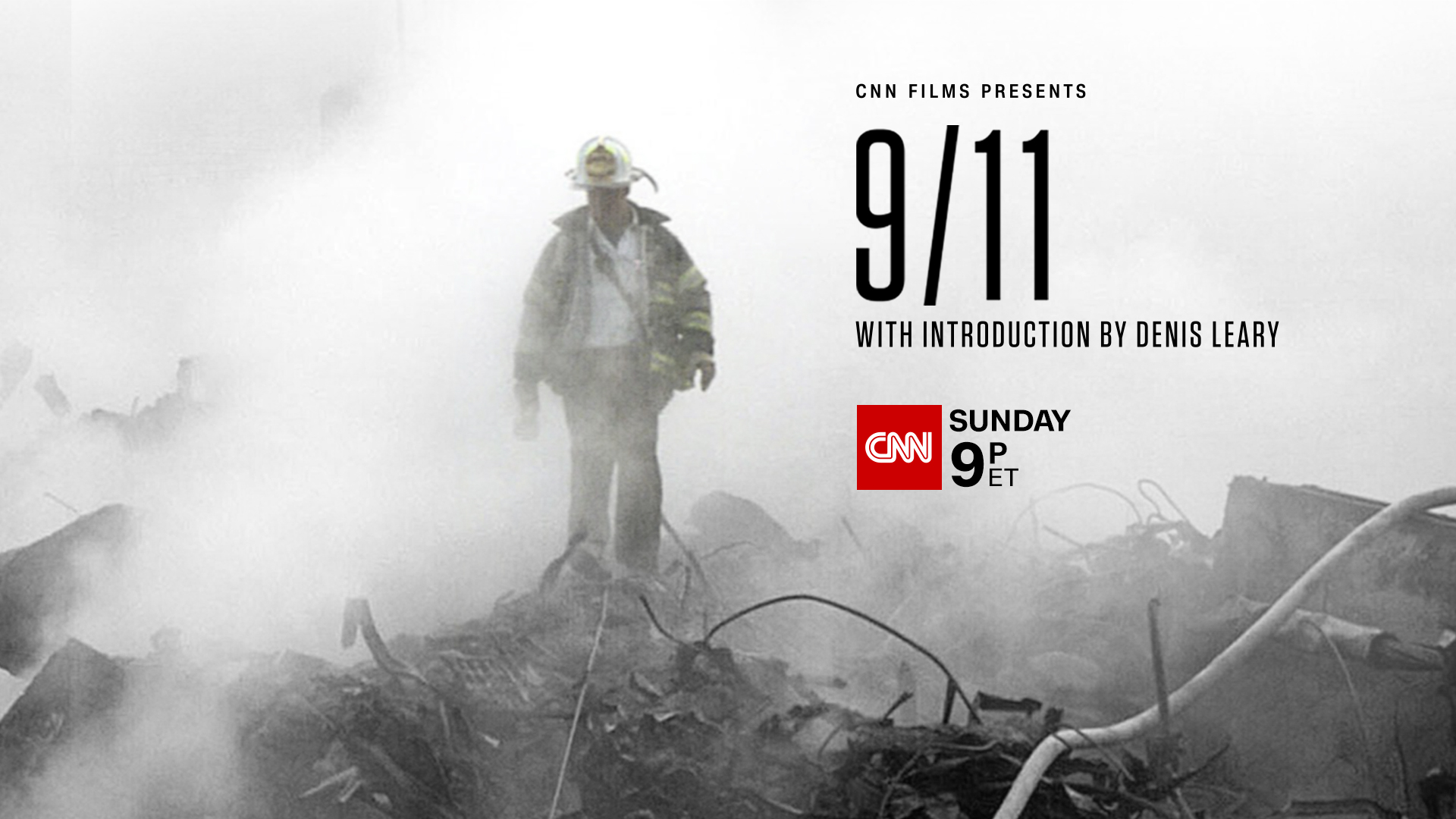
Documentary treatments of 9/11 operate under standard journalistic standards, offering direct primary evidence rather than dramatic interpretation. The baseline standard for visual history of the attack itself remains the 2002 documentary 9/11, directed by Jules and Gédéon Naudet and James Hanlon. Originally filming a documentary about a rookie FDNY firefighter with Engine 7, Ladder 1, the Naudet brothers accidentally captured the only clear video footage of American Airlines Flight 11 striking the North Tower, followed by extensive, unfiltered footage inside the North Tower lobby during the rescue operation.
Media Type Comparison: Fact Preservation vs. Dramatic Framing
- Documentary (e.g., Naudet '9/11')
- Primary Audio/Visual Records
- Direct Participant Oral Histories
- Zero Speculative Dialogue
- Narrative Dramatization (e.g., 'United 93', 'The Looming Tower')
- Primary Records + Inferred Dialogue
- Timelines Condensed for Pacing
- Composite Characters for Institutional Roles
The distinction between documentaries and feature films becomes critical when political or analytical claims are introduced:
- Pure Observational Documentaries (9/11): Provide direct primary historical value. The camera captures events as they unfold without retrospective editing intended to support a specific policy argument.
- Investigative/Advocacy Documentaries (Fahrenheit 9/11): Michael Moore's 2004 Palme d'Or winner uses verified news footage but constructs an explicit political argument regarding the Bush administration's response, domestic surveillance, and foreign policy decisions. While individual news clips and financial records cited are factual, the selective narrative editing and emotional juxtaposition represent political commentary rather than neutral historical record.
- Procedural Features (United 93): Fill narrative voids using physical and structural constraints. Directors infer dialogue, but ground character actions strictly in verified physical outcomes (e.g., the plane crashing in an open field short of its intended Washington D.C. target).
Common Cinematic Tropes and Historical Misconceptions
When analyzing 9/11 portrayals across cinema, several consistent narrative tropes alter public perception of the actual history:
1. The Myth of Clear, Immediate Inter-Agency Communications
Films often portray military commanders, FAA controllers, and white house officials communicating on clear, instantaneous conference calls from the first moments of the hijackings. In reality, official records from the National Archives and Records Administration (NARA) show that NORAD and the FAA struggled with severe communication gaps, misidentified hijacked flight numbers, and tracked ghost targets on radar for over an hour after the initial strikes.
2. The Omniscient Intelligence Officer
Media adaptations frequently centralize intelligence gathering around one or two heroic figures who "saw it all coming." While real figures like John O'Neill and Ali Soufan expressed deep concern regarding Al-Qaeda's domestic threats, intelligence work relies on vast networks of analysts sifting through tens of thousands of ambiguous data points ("noise"). Dramas simplify this process by having lead characters state exact historical outcomes before they occur.
3. Dialogue Fill-in in High-Stress Recreations
When recreating moments inside affected buildings or hijacked aircraft, films must invent personal conversations to generate character empathy. While these dramatizations reflect human nature under duress, viewers must remember that specific final conversations shown on screen—outside of short, confirmed phone call transcripts—are creative interpretations by screenwriters.
How to Evaluate 9/11 Film Accuracy as a Viewer
When watching any historical drama or documentary addressing September 11, viewers can use the following four-step evaluation process to distinguish documented history from artistic license:
- Cross-Reference Primary Source Documentation: Compare major plot points against the official unclassified findings of the 9/11 Commission Report and official transcripts maintained by the NTSB.
- Identify Composite Characters: Check production notes or non-fiction source material to determine whether lead characters represent actual single individuals or combined composite entities created for narrative convenience.
- Analyze the Scope of Source Material: Determine whether the film is adapted from a rigorously peer-reviewed non-fiction book (such as The Looming Tower), personal memoirs (World Trade Center), or original investigative journalism (Zero Dark Thirty).
- Distinguish Technical Realism from Narrative Truth: A film may feature perfectly accurate uniforms, aircraft interiors, and military hardware while still promoting a historically disputed thesis regarding strategic decisions or intelligence causality.
Frequently Asked Questions
Did passengers on Flight 93 actually breach the cockpit as shown in United 93?
The Cockpit Voice Recorder (CVR) and flight data recorders confirm that passengers mounted a sustained assault on the cockpit using a food cart, causing the hijackers to violently roll the aircraft to disrupt the attack. Audio recordings capture passengers breaking into the forward galley and demanding entry to the cockpit. While the CVR cuts off at 10:03 AM as the plane crashed at high speed in Shanksville, the evidence confirms the passenger revolt directly prevented the plane from reaching the hijackers' intended target in Washington, D.C.
Is Ben Sliney in United 93 a real FAA official or an actor?
Ben Sliney is a real historical figure playing himself in the film. On the morning of September 11, 2001, Sliney was serving his very first day as the FAA’s National Operations Manager at the Herndon Command Center. He made the unprecedented decision to order a complete nationwide ground stop, clearing all civilian aircraft from U.S. airspace.
How accurate is the portrayal of CIA and FBI conflict in The Looming Tower?
The depiction of deep systemic tension and information withholding between the FBI's I-49 Squad and the CIA's Alec Station is historically accurate. The official 2004 Congressional Joint Inquiry and the 9/11 Commission Report both concluded that critical intelligence—specifically regarding the presence of Al-Qaeda operatives Nawaf al-Hazmi and Khalid al-Mihdhar inside the United States—was held by the CIA without timely notification to the FBI. The series dramatizes personal interactions, but the underlying institutional failure is fully documented.
Did the raid sequence in Zero Dark Thirty accurately depict the Navy SEAL operation?
Yes. The raid on the Abbottabad compound was recreated using physical sets built to exact scale from unclassified satellite maps, and the actors were trained extensively in Close Quarters Battle (CQB) by former military consultants. Details such as the crash of the stealth-modified Black Hawk helicopter, the room-by-room tactical clearing, and the duration of the engagement closely mirror the official operational debriefs provided by Special Operations Command.
Practical Viewing Recommendations
To gain a complete and historically balanced understanding of the events of September 11 through screen media, structure your viewing across complementary formats rather than relying on a single narrative feature:
- Start with Direct Primary Evidence: Begin by watching the 2002 documentary 9/11 by the Naudet brothers to understand the raw, unedited operational reality faced by emergency responders on the ground.
- Examine Operational and Tactical Realism: Watch United 93 alongside a reading of Chapter 1 of the 9/11 Commission Report ("'We Have Some Planes'") to observe how flight logs and air traffic control records translate into cinematic procedural drama.
- Study Pre-History and Intelligence: View The Looming Tower as a dramatic framework for understanding institutional policy, followed by reviewing unclassified reports from the Security and Intelligence Information Sharing initiatives established post-9/11.
By combining primary documentation, observational documentary footage, and critical evaluation of feature films, viewers can appreciate the technical craft of cinema while preserving rigorous historical truth.