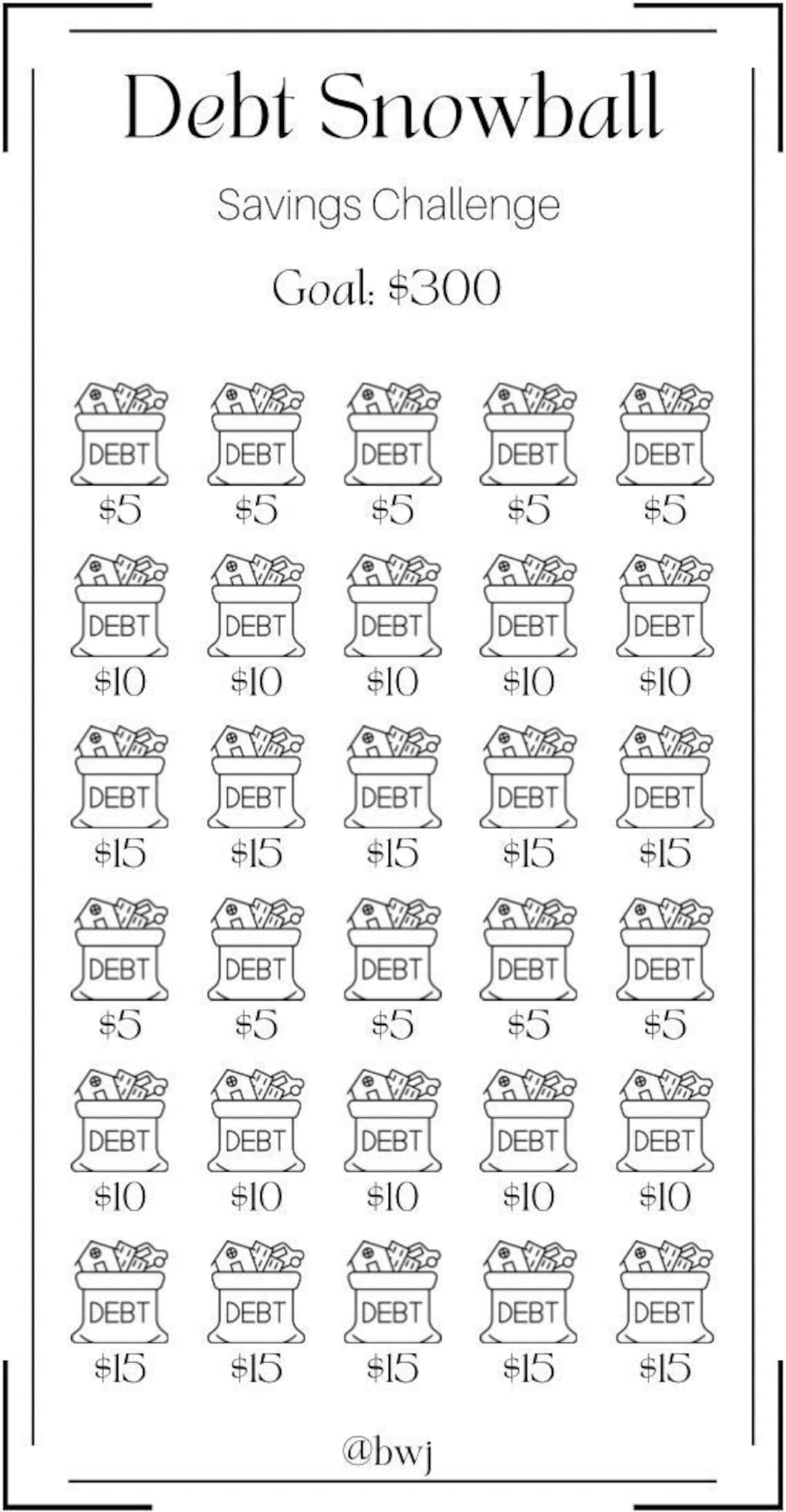
The 85 cents blizzard epic savings snowball represents the powerful combination of capitalizing on high-value promotional deals—such as Dairy Queen’s viral 85-cent Blizzard promotion—and channeling those incremental savings into a compounding micro-savings strategy. By systematically sweeping small savings into interest-bearing accounts, consumers turn minor promotional discounts into significant, long-term financial momentum.
Deconstructing the 85-Cent Blizzard Promotion: Context and Mechanics
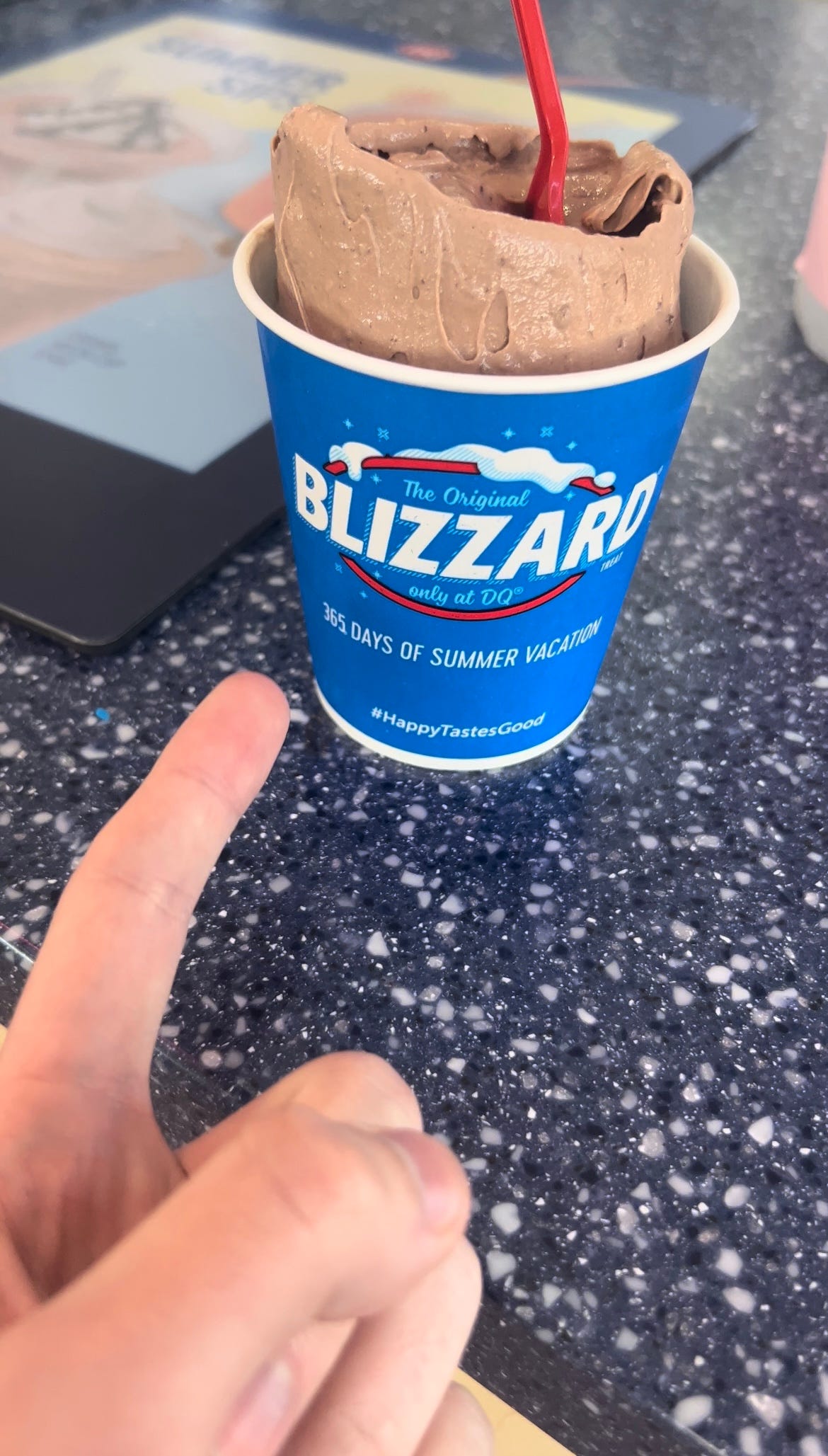
The term "85-cent Blizzard" gained widespread consumer recognition when International Dairy Queen introduced limited-time promotional pricing allowing customers to purchase a small Blizzard Treat for just $0.85. Designed to commemorate the introduction of the frozen treat in 1985, the deal required consumers to download and register through the official DQ Mobile App to redeem an exclusive digital coupon.
Promotions of this caliber serve as primary drivers for merchant app adoption. Retailers use deep discounts on flagship items to build active user bases within their digital loyalty ecosystems. For consumers, these events offer immediate, high-percentage savings on discretionary spending. Recognizing the structure of such retail promotions helps buyers differentiate between genuine value opportunities and routine marketing incentives.
App Loyalty Requirements and Redemption Limits
To claim deep-discount offers like the 85-cent Blizzard, merchants enforce specific redemption workflows:
- Digital Registration: The offer is exclusively bound to single-use mobile accounts, requiring account verification via email or mobile number.
- Single-Use Coupons: Promotional pricing is restricted to one transaction per registered app user, preventing automated bulk purchases.
- Time-Bound Activation: Deals are typically active during fixed promotional windows (such as specific multi-week app drives) and expire if not redeemed within the designated application timeframe.
- Menu Exclusions: Specialty sizes, custom modifications, or premium seasonal flavors are often excluded or carry supplementary charges.
Understanding these operational boundaries ensures consumers redeem promotional offers efficiently without incurring unexpected out-of-pocket costs.
The "Savings Snowball" Concept: Turning Micro-Deals into Macro Wealth
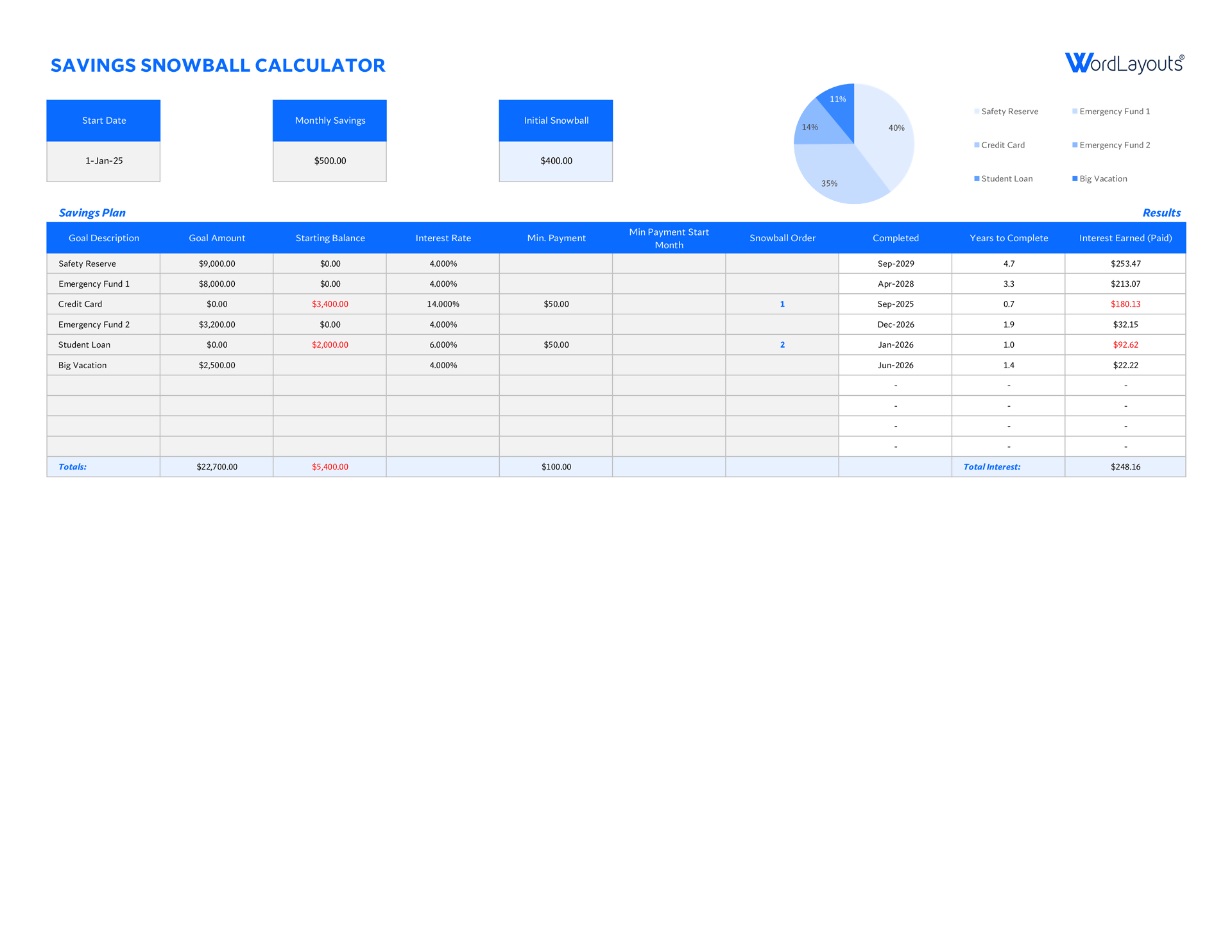
While an 85-cent Blizzard saves a customer approximately $4.00 to $5.00 compared to standard menu pricing, a single isolated discount does not alter a personal financial trajectory. The real financial impact occurs when consumers apply the savings snowball effect—a behavioral finance framework where micro-savings are deliberately captured and rolled into an accumulating pool of capital.
The Savings Snowball Process
- Deal Capture: Save $4-$5 on food/retail promotions
- Immediate Sweep: Transfer saved cash to dedicated fund
- Auto-Compound: High-Yield Savings or Micro-Index
The snowball effect relies on two core principles: behavioral momentum and mathematical compounding.
1. Behavioral Momentum in Financial Habits
Traditional budgeting often focuses on restrictive sacrifice, which can lead to decision fatigue. In contrast, the savings snowball leverages small, rewarding choices. Capturing a major promotional discount creates an immediate positive reinforcement loop. When you consciously take the $4.15 saved on an 85-cent Blizzard deal and physically move it into a savings account, you reframe frugality as active wealth accumulation rather than passive restraint.
2. The Power of Micro-Compounding
Small sums accumulating over consistent periods generate noticeable returns. A consumer who captures $5.00 in micro-savings three times per week saves $15.00 weekly, or $780.00 annually. Deposited into a High-Yield Savings Account (HYSA) or low-cost index fund, these minor discount capture habits lay the foundation for emergency cash reserves or investment growth without impacting baseline living standards.
Step-by-Step Strategy: Building Your Epic Savings Snowball
Transforming opportunistic deal-hunting into a structured financial snowball requires a clear system. Without automation and clear transfer rules, money saved on discounted purchases is easily absorbed back into general daily spending.
Step 1: Audit and Isolate High-Yield Retail Deals
Focus on loyalty programs and high-margin promotional events that deliver deep relative discounts (50% to 90% off standard pricing). Prioritize daily items or planned indulgences:
- Quick-service app rewards (e.g., anniversary deals, free tier rewards, or flat-rate promotions like $0.85 treats).
- Grocery digital coupon stacking and cash-back clearinghouses.
- Off-peak retail flash sales for essential goods.
Step 2: Establish an Immediate Transfer Protocol
The critical failure point in micro-saving is leaving unspent capital in a primary checking account. Implement an immediate or weekly "sweep" protocol:
- Manual Sweep: Whenever you redeem a promotional deal, immediately open your banking app and transfer the exact dollar difference from checking to savings.
- Weekly Automated Sweep: Calculate your total weekly promotional savings every Sunday and execute a single batch transfer.
Step 3: Utilize High-Yield and Automated Savings Vehicles
To prevent inflation from eroding your micro-savings, deposit collected funds into optimized accounts:
- High-Yield Savings Accounts (HYSA): Ensure your baseline savings earn competitive interest rates compared to traditional brick-and-mortar savings products.
- Automated Micro-Investing Apps: Configure app-based tools to automatically invest spare change or recurring micro-deposits into diversified Exchange-Traded Funds (ETFs).
Comparing Micro-Saving Tools and Tactical Deal Strategies
Evaluating where and how to harvest promotional savings requires comparing account types and promotional platforms. The table below outlines common mechanisms for capturing and compounding micro-savings.
| Strategy / Tool | Primary Mechanism | Average Savings Yield | Execution Effort | Best Used For |
|---|---|---|---|---|
| Merchant App Promotions (e.g., 85¢ Deals) | Exclusive mobile coupons and loyalty point redemptions | $3.00 – $8.00 per event (50%–90% off) | Low to Medium | Discretionary food and beverage purchases |
| Cash-Back Aggregators | Post-purchase receipts scanning and online affiliate links | 1% – 10% cash back per purchase | Medium | Routine grocery and retail shopping |
| Automated Bank Round-Ups | Rounding debit purchases to the nearest dollar into savings | $0.10 – $0.90 per transaction | Very Low (Set-and-forget) | Effortless daily micro-accumulation |
| High-Yield Savings Sweep | Manual or scheduled transfers of saved deal margins | Variable based on market interest rates | Medium | Accumulating short-term emergency funds |
| Micro-Dividend Reinvestment | Routing micro-savings into fractional stock shares | Market returns + compounding dividends | Low to High | Multi-year long-term wealth building |
Common Pitfalls and How to Avoid Over-Spending on "Deals"
While promotional savings offer clear advantages, consumers must navigate common behavioral traps that turn discount hunting into unintentional spending.
The "Spend to Save" Fallacy
A promotional offer like an 85-cent Blizzard is only a true financial saving if it replaces an intended purchase or fits within a pre-allocated discretionary budget. Purchasing an item simply because it is heavily discounted—when you had no prior intent to buy it—represents net-new expenditure rather than true savings.
App Clutter and Notification Fatigue
Retail apps use push notifications, gamified loyalty tiers, and targeted offers to increase purchasing frequency. To protect your financial goals and attention:
- Disable marketing notifications on dining and retail apps.
- Open deal apps only when actively planning a purchase.
- Audit installed apps quarterly and delete platforms that trigger impulse buying.
Friction in Manual Transfers
Relying entirely on manual transfers for small amounts (such as moving $4.15 after a store visit) often leads to inconsistency. If manual tracking becomes cumbersome, transition to an automated round-up service or set a fixed weekly automatic transfer that matches your estimated average deal savings.
Frequently Asked Questions
How does Dairy Queen's 85-cent Blizzard promotion work?
Dairy Queen periodically offers an 85-cent small Blizzard deal to celebrate historical milestones via the official DQ Mobile App. Users must download the app, create a free account, and activate the single-use digital coupon at checkout during the promotional period.
What is the "savings snowball" strategy?
The savings snowball strategy involves taking small, incremental savings from everyday discounts, coupons, and promotional deals and systematically transferring them into an interest-bearing savings or investment account. Over time, these consistent micro-deposits compound into significant balances.
How do I calculate how much money I save using deal apps?
Calculate savings by subtracting the promotional price paid from the standard regular menu or retail price of the item. For example, if a small Blizzard costs $5.00 regularly and you pay $0.85 via an app coupon, your net promotional savings is $4.15.
Are micro-savings strategies worth the effort for small amounts like 85 cents?
Yes. While single transfers of $3.00 to $5.00 seem minor, executing this habit several times a week across dining, groceries, and retail can yield $500 to $1,500 annually. When placed in compounding accounts, these small amounts build meaningful emergency funds without altering your primary lifestyle budget.
Can I stack merchant app deals with cash-back credit cards?
In most cases, yes. You can redeem an in-app promotional price (like an 85-cent deal) while paying with a rewards credit card that offers cash back or points on dining and restaurant purchases, effectively doubling your overall savings percentage.
Next Actions: Launching Your Personal Savings Snowball Today
Building financial momentum through micro-deals does not require a complete lifestyle overhaul. Start by implementing a simple three-step action plan:
- Establish a Dedicated Target Account: Open a separate, high-yield savings account or micro-investing balance earmarked specifically for "captured savings." Keeping this money distinct from your primary checking account prevents accidental spending.
- Download Key Merchant Apps Selectively: Identify two or three merchants you already visit regularly. Download their official apps to access digital coupons and deep-discount promotional events, such as seasonal fixed-price offers.
- Set Up a Weekly Transfer Habit: Schedule a weekly reminder every Sunday to total your promotional savings from the week. Execute a direct transfer of that total amount into your dedicated target account to kickstart your savings snowball.