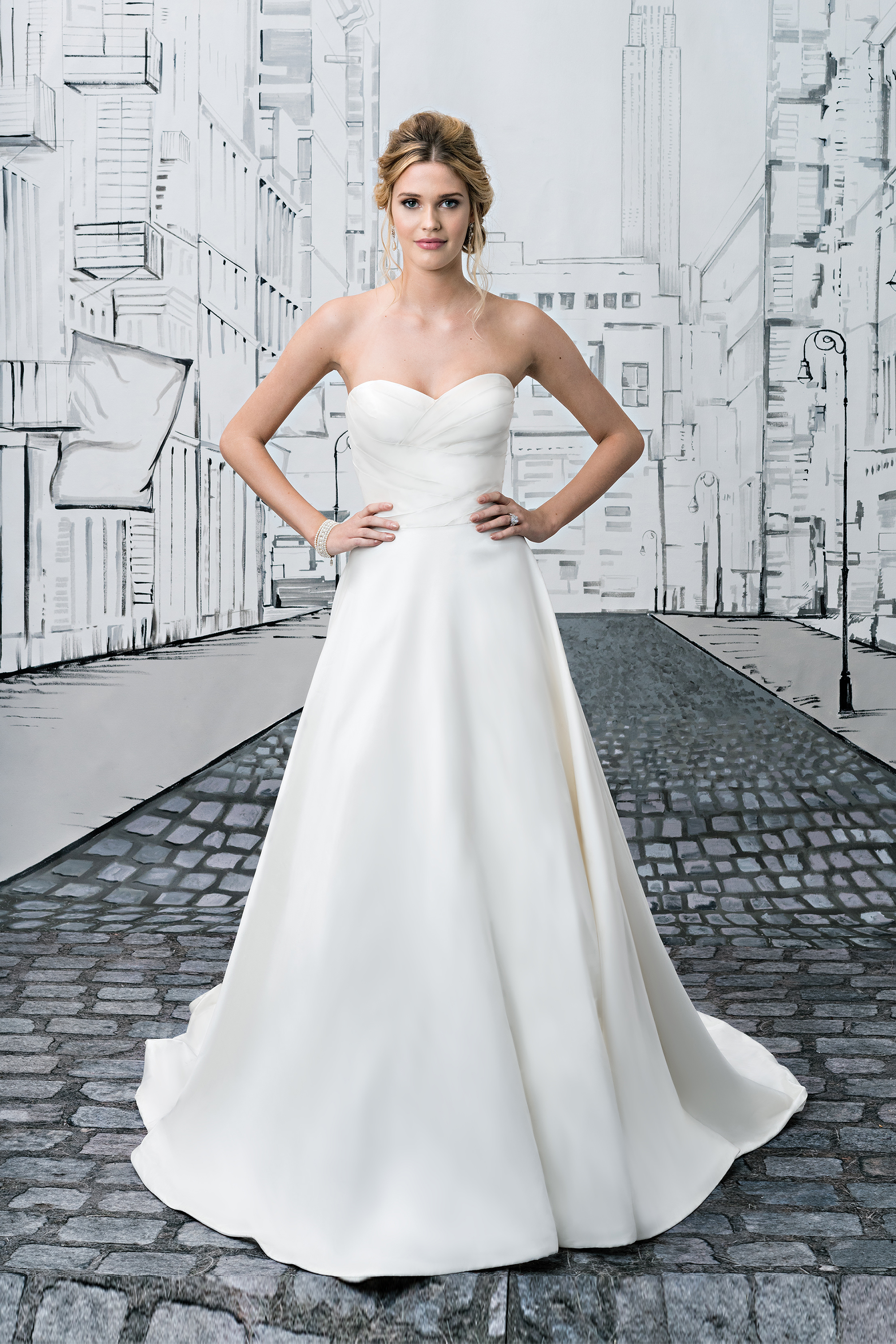
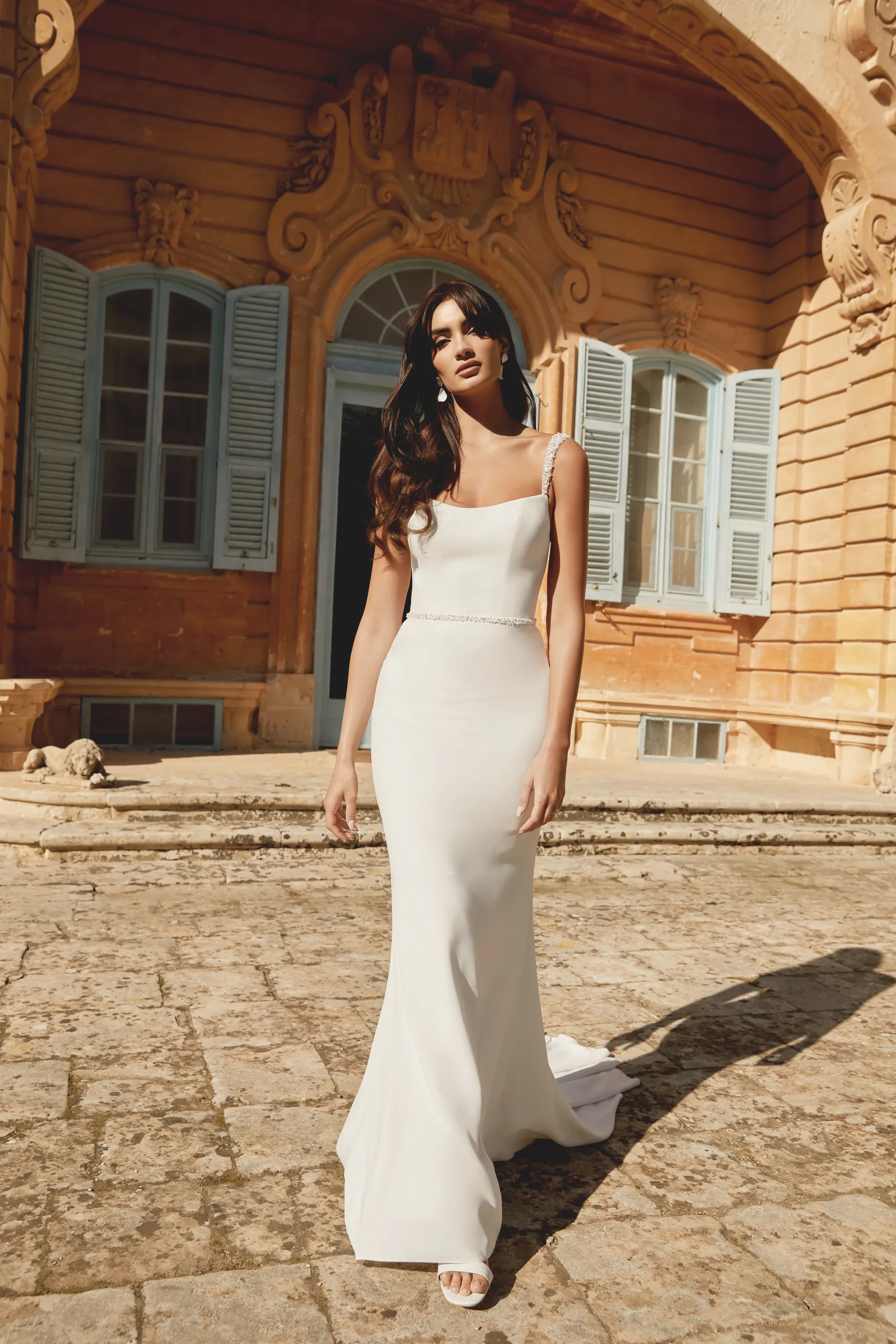
The bridal style of the 1980s was defined by maximalism, characterized by voluminous silhouettes, intricate lace, and theatrical embellishments. Driven by the global influence of royal weddings and pop culture, these designs prioritized opulence and "power dressing," creating a lasting aesthetic that continues to inspire modern designers and vintage-loving brides in 2026.
The Cultural Paradigm of the "Power Bride"
The 1980s represented a decade of economic expansion and the rise of the "yuppie" culture, where "more is more" became the prevailing social mantra. In the world of bridal fashion, this translated into the concept of the "Power Bride." Much like the shoulder-padded power suits worn in corporate boardrooms, bridal gowns were designed to command space and attention. This era moved sharply away from the relaxed, bohemian aesthetic of the 1970s, favoring structure, formality, and unapologetic extravagance.
The influence of television soap operas such as Dynasty and Dallas cannot be overstated. These shows showcased high-glamour wardrobes that filtered down into the wedding industry. Brides sought to emulate the drama seen on screen, leading to the popularity of heavy fabrics like Duchess satin and stiff taffeta. These materials were essential for maintaining the architectural integrity of the massive skirts and structural bodices that defined the era.
Furthermore, the 1980s saw a resurgence of Victorian and Edwardian nostalgia. This "New Romantic" movement brought back high collars, ruffled jabots, and mutton-style sleeves, but reimagined them with synthetic blends and contemporary construction techniques. It was a decade where historical costume met modern excess, resulting in some of the most recognizable garments in fashion history.
The Princess Diana Effect: A Turning Point in Bridal History
On July 29, 1981, the wedding of Lady Diana Spencer to Prince Charles fundamentally altered the trajectory of bridal fashion. Designed by David and Elizabeth Emanuel, Diana’s gown was a masterpiece of 1980s maximalism. It featured a record-breaking 25-foot train, puffed sleeves adorned with lace flounces, and approximately 10,000 hand-sewn pearls.
The global impact of this single dress was instantaneous. Almost overnight, the industry pivoted toward the "Cinderella" silhouette. The "Diana Effect" democratized royal style, as manufacturers rushed to create affordable "Lady Di" replicas for the mass market. This dress solidified the requirement for heavy volume, long trains, and cathedral-length veils.
The Emanuel design also popularized the use of ivory and cream tones over stark white, adding a sense of antique richness to the bridal palette. Even in 2026, the architectural DNA of Diana’s gown remains a reference point for designers looking to evoke a sense of grand ceremony and traditional femininity. The sheer scale of the garment served as a visual metaphor for the magnitude of the occasion, a sentiment that remains central to the luxury bridal market today.
Defining Architectural Features of 80s Bridal Gowns
To understand the 80s bridal aesthetic, one must analyze the specific structural elements that distinguished these gowns from those of previous and subsequent decades. The focus was rarely on the body’s natural lines; instead, the dress created a new, hyper-stylized silhouette.
Puffed Sleeves and Shoulder Definition
The most iconic feature of the 80s dress was the sleeve. Variations included the "leg-o-mutton" sleeve (voluminous at the shoulder and tapering to a tight wrist), the "Juliette" sleeve, and the classic balloon sleeve. These were often supported by internal netting or shoulder pads to ensure they remained upright and prominent throughout the ceremony.
Basque Waists and Dropped Waists
The "Basque waist" or "V-waist" was a hallmark of the decade. This design featured a bodice that dipped into a V-shape below the natural waistline, which helped to elongate the torso and provide a transition into a massive, gathered skirt. Alternatively, the "dropped waist" offered a more structural, almost architectural look that echoed the jazz-age styles of the 1920s but with the added bulk of 80s crinolines.
Intricate Embellishments
The 1980s did not shy away from texture. Gowns were frequently encrusted with sequins, seed pearls, and iridescent beads. Lace was rarely used sparingly; it was often applied as "re-embroidered" Alençon lace or heavy Schifli lace. Bows were another ubiquitous element, appearing on the shoulders, the small of the back, and even nestled within the folds of the skirt.
Fabrics and Textures: The Science of Volume
The choice of fabric was critical in achieving the 1980s look. Lightweight silks like chiffon or crepe were often pushed aside in favor of fabrics with higher "stand."
- Taffeta: Known for its crispness and the distinct "rustle" it makes when the wearer moves, taffeta allowed for the creation of sharp folds and wide, sweeping skirts.
- Duchess Satin: A heavy, lustrous fabric that provided the necessary weight for cathedral trains. Its stiff nature made it ideal for structured bodices.
- Organza and Tulle: These were used in layers—sometimes dozens of them—to create the "cupcake" skirt effect.
- Moiré: A silk fabric with a wavy, watered appearance that added a sophisticated, rhythmic texture to more formal gowns.
The use of these fabrics meant that 80s gowns were often quite heavy. It was not uncommon for a high-end bridal gown to weigh between 15 and 30 pounds, requiring the bride to possess considerable physical stamina. This weight was a status symbol, indicating the quality and quantity of the material used.
Comparison: 1980s Trends vs. 2026 Modern Interpretations
In 2026, we see a sophisticated "remix" of 80s elements. While the full-scale excess of the original decade is rare, specific motifs have been reclaimed by modern couture.
| Feature | 1980s Original Expression | 2026 Modern Interpretation |
|---|---|---|
| Sleeves | Stiff, opaque leg-o-mutton with internal padding. | Detachable sheer puff sleeves with soft floral appliqués. |
| Waistline | Rigid Basque waist with heavy internal boning. | "Illusion" Basque waists using sheer mesh and exposed boning. |
| Train Length | 10–25 feet; often heavy and difficult to maneuver. | Medium "sweep" trains or detachable overskirts for versatility. |
| Bows | Oversized, stiff satin bows often placed on the bustle. | Structural, asymmetrical "origami" bows as a focal point. |
| Veils | Cathedral length with high-volume "pouf" headpieces. | Minimalist floor-length veils attached to sleek low buns. |
The Lasting Influence on Modern Bridal Design
The influence of the 80s is visible in the current trend of "maximalist minimalism." Designers are moving away from the skin-tight mermaid silhouettes that dominated the 2010s and returning to the "Big Dress." This shift is driven by a desire for "Main Character Energy," a term popular in 2026 social discourse.
Modern brands like Danielle Frankel and Vivienne Westwood have long experimented with 80s silhouettes—specifically the dropped waist and the balloon sleeve—bringing a high-fashion, avant-garde edge to these historical shapes. The resurgence of the 80s aesthetic is also linked to the growing vintage market. Brides in 2026 are increasingly sourcing original 80s gowns and "flipping" them—removing the excess lace or slimming the sleeves while keeping the iconic structural bones of the dress.
The 80s also taught the bridal industry the importance of the "photo-ready" moment. Before the age of Instagram, 80s brides understood that their dress needed to translate well in large-scale photography. This focus on "theatrical impact" continues to dictate how modern gowns are designed for digital visibility.
Frequently Asked Questions
Why were 80s wedding dresses so puffy?
The volume was a reflection of the decade’s cultural focus on opulence and status. Using large amounts of fabric was a way to signify wealth and importance. Structurally, the puffiness was achieved through the use of stiff fabrics like taffeta and internal supports like crinolines, petticoats, and shoulder pads.
Are 80s-style wedding dresses making a comeback?
Yes, but in a modified form. In 2026, the "revival" focuses on specific elements like the Basque waist and statement sleeves rather than the entire head-to-toe 80s look. Designers are using lighter, more breathable fabrics to make these voluminous shapes more comfortable for the modern bride.
What is a Basque waist on a wedding dress?
A Basque waist is a bodice that features a seam forming a "V" or "U" shape below the natural waistline. It was extremely popular in the 1980s because it creates an elongated torso and provides a dramatic transition into a full ballgown skirt.
What kind of accessories were popular in the 80s?
The 80s focused on high-impact accessories. This included "cascading" or "waterfall" bouquets that often reached the floor, cathedral-length veils with a "pouf" at the crown, and pearl choker necklaces. Headpieces often involved tiaras or floral crowns encrusted with sequins and beads.
How can I modernize a vintage 80s wedding dress?
Modernization usually involves "subtraction." Removing the heavy shoulder pads, reducing the size of the sleeves, or stripping away some of the more dated lace appliqués can reveal a beautiful structural base. Many brides also choose to shorten the train or remove the high Victorian collar to create a more open neckline.
Recommendations for Incorporating 80s Style Today
For brides looking to channel the spirit of the 1980s without feeling like they are wearing a costume, the key is "selective maximalism." Instead of adopting every trend of the era, choose one significant feature to serve as a focal point.
If you choose a gown with voluminous sleeves, keep the rest of the silhouette relatively clean and the hair minimalist. If you opt for the classic 80s Basque waist, consider a dress made in a modern, matte crepe rather than a shiny 80s taffeta. This balances the vintage structure with a contemporary finish. For those interested in sustainability, sourcing an authentic 1980s gown from a reputable vintage dealer allows for a unique, high-quality garment that can be tailored to fit the aesthetic of 2026. Always work with a seamstress who understands the complex internal structure of these vintage pieces, as the boning and support systems are often quite different from modern construction.