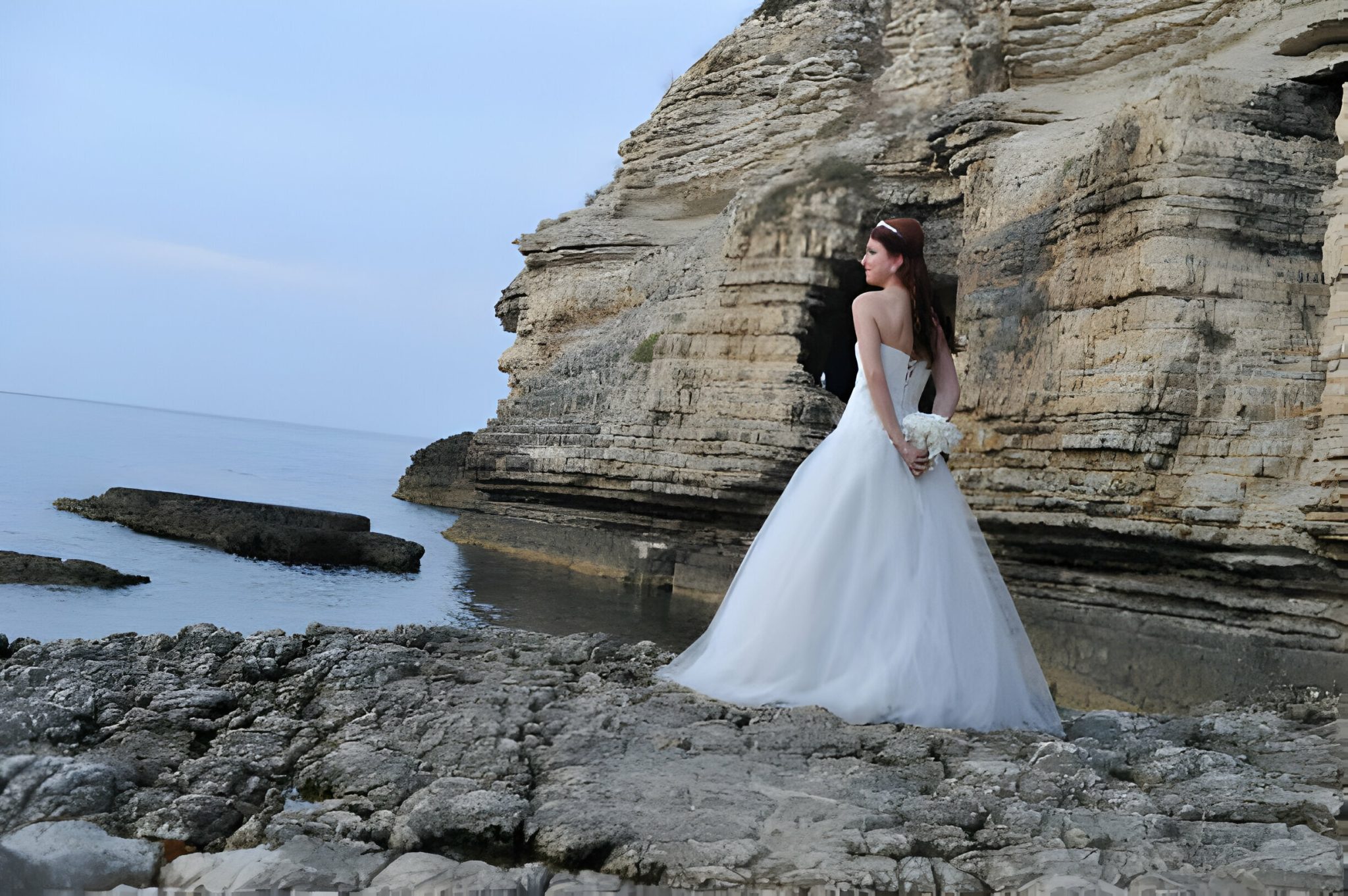
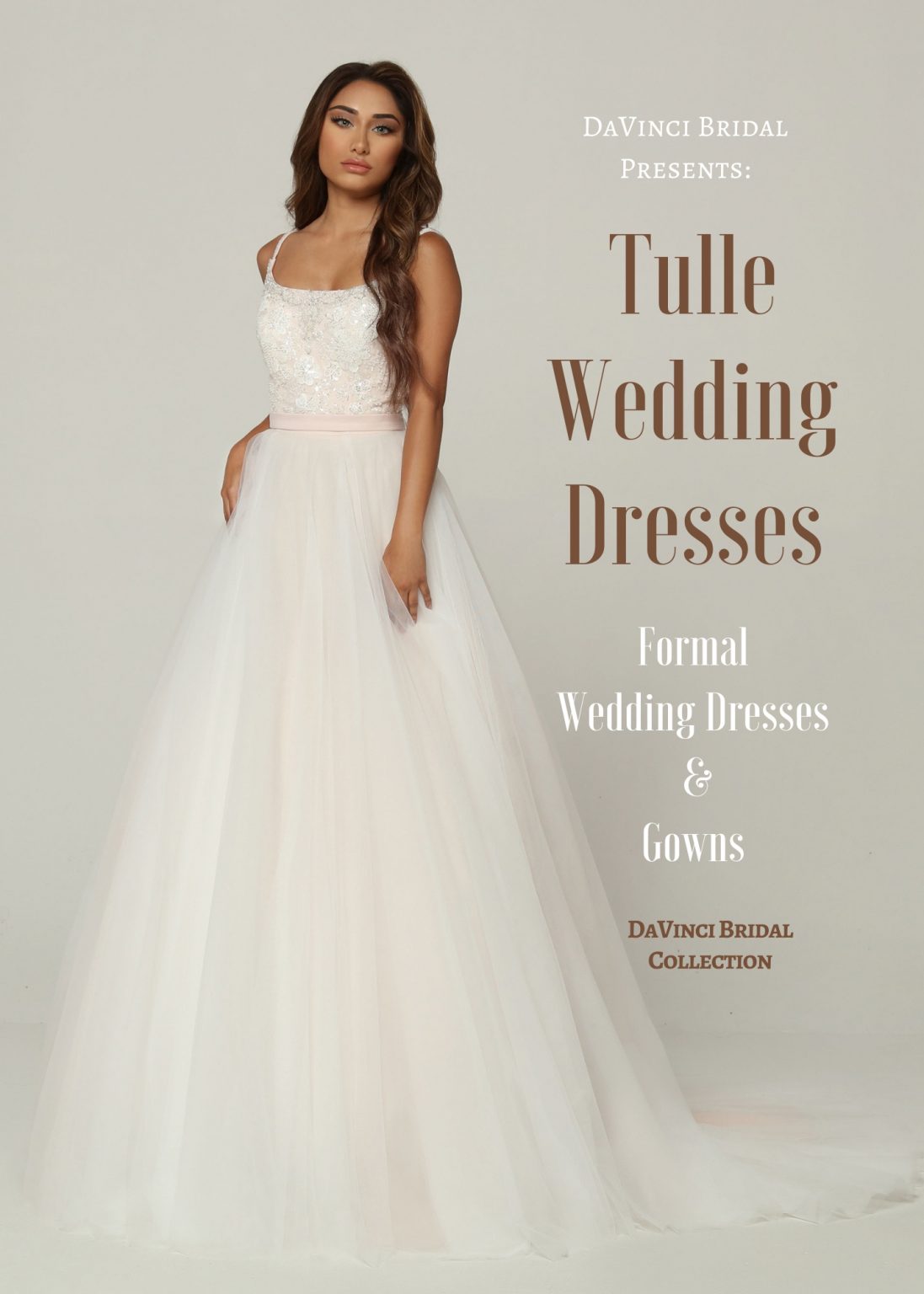
Finding the perfect wedding dress in 2026 requires balancing timeless elegance with contemporary innovations in textile technology and sustainable design. This guide categorizes 80 distinct styles and trends, ranging from high-tech "smart" fabrics and modular silhouettes to the resurgence of maximalist Victorian lace, ensuring every bride finds a gown that reflects her personal identity and venue.
The Evolution of Bridal Fashion in 2026
The bridal landscape of 2026 is defined by a shift away from "disposable" fashion and toward "investment" pieces that prioritize versatility and eco-consciousness. While previous years focused heavily on micro-trends, the current market is anchored in the "80 Styles" philosophy—a comprehensive spectrum that honors historical silhouettes while integrating modern comforts. Brides are no longer restricted to a single look; instead, they are embracing modularity, where one base dress can be transformed into multiple outfits through the use of detachable sleeves, overskirts, and capes.
Technological advancements have also revolutionized how these 80 styles are constructed. 3D-printed lace and recycled polymer satins have moved from experimental runways to mainstream bridal boutiques. These materials offer a level of precision in fit and a reduction in waste that was previously unattainable. Furthermore, the 2026 bride is increasingly interested in "transparency" in the supply chain, seeking out designers who provide documented evidence of ethical manufacturing and low-carbon shipping routes.
Categorizing the 80 Essential Wedding Dress Styles
To navigate the vast array of options, it is helpful to group the 80 most prominent styles into four primary aesthetic pillars: The New Minimalist, The Romantic Maximalist, The Tech-Forward Modernist, and The Vintage Revivalist. Each category offers a unique approach to the wedding day narrative, influenced by current cultural shifts toward individuality.
The New Minimalist: Sophistication in Simplicity
Minimalism in 2026 is not merely about "plain" dresses; it is about architectural precision. This category includes approximately 20 variations of the "clean" look. Key styles include the sculptural column gown, which uses heavy-weight crepe to create a sharp, statuesque silhouette, and the liquid silk slip dress, updated with internal corsetry to provide structure without bulk. Designers are focusing on the "quiet luxury" movement, where the value is found in the hidden details—bound seams, hand-rolled hems, and bespoke silk-covered buttons.
The Romantic Maximalist: Texture and Volume
For those seeking drama, the maximalist trends of 2026 provide an array of high-volume options. This group features the grand ballroom tiered tulle gown, often incorporating 3D floral appliqués that appear to "bloom" across the bodice. We also see the rise of the oversized bow aesthetic, where structural bows act as the primary focal point of the gown's back or shoulder. Within these 20 styles, texture is king; layered organza and laser-cut petals create a multi-dimensional effect that photographs exceptionally well in natural light.
The Tech-Forward Modernist: Innovation and Utility
Reflecting the needs of the modern, mobile bride, this category introduces styles like the bridal jumpsuit with a detachable cathedral train and the LED-integrated evening gown for high-concept receptions. These styles often utilize "shape-memory" fabrics that resist wrinkling—a significant benefit for destination weddings. Functional elements, such as discreet pockets and adjustable hemlines, are no longer considered "extras" but are standard requirements for the tech-forward bride who values comfort as much as aesthetics.
The Vintage Revivalist: Historical Homage
History continues to inspire, with approximately 20 styles drawing directly from the 1920s, 50s, and 90s. The Regency-core empire waist remains popular, updated with sheer paneling to modernize the look. The 90s-style square neck is also seeing a massive resurgence, providing a flattering frame for the collarbones and pairing perfectly with the minimalist jewelry trends of 2026. These dresses often feature "heritage" lace—patterns recreated from archival designs using modern, more durable threads.
Comparison of Popular 2026 Silhouettes
Selecting a silhouette is the first technical decision a bride must make. The following table compares the five most sought-after silhouettes based on their structural characteristics, recommended venues, and movement flexibility.
| Silhouette | Structural Characteristics | Best For | Movement Level |
|---|---|---|---|
| Ball Gown | Fitted bodice with a full, voluminous skirt starting at the waist. | Cathedrals, Grand Estates, Traditional Venues. | Moderate (requires space for the skirt). |
| A-Line | Narrow at the top and widening toward the hem in the shape of an "A". | All body types; Versatile for almost any venue. | High (comfortable for walking and dancing). |
| Mermaid | Closely fitted through the chest, waist, and hips; flares at or below the knee. | Formal evening weddings, Modern loft spaces. | Low (restricted stride due to knee taper). |
| Sheath/Column | A narrow shape that flows straight down from the neckline to the hem. | Beach weddings, Garden ceremonies, Minimalist themes. | High (very lightweight and effortless). |
| Mini/Midi | Hemlines ending above or just below the knee. | Courthouse weddings, Rehearsal dinners, Receptions. | Maximum (full range of motion). |
Textile Innovations and Fabric Selection
The "feel" of a wedding dress is determined by its fabric, and 2026 has introduced several game-changing textiles. Traditional silk is now frequently replaced by bio-engineered silk, which is vegan-friendly and more resistant to staining. For brides seeking a matte finish, recycled polyester crepe offers a heavy drape that rivals traditional wool crepes but with a significantly lower environmental footprint.
Lace has also undergone a digital transformation. Laser-cut lace allows for geometric patterns that were impossible to achieve with traditional looms. These patterns often reflect modern motifs—abstract lines, celestial bodies, or even personalized family crests. Meanwhile, stretch-illusion mesh has reached a level of transparency and strength that allows for "floating" appliqués to stay perfectly in place on the skin, creating the illusion of lace growing directly on the body.
The Modular Trend: Two-in-One and Three-in-One Gowns
A significant portion of the 80 styles currently trending involves modularity. In 2026, the "second look" is often achieved without purchasing a second dress. Modular components allow a bride to transition from a formal ceremony to a high-energy reception seamlessly.
- Detachable Sleeves: From voluminous puff sleeves to sleek opera-length gloves, these can be removed to reveal a strapless or spaghetti-strap bodice.
- Over-Skirts: A sheer or satin over-skirt can transform a sleek column dress into a dramatic ball gown for the walk down the aisle.
- Removable Capes: Replacing the traditional veil, capes offer a modern way to add "drama" and coverage during the ceremony, easily detached for the dinner and dance.
- Convertible Necklines: Magnetic or hidden snap closures allow brides to change a high-neck modest look into a deep V-neck style within seconds.
Planning and Procurement: Timing and Budgeting
Acquiring one of the 80 trending styles requires careful planning. In 2026, the average lead time for a made-to-order gown is 6 to 9 months. This timeframe accounts for fabric sourcing, multiple fittings, and the intricate hand-finishing required for high-end lace and beadwork.
Budgeting for a 2026 wedding dress should include not just the purchase price, but also alterations, which typically range from $500 to $1,200 depending on the complexity of the gown’s internal structure. Additionally, many brides are now opting for Bridal Insurance, which covers damages during transit or unforeseen wedding cancellations, a prudent step when investing in premium designer wear.
Frequently Asked Questions
What are the most popular wedding dress colors for 2026?
While traditional ivory remains the leader, 2026 is seeing a surge in "Non-White" options. Champagne, Soft Blush, and Digital Lavender (a pale, futuristic violet) are popular for brides wanting a subtle departure from tradition. Metallic accents in silver and rose gold are also frequently woven into lace patterns for a shimmering, multidimensional effect.
How do I choose a dress style that suits my venue?
The venue's environment should dictate the weight and length of the dress. For outdoor or beach weddings, lightweight fabrics like chiffon or organza in sheath or A-line silhouettes prevent overheating and allow for easier movement across sand or grass. For formal indoor venues like cathedrals or ballrooms, heavier fabrics like satin or brocade and longer trains provide the necessary scale and formality.
Are 3D-printed wedding dresses comfortable to wear?
Yes, modern 3D-printing in bridal fashion utilizes flexible polymers that mimic the movement of traditional textiles. These elements are typically used for decorative appliqués or structural bodices and are lined with soft silks or cottons to ensure they do not irritate the skin. They are often lighter than traditional heavy beadwork.
Can I customize a "trend" dress to be more modest?
Absolutely. Most designers offering the 80 styles mentioned in this guide provide customization options. This can include adding higher necklines, lengthening sleeves, or adding opaque linings to sheer "illusion" panels. It is recommended to discuss these modifications during the initial consultation to ensure the structural integrity of the design is maintained.
What should I bring to my first wedding dress fitting?
To ensure an accurate fit, you must bring the undergarments you plan to wear on the wedding day (such as specific shapewear or a seamless bra) and your wedding shoes. The height of the heel is critical for determining the correct hem length. If you have already chosen your jewelry or headpiece, bringing those can also help visualize the complete 2026 bridal look.
Final Recommendation for the 2026 Bride
The most effective way to navigate the "80 wedding dresses" style guide is to prioritize comfort and authentic self-expression over rigid adherence to any single trend. Begin your journey by identifying three keywords that describe your desired "vibe" (e.g., "Ethereal, Modern, Architectural") and use these as a filter when viewing gowns. Before committing to a purchase, ensure you have performed a "movement test"—sit down, dance, and raise your arms—to verify that the gown supports your activities throughout the wedding day. Finally, always consult with a professional tailor who specializes in bridal wear, as the final fit is what truly elevates a dress from a garment to a bespoke piece of art.