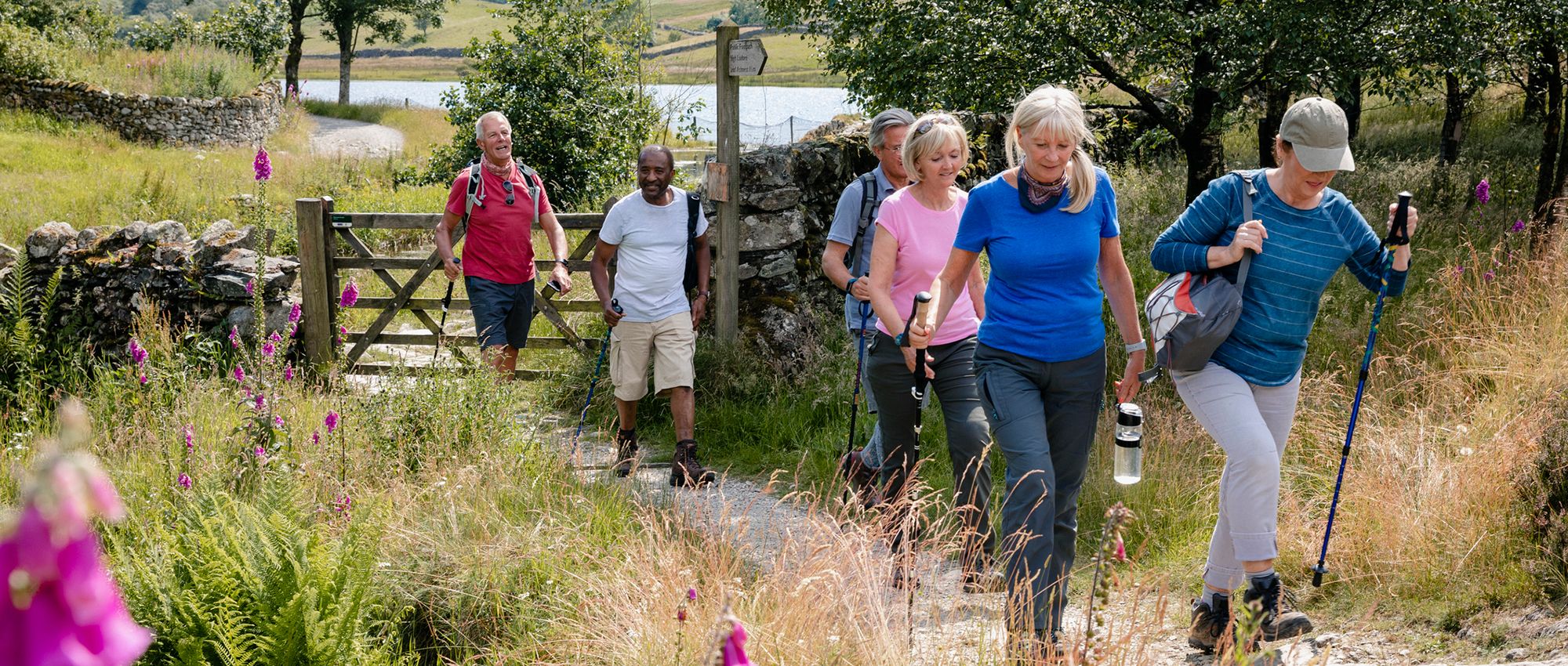
Walking is one of the most accessible and effective forms of physical activity to improve your cardiovascular health, stabilize metabolic function, and significantly elevate daily energy levels. By integrating intentional, brisk movement into your routine, you can trigger immediate physiological improvements that reduce chronic disease risk and enhance mental clarity without the need for specialized equipment.
The Physiological Foundation of Walking for Health
In 2026, clinical consensus continues to emphasize that walking is not merely a "lite" version of exercise, but a fundamental biological necessity for human longevity. Unlike high-intensity interval training (HIIT) which requires significant recovery time, walking serves as a low-impact, steady-state aerobic activity that can be sustained daily. When you walk, your heart rate enters "Zone 1" or "Zone 2," which are optimal for mitochondrial biogenesis—the creation of new energy-producing structures within your cells.
This cellular efficiency is the primary reason why a 20-minute walk often results in more sustained energy than a third cup of coffee. By increasing oxygen flow and nutrient delivery to tissues, walking flushes out metabolic waste products like adenosine, which contributes to daytime sleepiness. Furthermore, the rhythmic nature of walking promotes a state of "flow" that reduces the sympathetic nervous system's "fight or flight" response, replacing it with the restorative parasympathetic state.
1. Cardiovascular Strengthening and Stroke Prevention
The heart is a muscle that thrives on consistent, moderate demand. Walking at a brisk pace—defined as approximately 3 to 4 miles per hour—forces the heart to pump more blood per beat, a metric known as stroke volume. Over time, this strengthens the cardiac muscle and improves the elasticity of your arteries.
Research from the American Heart Association and similar global health bodies has consistently shown that 150 minutes of moderate-intensity walking per week can lower the risk of coronary heart disease by nearly 19%. This occurs because walking helps manage high blood pressure (hypertension) by reducing arterial stiffness. Additionally, it improves your lipid profile by increasing high-density lipoprotein (HDL) or "good" cholesterol while lowering low-density lipoprotein (LDL) and triglycerides. By maintaining these biomarkers, you effectively create a biological shield against atherosclerotic plaque buildup and subsequent cardiac events.
2. Metabolic Regulation and Blood Sugar Control
One of the most immediate "unlocks" for health through walking is its impact on glucose metabolism. For individuals managing Type 2 diabetes or those with pre-diabetic markers, the timing of a walk is just as important as the duration. A short, 10-to-15-minute walk taken immediately after meals has been shown to be significantly more effective at curbing blood sugar spikes than a long walk taken at a different time of day.
This phenomenon happens because skeletal muscles are the primary site for glucose clearance. When you walk after eating, your muscles use the circulating glucose for fuel, reducing the amount of insulin your pancreas needs to produce. In 2026, metabolic health is viewed as a cornerstone of energy management; by avoiding the "sugar crashes" associated with sedentary post-meal behavior, you maintain a stable energy baseline throughout the afternoon and evening.
3. Cognitive Enhancement and Mental Clarity
The brain benefits from walking just as much as the body. Physical activity stimulates the production of brain-derived neurotrophic factor (BDNF), a protein that acts like "Miracle-Gro" for neurons. BDNF supports the survival of existing neurons and encourages the growth of new ones, particularly in the hippocampus—the area of the brain responsible for memory and learning.
Moreover, walking has a documented "clearing" effect on the mind. Moving through an environment provides a steady stream of low-level visual and auditory stimuli that distracts the brain from repetitive, stressful thoughts (rumination). This is often referred to as "soft fascination." For creative professionals or students, walking has been shown to increase creative output by an average of 60% compared to sitting. If you are facing a mental block or "brain fog" today, a brisk walk is the most effective biological tool to reset your focus.
4. Weight Management and Sustainable Fat Oxidation
While walking burns fewer calories per minute than running, it is often superior for long-term weight management due to its sustainability and lower impact on appetite hormones. High-intensity exercise can sometimes trigger a compensatory hunger response, leading people to overeat after a workout. Walking, conversely, tends to suppress the hormone ghrelin (which signals hunger) while maintaining steady levels of leptin (which signals fullness).
In terms of fat oxidation, walking in a "fasted" state in the morning or maintaining a "Zone 2" heart rate encourages the body to utilize stored adipose tissue (fat) rather than relying solely on glycogen (carbohydrates). Over a period of months, the cumulative caloric deficit created by adding 5,000 to 10,000 steps daily can lead to significant, sustainable fat loss without the joint stress associated with high-impact sports.
5. Joint Health and Bone Density Preservation
Contrary to the myth that walking "wears out" the knees, it is actually essential for joint health. Most joint cartilage has no direct blood supply; it receives its nutrients from synovial fluid, which circulates when the joint moves. The weight-bearing nature of walking compresses and releases the cartilage in your knees, hips, and ankles, essentially "pumping" nutrients in and waste products out.
Furthermore, walking is a weight-bearing exercise that stimulates osteoblasts—the cells that build bone. This is critical for preventing osteoporosis and osteopenia as we age. In 2026, as the global population continues to live longer, the focus has shifted toward "functional longevity." Walking ensures that the skeletal structure remains dense enough to withstand falls and that the supporting connective tissues remain lubricated and resilient.
6. Immune System Resilience
Regular, moderate walking can significantly bolster your immune response. A study published in the British Journal of Sports Medicine followed over 1,000 adults and found that those who walked at least 20 minutes a day, five days a week, had 43% fewer sick days than those who exercised once a week or less.
When you walk, you increase the circulation of white blood cells and antibodies that are essential for fighting off infections. The temporary rise in body temperature during a brisk walk may also prevent bacteria from growing, similar to the way a low-grade fever works. By reducing systemic inflammation, walking allows the immune system to focus its resources on external pathogens rather than internal stress markers.
7. Improved Sleep Architecture
If you struggle with insomnia or poor sleep quality, your walking habits—particularly the timing—might be the solution. Exposure to natural morning light while walking helps calibrate your body’s internal clock, or circadian rhythm. This morning light triggers the early release of cortisol to wake you up and sets a timer for the release of melatonin approximately 14 hours later.
Walking also increases the "sleep pressure" (the build-up of adenosine) required for deep, restorative sleep. Research indicates that women and men who engage in regular morning walks report falling asleep faster and spending more time in the REM and Deep Sleep stages, which are crucial for physical repair and cognitive processing.
8. Social Connectivity and Longevity
While the physical benefits of walking are immense, the "unlock" of social walking shouldn't be ignored. Human beings are social creatures, and isolation is a known risk factor for early mortality. Walking with a partner, friend, or local walking group provides a double-benefit: the physical exercise and the emotional support of social interaction.
"Walking meetings" have also become a standard in the 2026 professional landscape. They reduce the hierarchy of a traditional boardroom and encourage more open, collaborative communication. By combining social or professional goals with physical movement, you reduce the perceived "effort" of the exercise, making it easier to stick to the habit long-term.
Comparison of Walking Intensities for Health Gains
To maximize your results, it is helpful to understand how different speeds and styles of walking impact your body. Use the table below to determine which type of walking aligns with your health goals for today.
| Walking Style | Average Speed (MPH) | Primary Benefit | Effort Level (1-10) | Recommended Frequency |
|---|---|---|---|---|
| Stroll / Leisurely | 1.5 – 2.5 | Joint mobility & stress reduction | 2 – 3 | Daily (anytime) |
| Brisk Walk | 3.0 – 4.0 | Cardiovascular health & fat burn | 5 – 6 | 150+ minutes / week |
| Power Walking | 4.5 – 5.5 | Aerobic capacity & muscle tone | 7 – 8 | 2-3 times / week |
| Incline Walking | Varies | Posterior chain strength & high caloric burn | 8 – 9 | 1-2 times / week |
| Nordic Walking | 3.0 – 4.5 | Full-body engagement (90% of muscles) | 6 – 7 | 2-3 times / week |
Frequently Asked Questions
Is walking 10,000 steps really necessary for health benefits?
No, the 10,000-step goal was originally a marketing tool rather than a medical requirement. Modern research suggests that significant health benefits, including reduced mortality risk, begin to plateau around 7,000 to 8,000 steps. For many, focusing on the intensity (briskness) and the duration (at least 30 minutes) is more impactful than hitting a specific five-digit number.
Can walking replace the need for high-intensity gym workouts?
Walking can serve as the foundation of fitness, especially for cardiovascular and metabolic health. However, for a complete health profile, it is recommended to supplement walking with at least two days of resistance training to maintain muscle mass. For those whose primary goal is general health and longevity, walking is often sufficient to meet the majority of aerobic requirements.
How do I stay motivated to walk when the weather is poor?
In 2026, many individuals use "indoor walking" routines, mall walking, or treadmills to maintain consistency. Another strategy is to focus on "habit stacking"—only listening to your favorite podcast or audiobook while walking. This creates a dopamine reward system that associates the activity with entertainment.
Does walking help with lower back pain?
Yes, walking is often prescribed for chronic low-back pain. It is a low-impact activity that increases blood flow to the spinal structures and strengthens the core muscles that support the spine. However, it is important to maintain an upright posture and wear supportive footwear to avoid additional strain.
What is the best time of day to walk for energy?
For a morning energy boost and circadian rhythm regulation, walking within 30 minutes of waking up is ideal. For metabolic health and preventing "afternoon slumps," a 15-minute walk after lunch is most effective. Both times provide distinct benefits, so choose based on your most pressing health need.
Your Next Action: The "Power 15" Routine
To unlock these benefits today, do not wait for the "perfect" time for a long trek. Start with the Power 15 routine: immediately after your next meal, step outside and walk at a pace where you can still talk but would find it difficult to sing. This 15-minute investment will stabilize your blood sugar, clear your mind for the next task, and contribute to your weekly cardiovascular goals. Consistency is the primary driver of physiological change; by making the "Power 15" a non-negotiable part of your daily schedule, you build the foundation for long-term health and vitality in 2026 and beyond.