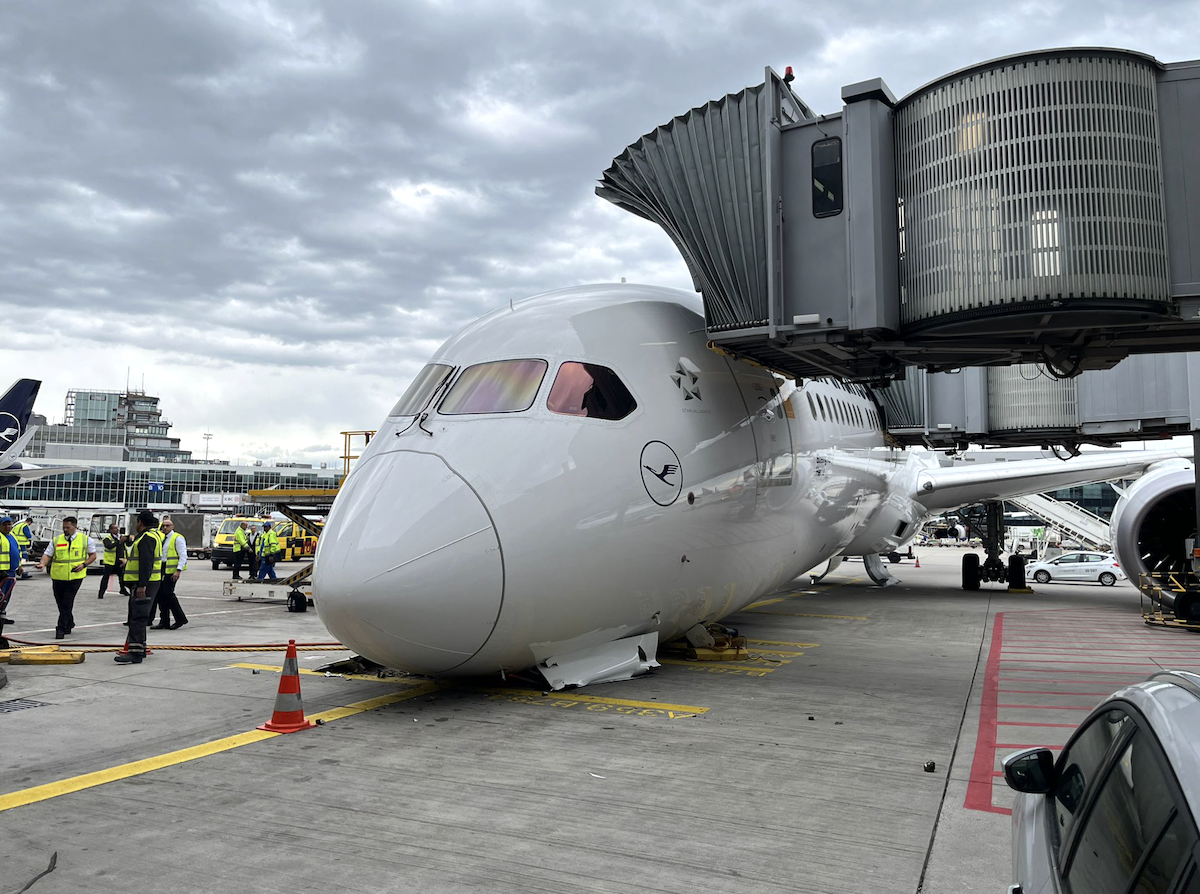
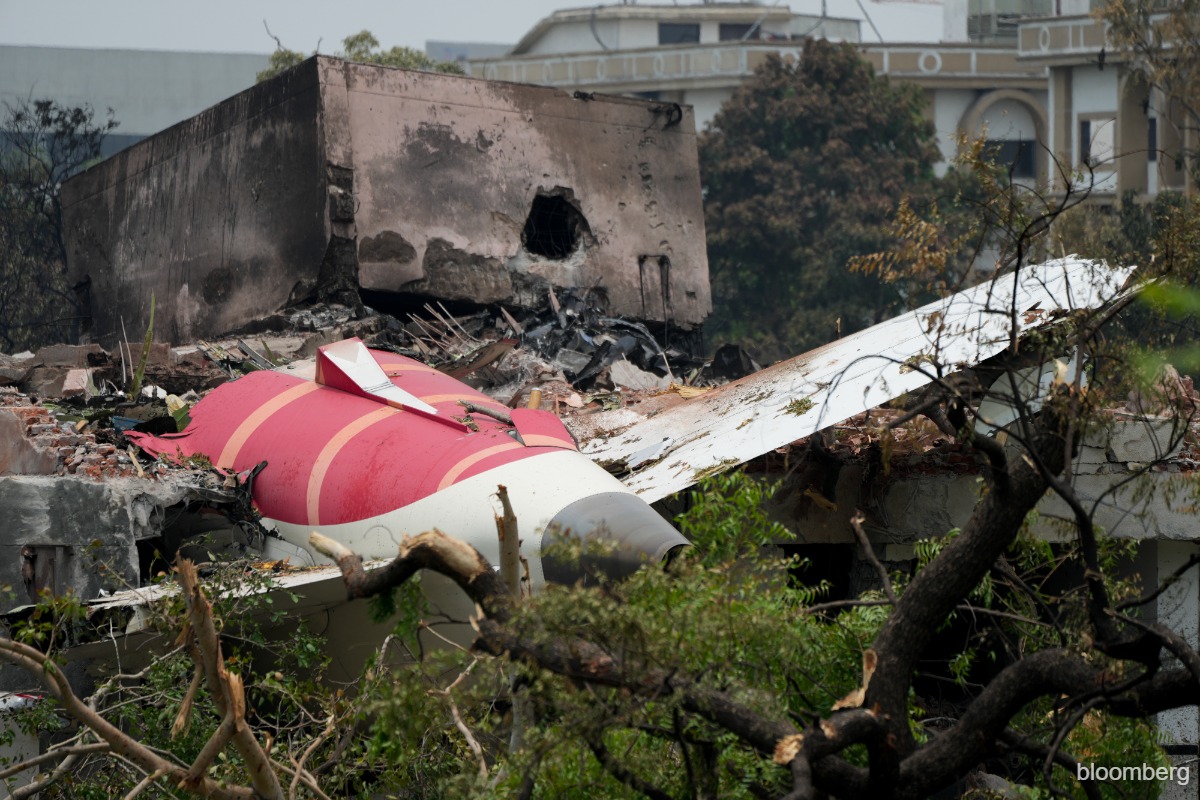
The Boeing 787 Dreamliner has experienced several high-profile incidents since its 2011 debut, ranging from lithium-ion battery fires that grounded the global fleet in 2013 to more recent manufacturing quality concerns and cockpit hardware malfunctions. While these events have drawn intense regulatory scrutiny, the aircraft maintains a statistically strong safety record compared to previous generations of widebody jets, with rigorous engineering retrofits and updated FAA oversight addressing the most critical systemic failures.
The Boeing 787 Dreamliner represented a paradigm shift in commercial aviation. As the first major airliner constructed primarily of composite materials and utilizing a "more electric" architecture, it promised—and delivered—unprecedented fuel efficiency and passenger comfort. However, this leap in technology brought a unique set of challenges. To understand the safety profile of the 787 in 2026, one must examine the chronological progression of its technical hurdles, the regulatory responses they triggered, and how these incidents have shaped modern aviation safety standards.
The 2013 Battery Crisis and Global Grounding
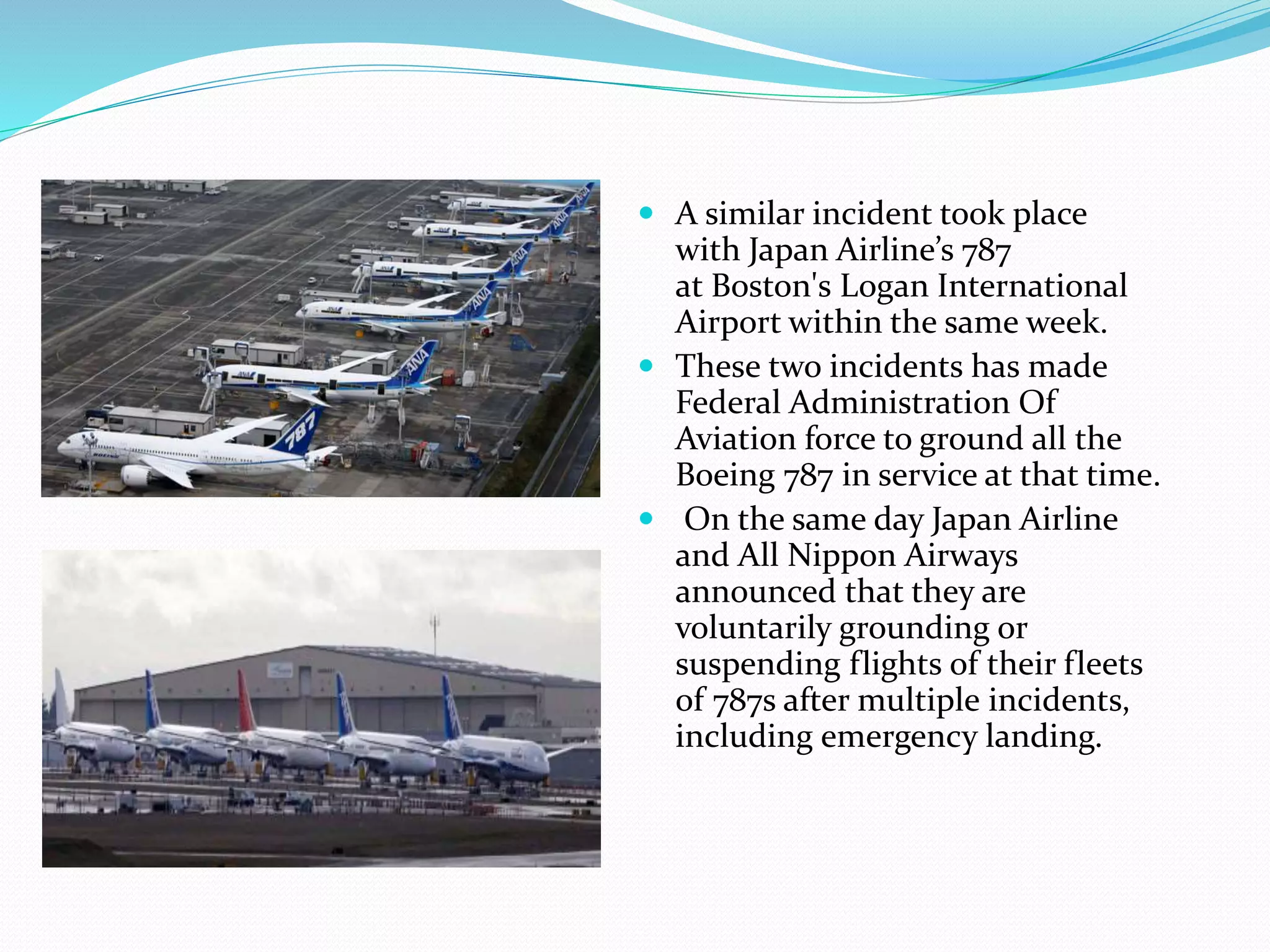
The most significant event in the 787’s operational history occurred early in its service life. In January 2013, the Federal Aviation Administration (FAA) issued an emergency airworthiness directive grounding all U.S.-registered Boeing 787s following a series of lithium-ion battery failures. This was the first time the FAA had grounded an entire aircraft model since 1979.
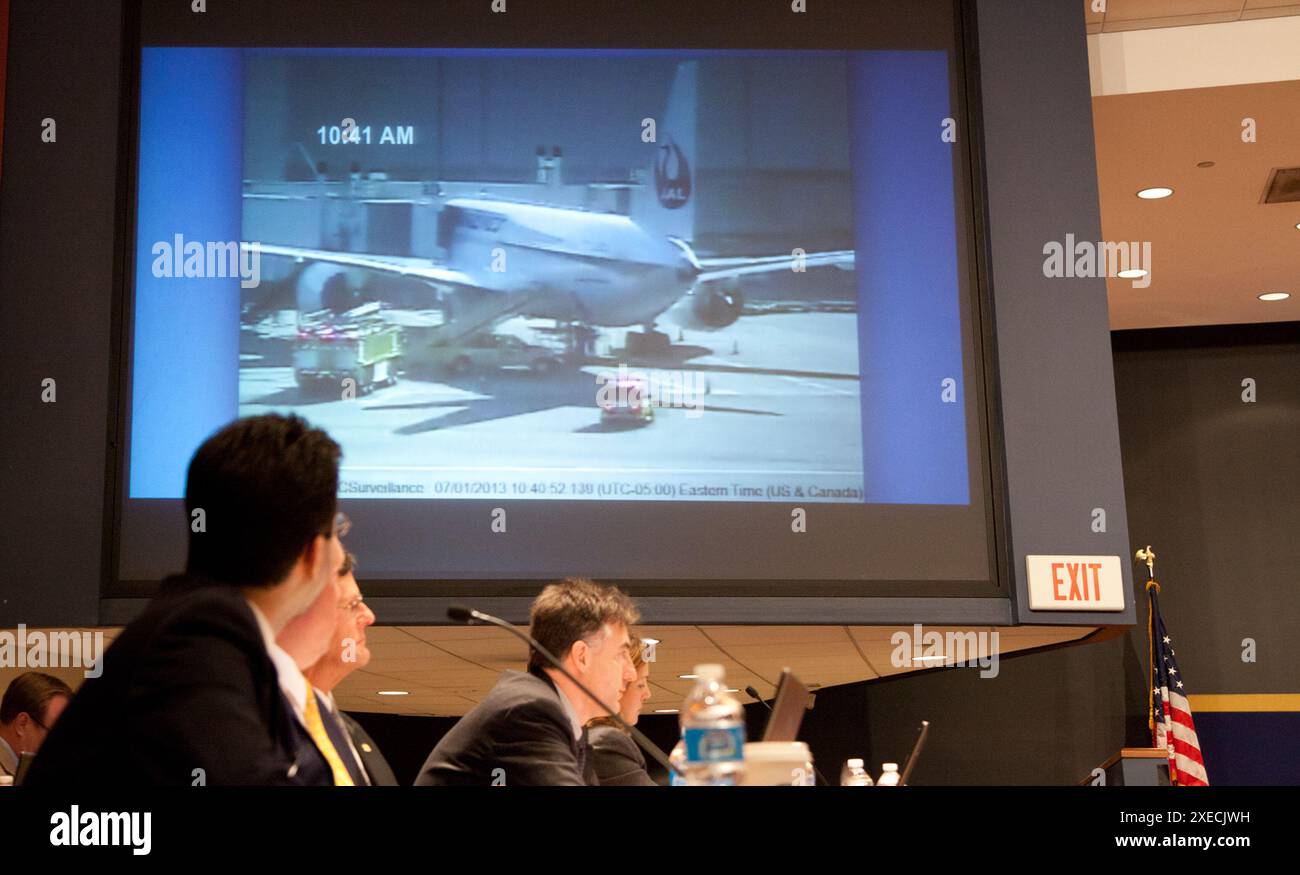
The incidents involved "thermal runaway"—a process where an individual cell in the battery overheats, triggering a chain reaction in adjacent cells. On January 7, 2013, a Japan Airlines 787 experienced a battery fire while parked at Boston Logan International Airport. Days later, an All Nippon Airways (ANA) flight was forced to make an emergency landing in Japan after pilots received battery malfunction alerts and smelled smoke.
Technical Root Causes and Engineering Fixes
The investigation, spearheaded by the National Transportation Safety Board (NTSB), identified several factors contributing to the failures, including internal short-circuiting and the high energy density of the lithium-cobalt-oxide chemistry used at the time. To return the fleet to service, Boeing implemented a three-layered solution:
- Redesigned Internal Components: Increased insulation between cells to prevent the spread of thermal runaway.
- Stricter Manufacturing Standards: Enhanced screening and testing of battery cells during production.
- The Containment Box: Perhaps the most visible change was the installation of a high-strength stainless steel enclosure designed to contain fire and vent smoke directly outside the aircraft, ensuring that even if a battery failed, it would not compromise the hull or cabin air.
Engine Reliability: The Rolls-Royce Trent 1000 Issues
While the 787 is offered with two engine options—the General Electric GEnx and the Rolls-Royce Trent 1000—the latter faced significant durability challenges that affected a large portion of the global fleet between 2016 and 2020.
The primary issue involved the Intermediate Pressure Compressor (IPC) blades, which were found to be susceptible to premature corrosion and cracking, particularly in environments with high atmospheric sulfur. This led to a series of "uncommanded shutdowns" and forced airlines to ground dozens of aircraft simultaneously for inspections and engine swaps.
Rolls-Royce eventually developed "TEN" (Thrust, Efficiency, and New technology) iterations and redesigned blade sets to mitigate these risks. However, the financial and operational impact was immense, forcing Boeing and Rolls-Royce to coordinate a multi-year recovery plan to restore fleet availability. These incidents highlighted the risks associated with pushing the boundaries of turbine temperature and pressure ratios in the pursuit of fuel efficiency.
Manufacturing Quality and Structural Integrity Concerns
Between 2020 and 2024, the 787 program faced a different type of crisis: systemic manufacturing quality issues. Unlike the battery fires, these were not immediate "in-flight" emergencies but rather "non-conformities" in the production process that had the potential to affect the long-term structural integrity of the airframe.
Fuselage Gaps and Shimming
Boeing discovered that sections of the carbon-fiber fuselage, manufactured in South Carolina and elsewhere, were not meeting the precise flatness specifications required for joining. In some cases, the gaps were as small as 0.005 inches—roughly the thickness of a human hair—but in the world of high-altitude pressurized vessels, these deviations can lead to premature fatigue.
Furthermore, improper "shimming" (the process of filling gaps between structural components) was identified in several areas, including the horizontal stabilizer. These discoveries led the FAA to strip Boeing of its authority to self-certify new 787s for a period, requiring individual inspections of every aircraft before delivery.
Delivery Halts and Regulatory Oversight
The fallout resulted in two major delivery pauses: one from late 2020 to mid-2021, and another extending through much of 2022. During this time, Boeing was forced to develop a comprehensive inspection and rework protocol known as the "Join 5" verification. By 2026, these manufacturing processes have been largely digitized and automated to prevent human error in gap measurement, though the era of intense FAA oversight remains a defining characteristic of the program’s maturity.
Notable Operational Incidents and Human Factors
Beyond systemic design or manufacturing flaws, the 787 has been involved in several isolated incidents that emphasize the importance of cockpit management and hardware maintenance.
The LATAM Flight 800 Incident (2024)
In March 2024, a LATAM Airlines Boeing 787-9 experienced a sudden, violent drop during a flight from Sydney to Auckland, injuring dozens of passengers. The subsequent investigation focused on a motorized seat switch in the cockpit. Reports indicated that a flight attendant, while serving a meal, may have accidentally pressed a switch on the back of the pilot's seat, causing the seat to move forward and push the pilot into the control column, which disconnected the autopilot and initiated a dive.
This incident was a stark reminder that even the most advanced fly-by-wire systems can be compromised by simple physical hardware vulnerabilities. Boeing subsequently issued a memo to operators regarding the inspection and maintenance of cockpit seat switches to prevent unintended movement.
Windshield Cracking
Several 787 operators have reported incidents of cockpit windows cracking mid-flight. While commercial aircraft windows are multi-layered and designed to withstand significant pressure even when the outer layer fails, these incidents often require immediate descents and diversions. In most cases, the cause was attributed to failures in the electrical heating elements used for de-icing, which created localized thermal stress on the glass.
Technical Comparison of 787 Variants and Safety Systems
The following table outlines the key technical specifications and the safety-critical systems that have been updated following the aforementioned incidents.
| Feature / Variant | 787-8 | 787-9 | 787-10 | Primary Safety Update |
|---|---|---|---|---|
| Seating (Typical) | 242 | 290 | 330 | N/A |
| Range (nmi) | 7,305 | 7,565 | 6,330 | N/A |
| Fuselage Material | CFRP Composite | CFRP Composite | CFRP Composite | Enhanced Gap Verification |
| Battery System | Li-ion (8-cell) | Li-ion (8-cell) | Li-ion (8-cell) | Stainless Steel Containment |
| Flight Controls | Fly-by-wire | Fly-by-wire | Fly-by-wire | Seat Switch Guard Rails |
| Engine Options | GEnx / Trent 1000 | GEnx / Trent 1000 | GEnx / Trent 1000 | Redesigned IPC Blades |
The Role of the FAA and EASA in 787 Oversight
The landscape of aviation regulation changed fundamentally following the 737 MAX crisis, and the 787 has been a primary focus of this "new era" of scrutiny. The FAA has shifted away from the "Organization Designation Authorization" (ODA) model, which allowed Boeing employees to act on behalf of the regulator, toward a more hands-on approach.
For the 787, this means that the FAA now directly oversees the final inspections of specific structural joins and flight-critical software updates. The European Union Aviation Safety Agency (EASA) has also taken a more independent stance, often performing its own validation of Boeing’s fixes rather than automatically accepting FAA certification. While this has slowed delivery timelines, it has arguably created a more robust safety net for the 787 fleet as it continues to age.
How safe is the Boeing 787?
The 787 is statistically one of the safest aircraft in the sky. As of 2026, the hull loss rate remains at zero. The vast majority of "incidents" reported in the media are categorized as mechanical diversions or precautionary landings—events that occur across all aircraft types but receive disproportionate coverage due to the 787's high-profile history.
What happened with the 787 battery fires?
In 2013, lithium-ion batteries in two different 787s experienced thermal runaway, leading to smoke and fire. This resulted in a four-month global grounding. Boeing fixed the issue by redesigning the battery internal structure and adding a heavy-duty stainless steel containment box that vents any smoke or heat outside the aircraft.
Why were 787 deliveries paused for so long?
Deliveries were paused primarily between 2020 and 2022 because Boeing discovered that various fuselage sections did not meet microscopic flatness specifications. The FAA required Boeing to inspect and rework hundreds of aircraft to ensure they met structural integrity standards for their full 20-to-30-year expected lifespans.
Was the LATAM "nose dive" caused by a software glitch?
No. Evidence points to a "human factors" incident involving a physical switch on the pilot's seat. A flight attendant likely bumped a switch while the seat was in use, driving the pilot forward into the controls. Boeing has since issued guidance on how to secure these switches to prevent accidental activation.
Are the engine issues on the 787 resolved?
Yes, for the most part. Rolls-Royce developed new "Package X" and "TEN" versions of the Trent 1000 engine with redesigned compressor blades. Airlines have completed the majority of these retrofits, and the number of aircraft grounded for engine issues has dropped significantly since the peak in 2018.
Verifying Flight Safety and Future Actions
For passengers and operators in 2026, the Boeing 787 remains a cornerstone of long-haul travel. To stay informed about the ongoing safety status of the fleet, individuals can monitor the FAA’s Airworthiness Directives (ADs) or the NTSB’s Aviation Investigation database.
When booking travel, passengers can identify the 787 by its unique "raked" wingtips and four-panel cockpit windshield. While no aircraft is immune to mechanical failure, the extensive "growing pains" of the 787 have resulted in one of the most thoroughly inspected and reinforced airframes in aviation history. The transition from a revolutionary new design to a stable, mature platform is now largely complete, with the focus shifting from emergency fixes to routine, data-driven maintenance.