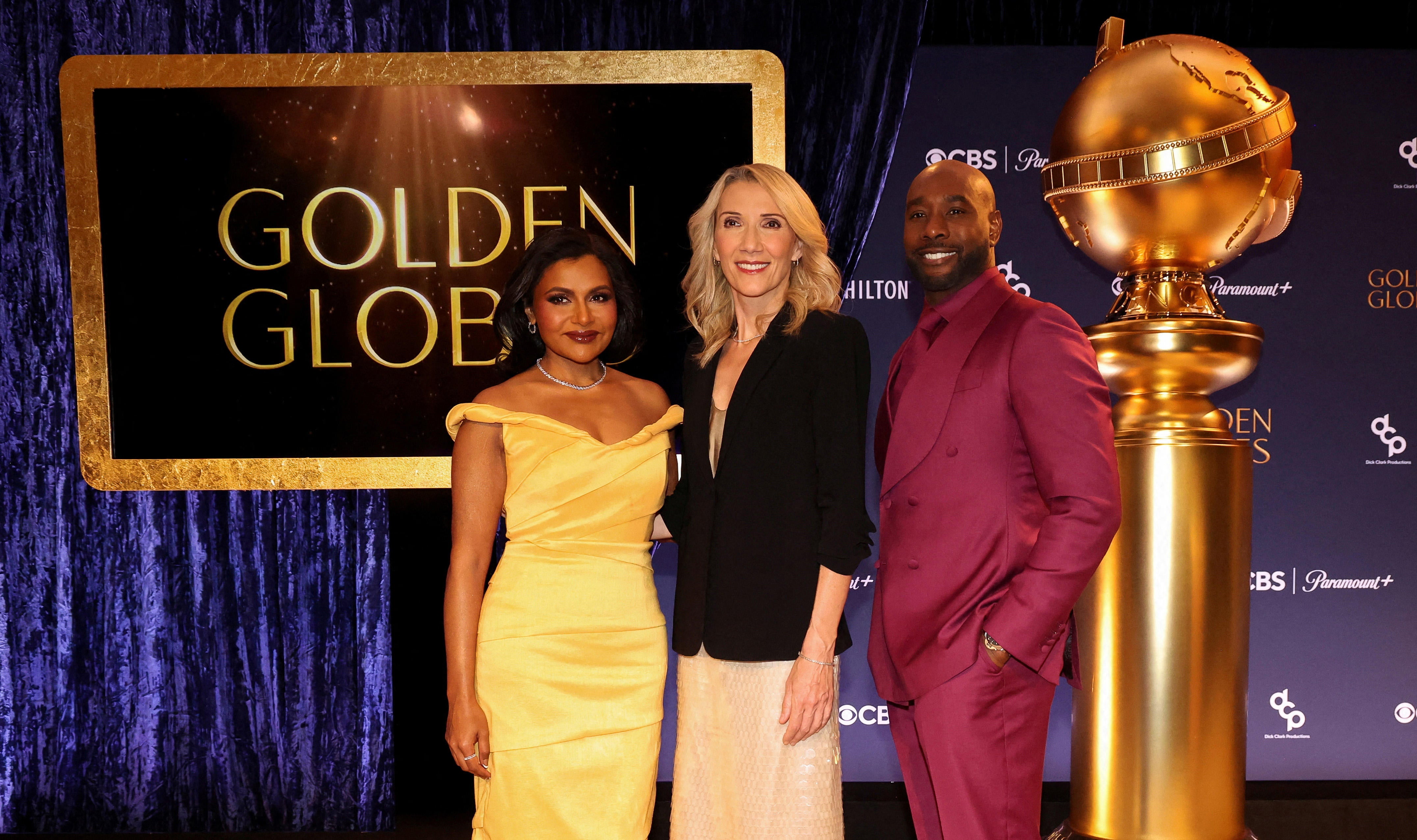
The 76th Golden Globe Awards, held on January 6, 2019, at the Beverly Hilton in Beverly Hills, California, honored the finest achievements in film and television for the 2018 calendar year. The ceremony was broadcast by NBC, hosted by Andy Samberg and Sandra Oh, and served as a pivotal bellwether for the subsequent Academy Awards race, highlighting major critical successes like Green Book and Bohemian Rhapsody.
Context and Significance of the 76th Ceremony
The Golden Globe Awards, presented annually by the Hollywood Foreign Press Association (HFPA), occupy a unique position in the entertainment industry. Unlike the Academy Awards, which are voted on by industry peers, the Golden Globes are decided by a select group of international journalists based in Southern California. This distinction often results in a more eclectic mix of nominees, spanning both domestic and international cinema and television, often serving as the first major indicator of momentum during "Awards Season."
The 76th edition was particularly notable for the diversity of its nominees and the shift in prestige toward streaming platforms. While traditional film studios maintained a significant presence, the rise of Netflix and Amazon Studios became impossible to ignore, signaling a fundamental shift in how prestige media is produced, distributed, and consumed. For film historians and enthusiasts, this ceremony marks a point in time where the traditional theater-first model began to compete aggressively with the subscription-based on-demand landscape.
Major Motion Picture Winners
The film categories during the 76th ceremony were characterized by strong performances and narratives that balanced artistic ambition with commercial viability. Green Book, directed by Peter Farrelly, emerged as the victor in the Best Motion Picture – Musical or Comedy category, while Bohemian Rhapsody, the biographical drama chronicling the life of Freddie Mercury, secured the top honor for Best Motion Picture – Drama.
Individual acting honors were equally competitive, reflecting a year of transformational performances. Glenn Close’s victory for her role in The Wife was a standout moment, as was Rami Malek’s win for Best Actor in a Motion Picture – Drama for his portrayal of Freddie Mercury. These wins were significant not only for the performers involved but for the narrative weight they carried, as each award reinforced the critical consensus that had been building throughout the latter half of 2018.
Television Excellence and Streaming Dominance
Television categories at the 76th Golden Globes reflected the "Golden Age" of episodic content. The Americans concluded its acclaimed run by winning the award for Best Television Series – Drama, a recognition many critics felt was long overdue. Meanwhile, in the comedy space, The Kominsky Method took home the top prize, highlighting the Academy’s appreciation for mature, character-driven storytelling.
Streaming services proved their mettle throughout the evening. Netflix, in particular, secured multiple wins across categories, reinforcing its transition from a content aggregator to a powerhouse of original prestige filmmaking and episodic production. This trend underscored the reality that audiences were no longer tethered to traditional broadcast schedules, a shift that has continued to define the industry through 2026.
Summary of Key Categories and Winners
The following table provides a snapshot of the primary categories, showcasing the competitive landscape that defined the 76th Golden Globe Awards.
| Category | Winner | Notable Nominees |
|---|---|---|
| Best Motion Picture – Drama | Bohemian Rhapsody | Black Panther, If Beale Street Could Talk |
| Best Motion Picture – Musical or Comedy | Green Book | The Favourite, Crazy Rich Asians |
| Best Actor – Motion Picture Drama | Rami Malek (Bohemian Rhapsody) | Bradley Cooper, Willem Dafoe |
| Best Actress – Motion Picture Drama | Glenn Close (The Wife) | Lady Gaga, Melissa McCarthy |
| Best Television Series – Drama | The Americans | Bodyguard, Homecoming |
| Best Television Series – Musical or Comedy | The Kominsky Method | Barry, The Good Place |
Analytical Perspective on the Judging Criteria
The HFPA’s judging process involves a blend of artistic merit and, occasionally, a bias toward films that generate significant cultural conversation. This is why the Golden Globes are often viewed as a bridge between the niche critical favorites (which often dominate the Independent Spirit Awards) and the broader populist appeal of the Oscars.
For the 76th ceremony, the inclusion of foreign-language films and the specific segmentation of "Musical or Comedy" allowed the HFPA to recognize films that might otherwise be overlooked by more rigid award bodies. The requirement for eligibility remains consistent: all motion pictures must have been released during the calendar year, and television programs must be accessible to the viewing public during the same period.
Common Misconceptions Regarding the Awards
A frequent point of confusion for casual viewers involves the status of the Golden Globes as a direct predictor of Oscar success. While there is a high correlation between the two, they are distinct entities. A win at the Golden Globes does not guarantee an Academy Award, though it often facilitates "For Your Consideration" campaigns by building media buzz. Another misconception is that the HFPA awards represent the entire Hollywood industry; in reality, the voting body is significantly smaller and more insular than the Academy of Motion Picture Arts and Sciences, which consists of thousands of members.
Frequently Asked Questions
Who hosts the Golden Globe Awards?
The hosts are typically selected by the producing network (often NBC) and the HFPA. For the 76th ceremony, actors Andy Samberg and Sandra Oh were selected to host, marking a departure from the more biting, acerbic style of previous hosts in favor of a warmer, collaborative energy.
What are the eligibility requirements for the Golden Globes?
To be eligible, a motion picture must be at least 70 minutes in length and have a public run of at least seven days in the Los Angeles area. Television entries must be submitted by the production companies and meet specific broadcast or streaming availability standards for the relevant calendar year.
How are the winners determined?
Winners are determined by the vote of the members of the Hollywood Foreign Press Association. Unlike peer-group voting, which dominates many other awards, this is a journalistic-based vote, which prioritizes the narrative and reach of the film or television show as much as its technical craftsmanship.
Can streaming platforms win Golden Globes?
Yes, streaming platforms have been eligible for years, provided they meet the same theatrical or broadcast requirements as traditional media. As of 2019, this included a brief theatrical release requirement for films to be considered for Motion Picture categories.
Where can I view the full list of historical nominees?
The official website of the Golden Globe Awards (goldenglobes.com) maintains a comprehensive, searchable database of all historical nominees and winners dating back to the inception of the awards, including the full list for the 76th ceremony.
Next Steps for Researching Award History
For those interested in further study, reviewing the intersection of critical reviews from 2018 and the ultimate voting outcomes provides a fascinating look into the media ecosystem of the late 2010s. It is recommended to compare the 76th Golden Globe results with the 91st Academy Awards to see where the voting bodies aligned and where they diverged. Understanding these discrepancies is key to mastering the nuances of industry awards and the broader history of cinematic recognition.