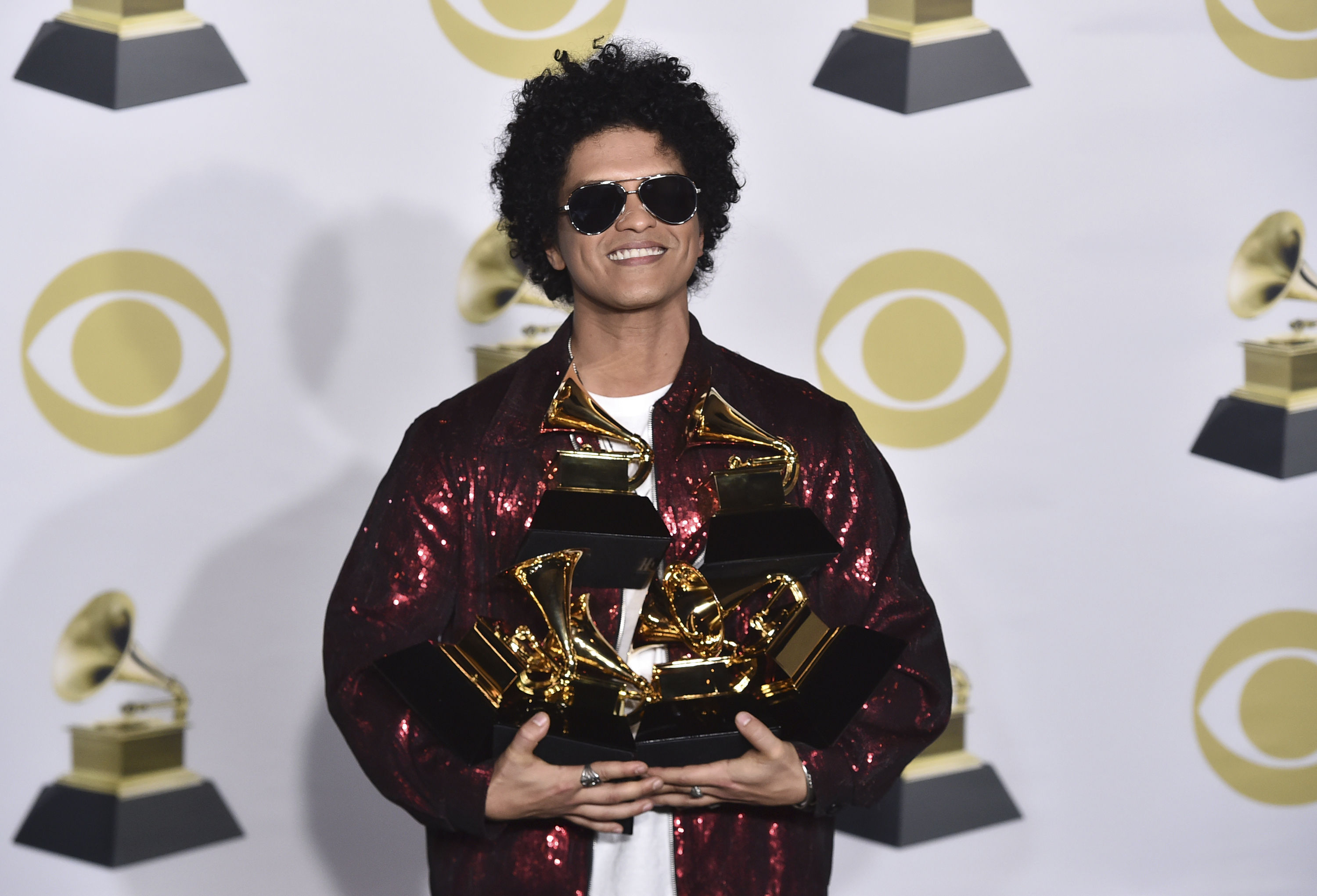
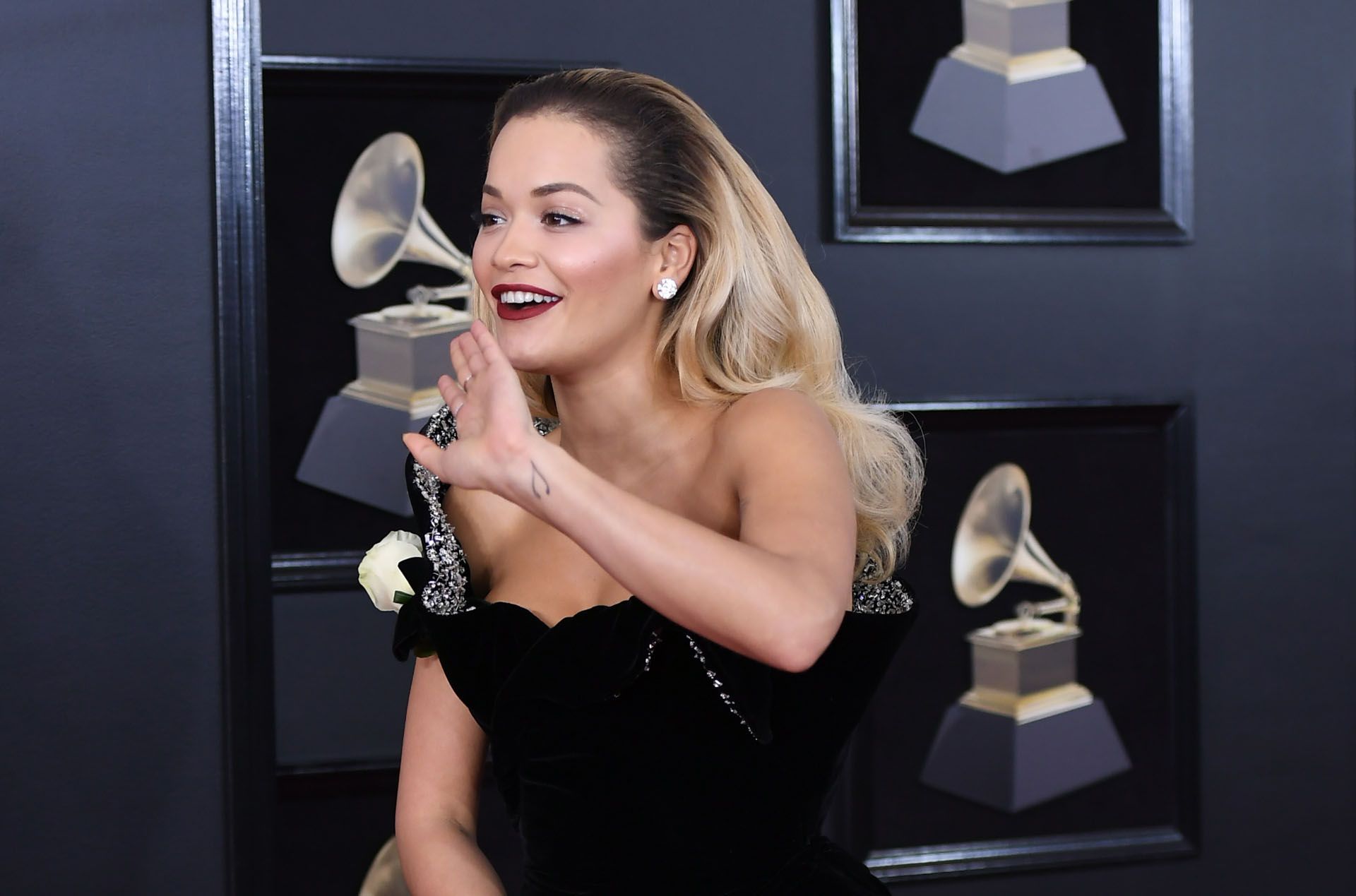
The 60th Annual Grammy Awards, held on January 28, 2018, at Madison Square Garden in New York City, marked a historic milestone for the Recording Academy. Bruno Mars dominated the evening, winning in all six of his nominated categories, including Album, Record, and Song of the Year. The ceremony is equally remembered for its intense cultural commentary and the "Time's Up" movement's presence.
Historical Context and the Return to New York City
The 60th Grammy Awards represented a significant departure from tradition by relocating from its long-standing home at the Staples Center in Los Angeles to Madison Square Garden in New York City. This move was intended to honor the 60th anniversary of the awards by returning to the city where the very first ceremony was held in 1959. The logistical undertaking was immense, requiring the Recording Academy and CBS to coordinate a massive production in one of the world’s most famous, yet architecturally challenging, arenas.
James Corden returned as the host for the second consecutive year, bringing a mix of humor and musical appreciation to the broadcast. The 2018 ceremony took place against a backdrop of significant social upheaval in the United States. The "Me Too" and "Time's Up" movements were at their peak, and the music industry was facing its own reckoning regarding gender representation and diversity. This atmosphere heavily influenced the evening's programming, from the fashion on the red carpet to the emotional weight of the performances.
From a technical standpoint, the eligibility period for the 60th Grammys ran from October 1, 2016, to September 30, 2017. This window captured a transformative era in music where streaming services had officially become the dominant medium for consumption, a fact reflected in the increased presence of hip-hop and R&B artists in the primary "General Field" categories.
Bruno Mars and the Night of the Sweep
The most significant narrative of the 60th Grammy Awards was the overwhelming success of Bruno Mars and his album, 24K Magic. Mars achieved a rare feat by sweeping the "Big Three" categories. His victory in Album of the Year was seen by many as a testament to his craftsmanship in blending classic R&B, funk, and pop elements into a cohesive, high-energy package.
The technical excellence of the 24K Magic production was a focal point for the Academy voters. The album utilized a blend of vintage synthesizers and modern digital processing to recreate a 1990s New Jack Swing aesthetic. This nostalgia-driven but polished sound resonated deeply with the voting membership.
Record and Song of the Year
Mars' "24K Magic" won Record of the Year, while "That’s What I Like" secured Song of the Year. The distinction between these two categories is often a point of confusion for viewers: Record of the Year recognizes the artists, producers, and engineers who created the specific track, while Song of the Year is a songwriter’s award. By winning both, Mars and his production team, The Stereotypes and Shampoo Press & Curl, solidified their status as the architects of the year's most impactful sound.
Kendrick Lamar and the Hip-Hop Dominance
While Bruno Mars took home the general prizes, Kendrick Lamar dominated the Rap categories. Lamar’s album DAMN. was both a critical powerhouse and a commercial juggernaut, winning Best Rap Album. Lamar also took home Best Rap Performance, Best Rap/Sung Performance, and Best Rap Song for the track "HUMBLE."
The inclusion of Kendrick Lamar and Jay-Z (who led the nominations with eight) in the major categories was viewed as a step forward for the Academy, which had historically been criticized for relegating hip-hop to genre-specific awards. However, the fact that Lamar lost the top prize to the more pop-oriented Mars sparked significant debate among critics and fans regarding the Academy's persistent preference for traditional pop structures over experimental or socially conscious rap.
Major Winners and Nominees of the 60th Grammy Awards
The following table outlines the winners and key nominees in the primary categories, showcasing the competitive landscape of the 2018 ceremony.
| Category | Winner | Notable Nominees |
|---|---|---|
| Album of the Year | 24K Magic – Bruno Mars | DAMN. (Kendrick Lamar), 4:44 (Jay-Z), “Awaken, My Love!” (Childish Gambino), Melodrama (Lorde) |
| Record of the Year | "24K Magic" – Bruno Mars | "Humble" (Kendrick Lamar), "The Story of O.J." (Jay-Z), "Redbone" (Childish Gambino), "Despacito" (Luis Fonsi & Daddy Yankee ft. Justin Bieber) |
| Song of the Year | "That’s What I Like" | "Despacito," "4:44," "Issues," "1-800-273-8255" |
| Best New Artist | Alessia Cara | SZA, Khalid, Lil Uzi Vert, Julia Michaels |
| Best Rap Album | DAMN. – Kendrick Lamar | 4:44 (Jay-Z), Culture (Migos), Laila’s Wisdom (Rapsody), Flower Boy (Tyler, The Creator) |
| Best Pop Vocal Album | ÷ (Divide) – Ed Sheeran | Kaleidoscope EP (Coldplay), Lust for Life (Lana Del Rey), Evolve (Imagine Dragons), Rainbow (Kesha) |
| Best Country Album | From A Room: Volume 1 | Cosmic Hallelujah (Kenny Chesney), Heart Break (Lady Antebellum), The Breaker (Little Big Town), Life Changes (Thomas Rhett) |
Landmark Performances and Cultural Statements
The 60th Grammys were defined as much by the performances as by the awards. The evening opened with a high-concept performance by Kendrick Lamar, featuring guest appearances by Dave Chappelle and U2. The set was a blistering commentary on American politics and race, setting a serious tone for the night.
The Power of "Praying"
One of the most emotionally resonant moments in Grammy history occurred when Kesha performed her hit "Praying." Surrounded by a "choir" of female artists including Cyndi Lauper, Camila Cabello, Julia Michaels, Andra Day, and Bebe Rexha, the performance was a literal and figurative stand against abuse in the industry. It served as the musical centerpiece for the Time's Up movement, with the performers all dressed in white to symbolize solidarity and hope.
Logic and Mental Health Awareness
Logic, joined by Alessia Cara and Khalid, performed "1-800-273-8255," a song named after the National Suicide Prevention Lifeline. The performance featured a group of suicide attempt survivors on stage, providing a powerful platform for mental health awareness. The impact was immediate, with reports of increased call volumes to the lifeline following the broadcast, proving the cultural reach of the Grammy stage.
Broadway and Tributes
Given the New York City location, the ceremony featured a special tribute to the music of Broadway. Patti LuPone reprised her legendary performance of "Don't Cry for Me Argentina" from Evita, while Ben Platt performed "Somewhere" from West Side Story to honor Leonard Bernstein. These segments highlighted the intersection of popular music and theatrical storytelling.
The "Step Up" Controversy and Gender Disparity
Despite the celebratory nature of the 60th anniversary, the event was marred by a significant controversy regarding gender representation. Alessia Cara was the only female artist to win a major award during the televised portion of the night (Best New Artist). Notable snubs included SZA, who was the most-nominated woman of the night but went home empty-handed, and Lorde, who was the only Album of the Year nominee not offered a solo performance slot.
When questioned about the lack of female winners after the show, then-Recording Academy President Neil Portnow suggested that women needed to "step up" if they wanted to be recognized. This comment ignited a firestorm of criticism from artists like Pink, Katy Perry, and Sheryl Crow. The backlash was so severe that it eventually led to the creation of a Task Force on Diversity and Inclusion and contributed to Portnow’s eventual departure from the Academy. From a 2026 perspective, this moment is viewed as a primary catalyst for the structural changes the Academy has undergone in the years since.
Technical Milestones and Production Excellence
The 60th Grammys showcased significant advancements in live broadcast technology. To capture the energy of Madison Square Garden, producers utilized a 360-degree stage design that allowed for seamless transitions between performances and award presentations.
- Audio Engineering: The live sound mix for the Grammys is notoriously difficult due to the variety of musical genres. In 2018, the engineering team utilized advanced Dante networking protocols to manage hundreds of audio channels with near-zero latency, ensuring that Kendrick Lamar’s complex rap verses and Patti LuPone’s operatic vocals were both crystal clear.
- Visual Direction: The use of augmented reality (AR) graphics during the broadcast was a burgeoning trend that the 60th ceremony embraced, particularly during Childish Gambino’s performance of "Redbone," which utilized atmospheric lighting and digital overlays to enhance the "soul-funk" vibe.
Legacy and Next Actions for Researchers
The 60th Grammy Awards remain a crucial point of study for those interested in the intersection of music, politics, and industry evolution. It was the last year before the Academy expanded the number of nominees in the "General Field" categories from five to eight, a move directly influenced by the debates surrounding the 2018 winners.
For those looking to explore the details of this event further, the following actions are recommended:
- Review Full Credits: Visit the official Recording Academy (Grammy.com) website to see the comprehensive list of winners in all 84 categories, including technical awards like Best Engineered Album, Non-Classical.
- Analyze the Impact: Research the "Grammy Effect" on the sales and streaming numbers of artists like Chris Stapleton and SZA following their 2018 appearances.
- Educational Study: For students of music production, the work of The Stereotypes on the 24K Magic album provides an excellent case study in modern R&B arrangement and vocal production.
Frequently Asked Questions
Why were the 60th Grammys held in New York instead of Los Angeles?
The 60th anniversary was seen as a "diamond jubilee" event. The Recording Academy chose New York City to pay homage to the city's musical history and the fact that the first Grammy ceremony in 1959 was held there. It was a one-year residency before returning to Los Angeles in 2019.
Did Jay-Z win any awards at the 60th Grammys?
Despite leading the night with eight nominations for his critically acclaimed album 4:44, Jay-Z did not win any awards. This "shut out" was one of the most discussed topics of the evening and fueled conversations about how the Academy evaluates veteran hip-hop artists.
What was the significance of the white roses on the red carpet?
The white roses were worn by artists and attendees as a symbol of support for the Time's Up movement and the fight against sexual harassment and inequality in the workplace. It was a visual demonstration of solidarity following a similar movement at the Golden Globes that same year.
Who was the youngest winner of the night?
While several younger artists were nominated, Alessia Cara (aged 21 at the time) was the most prominent young winner, taking home the Best New Artist trophy. Her win was controversial among some fans of SZA and Khalid, who felt their favorite artists had more impactful debut years.
How many Grammys did Bruno Mars win in total that night?
Bruno Mars won six Grammys: Album of the Year, Record of the Year, Song of the Year, Best R&B Performance, Best R&B Song, and Best R&B Album. His production team also won Best Engineered Album, Non-Classical, bringing the total associated with the project even higher.