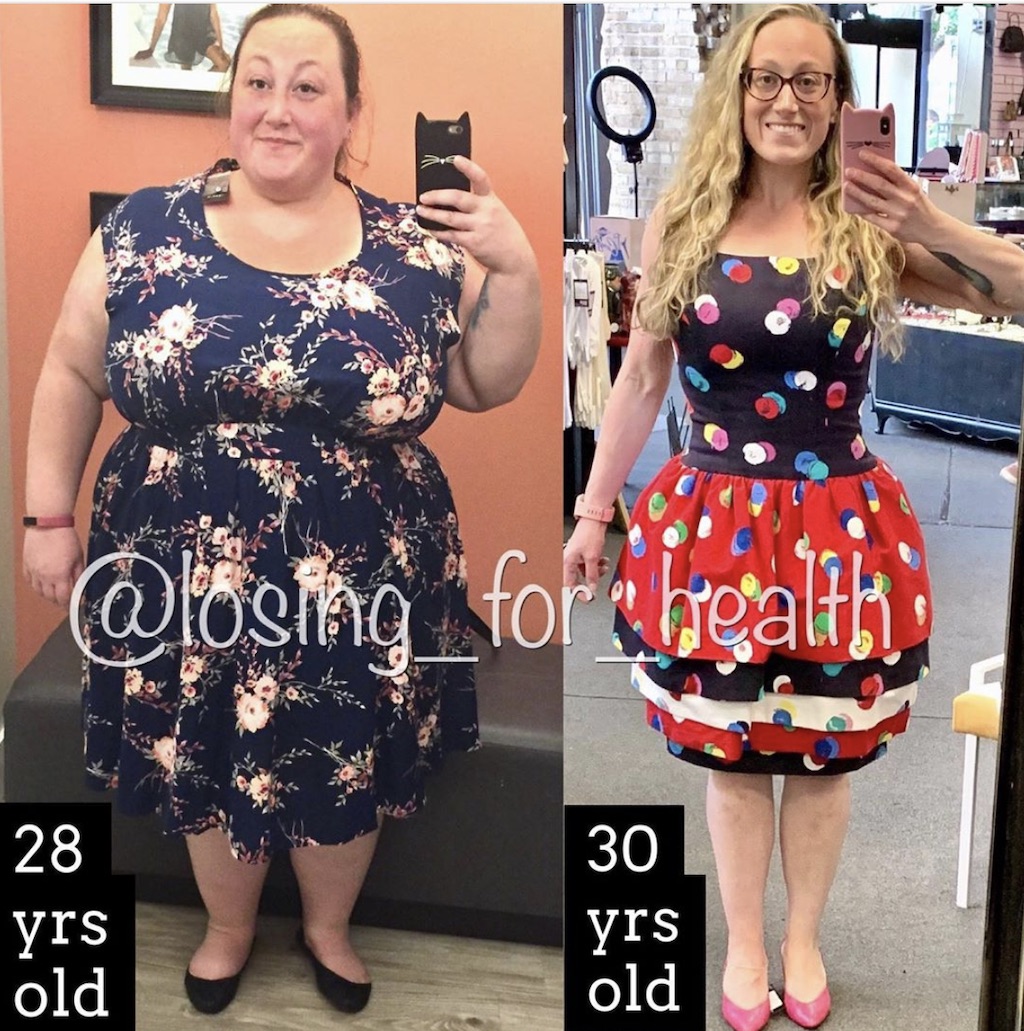
Weight loss transformations for women starting at 600 pounds or more are profound journeys that involve intensive medical intervention, psychological rehabilitation, and disciplined lifestyle shifts. These stories demonstrate that even at the highest levels of super obesity, recovery is possible through bariatric surgery, nutritional therapy, and consistent mental health support.
The Physical and Psychological Reality of Super Obesity
Living at a weight of 600 pounds or more—a clinical classification often referred to as super-morbid obesity—creates a unique set of physiological and psychological challenges. By 2026, medical science has further clarified that obesity at this scale is rarely a matter of "willpower" alone; it is a complex intersection of metabolic adaptation, genetic predisposition, and often, severe emotional trauma.
Physically, the body is under immense strain. The skeletal system, particularly the knees and lower back, faces constant pressure, often leading to limited mobility or confinement to a bed or chair. Internally, the heart must work significantly harder to pump blood through a larger surface area, and the respiratory system is often compromised by the weight of the chest wall, leading to sleep apnea and chronic fatigue.
Psychologically, food often serves as a primary coping mechanism for past trauma. Many women featured in famous transformation stories recount childhood experiences of abuse or neglect where food became their only source of comfort and safety. Breaking this cycle requires more than a diet; it requires "de-coupling" the emotional need from the physical act of eating. Understanding these prerequisites is essential for anyone looking to these stories for inspiration, as it frames the transformation not as a "quick fix" but as a total life reconstruction.
Iconic Transformations: Amber Rachdi and the Power of Consistency
One of the most enduringly inspiring stories is that of Amber Rachdi, who appeared on the third season of "My 600-lb Life." Starting her journey at 657 pounds, Amber’s story resonates because she was proactive about her health despite her young age and the severity of her condition.
Amber’s success was not merely the result of a gastric bypass procedure. In the years following her initial surgery, she became a vocal advocate for the importance of therapy. She famously stated that the surgery is only a "tool" and that the real work happens in the mind. By 2026, Amber remains a figure of success, having lost over 400 pounds and maintained a healthy lifestyle for over a decade. Her journey highlights a critical truth: long-term success for a 600-pound woman depends on her ability to transition from "weight loss mode" to "maintenance mode," which involves finding new ways to manage stress without returning to binge eating.
The Journey of Nikki Webster: Addressing Food Addiction
Nikki Webster’s transformation is another pillar of inspiration for those starting at extreme weights. Entering her journey at 649 pounds, Nikki faced a severe addiction to food that threatened her life. Her story is particularly poignant because it showcased the difficult "pre-surgery" phase. Most surgeons require patients at this weight to lose a specific amount of weight—often 30 to 50 pounds—on their own to prove they can follow a strict nutritional protocol and to reduce the surgical risks associated with an enlarged liver.
Nikki successfully lost the initial weight, underwent a gastric bypass, and eventually lost over 450 pounds. However, her story didn't end with the scale hitting a certain number. She openly discussed the "fear" of regaining weight and the necessity of skin removal surgery. For women starting at 600 pounds, the excess skin left behind after losing 300+ pounds is not just a cosmetic issue; it is a physical burden that can weigh 30 to 50 pounds itself and cause chronic infections. Nikki’s bravery in documenting the entirety of this process—from the first diet to the final skin surgery—provides a realistic roadmap for others.
The Medical Roadmap for Extreme Weight Loss
Transforming a body from 600 pounds to a healthy range is a multi-stage medical process. It is rarely achieved through "diet and exercise" alone because the metabolic hormones in a super-obese body are often fundamentally dysregulated. In 2026, the standard of care involves a tiered approach.
- The Controlled Pre-Op Diet: Patients are typically placed on a high-protein, low-carbohydrate diet to induce ketosis and shrink the liver. This makes the eventual surgery safer for the surgeon to perform laparoscopically.
- Surgical Intervention: The most common procedures for this weight class are the Roux-en-Y Gastric Bypass or the Vertical Sleeve Gastrectomy. These surgeries restrict the amount of food the stomach can hold and, in the case of the bypass, alter how calories are absorbed.
- Pharmacological Support: By 2026, the use of GLP-1 receptor agonists (such as those evolved from earlier semaglutide treatments) has become a common adjunct to surgery, helping to manage "food noise" and cravings that surgery alone might not eliminate.
- Skin Contouring: Once the weight has stabilized for at least 12 to 18 months, multiple plastic surgeries are usually required to remove the panniculus (the "apron" of skin on the abdomen) and excess skin on the arms and thighs.
Overcoming the Psychological Barriers of Super Obesity
The "hidden" part of every 600-pound weight loss story is the mental health journey. Clinical studies of patients in this weight category show a high prevalence of "disordered eating" which is distinct from simple overeating. It is a physiological response to dopamine triggers in the brain.
To achieve the level of success seen in women like Christina Phillips—who lost nearly 500 pounds and went from being housebound to a vibrant, active life—intensive cognitive-behavioral therapy (CBT) is required. Christina’s journey highlighted a common phenomenon: "transfer addiction." Sometimes, when a patient can no longer use food to cope, they may turn to other behaviors. Successful transformations involve working with specialized therapists to identify the root cause of the original addiction and building a "lifestyle of movement" that provides a natural dopamine release.
Comparing Approaches to Extreme Weight Loss
Different individuals may require different paths based on their specific health markers and psychological readiness. The following table compares the typical stages and outcomes of these journeys.
| Transformation Phase | Primary Objective | Typical Duration | Major Challenges |
|---|---|---|---|
| Initial Stabilization | Lose 5-10% of body weight to reduce surgical risk. | 3–6 Months | Severe withdrawal from sugar/processed foods; mobility limits. |
| Bariatric Surgery | Implement a physical restriction on calorie intake. | 1–3 Days (Hospital) | Surgical complications; transition to liquid diet. |
| Rapid Loss Phase | Maximum weight loss through malabsorption/restriction. | 12–18 Months | Nutritional deficiencies; rapid changes in body image. |
| Reconstructive Phase | Remove excess skin and address physical discomfort. | 6–12 Months | Multiple surgeries; high cost; long recovery times. |
| Long-Term Maintenance | Prevent weight regain and stabilize metabolism. | Indefinite | Managing "food noise"; social pressures; metabolic adaptation. |
Maintaining Success After the Initial Transformation
The most difficult part of a 600-pound woman's journey is not the first year, but the fifth and tenth years. Statistics show that without a permanent change in environment and social support, the risk of regain is significant.
Successful maintainers usually adopt several key habits. First, they prioritize protein and fiber to maintain muscle mass and satiety. Second, they engage in regular, low-impact exercise like swimming or walking, which is easier on joints that may have been damaged by years of carrying excess weight. Third, they remain connected to a community—whether through support groups or social media—to provide accountability. By 2026, many of the women who started their journeys in the 2010s have found that "paying it forward" by mentoring others is one of the most effective ways to stay committed to their own health.
Frequently Asked Questions
Is it possible to lose 400+ pounds without surgery?
While theoretically possible, it is extremely rare for a woman at 600 pounds to lose that amount of weight and maintain it long-term through diet alone. The metabolic and hormonal changes associated with super obesity often require the "reset" that bariatric surgery provides. However, diet and exercise are the foundations that make the surgery effective.
How long does the entire transformation process take?
A full transformation from 600 pounds to a healthy weight usually takes 2 to 4 years. This includes the initial weight loss (1-2 years) and the subsequent surgeries for skin removal and physical rehabilitation (1-2 years).
What is the most common reason for weight regain after such a loss?
The most common reason is the failure to address the underlying psychological triggers for binge eating. If a patient uses surgery as a temporary fix without undergoing therapy, they may eventually find ways to "eat around" the surgery with high-calorie liquids or constant grazing.
Does insurance cover the skin removal surgery?
Insurance coverage for skin removal varies. In many cases, it is covered only if the excess skin causes documented medical issues, such as recurring infections, rashes, or limited mobility. Purely "cosmetic" contouring is often an out-of-pocket expense.
What role do new weight-loss medications play in 2026?
By 2026, medications like advanced GLP-1 and GIP agonists are used to help 600-pound patients reach a safer weight for surgery and to prevent regain years later. They are seen as a permanent part of the "metabolic toolkit" rather than a temporary supplement.
Taking the First Step Toward Transformation
If you or someone you know is inspired by these stories, the first step is not a crash diet, but a medical consultation. Extreme weight loss requires a team: a primary care physician, a bariatric surgeon, a registered dietitian, and a mental health professional. Start by requesting a full metabolic panel and a referral to a bariatric center of excellence. These stories prove that while the mountain is high, the path is well-worn, and a new life is waiting on the other side of the first 50 pounds.