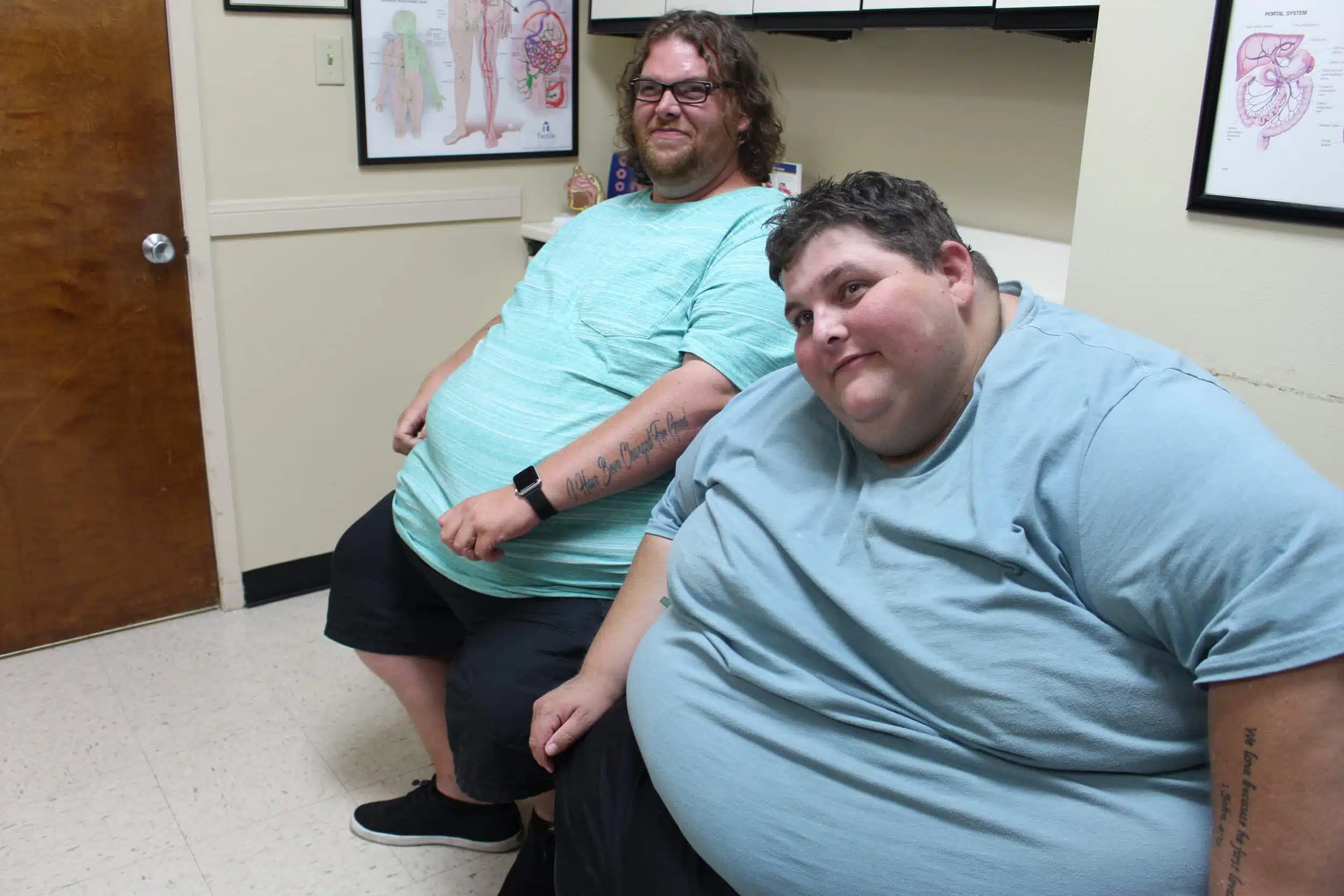
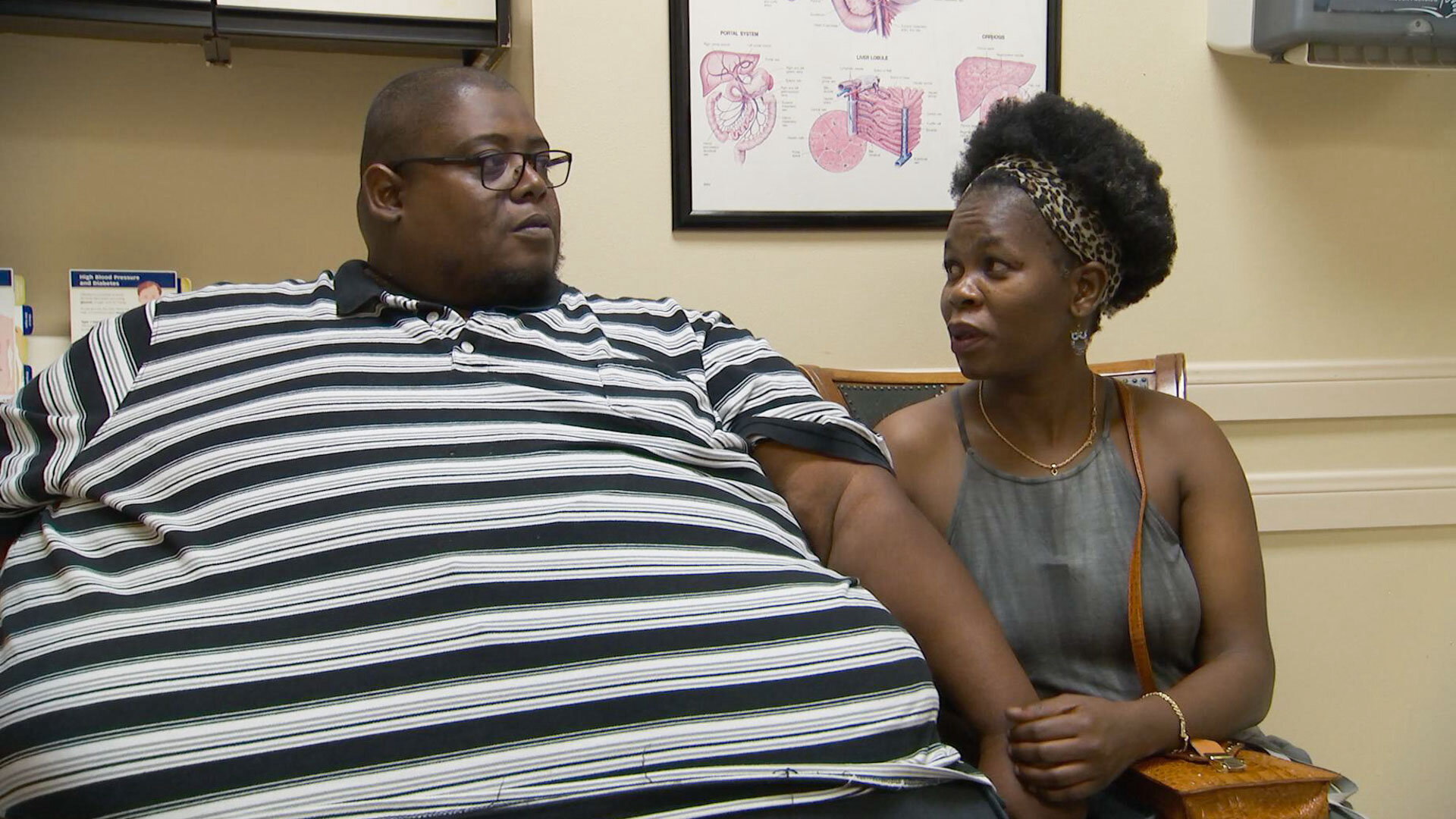
On TLC’s hit reality series My 600-lb Life, husbands and romantic partners occupy a critical, highly complex position in every patient's transformation. Acting simultaneously as primary caregivers, emotional anchors, and sometimes subconscious enablers, these partners heavily influence whether a participant successfully navigates Dr. Younan Nowzaradan’s rigorous bariatric surgery program or suffers a relapse.
Understanding the role of the husband on My 600-lb Life requires looking beyond television drama into the clinical realities of severe obesity, caregiver burden, codependency, and the profound relational shifts that occur when a partner loses hundreds of pounds. While some husbands serve as unwavering pillars of encouragement, others struggle with the loss of control, changing physical dynamics, or psychological anxiety as their partner gains independence.
Caregiver vs. Enabler: The Complex Psychological Dynamics
In severe obesity cases involving individuals weighing 600 pounds or more, daily survival requires immense logistical support. Tasks such as preparing meals, managing personal hygiene, running errands, and assisting with mobility inevitably fall upon a primary caregiver—frequently a husband or long-term domestic partner. This dynamic creates a delicate psychological boundary between compassionate caregiving and destructive enabling.
| HEALTHY SUPPORT | CODEPENDENT ENABLING |
|---|---|
| • Preps prescribed meals | • Serves unapproved fast food |
| • Encourages mobility/walks | • Performs tasks patient can do |
| • Attends therapy sessions | • Feeds patient to quiet distress |
| • Celebrates health milestones | • Fears patient's independence |
The Mechanism of Enabling
Enabling occurs when a spouse repeatedly provides high-calorie, unapproved foods or performs physical tasks that the patient is capable of completing independently. On the show, enabling often stems from a misplaced desire to alleviate a partner’s immediate physical or emotional distress. When a patient experiences severe food withdrawal, their distress can lead to intense bargaining, emotional outbursts, or guilt-tripping. Husbands who lack strong boundaries frequently yield to these demands to keep the peace or express affection through food.
Codependency and Fear of Abandonment
Bariatric psychology research indicates that long-term caregiving often fosters codependency. A husband whose entire daily routine revolves around taking care of an bedbound spouse may anchor his identity and sense of purpose in being needed. When the patient begins losing weight, regaining mobility, and pursuing personal autonomy, the husband may experience a profound loss of role clarity. In severe cases, partners harbor unspoken fears that once their spouse achieves health and independence, they will no longer be wanted, leading to subconscious or explicit sabotage of the weight-loss plan.
Notable Husbands and Partners Featured on the Show
Across more than a decade of broadcasting, viewers have observed a wide spectrum of marital behaviors on My 600-lb Life. The following profiles highlight how different partner attitudes directly affected the outcome of the patient's medical journey.
Gareth Whitworth (Zsalynn’s Story)
One of the most widely discussed husband dynamics in the series occurred during Season 2 with Zsalynn Whitworth and her then-husband, Gareth. Zsalynn sought bariatric surgery to save her life, but Gareth explicitly expressed a preference for larger women and openly voiced his opposition to her weight loss. Throughout her journey, Gareth refused to support her dietary changes, famously buying fast food in front of her and stating that he did not want her to lose weight. The extreme misalignment in priorities ultimately led Zsalynn to seek a divorce, highlighting how a partner's preference can pose a direct threat to a patient's survival.
Gilbert Donovan (Lupe Samano’s Story)
Lupe Samano’s journey in Season 4 featured her husband, Gilbert Donovan, who faced heavy criticism from viewers and medical professionals alike. While Gilbert assisted Lupe with daily care, his actions highlighted severe caregiver strain and boundary issues. Following her surgery, his insistence on physical intimacy damaged her surgical wounds, leading to severe infection and hospital readmission. Their relationship deteriorated further under the stress of infidelity and caregiver burnout, illustrating the severe strain extreme weight loss programs place on fragile marital foundations.
Josh Elmore (Bettie Jo’s Story)
In Season 3, Bettie Jo Elmore and her husband, Josh, presented a dynamic defined by youth, mutual dependence, and acute anxiety. Josh served as Bettie Jo's full-time caregiver while struggling with the terrifying possibility of losing her to health complications. During her program, tension surfaced over Josh's anxiety regarding her growing independence. However, through structural therapy and joint counseling mandated by Dr. Nowzaradan, the couple confronted their codependent patterns, stayed together, and successfully built a family post-surgery.
Rowdy (Amber Rachdi’s Story)
Amber Rachdi’s Season 3 transformation stands out as a major success story, largely supported by her then-boyfriend, Rowdy. Initially, Rowdy contributed to her enabling by buying her food rewards out of affection. However, when Amber committed to Dr. Nowzaradan’s program, Rowdy adapted immediately. He shifted from an enabler to a genuine support provider, driving her to appointments, enforcing dietary restrictions, and supporting her physical activity. His willingness to alter his own habits played an essential role in Amber’s sustained health gains.
Marital Outcomes and Relational Trends on My 600-lb Life
The table below outlines common behavioral patterns observed among husbands and partners on the show, contrasting their underlying motivations with their typical relationship outcomes.
| Partner Behavioral Profile | Key Characteristics & Behaviors | Primary Psychological Driver | Typical Relationship Outcome |
|---|---|---|---|
| The Active Saboteur | Buys forbidden foods; openly discourages weight loss; demands return to old habits. | Fear of abandonment; preference for severe obesity; desire for total control. | High divorce rate; relationship usually ends when patient achieves independence. |
| The Exhausted Caregiver | Manages hygiene and feeding out of obligation; exhibits emotional detachment or resentment. | Caregiver burnout; compassion fatigue; chronic stress. | Frequent separation unless caregiver stress is relieved through professional aid. |
| The Anxious Enabler | Yields to patient tantrums; uses food to comfort spouse or keep peace. | Conflict avoidance; misdirected affection; guilt. | Requires mandatory family therapy; outcome depends on setting firm boundaries. |
| The Adaptive Supporter | Shifts habits alongside the patient; enforces diet boundaries; attends therapy. | Genuine commitment to partner’s long-term health and survival. | High rate of marital survival and improved long-term relationship quality. |
The Medical Reality of "Bariatric Divorce"
The marital turmoil seen on My 600-lb Life is not unique to reality television; it reflects a documented clinical phenomenon known as "bariatric divorce." Medical literature shows that couples navigating extreme weight loss undergo massive structural shifts that often strain marriages to their breaking point.
Shifting Power Dynamics
When one spouse is bedbound or severely limited by morbid obesity, the non-obese spouse often holds disproportionate authority over household decisions, food access, and scheduling. As the patient loses weight, regains mobility, and returns to the workforce or social activities, this power imbalance collapses. If the husband relies on being the dominant caretaker to feel valued, the patient’s newfound autonomy can trigger relational conflict.
Statistics and Clinical Observations
Studies published in bariatric medical journals, including research indexed by the National Center for Biotechnology Information (NCBI), show that patients undergoing bariatric surgery experience higher rates of marital disruption—both divorce and marriage—compared to the general population. Factors contributing to post-surgery divorce include:
- Personality Changes: Increased confidence and self-efficacy lead patients to set firmer boundaries or leave toxic environments.
- Lifestyle Divergence: A patient adopting a strict diet and active lifestyle may no longer share common activities with an inactive partner.
- Unresolved Caregiver Resentment: Years of built-up frustration from taking care of an invalid partner do not automatically vanish once the weight is lost.
Disclaimer: The information presented regarding psychological dynamics, medical routines, and marital stress is for educational and analytical purposes only. It should not be used as a substitute for professional medical, psychological, or marital therapy advice.
Dr. Now’s Therapeutic Protocol for Enablers
Dr. Younan Nowzaradan recognizes that severe obesity is a family disease rather than an isolated individual affliction. A central aspect of his treatment plan in Houston involves identifying and confronting enabling husbands before performing surgical interventions.
- IDENTIFY ENABLING PATTERNS
- Expose fast food delivery and unauthorized meal sizes.
- CONFRONT THE SPOUSE
- Directly challenge the husband in clinic appointments.
- MANDATE PSYCHOTHERAPY
- Require individual and joint therapy prior to surgery approval.
- RE-ALLOCATE MEAL CONTROL
- Force the patient to take responsibility for food intake.
Direct Clinical Confrontation
Dr. Nowzaradan frequently challenges husbands directly during clinic visits. When a patient fails to lose weight while bedbound, Dr. Now points out the undeniable physical truth: the patient cannot access food independently, meaning the spouse is actively bringing them the excessive calories. By holding husbands accountable, he breaks the cycle of denial that preserves enabling behavior.
Mandatory Family Therapy
Before approving sleeve gastrectomy or Roux-en-Y gastric bypass surgery, Dr. Nowzaradan frequently requires participants and their partners to undergo therapy with licensed mental health professionals. These sessions aim to:
- Break codependent behavior cycles.
- Teach husbands how to say "no" to requests for off-plan food.
- Help the couple build healthy communication mechanisms unrelated to food.
- Prepare the husband for the physical and emotional shifts following surgery.
Actionable Guidance for Partners of Bariatric Patients
For individuals supporting a spouse through severe obesity treatment or bariatric surgery in real-world settings, avoiding the common pitfalls shown on My 600-lb Life requires intentional effort and structural support.
1. Separate Love from Food Delivery
Express affection through quality time, verbal encouragement, or non-food gifts rather than comforting a spouse with high-calorie meals. Recognizing that withholding unhealthy food is an act of care—not punishment—is essential for long-term health gains.
2. Seek Independent Support for Caregiver Burnout
Caregiver burnout severely impairs judgment and emotional resilience. Partners should connect with local or online support groups specifically tailored for bariatric caregivers. The American Society for Metabolic and Bariatric Surgery (ASMBS) offers resources and educational materials for families navigating weight loss surgery.
3. Adopt the Lifestyle Changes Jointly
The most successful husbands featured on the show are those who adopt the high-protein, low-carb diet alongside their wives. Clearing the home of junk food snacks eliminates temptation and removes the burden of preparing separate meals, fostering a shared health journey.
4. Prepare for Shifting Roles Early
Begin discussing emotional and relational shifts before the surgery occurs. Establishing clear boundaries and discussing how household responsibilities, social lives, and intimacy will evolve helps prevent power struggles as physical mobility returns.
Frequently Asked Questions
Why do so many couples on My 600-lb Life break up or divorce?
Divorce occurs frequently on the show because severe weight loss destabilizes established marital patterns. As patients gain mobility and confidence, codependent dynamics unravel. If a husband resists his partner's growing independence or if years of caregiver resentment remain unaddressed, the marriage often collapses.
What is an "enabler" in the context of My 600-lb Life?
An enabler is a spouse or family member who provides a bedbound or severely limited patient with high-calorie foods that violate their prescribed diet. Enablers usually act out of conflict avoidance, fear of abandonment, or a misplaced desire to comfort their partner.
Does Dr. Nowzaradan require husbands to go on diets too?
While Dr. Nowzaradan officially prescribes dietary plans to the patient, he strongly encourages partners to adopt the same strict, high-protein, low-carbohydrate eating habits. Having junk food in the house makes compliance nearly impossible for the patient.
How does caregiver burnout affect husbands on the show?
Caregiver burnout occurs when a husband experiences physical, mental, and emotional exhaustion from managing his spouse's daily personal hygiene, medical needs, and chores. This chronic stress can lead to emotional detachment, short tempers, infidelity, or giving in to unhealthy food requests just to avoid arguments.
Can a bariatric patient succeed if their husband refuses to support them?
It is extremely difficult, particularly if the patient relies on the husband for mobility and grocery shopping. However, patients can succeed if they work with therapists, social workers, and medical staff to establish personal boundaries, secure home health aid, or leave unsupportive environments.
Managing Relationship Transitions During Bariatric Recovery
A patient's journey to overcome extreme obesity inevitably alters their marriage. Husbands who transition from restrictive caregivers to supportive life partners play an essential role in long-term health success. Achieving this balance requires honesty, professional mental health support, and a mutual willingness to redefine the relationship around shared health rather than codependency.
If you or a family member are preparing for bariatric surgery, prioritize joint counseling and establish clear dietary boundaries early. Utilizing family support resources through established organizations like the Obesity Action Coalition (OAC) can provide guidance for navigating physical and relational transformations smoothly.