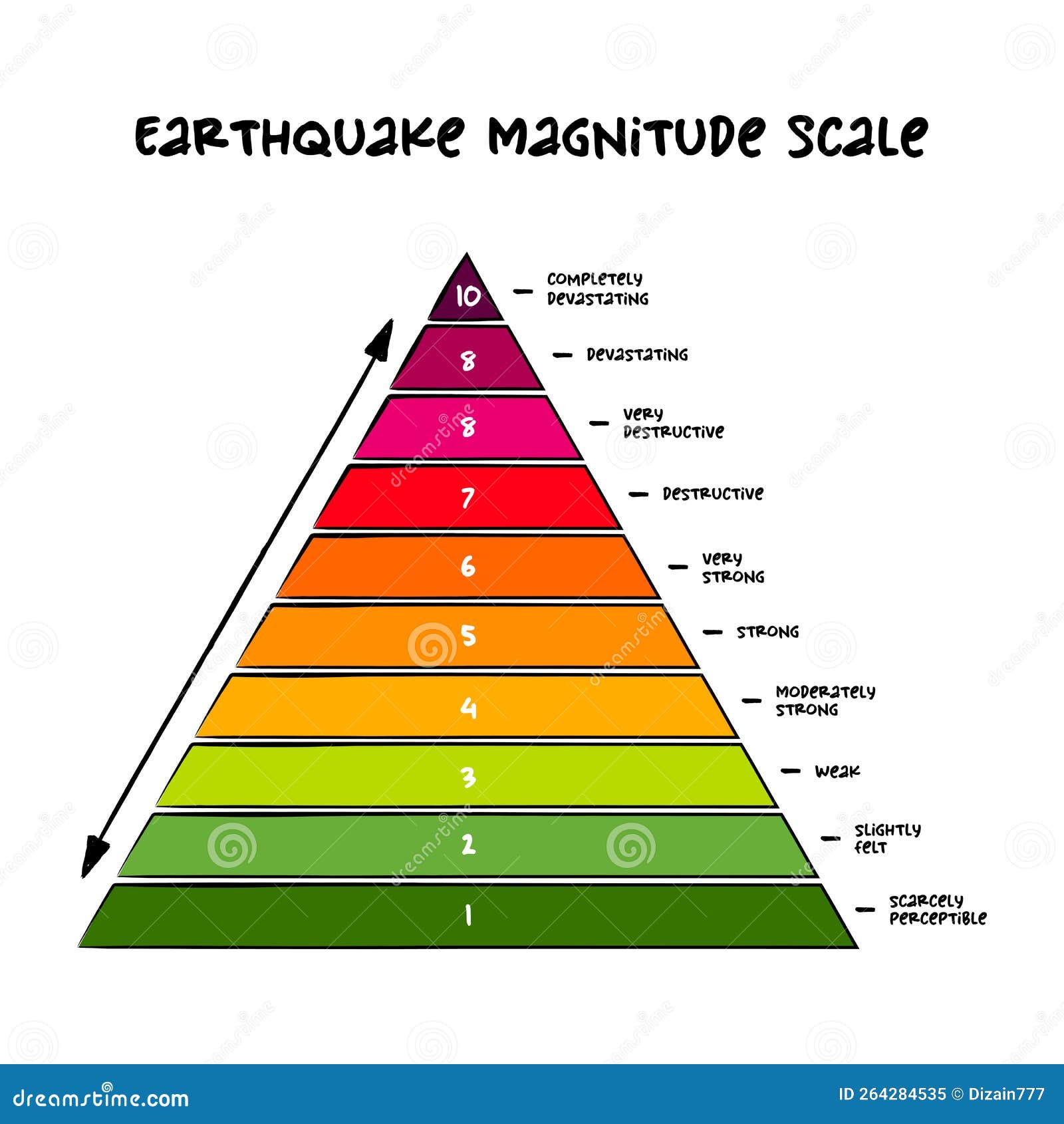
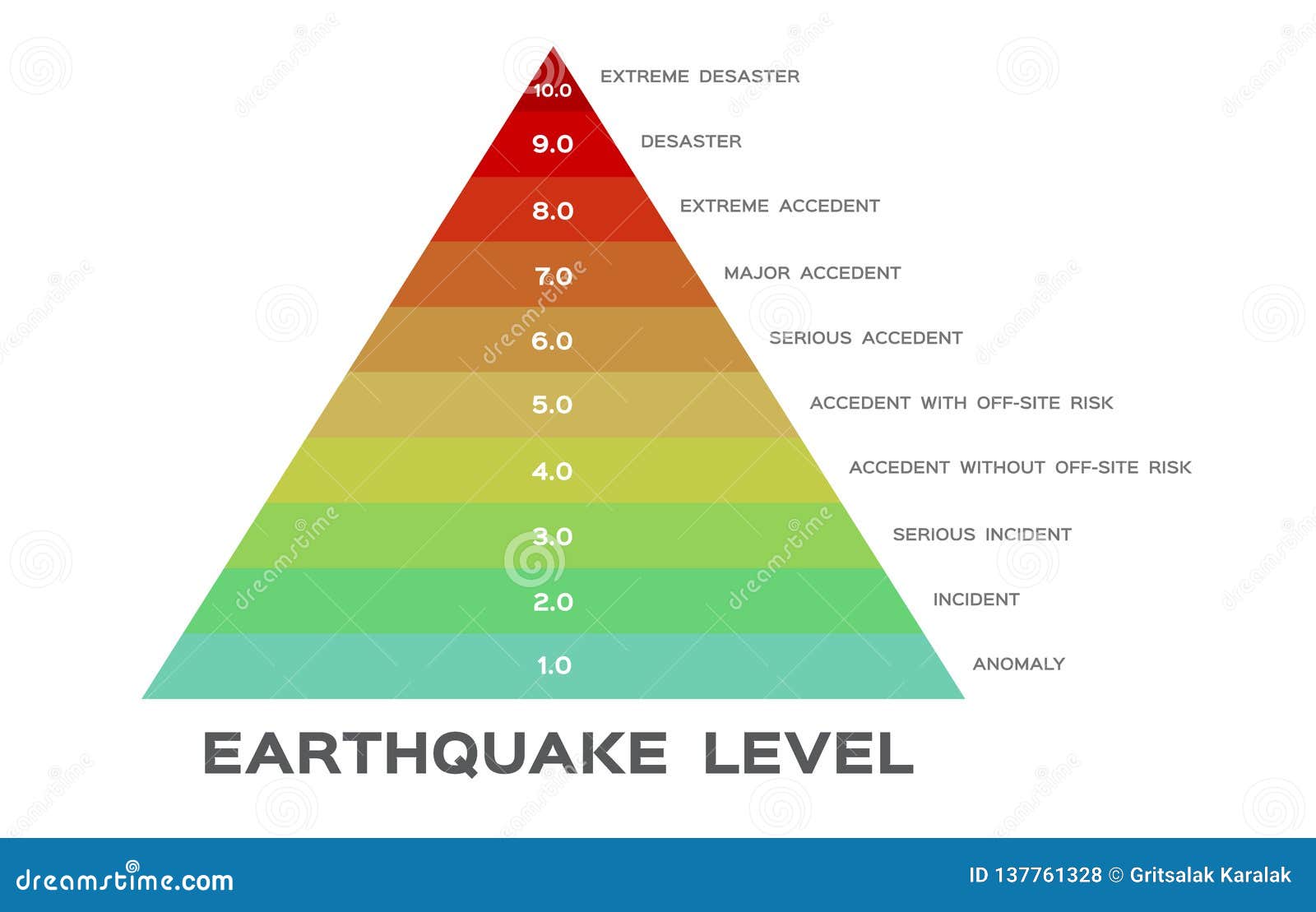
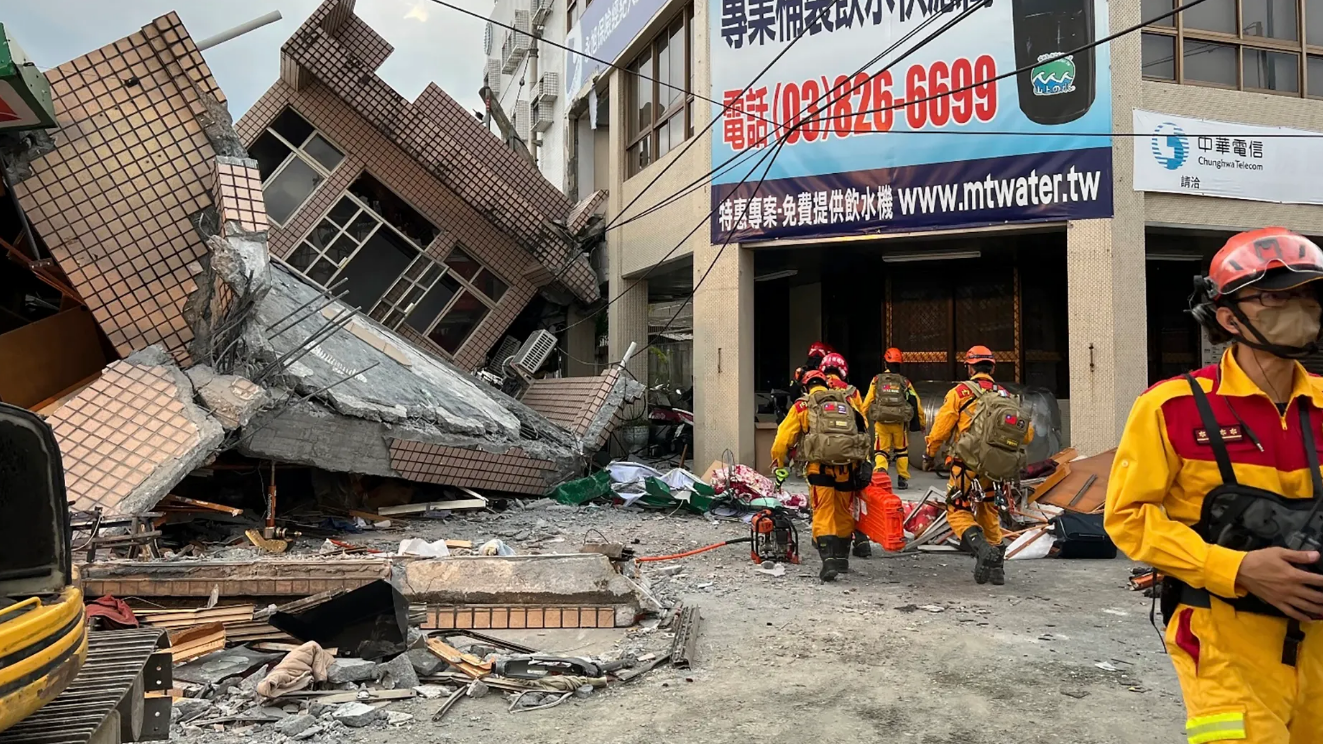
A 6.9 magnitude earthquake is classified as a "strong" seismic event on the Moment Magnitude Scale (Mw), capable of causing severe damage in populated areas and affecting structures within a radius of up to 100 miles (160 kilometers). While it sits just below the "major" classification (7.0), its energy release is immense, often resulting in significant infrastructure failure, secondary hazards like liquefaction, and potential loss of life in regions with older building stock.
Seismological Classification: Defining the 6.9 Magnitude
In the field of seismology, magnitude measures the energy released at the source of an earthquake. While the general public is often familiar with the "Richter Scale," modern scientists primarily use the Moment Magnitude Scale (Mw). This scale provides a more accurate measurement of large earthquakes because it accounts for the physical size of the fault rupture and the rigidity of the rocks involved.
A 6.9 magnitude event occupies a critical threshold. In the logarithmic math of seismology, a whole-number increase (such as from 5.0 to 6.0) represents a 10-fold increase in measured amplitude on a seismogram, but a roughly 32-fold increase in energy release. Consequently, a 6.9 magnitude earthquake is approximately 22 times more powerful in terms of energy release than a 6.0 magnitude event.
This classification as "strong" implies that the earthquake is not a frequent occurrence for a single specific fault line, but globally, several dozen occur annually. For a local community, a 6.9 magnitude event is often the "design earthquake"—the maximum level of shaking that modern engineering is expected to withstand without total collapse.
Magnitude vs. Intensity: The Experience of Shaking
It is vital to distinguish between magnitude (the size of the earthquake) and intensity (the effect of the earthquake at a specific location). While the magnitude is a single value for the entire event, the intensity varies depending on the observer's distance from the epicenter and the local geological conditions.
For a 6.9 magnitude earthquake, the intensity is measured using the Modified Mercalli Intensity (MMI) Scale. Near the epicenter of a 6.9 event, intensities often reach VIII (Severe) or IX (Violent).
- Intensity VIII: Damage is slight in specially designed structures; considerable damage in ordinary substantial buildings with partial collapse. Damage is great in poorly built structures.
- Intensity IX: Damage is considerable in specially designed structures; well-designed frame structures thrown out of plumb. Damage is great in substantial buildings, with partial collapse. Buildings shifted off foundations.
The "shaking duration" for a 6.9 magnitude event typically lasts between 20 and 40 seconds. This duration is a critical factor in structural failure, as prolonged shaking can fatigue building materials and lead to a cumulative loss of structural integrity.
Structural Impacts and Engineering Resilience
In 2026, seismic engineering has advanced significantly, yet a 6.9 magnitude earthquake remains a formidable test for any urban environment. The level of damage is heavily dictated by the age of the infrastructure and the adherence to modern seismic codes.
Non-Reinforced Masonry (URM)
Buildings constructed of brick or stone without steel reinforcement are the most vulnerable during a 6.9 event. These structures lack the "ductility" or flexibility required to absorb seismic energy. In a 6.9 earthquake, URM walls often fail by shedding their outer layers (parapets) or collapsing entirely, creating a high risk for pedestrians and occupants.
Wood-Frame Construction
Residential wood-frame houses generally perform well because wood is naturally flexible. However, "soft-story" buildings—those with large openings on the ground floor, such as garages or retail storefronts—are prone to pancaking during a 6.9 magnitude quake. By 2026, many jurisdictions have mandated retrofits for these structures, but un-retrofitted homes remain at high risk.
Reinforced Concrete and Steel
Modern high-rises engineered with base isolation or tuned mass dampers are designed to survive 6.9 magnitude shaking with minimal structural damage. These systems allow the building to move independently of the ground or counteract the sway. However, older reinforced concrete buildings from the mid-20th century may suffer "brittle failure" if their support columns are not sufficiently wrapped in steel (confinement).
Comparing Seismic Magnitudes and Predicted Effects
The following table outlines the differences in impact between a 6.9 magnitude event and other common seismic benchmarks.
| Magnitude | Classification | Average Energy Release (Rel. to 6.9) | Typical Effects in Urban Areas |
|---|---|---|---|
| 5.0 | Moderate | ~1,000x less energy | Felt by all; slight damage to weak masonry. |
| 6.0 | Strong | ~22x less energy | Significant damage to poorly built structures; felt for miles. |
| 6.9 | Strong | Reference Point | Severe damage to URM; potential for bridge and overpass failure. |
| 7.0 | Major | ~1.4x more energy | Threshold for widespread regional disaster; significant casualties possible. |
| 8.0 | Great | ~45x more energy | Total destruction of many communities; permanent landscape changes. |
Historical Precedents: Lessons from Previous 6.9 Events
Historical data is the most effective tool for understanding the potential reality of a 6.9 magnitude earthquake. Two primary examples illustrate the variability of impact based on location and infrastructure.
The 1989 Loma Prieta Earthquake ($M_w$ 6.9)
Occurring in the San Francisco Bay Area, this event demonstrated how soil conditions can amplify a 6.9 magnitude quake. The most severe damage occurred in the Marina District, where "liquefaction" (the ground turning to liquid) caused buildings to sink. The collapse of a section of the San Francisco–Oakland Bay Bridge and the Cypress Street Viaduct highlighted the vulnerability of aging transportation infrastructure.
The 1995 Hanshin (Kobe) Earthquake ($M_w$ 6.9)
Despite having the same magnitude as Loma Prieta, the Kobe earthquake resulted in much higher casualties (over 6,000 deaths). The difference was due to the epicenter's proximity to a densely populated city and the presence of older, heavy-roofed wooden houses that collapsed under the lateral force of the 6.9 magnitude waves. This event fundamentally changed how Japan and the rest of the world approach seismic retrofitting.
Secondary Hazards: Beyond the Shaking
The primary shaking of a 6.9 magnitude earthquake is rarely the only threat. Several secondary hazards can be equally, if not more, destructive.
- Liquefaction: In areas with loose, water-saturated soil (like riverbanks or reclaimed land), the shaking causes the soil to lose its strength. Heavy structures can tilt or sink, and underground pipes may float to the surface.
- Landslides: In mountainous or hilly terrain, a 6.9 magnitude quake provides enough force to destabilize slopes, particularly if the soil is already saturated by rain. This can bury roads and communities instantly.
- Tsunamis: If the 6.9 earthquake occurs undersea along a subduction zone or involves vertical seafloor displacement, it can trigger a tsunami. While 6.9 is on the lower end of the tsunami-generating spectrum, it is still capable of producing dangerous local surges.
- Fire Following Earthquake: Broken gas lines and downed power wires, combined with damaged water mains that prevent firefighting, can lead to urban conflagrations.
Preparing for High-Magnitude Seismic Events in 2026
Preparation for a 6.9 magnitude earthquake involves both structural mitigation and personal readiness. As of 2026, technology has provided new tools for resilience.
- Early Warning Systems: Apps and municipal sirens now provide 5 to 60 seconds of warning before the heavy S-waves arrive. This is enough time to "Drop, Cover, and Hold On," or for automated systems to shut off gas valves and stop trains.
- Survival Kits: A 6.9 event will likely disrupt utilities for several days. A standard 72-hour kit is the minimum requirement, including 1 gallon of water per person per day, non-perishable food, a manual can opener, and a crank-powered radio.
- Home Securing: Securing heavy furniture, water heaters, and appliances to wall studs is essential. In a 6.9 event, unanchored items become dangerous projectiles.
- Structural Audits: Property owners should consult with seismic engineers to identify "load paths" in their buildings and ensure the roof is properly tied to the walls and the walls to the foundation.
FAQ
How far away can you feel a 6.9 magnitude earthquake?
A 6.9 magnitude earthquake can be felt several hundred miles away from the epicenter. However, "damaging" shaking (MMI VI or higher) is typically confined to within 30 to 60 miles of the fault rupture, depending on the local geology and the depth of the earthquake.
Can a 6.9 magnitude earthquake be a foreshock?
Yes. While a 6.9 is a significant event in itself, there is a small statistical probability (usually around 5-10%) that it could be followed by an even larger earthquake within the same fault system. If a larger earthquake occurs, the 6.9 event is retrospectively labeled a "foreshock."
Is 6.9 big enough to cause a tsunami?
Yes, it is possible. While most tsunamis are generated by earthquakes of magnitude 7.5 or higher, a 6.9 magnitude earthquake can trigger a local tsunami if it causes a significant vertical displacement of the seafloor or triggers an underwater landslide.
How many 6.9 magnitude earthquakes happen each year?
On average, there are about 10 to 15 earthquakes globally each year that fall into the 6.7 to 6.9 range. Because much of the Earth's surface is covered by ocean or uninhabited land, many of these occur without causing major disasters.
What should I do during the shaking of a 6.9 earthquake?
The gold standard for safety is "Drop, Cover, and Hold On." Drop to your hands and knees, take cover under a sturdy table or desk, and hold on to it until the shaking stops. If you are outdoors, move to an open area away from buildings, streetlights, and utility wires.
Immediate Steps Following a 6.9 Magnitude Event
In the immediate aftermath of a 6.9 magnitude earthquake, the environment will be unstable. Prioritize checking yourself and your immediate family for injuries before attempting to help others. Be extremely cautious of "aftershocks," which are smaller earthquakes following the main event. A 6.9 event can produce aftershocks in the 5.0 to 5.9 range, which are strong enough to collapse buildings already weakened by the initial quake.
Check for gas leaks by smell—do not use matches or lighters. If you suspect a leak, turn off the main gas valve. Listen to emergency broadcasts via battery-powered or crank radios for evacuation orders and the location of emergency shelters. Avoid using telephones except for life-threatening emergencies to keep lines open for first responders.