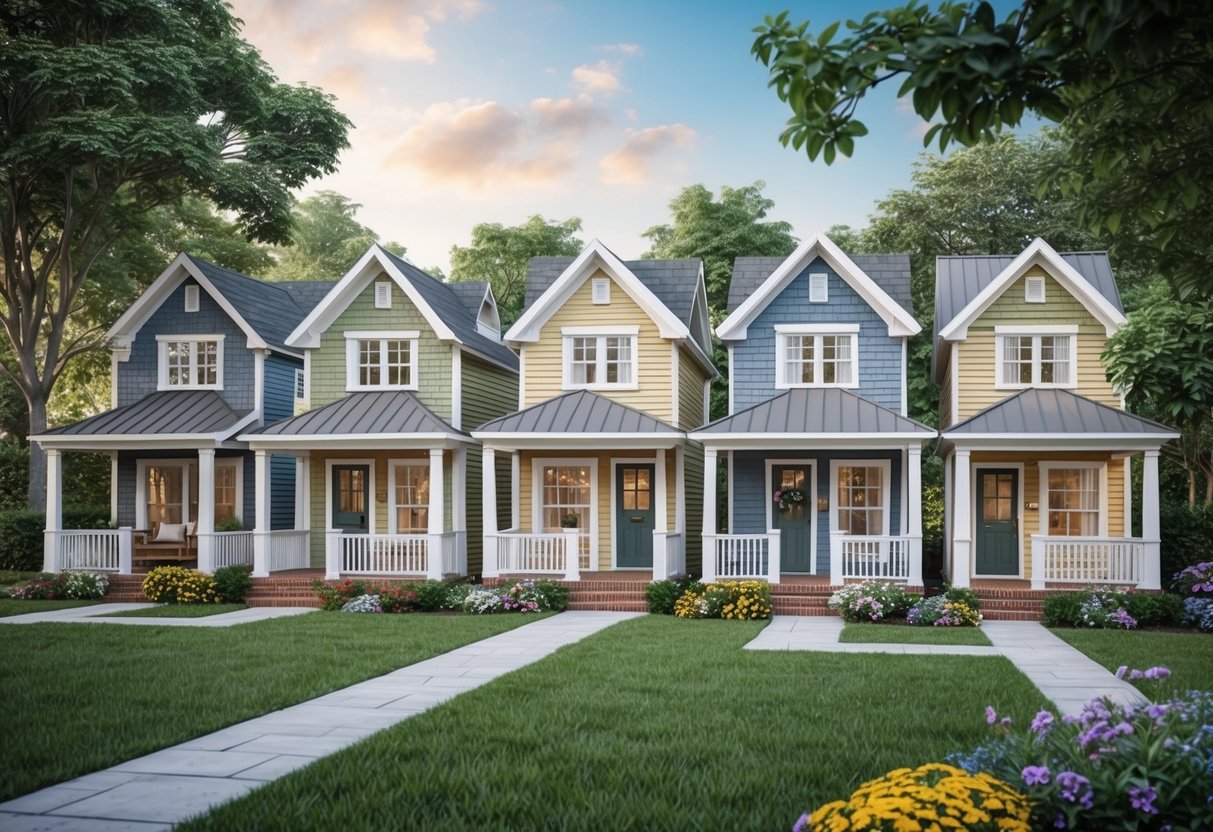
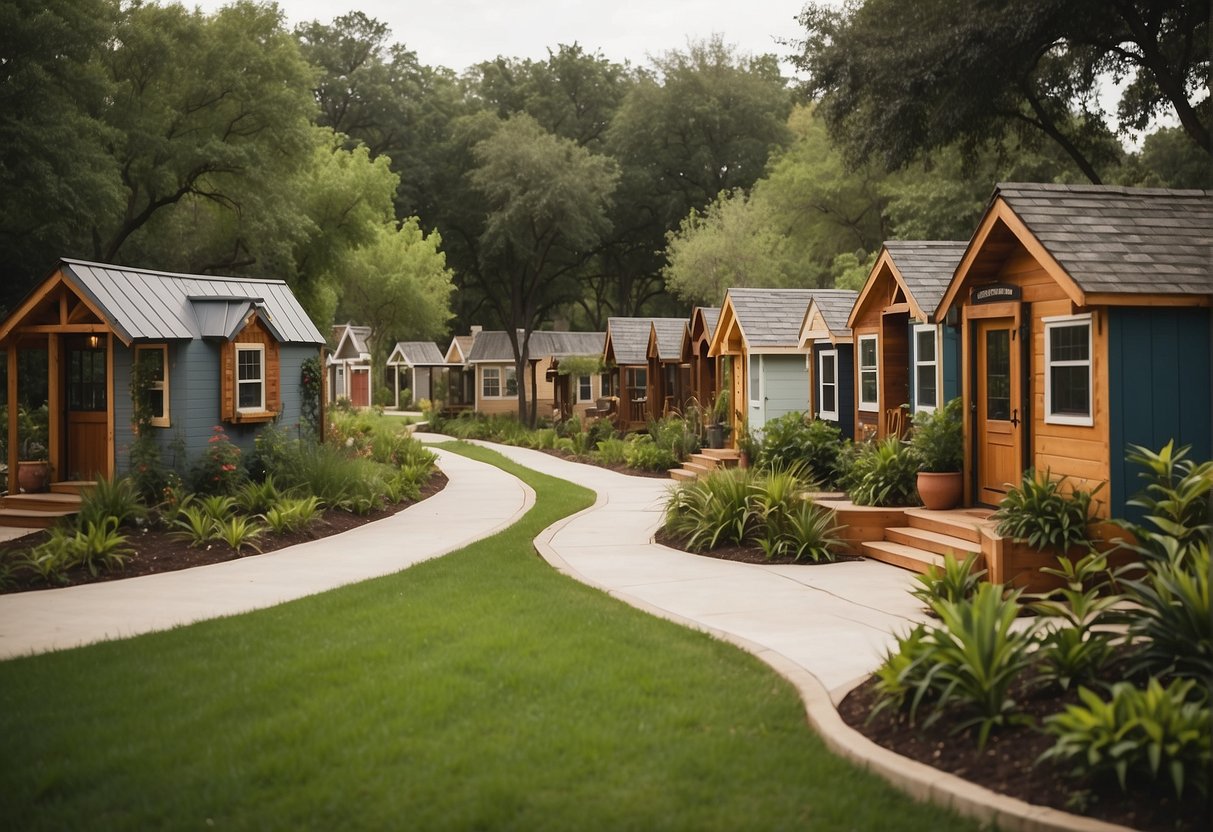
Finding your ideal retirement home in a 55 and over living community requires balancing lifestyle preferences, long-term financial commitments, legal age restrictions, and health care foresight. Modern active adult housing ranges from low-maintenance single-family subdivisions to comprehensive Life Plan Communities. Evaluating HOA regulations, amenity structures, and housing types ensures a smooth, secure transition into your next chapter.
Understanding 55+ Age-Restricted Housing and Legal Foundations
Age-restricted communities operate under specific legal protections designed to foster social environments tailored to older adults. In the United States, these neighborhoods are governed by the Housing for Older Persons Act (HOPA) of 1995, an amendment to the federal Fair Housing Act. HOPA grants housing providers a legal exemption from familial status discrimination prohibitions, allowing them to limit occupancy based on age.
To maintain lawful age-restricted status under HOPA, a community must satisfy three primary requirements:
- The 80/20 Occupancy Rule: At least 80 percent of the occupied units must have at least one resident who is 55 years of age or older.
- Age Verification Procedures: The community management must publish and adhere to formal policies and procedures that verify the age of all occupants through official identification.
- Intent to Operate for Older Persons: The property must explicitly demonstrate its intent to provide housing for persons aged 55 and older through marketing, bylaws, and operational rules.
The remaining 20 percent allowance under federal law is often misunderstood. This cushion exists primarily to accommodate surviving spouses under age 55 or unexpected inheritance scenarios. However, individual community boards hold the legal right to enforce stricter rules—such as requiring 100 percent of units to meet the age threshold—provided local ordinances permit. Furthermore, covenants, conditions, and restrictions (CC&Rs) typically prohibit permanent residency for individuals under 18 or 19 years old, placing strict limits on how long grandchildren or younger family members may stay as overnight guests (frequently capped at 30 to 90 days per calendar year).
Types of 55 and Over Living Communities
Retirement housing is not a one-size-fits-all model. Today’s market includes diverse ownership structures and service levels aimed at different active lifestyle preferences and long-term care needs.
Active Adult Single-Family Homes and Subdivisions
These neighborhoods consist of detached, single-family houses built with universal design features, such as single-story layouts, wider doorways, step-in showers, and zero-threshold entryways. Residents own their homes and land outright. While homeowners associations (HOAs) manage common areas, land landscaping, and recreational facilities, residents remain fully responsible for home maintenance, property taxes, and individual utility bills.
Condominiums and Attached Townhomes
Ideal for buyers seeking low-maintenance living, 55+ condominium communities transfer exterior building maintenance—such as roof replacements, siding repair, and snow removal—to the homeowners association. Buyers own the interior space of their unit alongside an undivided interest in common elements. Monthly HOA dues are typically higher than in single-family subdivisions due to the broader scope of exterior master insurance and shared structural upkeep.
Manufactured and Modular Home Neighborhoods
Manufactured home communities offer an accessible price point for buyers prioritizing affordability. In land-lease models, residents purchase the manufactured home structure but rent the underlying lot from the community developer or property management firm. While initial purchase costs are substantially lower than site-built homes, buyers must account for ongoing land-lease payments, which can rise over time.
Continuing Care Retirement Communities (CCRCs / Life Plan Communities)
CCRCs provide a continuum of care on a single campus, transitioning residents seamlessly from independent living to assisted living, memory care, or skilled nursing as health needs evolve. Entry into a CCRC usually requires a substantial upfront entrance fee alongside monthly service fees. CCRCs typically offer three contract types:
- Type A (Extensive/LifeCare): Covers full housing, amenities, and unlimited future long-term care with minimal or no increase in monthly fees.
- Type B (Modified): Includes housing and amenities, but offers a limited number of assisted living or nursing care days at discounted rates before market rates apply.
- Type C (Fee-for-Service): Lower initial entry fees, but future health care costs are paid entirely at prevailing market rates when services are required.
Comparing 55+ Retirement Housing Models
The matrix below highlights the operational, legal, and financial differences across modern senior living structures to help narrow your search.
| Housing Category | Ownership / Occupancy Structure | Maintenance Scope | Health Care Availability | Primary Financial Commitment |
|---|---|---|---|---|
| Active Adult Single-Family | Fee-simple real estate ownership | Exterior landscaping often included; structure owned by resident | None on-site; independent living focus | Purchase price, property taxes, standard HOA fees |
| 55+ Condominiums | Unit ownership with shared common elements | Complete exterior and structural maintenance managed by HOA | None on-site; community-oriented living | Purchase price, property taxes, elevated HOA dues |
| Land-Lease Manufactured | Ownership of structure; leased real estate | Varies; lot maintenance typically managed by park operator | None on-site; private home care permitted | Low home purchase price + monthly lot rent |
| Life Plan Community (CCRC) | Entrance agreement or lease contract | Comprehensive indoor/outdoor maintenance and housekeeping | Full continuum: Independent, Assisted, Memory, Nursing | Upfront entrance fee + monthly service fee |
| Active Senior Rentals | Standard lease agreement | Full building and apartment maintenance provided by landlord | None; independent living rental structure | Security deposit + monthly rent (utilities vary) |
Essential Amenities and Lifestyle Factors to Evaluate
When touring 55 and over communities, evaluating physical facilities alongside operational culture ensures the environment aligns with your social and physical expectations.
Key Evaluation Dimensions:
- Facilities & Recreation (Clubhouse, Fitness, Pools, Trails)
- Social Infrastructure (Clubs, Organized Events, Committee Governance)
- Accessibility & Mobility (Universal Design, Golf Cart Paths, Transit)
- Governance & Rules (Pet Restrictions, Rental Caps, Guest Limits)
Recreation and Wellness Facilities
Modern active adult developments prioritize physical health and group recreation. Standard offerings include state-of-the-art fitness centers, resort-style lap and zero-entry pools, tennis courts, and dedicated pickleball complexes. Larger master-planned developments feature full-time lifestyle directors who coordinate fitness classes, educational lectures, creative arts studios, and off-site excursions.
Accessibility and Transportation
Evaluate how the community layout supports long-term mobility. Look for continuous sidewalk networks, dedicated golf cart lanes connecting residential zones to retail centers, and step-free access across all community buildings. Many established neighborhoods also operate private shuttle services connecting residents to nearby medical centers, grocery stores, and cultural districts.
Governance and Association Bylaws
Every age-restricted neighborhood operates under legal CC&Rs enforced by a board of directors. Key governance rules to review prior to purchasing include:
- Pet Policies: Weight limits, breed restrictions, and maximum allowable pets per household.
- Rental Restrictions: Leasing caps that limit the percentage of homes rented to tenants, along with minimum lease durations (e.g., 6- or 12-month minimums) to prevent short-term vacation rentals.
- Vehicle and Parking Rules: Guidelines governing street parking, commercial vehicle storage, and recreational vehicle (RV) or boat parking on-site.
Financial Considerations: HOA Fees, Capital Reserve Funds, and Hidden Costs
Navigating the financial obligations of a 55+ community requires looking beyond the purchase price of the home. Mismanaging association finances can lead to unexpected cost hikes that disrupt a fixed retirement budget.
Decoding HOA Fees and Special Assessments
Homeowners association fees fund the upkeep of common infrastructure, entry gates, clubhouses, pools, and shared landscaping. When reviewing community financials, request copy of the reserve study—an independent professional audit evaluating the association's long-term capital repair funds.
If an association maintains underfunded reserves, it may levy a special assessment—a mandatory, lump-sum charge assessed to every homeowner to fund major infrastructure replacements, such as repaving private roads, repairing clubhouse roofs, or refurbishing pool facilities.
Capital Contribution Fees
Many 55+ communities charge a one-time capital contribution fee (sometimes referred to as a transfer fee or working capital fee) at the closing of real estate purchases. This fee, often equivalent to several months of standard HOA dues or a fixed percentage of the home sale price, is deposited directly into the reserve account to fund future capital improvements.
Property Taxes and Insurance
While age-restricted communities are generally quiet and place lower demands on local public school districts, property tax rates are determined by local municipal assessors and are not automatically reduced simply because a home is located within a 55+ subdivision. Furthermore, buyers must evaluate home insurance needs: single-family home buyers require comprehensive HO-3 insurance policies, whereas condo owners purchase HO-6 interior policies that complement the association’s master insurance policy.
Step-by-Step Selection Process for Buyers
Finding the right community requires a systematic search strategy to avoid costly relocation mistakes.
- Step 1: Define Budget & Housing Format
- Step 2: Research HOPA Status & HOA Reserve Health
- Step 3: Conduct Multi-Day Site Visits & Audits
- Step 4: Review CC&Rs and Legal Documents with Counsel
- Step 5: Finalize Purchase & Transition Plan
Step 1: Establish Financial Parameters and Housing Priorities
Calculate your overall housing budget, factoring in down payments, projected monthly HOA dues, real estate taxes, home maintenance reserves, and lifestyle expenses. Determine whether your long-term goal is total maintenance independence (condo or CCRC) or property ownership in a single-family active adult subdivision.
Step 2: Conduct Initial Geographic and Community Filtering
Target regions based on climate preference, proximity to healthcare networks, tax friendliness for retirees, and distance to family. Utilize targeted real estate databases and specialized senior housing directories to assemble a shortlist of compliant 55+ communities.
Step 3: Audit Association Financials and Legal Documents
Before making an offer on a home or signing a purchase contract, request and carefully review the following documents:
- Articles of Incorporation and Association Bylaws
- Covenants, Conditions, and Restrictions (CC&Rs)
- The current fiscal year’s operating budget and income statement
- The most recent independent reserve study (completed within the last 3 to 5 years)
- Board meeting minutes from the past 6 to 12 months (to check for discussed assessments or litigation)
Step 4: Schedule In-Person Community Discovery Stays
Many master-planned 55+ developments offer multi-night "discovery stays" for prospective buyers. These visits allow you to rent a community home, use the amenities, participate in resident clubs, interact with potential neighbors, and experience daily life firsthand before committing capital.
Step 5: Consult Specialized Legal and Real Estate Advisors
Work with a real estate agent specializing in senior housing transitions (such as a certified Seniors Real Estate Specialist, or SRES). Additionally, engage a real estate attorney to review title documents, land-lease agreements (if applicable), and CCRC contracts prior to removing purchase contingencies.
Frequently Asked Questions
What happens if one spouse is 55 and the other is younger?
Under the Housing for Older Persons Act (HOPA), as long as at least one co-occupant of the home meets the minimum age requirement of 55, a younger spouse (over the age of 18) is generally allowed to reside in the home. However, you must confirm that the specific community's legal CC&Rs do not enforce a higher secondary minimum age limit (such as requiring all residents to be 40 or older).
Can adult children or grandchildren live in a 55+ community?
Federal law allows age-restricted communities to prohibit children under 18 from residing in the neighborhood permanently. Adult children over 18 may live in the home only if the community’s specific occupancy rules permit it and the 80/20 HOPA ratio is maintained. Overnight visits by grandchildren are permitted under most association guidelines, though stays are typically restricted to a cumulative total of 30 to 90 days per year.
What happens to a home in a 55+ community if the older spouse passes away?
If the primary qualifying spouse (aged 55 or older) passes away, the surviving spouse who is under 55 is legally permitted under federal HOPA guidelines to remain in the home, provided the community maintains its required 80 percent age-occupancy threshold. However, if the property is inherited by an heir under age 55 who does not intend to live there with a qualifying resident, the heir may own the title but cannot move in; they must sell or lease the property according to community rental rules.
How do active adult 55+ communities differ from assisted living facilities?
Active adult 55+ communities are designed for fully independent seniors and do not provide hands-on medical care, assistance with daily living activities (such as bathing, dressing, or medication management), or centralized dining programs. Assisted living facilities, by contrast, provide 24-hour non-medical caregiving support, supervised health monitoring, meal preparation, and daily living assistance within a licensed care setting.
Are 55 and over living communities a good investment?
Homes in established 55+ age-restricted communities often maintain stable resale values due to high demand among retiring baby boomers and steady maintenance standards enforced by HOAs. However, resale appreciation may lag behind non-age-restricted single-family neighborhoods during market booms because the buyer pool is restricted to older demographic segments. Evaluating association financial health, community maintenance, and local economic stability is essential for preserving property value.
Recommended Next Steps for Your Housing Transition
Selecting the right retirement community requires balancing current lifestyle preferences with long-term financial stability and healthcare needs. Begin your search by organizing your financial assets and outlining your non-negotiable community requirements, such as geographic location, amenity preference, and maintenance structure.
Once you narrow down your target geographic regions, connect with a licensed real estate professional holding a Seniors Real Estate Specialist (SRES) designation or engage an independent buyer's broker experienced in age-restricted housing. Request association bylaws, financial disclosures, and reserve studies early in the evaluation process to protect your investment. Scheduling multi-day discovery stays will provide authentic insight into community culture, ensuring your final decision delivers comfort, independence, and financial security for years to come.