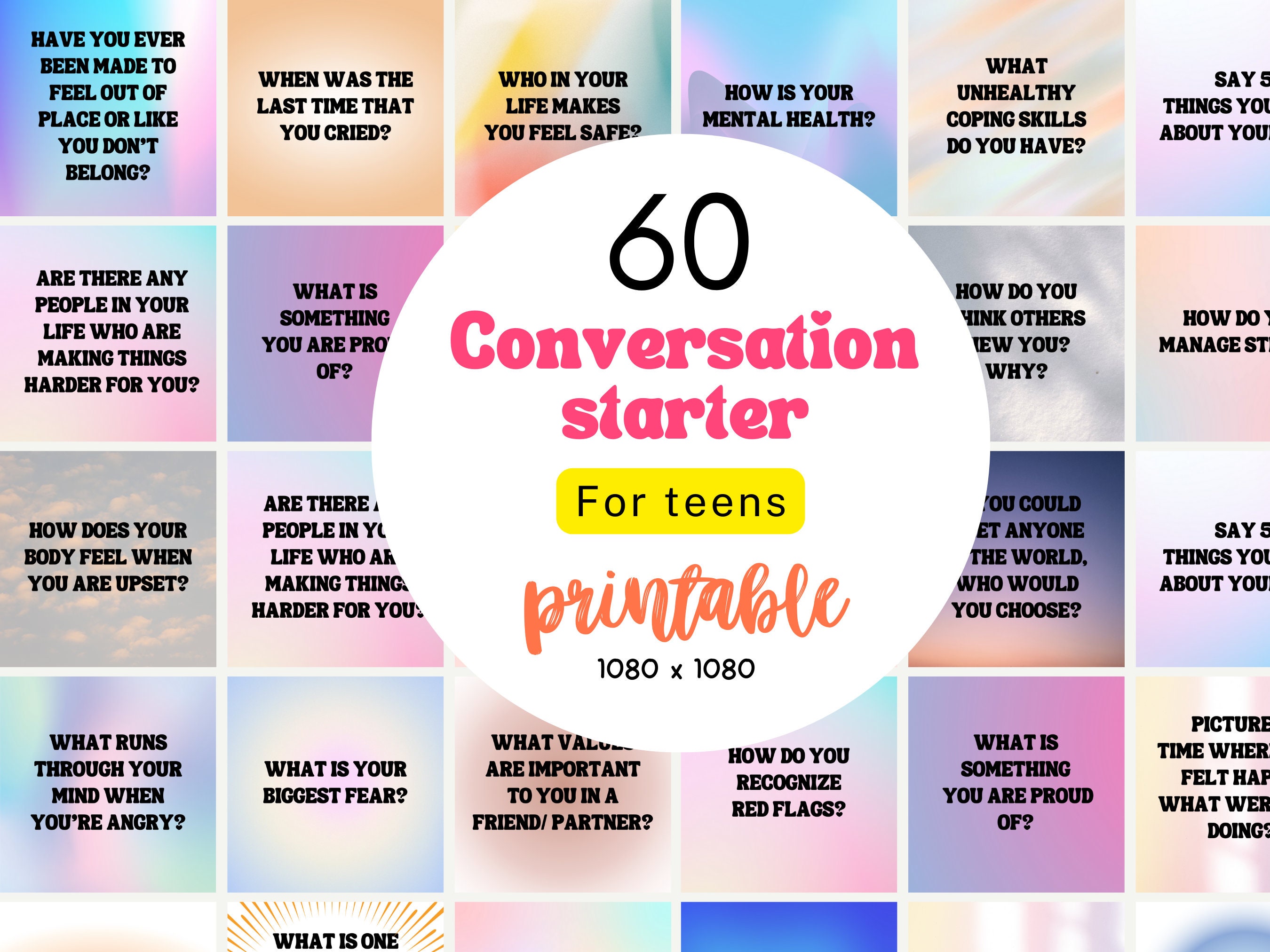
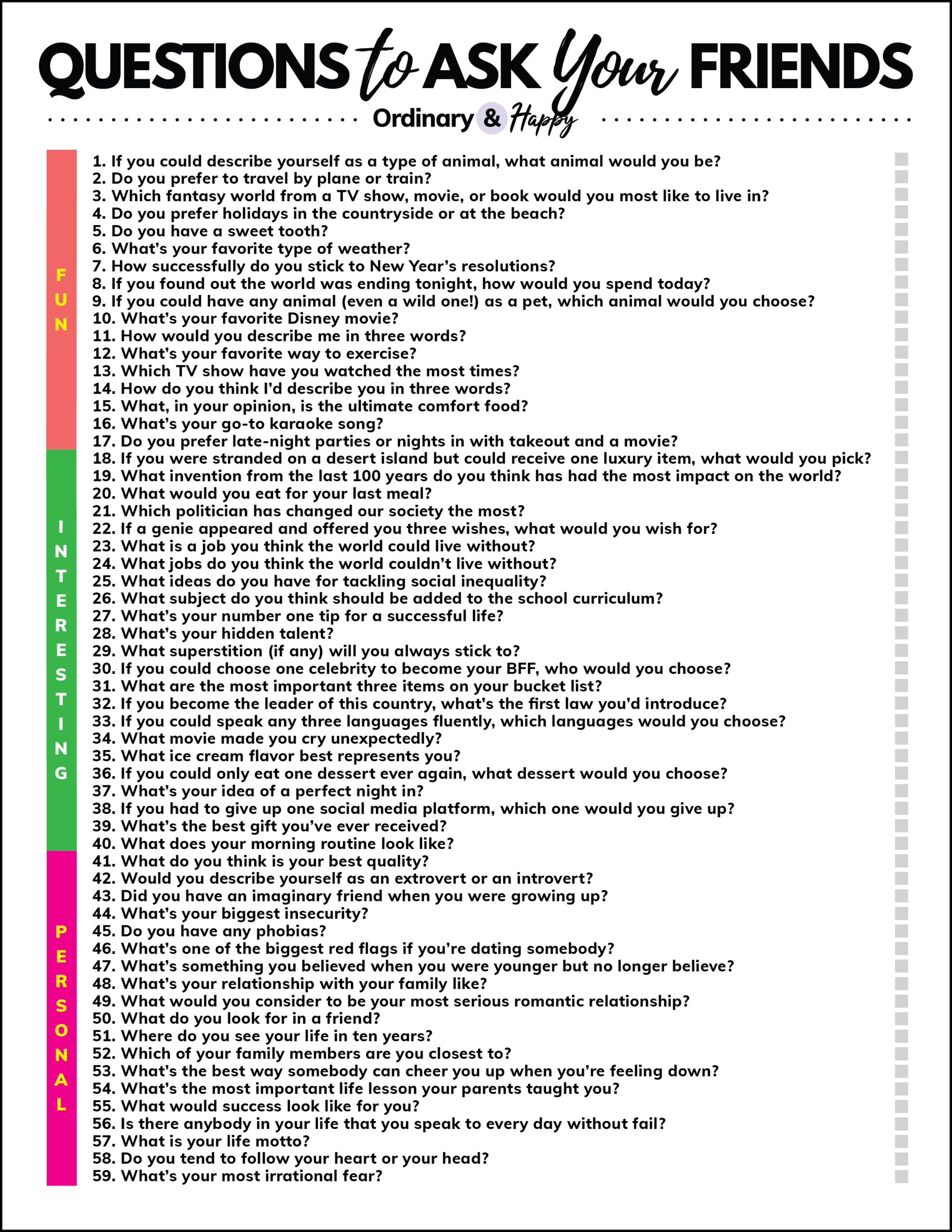
High-impact conversation starters build instant rapport by bypassing surface-level small talk and tapping into personal experiences, values, and imaginative scenarios. Whether navigating social gatherings, professional networking, or intimate dates, using well-structured open-ended questions creates psychological safety, invites authentic storytelling, and turns routine interactions into memorable, meaningful connections.
The Psychology of Great Dialogue: Why Purposeful Questions Work
Human communication relies heavily on psychological safety and cognitive priming. Traditional small talk—such as asking about the weather or asking someone what they do for a living—often triggers automated, script-like responses. These canned interactions require minimal cognitive engagement, leading to rapid conversational fatigue.
In contrast, targeted open-ended questions disrupt routine cognitive scripts. By shifting the focus from transactional facts ("What is your job title?") to experiential reflection ("What project made you lose track of time this week?"), conversation starters engage the brain's episodic memory and personal narrative centers. According to research in social psychology, self-disclosure stimulates the brain's reward centers, releasing dopamine and promoting interpersonal trust.
To maximize engagement, effective conversation starters adhere to three fundamental structural principles:
- Low Friction, High Value: Prompts should be simple to grasp while encouraging expansive, personalized responses.
- Non-Threatening Openness: Questions must grant the speaker full agency over how deeply they choose to share.
- Emotional Resonance: Prompts should connect to feelings, curiosity, nostalgia, or aspirations rather than simple binary facts.
Icebreakers for Social Gatherings and Casual Encounters
Casual social events require low-stakes questions that spark positive energy without forcing oversharing. These prompts are ideal for parties, casual meetups, or dinner gatherings where the primary goal is finding common ground.
- What was the absolute highlight of your week so far?Why it works: Directs attention toward positive experiences and reveals what the person prioritizes in their day-to-day life.
- If you could instantly become an expert in any hobby or subject overnight, what would it be?Why it works: Highlights personal curiosities and unfulfilled ambitions without putting pressure on current skill levels.
- What is a hidden gem spot in this city or region that most people do not know about?Why it works: Taps into local pride and invites practical recommendations that often lead to shared interests.
- What book, podcast, or show are you currently obsessed with?Why it works: Focuses on current media consumption, offering an easy bridge to shared cultural tastes.
- What is the most memorable trip you have ever taken, and what made it stand out?Why it works: Triggers episodic memory, allowing the speaker to share vivid travel anecdotes.
- If you could only eat one specific cuisine for the rest of your life, which would you pick?Why it works: Food is a universal connector; culinary debates naturally provoke playful debate.
- What personal project or activity makes you completely lose track of time?Why it works: Identifies genuine passions and states of hyperfocus or "flow."
- What was the last thing that made you laugh out loud unexpectedly?Why it works: Introduces humor into the room and offers insight into the person's sense of humor.
- If you were guaranteed complete success, what new skill would you learn this year?Why it works: Removes the fear of failure, encouraging imaginative and aspirational sharing.
- What is your go-to song or album when you need an immediate mood boost?Why it works: Music triggers strong emotional associations and provides quick insight into personality.
- How do you usually like to spend a completely unstructured weekend day?Why it works: Contrasts busy work schedules with personal rest preferences, signaling what recharges their energy.
- What is the best piece of casual, practical advice anyone has ever given you?Why it works: Delivers actionable insights and allows the speaker to honor a mentor or friend.
Deep and Thought-Provoking Questions for Intimate Connections
Building deep relationships requires moving beyond shared interests into shared values, life experiences, and core philosophies. Use these questions during one-on-one conversations, late-night discussions, or dates when mutual trust is established.
- What personal belief or mindset shift has had the biggest positive impact on your life?Why it works: Invites the speaker to reflect on personal growth and self-improvement.
- What is something you used to believe strongly that you have completely changed your mind about?Why it works: Highlights intellectual humility and demonstrates how a person learns from experience.
- What defining moment in your past shaped who you are today more than anything else?Why it works: Uncovers foundational life events, fostering deep emotional intimacy.
- How do you define a meaningful life, and how close do you feel to living it?Why it works: Opens up philosophical discussion around purpose and personal fulfillment.
- What is a quality you deeply admire in others that you wish you cultivated more in yourself?Why it works: Displays vulnerability and self-awareness without self-deprecation.
- What hard lesson took you the longest time to truly learn and apply?Why it works: Examines resilience and the wisdom gained through hardship.
- What is something you feel deeply passionate about that rarely comes up in everyday conversation?Why it works: Gives the speaker space to discuss niche interests or private values.
- When during your normal week do you feel most authentically yourself?Why it works: Explores environments and social dynamics where the person feels fully comfortable.
- What is a major challenge you overcame recently that you haven't had the chance to celebrate?Why it works: Gives space to validate personal victories that others may have overlooked.
- How has your definition of success evolved over the past five years?Why it works: Reflects maturity and shifting life priorities over time.
- What personal rule or boundary do you strictly live by to protect your peace?Why it works: Demonstrates self-respect and offers clear insight into personal boundaries.
- If you could give your younger self one piece of wisdom, what would it be?Why it works: Connects past struggles with present perspective through self-compassion.
Professional and Workplace Conversation Starters
Professional networking often suffers from monotonous inquiries about job descriptions. These targeted workplace questions help build authentic professional relationships, uncover common industry challenges, and highlight leadership approaches.
- What was your very first job, and what unexpected lesson did it teach you?Why it works: Equalizes professional status by grounding the discussion in early work experiences.
- What project are you working on right now that genuinely excites you?Why it works: Directs focus toward active engagement and enthusiasm rather than routine duties.
- How do you maintain focus and creativity when dealing with demanding deadlines?Why it works: Focuses on practical productivity strategies and stress management techniques.
- What industry trend or innovation do you think will change our field the most in the coming years?Why it works: Encourages forward-thinking insight and strategic analysis.
- Who has been the most influential mentor in your professional journey, and why?Why it works: Honors professional relationships while highlighting values like leadership and guidance.
- What is a common myth or misconception about your line of work?Why it works: Clarifies professional realities while letting the speaker correct popular misunderstandings.
- What professional risk did you take that ended up yielding the greatest reward?Why it works: Explores decision-making, risk tolerance, and career growth trajectories.
- If you could solve one major operational frustration in your industry, what would it be?Why it works: Identifies shared pain points and opens the door to collaborative problem-solving.
- How do you effectively balance high-level strategic vision with daily operational execution?Why it works: Taps into leadership mechanics and workflow management.
- What specific skill set do you believe will be most critical for emerging leaders over the next decade?Why it works: Frame future readiness, professional development, and changing workplace needs.
- What is the best career pivot or unexpected professional opportunity you have ever embraced?Why it works: Normalizes non-linear career paths and celebrates adaptability.
Fun, Hypothetical, and Playful Prompts
Hypothetical prompts encourage creative thinking and break through conversational stiffness. These work exceptionally well in team-building environments, social dinners, or casual gatherings.
- If you could host a dinner party with three figures from history, who would you invite?Why it works: Reveals personal interests, historical passions, and curiosity.
- If you were granted the authority to establish a new national holiday, what would it celebrate?Why it works: Encourages lighthearted creativity while showcasing personal priorities.
- What fictional universe or movie world would you choose to live in for a month?Why it works: Taps into imagination, pop culture, and escapist preferences.
- If you had to enter a reality TV competition, which one would you actually have a chance of winning?Why it works: Prompts self-aware humor regarding niche skills or personality traits.
- If you were given a blank check to open any small business tomorrow, what would it be?Why it works: Uncovers entrepreneurial interests without financial limitations.
- What superpower sounds useful on paper but would actually be a major inconvenience in real life?Why it works: Encourages lateral thinking and playful debate.
- If you were forced to rename yourself today, what name would you pick?Why it works: Explores identity and self-perception in a light, fun way.
- What mystery or unexplained event would you most love to know the absolute truth behind?Why it works: Sparks curiosity around history, science, or pop culture mysteries.
- If you could add one unusual or luxurious feature to your dream house, what would it be?Why it works: Visualizes personal comfort and playful architectural ideas.
- What silly or unusual talent do you possess that almost no one in your daily life knows about?Why it works: Builds fast rapport through lighthearted, self-deprecating fun.
Questions for Re-Energizing Stalled Conversations
When a conversation hits an uncomfortable silence or loses momentum, asking an unexpected, engaging question can reset the dialogue without feeling awkward.
- What is something interesting you learned recently that completely surprised you?Why it works: Reframes the dialogue around shared curiosity and learning.
- If we could pause the schedule and travel anywhere in the world right now, where would we go?Why it works: Breaks up routine conversation with spontaneous, imaginative travel ideas.
- What niche topic could you give an impromptu 15-minute presentation on without any prep?Why it works: Gives the speaker space to share their distinct expertise or personal passion.
- What small detail about your day today was surprisingly pleasant?Why it works: Brings attention back to the present moment with a positive focus.
- What question should I have asked you today that I haven't thought of yet?Why it works: Gives the speaker full control over the topic, leading to genuine, unforced conversation.
Strategic Comparison of Conversation Types
Selecting the right prompt requires matching your question to the social environment, emotional comfort level, and time available.
| Category | Primary Setting | Emotional Depth | Main Psychological Goal | Key Example Question |
|---|---|---|---|---|
| Social Icebreakers | Parties, mixers, casual events | Low to Moderate | Lower social barriers and build quick rapport | What was the absolute highlight of your week so far? |
| Deep & Intimate Prompts | One-on-one dates, close friendships | Moderate to High | Cultivate vulnerability and explore personal values | What personal belief shift had the biggest impact on your life? |
| Professional Starters | Conferences, networking, team events | Professional / Objective | Find common industry ground and showcase expertise | What project are you working on right now that genuinely excites you? |
| Fun & Hypothetical | Group dinners, team-building | Playful / Creative | Stimulate shared humor and lateral thinking | If you could host a dinner party with three historical figures, who would you invite? |
| Conversational Resets | Stalled or mid-point discussions | Variable | Re-energize attention and pivot away from dry topics | What topic could you give an impromptu 15-minute presentation on? |
Best Practices for Delivering Conversation Starters
Having a great list of questions is only half the equation; execution determines whether an interaction feels like a natural conversation or a transactional interview.
1. Maintain the "Ping-Pong" Ratio
A great conversation follows a balanced give-and-take rhythm. Avoid asking questions rapid-fire like an interrogation. After someone answers a prompt, validate their point, share a brief related story or reflection of your own, and allow the conversation to evolve naturally before introducing a new question.
2. Practice Active Listening and Follow-Up Probing
The most effective conversation starter is often the follow-up question. Listen carefully for emotional emphasis, unique phrasing, or hesitation in the speaker's response. Use active follow-up prompts such as:
- "What made you realize that?"
- "How did that experience change how you approach things now?"
- "That sounds fascinating—what was the hardest part about it?"
3. Read Social Cues and Gauge Comfort Levels
Context matters. Pushing a deep, introspective question during a noisy, fast-paced networking event can make people feel put on the spot. Match your question selection to the group dynamics, time limitations, and current emotional tone. If someone gives a brief or guarded answer, smoothly pivot back to a lighter, lower-stakes topic.
Frequently Asked Questions
How do I introduce a deep conversation starter without making things awkward?
Transition smoothly by anchoring the question in current context or shared experience. Use introductory phrases like, "I was recently reading about X..." or "I was thinking about this earlier today..." Anchoring the prompt provides context, reducing surprise and making the transition feel natural.
What should I do if someone answers a conversation starter with a single word?
Use an open-ended follow-up phrase to encourage elaboration. You can say, "That's an interesting choice—what made you pick that?" or offer a lighthearted personal response first to model open sharing, giving them time to expand on their answer.
Are hypothetical questions effective in professional networking settings?
Yes, provided they relate loosely to creativity, problem-solving, or industry trends. Prompts like, "If you had an unlimited budget to solve one common frustration in our industry, what would you tackle first?" maintain professional relevance while encouraging creative discussion.
How can I avoid making a conversation feel like an interview?
Avoid asking consecutive questions without sharing your own perspective. Insert brief reflections, relevant anecdotes, or validated statements between prompts so the dialogue flows like a collaborative exchange rather than a Q&A session.
What makes a question an effective conversation starter?
An effective conversation starter is open-ended, non-judgmental, and invites narrative storytelling rather than a simple yes-or-no answer. It gives the speaker control over how much they disclose while tapping into personal feelings, memories, or creative ideas.
Mastering Conversational Momentum
To build better social and professional connections, focus on mastering two or three questions from each category rather than trying to memorize all fifty. Start small: pick two casual icebreakers and one professional prompt to test during your upcoming interactions this week.
Pay close attention to which questions yield the most authentic responses and feel most natural for your personal communication style. Over time, asking thoughtful questions will become second nature, turning routine interactions into engaging, lasting connections.