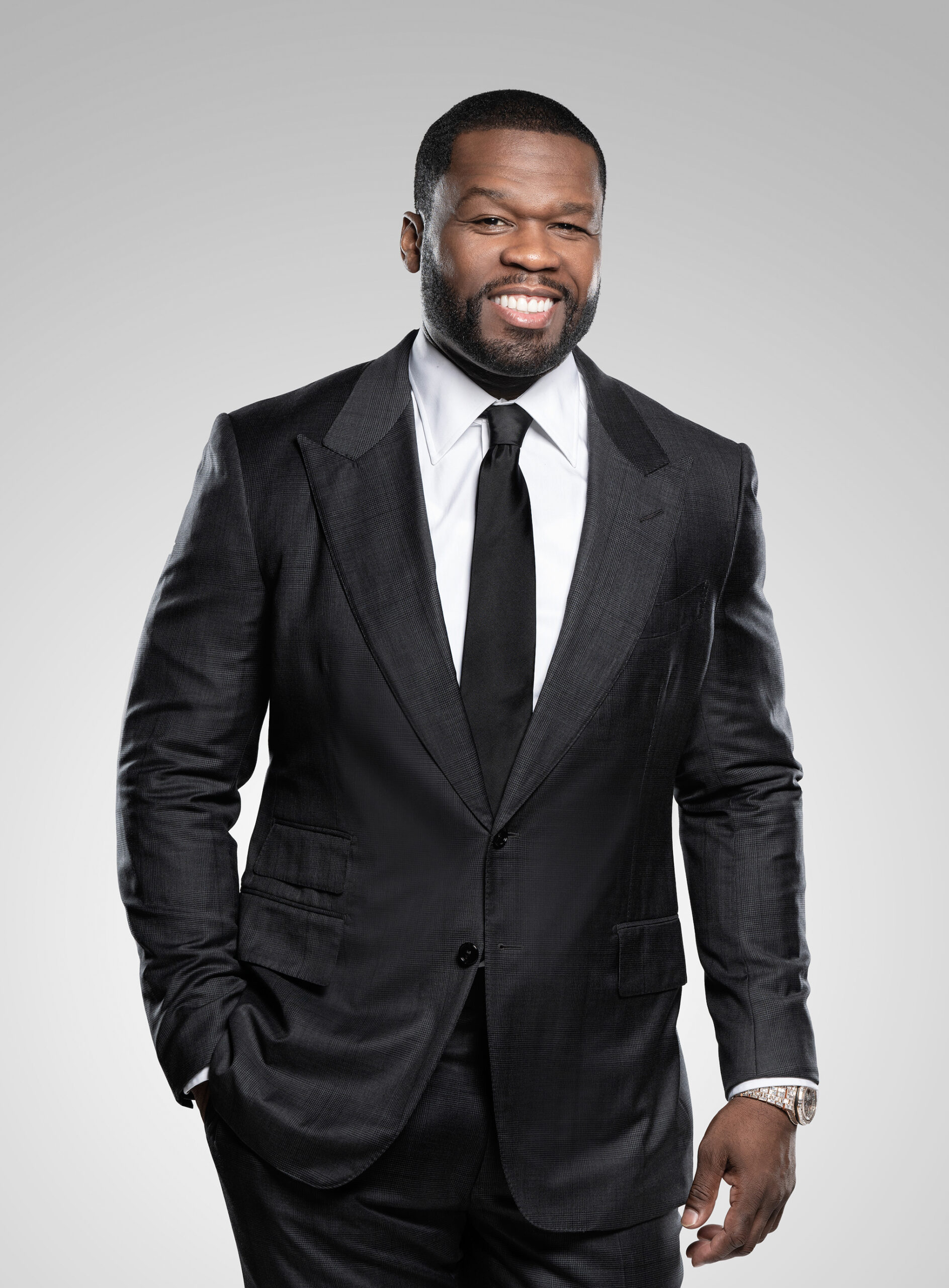
Curtis "50 Cent" Jackson III represents the ultimate evolution of the artist-entrepreneur, having successfully transitioned from a multi-platinum recording artist to a high-stakes investor and television mogul. By 2026, his career serves as a masterclass in brand diversification, leveraging a "street-smart" ethos to navigate complex corporate structures in the beverage, film, and luxury spirits industries.
The trajectory of 50 Cent is not merely a story of musical success; it is a case study in equity-based wealth creation. Unlike many of his peers who settled for traditional endorsement fees, Jackson pioneered the "equity-for-endorsement" model, most famously with Vitaminwater. This strategic shift from laborer to owner allowed him to survive the volatility of the music industry and build a sustainable empire that remains influential as we move through the mid-2020s.
The Foundation: Music as a Marketing Engine
To understand 50 Cent the investor, one must first understand the cultural capital he built in the early 2000s. His debut studio album, Get Rich or Die Tryin’ (2003), was more than a musical milestone; it was a global branding event. Under the mentorship of Eminem and Dr. Dre, Jackson utilized his authentic "tough-guy" persona to create a massive, loyal consumer base.
During this era, Jackson recognized that music was a low-margin business compared to the potential of the products he could associate with his name. He used his music videos and public appearances as a 24/7 advertising platform for G-Unit, his brand collective. This included G-Unit Records, G-Unit Clothing, and eventually, high-end electronics. By the time his musical dominance began to plateau in terms of chart positions, his brand equity was high enough to open doors in boardrooms that were previously closed to hip-hop artists.
The Vitaminwater Pivot: A Paradigm Shift in Celebrity Investing
The most significant moment in Jackson’s career as an investor occurred in 2004 when he partnered with Glacéau, the parent company of Vitaminwater. Rather than accepting a standard multimillion-dollar check to appear in commercials, Jackson negotiated for a minority equity stake in the company. He became the face of "Formula 50," a grape-flavored variant of the drink.
When Coca-Cola acquired Glacéau in 2007 for $4.1 billion, Jackson’s minority stake reportedly netted him between $60 million and $100 million after taxes. This deal was revolutionary for several reasons:
- Risk Alignment: It showed that a celebrity was willing to tie their compensation to the company's ultimate exit value.
- Product Integration: Jackson didn't just promote the drink; he made it part of his lifestyle, influencing urban demographics that Coca-Cola had previously struggled to reach.
- Proof of Concept: It proved that hip-hop figures could be sophisticated venture capitalists, paving the way for future deals by artists like Jay-Z and Dr. Dre.
G-Unit Film & Television: Dominating the Small Screen
As the streaming wars intensified into the 2020s, 50 Cent solidified his position as one of the most prolific producers in Hollywood. His partnership with the Starz network, which began with the hit series Power in 2014, evolved into an entire cinematic universe. By 2026, the Power franchise (including spin-offs like Ghost, Raising Kanan, and Force) has become a cornerstone of premium cable television.
Jackson’s approach to television production mirrors his approach to music: he identifies underserved audiences and provides high-octane, relatable narratives. His 2018 deal with Starz was reportedly worth up to $150 million, making it one of the largest talent deals in the network's history. His move toward independent production and his later multi-project deal with FOX underscore his desire for creative control and ownership of the intellectual property (IP). By owning the shows he produces, Jackson ensures long-term residual income and licensing opportunities across global markets.
The Sire Spirits Era: Luxury Branding and Distribution
In the latter half of his career, Jackson pivoted toward the luxury spirits market, launching Sire Spirits. This venture includes Branson Cognac and Le Chemin du Roi (The King's Path) champagne. Unlike his previous ventures where he was a minority partner, Sire Spirits is a company where Jackson holds significant operational control.
His strategy involves aggressive grassroots marketing combined with high-level sports partnerships. By 2026, Sire Spirits has secured exclusive pouring rights and sponsorship deals with multiple NBA and NFL franchises, including the Houston Rockets, Sacramento Kings, and the Washington Commanders. These deals are strategic; they provide the brand with high visibility among affluent sports fans and ensure consistent distribution channels through stadium concessions and VIP suites.
Financial Resilience and the Strategic Use of Bankruptcy
A critical chapter in the 50 Cent profile is his 2015 filing for Chapter 11 bankruptcy. To the casual observer, it appeared as a financial failure; however, to financial analysts, it was a tactical legal maneuver. The filing followed a $7 million judgment in a privacy lawsuit and an $18 million judgment regarding a failed headphone deal (Sleek Audio).
By filing for Chapter 11, Jackson was able to:
- Restructure Debt: He consolidated his liabilities and created a court-supervised repayment plan.
- Protect Assets: It prevented creditors from seizing his core business entities while he reorganized his finances.
- Finalize Settlements: In 2017, he successfully exited bankruptcy after paying off roughly $23 million in debt ahead of schedule.
This period demonstrated his resilience and his understanding of corporate law as a tool for wealth preservation. It served as a reminder that "net worth" on paper is often secondary to cash flow management and legal protection.
Key Business Ventures and Outcomes
The following table outlines the diverse sectors where 50 Cent has deployed capital and the outcomes of those investments.
| Venture | Sector | Role | Key Outcome / Status (as of 2026) |
|---|---|---|---|
| G-Unit Records | Music | Founder/CEO | Distributed over 30M albums; transitioned to talent management. |
| Glacéau (Vitaminwater) | Beverage | Equity Partner | Net worth surge after $4.1B Coca-Cola acquisition. |
| G-Unit Film & TV | Media | Executive Producer | Created the Power Universe and BMF; high-value FOX/Starz deals. |
| Sire Spirits | Alcohol | Owner/Founder | National distribution for Branson Cognac and Le Chemin du Roi. |
| SMS Audio | Electronics | Founder | Competed in the high-end headphone market; later pivoted to specialized tech. |
| Vegas Residency | Entertainment | Performer/Producer | "Final Lap" residency in 2025-2026, generating high-margin ticket sales. |
Investment Philosophy: The "Hustler" Methodology
The core of 50 Cent’s success as an investor is a philosophy he calls "Fearless Hustling." In his book, Hustle Harder, Hustle Smarter, he outlines several principles that define his professional life:
- Direct Communication: Jackson is known for using social media to bypass traditional PR, often pressuring business rivals or promoting his products directly to his 30+ million followers.
- Emotional Intelligence (EQ): He emphasizes the ability to read people in a boardroom as effectively as one would on the street. Understanding the motivations of his partners allows him to negotiate more favorable terms.
- Diversification of Risk: He rarely puts all his capital into one sector. When the music industry shifted to streaming (which pays artists less), he already had established cash flows from television and spirits.
- Brand Synergy: Every venture he enters must complement his existing portfolio. His TV shows feature his spirits; his music promotes his TV shows; his public persona drives interest in everything he touches.
Frequently Asked Questions
Did 50 Cent really make $100 million from Vitaminwater?
While the exact figure is subject to confidentiality agreements, multiple financial outlets and Jackson himself have confirmed that his take from the $4.1 billion Coca-Cola acquisition was in the range of $60 million to $100 million. This was based on his minority equity stake, which he received in exchange for branding and promotion.
Why did 50 Cent file for bankruptcy if he was wealthy?
Jackson filed for Chapter 11 bankruptcy in 2015 primarily as a legal strategy to manage and restructure nearly $30 million in legal judgments. Chapter 11 is a reorganization bankruptcy, which allowed him to keep his businesses running while paying off his creditors under a court-approved plan, which he completed early in 2017.
What is 50 Cent's most successful business venture as of 2026?
From a long-term revenue and influence perspective, G-Unit Film & Television is his most successful venture. The Power universe has become a global phenomenon, providing Jackson with consistent executive production fees, licensing revenue, and immense leverage in the entertainment industry.
How does 50 Cent choose his investments?
Jackson typically looks for "equity-heavy" deals where he can be more than just a spokesperson. He prioritizes industries with high consumer loyalty, such as alcohol and entertainment, and often targets businesses where he can disrupt established players through aggressive marketing and direct-to-consumer engagement.
Does he still make music in 2026?
While Jackson remains an active performer, particularly with his high-grossing Las Vegas residencies and global tours, his focus has shifted primarily to production and investment. Music now serves as a legacy asset and a promotional tool for his broader business empire rather than his primary source of income.
Strategic Takeaway for Modern Investors
For those looking to emulate Jackson’s success, the most critical takeaway is the transition from fee-for-service to ownership. In the 2026 economy, brand power is a currency, but that currency only gains lasting value when it is converted into equity. 50 Cent proved that by taking a "lower" immediate payment in exchange for a percentage of the company, an individual can participate in the exponential growth of a business rather than just receiving a flat wage.
Aspiring entrepreneurs should focus on "vertical integration" within their own brands. If you have a platform, do not just sell other people’s products; develop your own, control the distribution, and ensure that every piece of content you create serves as a commercial for an asset you own. This is the blueprint 50 Cent used to move from the bottom of the socioeconomic ladder to the pinnacle of corporate success.