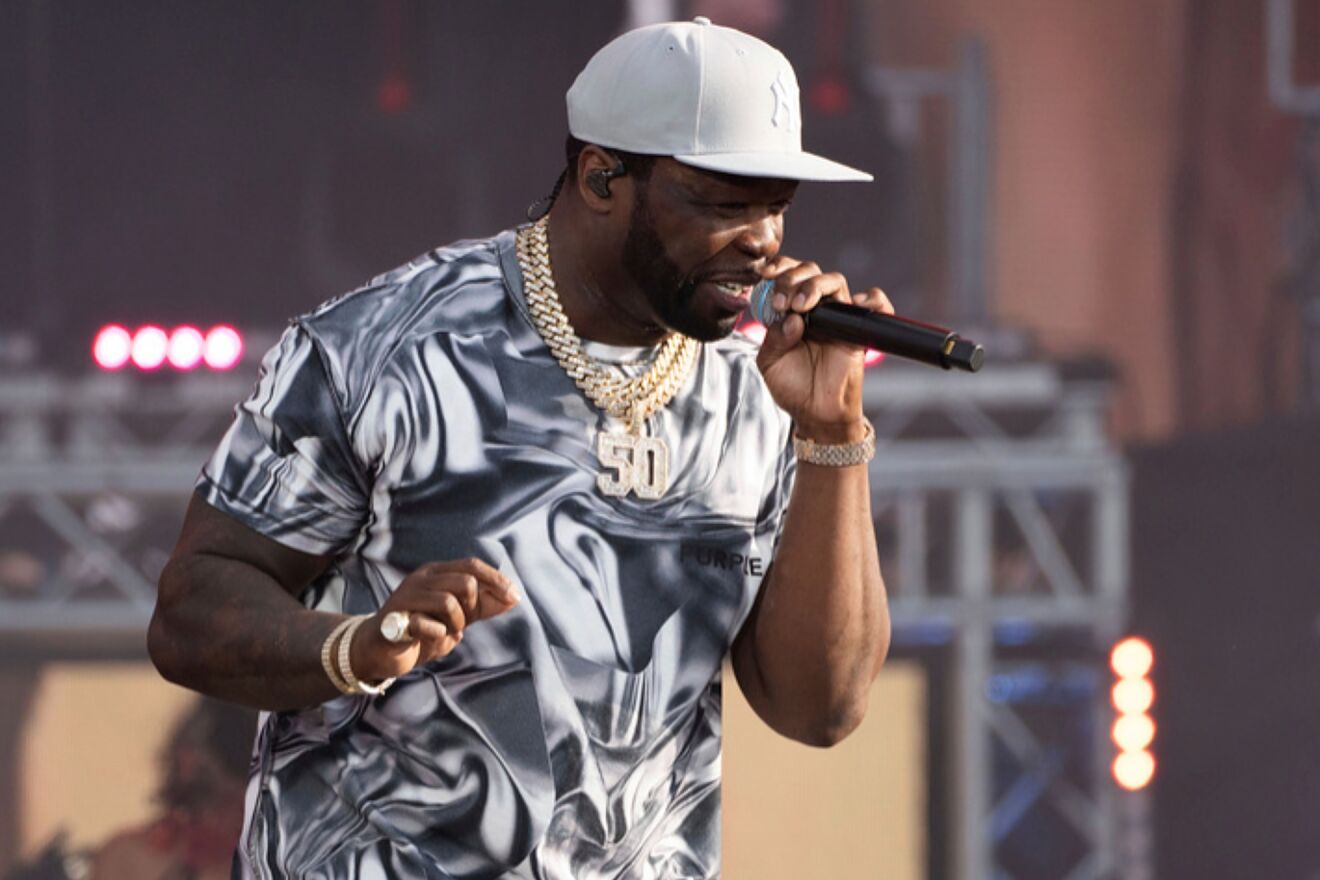
As of 2026, 50 Cent’s net worth is estimated to be approximately $60 million to $90 million, following a massive career resurgence driven by his "Final Lap" global tour and his expanding G-Unit Film & TV empire. In comparison, O’Shea Jackson (Ice Cube) maintains a significantly higher net worth, estimated at $160 million to $200 million, largely due to his decades of film production success and his ownership stake in the BIG3 basketball league.
While both men rose to fame through hardcore rap, their financial trajectories in 2026 reflect two different styles of moguldom. 50 Cent, born Curtis Jackson, is the master of the "pivot," having successfully navigated high-profile bankruptcy proceedings in the mid-2010s to emerge as a dominant force in premium cable television. O’Shea Jackson, conversely, represents the "buy and hold" strategy of Hollywood, maintaining long-term ownership of film franchises and sports ventures that have appreciated steadily over thirty years.
The Financial Evolution of Curtis "50 Cent" Jackson
To understand 50 Cent’s wealth in 2026, one must look past his music royalties. While Get Rich or Die Tryin’ remains a cultural touchstone that generates passive income, the bulk of his modern fortune is tied to his production prowess. Following the conclusion of his landmark deal with Starz, 50 Cent transitioned his "Power" Universe into a broader media strategy, including a major multi-year non-exclusive deal with Fox Entertainment.
His most significant asset in 2026 is the G-Unit Film & TV Studios located in Shreveport, Louisiana. By securing a long-term lease on a massive studio facility, Jackson has positioned himself as a literal landlord of content creation. This move allows him to lower production costs for his own shows while leasing space to other productions, creating a diversified revenue stream that is less dependent on his personal brand and more on the physical infrastructure of the entertainment industry.
Beyond the screen, 50 Cent’s Sire Spirits—which includes Le Chemin du Roi champagne and Branson Cognac—remains a core pillar of his portfolio. Despite legal battles with former distributors, the brand has maintained its value through aggressive marketing and partnerships with major sports teams, such as the Houston Texans and the Sacramento Kings.
The Ice Cube Empire: Stability and Sports Ownership
O’Shea Jackson, known globally as Ice Cube, has long been one of the wealthiest figures in hip-hop. His financial standing in 2026 is bolstered by a "producer-first" mentality that began in the early 1990s. Unlike many of his peers who took "work-for-hire" acting roles, Jackson utilized his production company, Cube Vision, to retain creative control and a larger share of the profits from hits like the Friday franchise, Barbershop, and Ride Along.
A major component of Jackson’s valuation in 2026 is the BIG3, the professional 3-on-3 basketball league he co-founded. What was once seen as a niche sporting experiment has matured into a valuable media property. With the league securing consistent television broadcasting rights and expanding into international markets, Jackson’s equity in the BIG3 represents a type of "legacy wealth" that few other rappers have achieved. The league’s decentralized model—where individual teams are sold to owners—has allowed for significant capital infusions that drive up the overall valuation of the organization.
Furthermore, Jackson has been a savvy investor in real estate and technological ventures that cater to the intersection of entertainment and fan engagement. His ability to stay out of the legal and financial "red" that often plagues high-profile stars has allowed his wealth to compound effectively over the last decade.
Side-by-Side Comparison: Jackson vs. Jackson
Comparing these two moguls requires looking at their liquidity, asset types, and historical windfalls. While 50 Cent had the single largest "payout" between the two with the Vitamin Water deal in 2007, Ice Cube has had more consistent high-earning years without the drag of massive debt restructuring.
| Financial Metric | 50 Cent (Curtis Jackson) | Ice Cube (O’Shea Jackson) |
|---|---|---|
| Estimated Net Worth (2026) | $60M - $90M | $160M - $200M |
| Primary Wealth Driver | Television Production (G-Unit) | Film Production & BIG3 Ownership |
| Key Alcohol/CPG Asset | Sire Spirits (Branson Cognac) | Localized Brand Endorsements |
| Highest Single Windfall | Vitamin Water Sale ($100M+ pre-tax) | Straight Outta Compton / BIG3 Valuations |
| Real Estate Strategy | Commercial Studios (Shreveport) | High-End Residential & Commercial |
| Music Catalog Status | Retains significant rights/royalties | Retains rights; heavy licensing focus |
The Impact of the Vitamin Water vs. BIG3 Models
The "Vitamin Water" deal remains the most famous financial move in 50 Cent’s history. In the mid-2000s, he took equity in Glacéau in exchange for being a spokesperson. When Coca-Cola purchased the company for $4.1 billion, 50 Cent’s take-home pay was estimated between $60 million and $100 million. However, much of this capital was later liquidated or tied up in the legal battles and bankruptcy filings of 2015. In 2026, his wealth is built on current cash flow from TV and spirits rather than that original lump sum.
Ice Cube’s approach with the BIG3 is more of a "slow burn" that is paying off in 2026. By building a sports league from the ground up, he isn't just a spokesperson; he is the "Commissioner" and primary owner. As sports valuations have skyrocketed globally, Jackson’s stake in a legitimate professional league provides him with a level of institutional wealth that 50 Cent’s spirit brand—while successful—cannot yet match. The BIG3 represents a platform that can be sold or taken public, offering a potential multi-hundred-million-dollar exit that 50 Cent’s current ventures are still scaling toward.
Real Estate and Infrastructure: The New Frontier
In 2026, the battle for net worth dominance has moved into physical infrastructure. 50 Cent’s investment in the Shreveport studio complex is a strategic move to insulate his wealth from the volatility of the music industry. By owning the means of production, he captures revenue from every stage of the filming process, from equipment rentals to post-production services.
Ice Cube’s real estate portfolio is more traditional but equally robust. He has historically invested in commercial properties in California and maintains a diverse set of residential holdings. However, his "infrastructure" is more intellectual. Cube Vision owns the rights to several scripts and concepts that act as "dormant assets," ready to be rebooted or licensed to streaming giants like Netflix or Amazon at a premium.
Legacy and the O’Shea Jackson Jr. Factor
When discussing the "Jackson fortune," the conversation in 2026 often includes O’Shea Jackson Jr. While 50 Cent has faced public estrangement from his eldest son, Ice Cube has successfully integrated his son into the family business. O’Shea Jackson Jr. has established a high-earning career as an A-list actor (Straight Outta Compton, Godzilla: King of the Monsters, Den of Thieves).
While the son’s net worth (estimated at $10M-$15M) is separate from his father’s, the "Jackson" brand operates as a cohesive unit. This familial stability often leads to better long-term financial planning and reduced "leakage" of wealth to external managers and legal fees—a problem that 50 Cent has spent much of the last decade correcting.
Frequently Asked Questions
Did 50 Cent really lose all his money in bankruptcy?
No. 50 Cent filed for Chapter 11 bankruptcy in 2015, which is a strategic reorganization of debt rather than a total liquidation of assets. He used the process to restructure his obligations after losing a multi-million dollar lawsuit. He emerged from bankruptcy in 2017 after paying off $22 million in debt, and his net worth has been on an upward trajectory since then due to his television success.
How much does Ice Cube make from the BIG3?
While his exact annual salary is not public, Ice Cube’s wealth is tied to his equity in the league. As of 2026, with the league’s valuation increasing through national TV deals and team sales (some teams have been valued at over $10 million each), his paper wealth has increased by tens of millions.
Who is richer: 50 Cent or Ice Cube?
As of 2026, Ice Cube is significantly wealthier than 50 Cent. Estimates place Ice Cube’s net worth at roughly double or triple that of 50 Cent, primarily due to his long-standing success in the film industry and his ownership of a professional sports league.
What is 50 Cent's biggest source of income in 2026?
His biggest revenue stream is currently his production deals. Between his "Power" and "BMF" franchises and his new ventures with Fox and G-Unit Studios, 50 Cent earns substantial executive producer fees, creator royalties, and studio rental income.
Does Ice Cube still own his music?
Yes, Ice Cube has been a staunch advocate for artist ownership. He retains significant control over his solo catalog and has a stake in the N.W.A. legacy, which continues to generate millions through streaming and synchronization licenses for films and commercials.
Leveraging the Comparison for Investment Insights
For those looking to emulate the financial success of these two icons, the takeaway in 2026 is the importance of vertical integration. 50 Cent didn't just want to be an actor; he became the producer and then the studio owner. Ice Cube didn't just want to be a basketball fan; he became the league founder.
The next action for those tracking celebrity net worth is to monitor the valuation of private equity in sports and independent film studios. As traditional music revenue continues to shift toward low-margin streaming, the real wealth in the entertainment sector is being found in "content hubs" and "alternative sports." Investors should look at the move 50 Cent made in Shreveport as a blueprint for how to use municipal incentives to build a low-cost, high-output business empire.