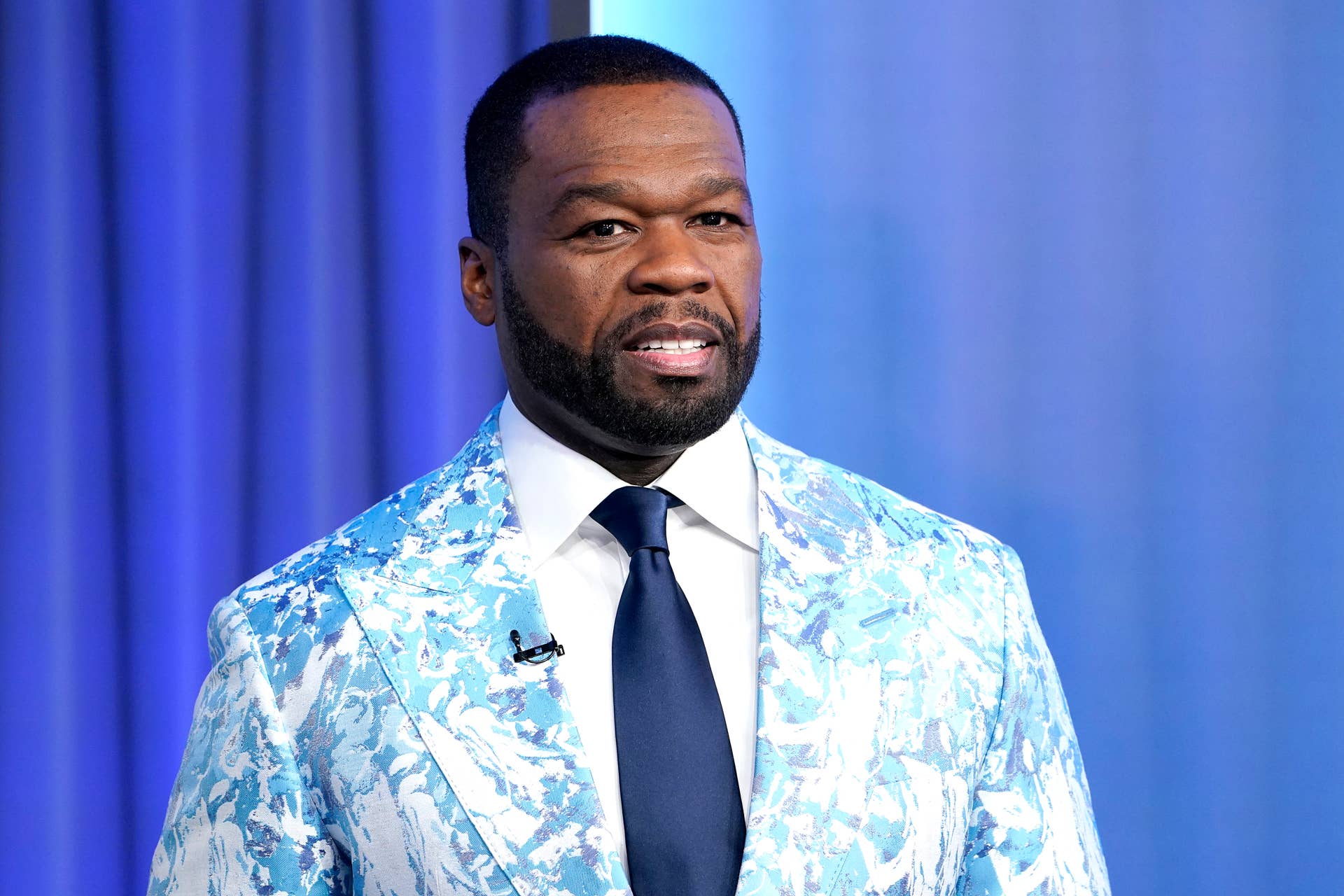
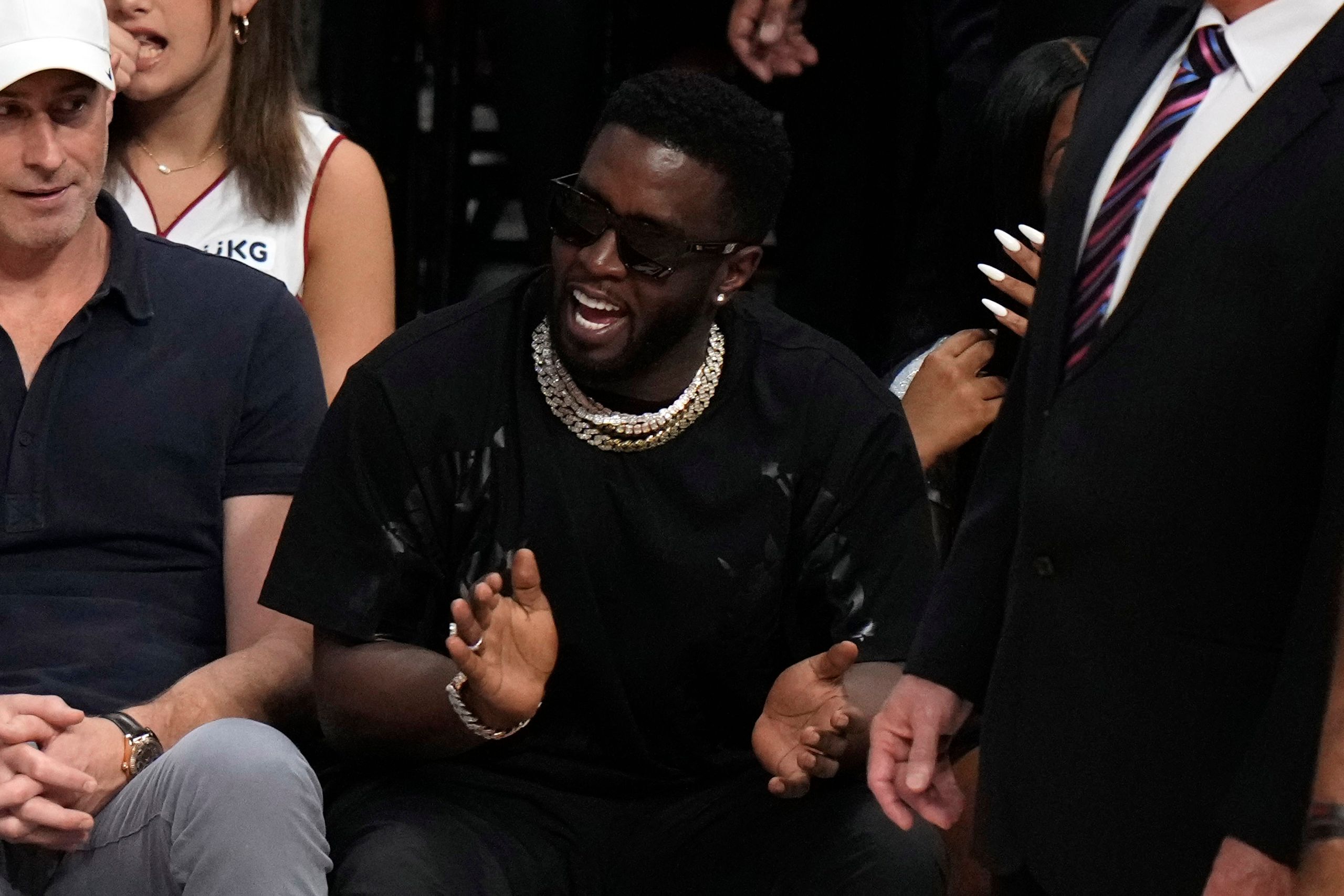
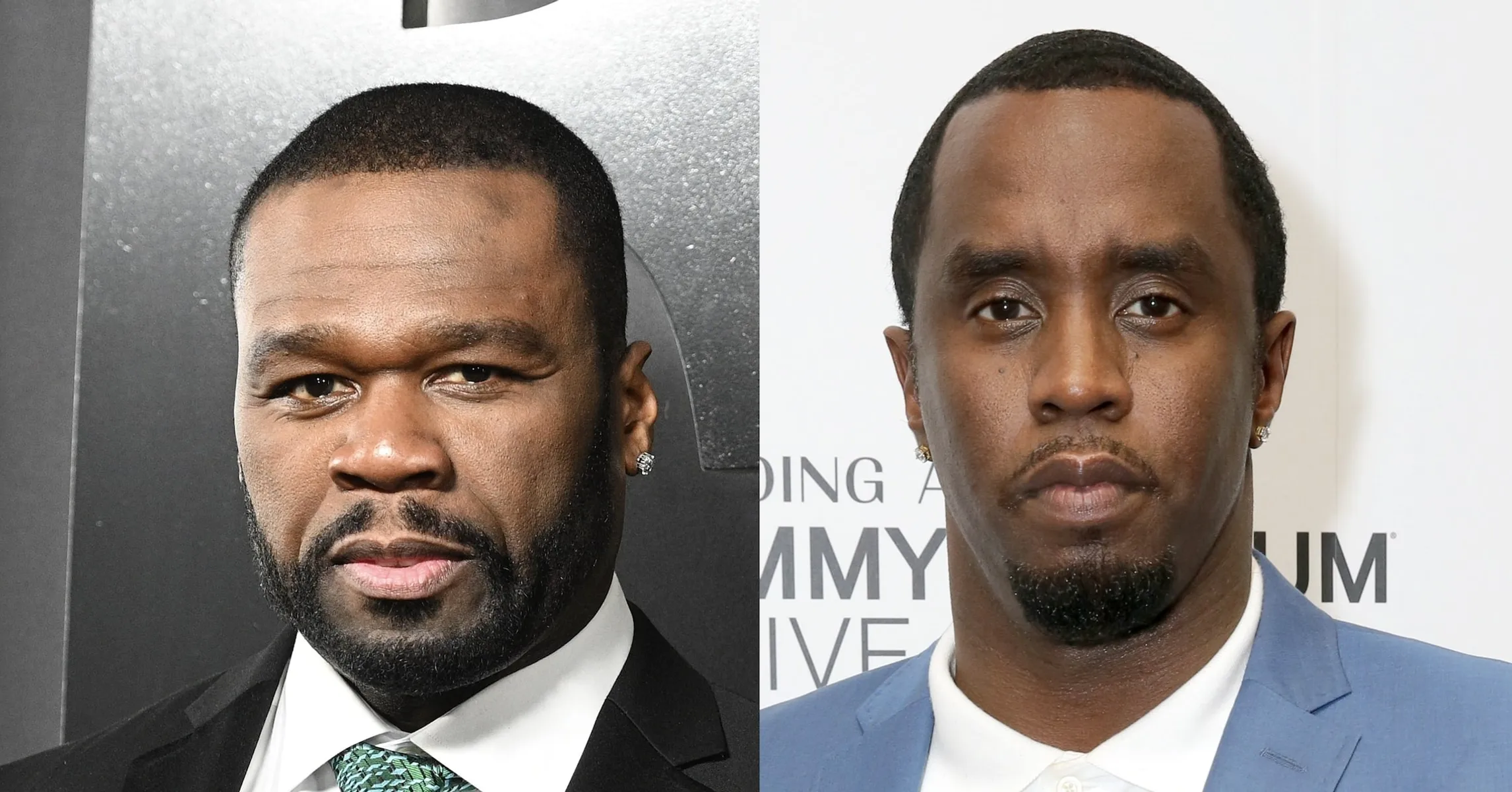
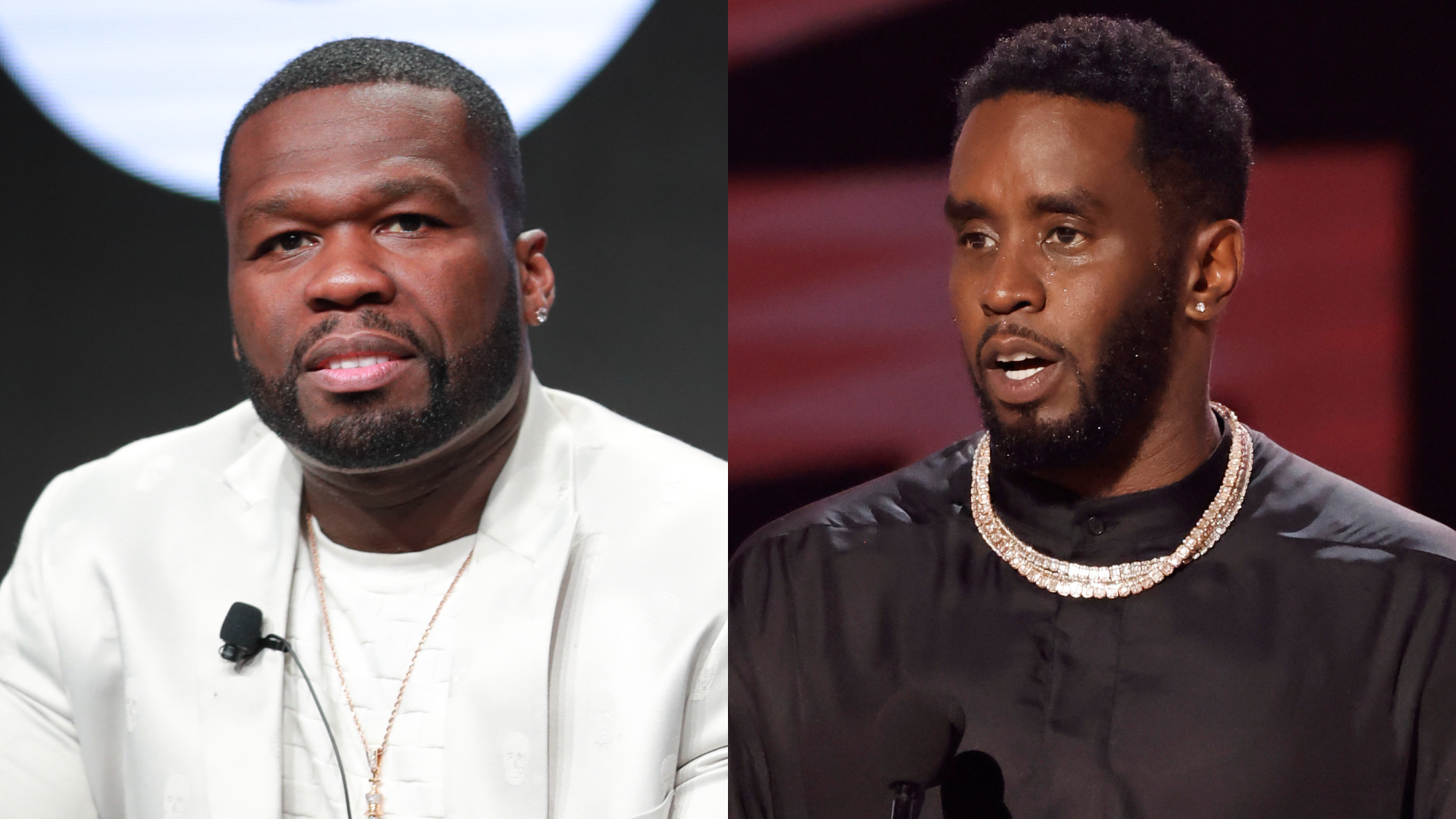
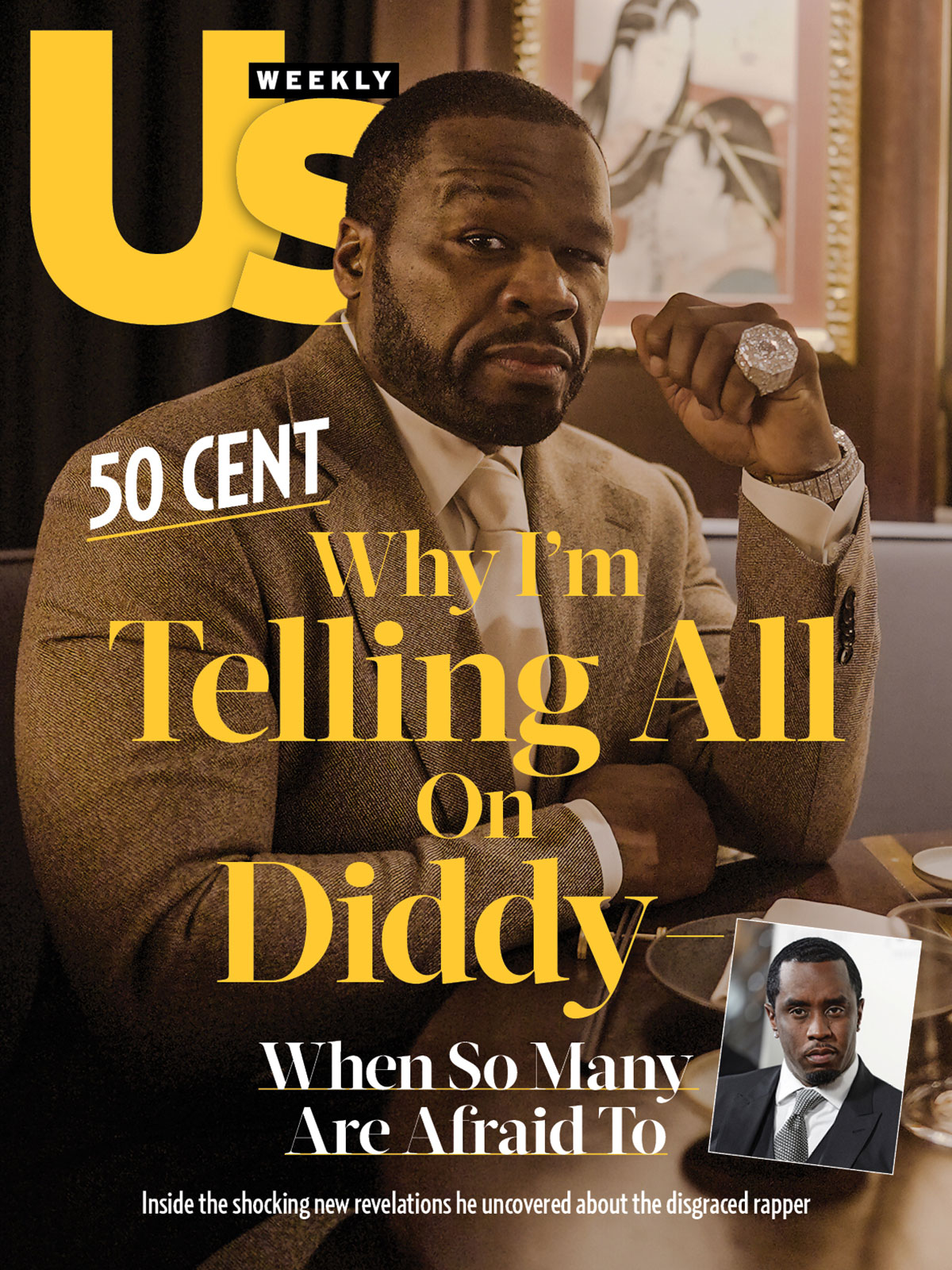
Curtis "50 Cent" Jackson's multi-part docuseries on Sean "Diddy" Combs presents an extensive visual history of Bad Boy Entertainment, combining decades of archival hip-hop footage, behind-the-scenes event tapes, court filings, and exclusive investigative interviews. Directed by Alexandria Stapleton and distributed by Netflix, the project offers a complex, evidence-driven look into Combs' rise and legal challenges.
The Origins of G-Unit’s Investigative Docuseries on Sean Combs
The development of the docuseries surrounding Sean "Diddy" Combs marks a pivotal moment in contemporary music journalism and entertainment law. Spearheaded by Curtis "50 Cent" Jackson through his production entity, G-Unit Film & Television, the project began taking shape in late 2023 following a series of high-profile civil lawsuits filed against Combs. Jackson, who has established a formidable secondary career as a television executive behind series such as Power and BMF, recognized that the expanding legal allegations required a comprehensive visual archive to properly contextualize decades of industry dynamics.
In May 2024, following a competitive bidding war among major streaming platforms, Netflix secured the rights to produce and distribute the multi-part series. The acquisition underscored the high demand for an authoritative, journalistic retrospective rather than a sensationalized tabloid summary. To ensure editorial objectivity, Jackson brought on Emmy Award-winning filmmaker Alexandria Stapleton to direct the project. Stapleton’s inclusion shifted the narrative framing away from a personal feud between two rap icons toward a disciplined investigative study of power structures within the music industry.
The production team set out to compile an exhaustive repository of master tapes, news reels, unreleased studio sessions, and modern court records. Rather than relying solely on contemporary commentary, the docuseries leverages authentic visual evidence to trace how Bad Boy Entertainment grew from an aggressive 1990s startup into a billion-dollar cultural monolith, while systematically addressing the severe legal issues that emerged in subsequent years.
Critical Visual Categories: What Archival Footage and Evidence Comprise the Series
To construct a thorough visual timeline, the production team drew from four main categories of visual and audio material. Each category serves a distinct role in contrasting the public image of Sean Combs with behind-the-scenes realities and official legal proceedings.
1. 1990s and Early 2000s Bad Boy Archives
The visual backbone of the docuseries rests on extensive footage from hip-hop’s golden era. This includes rare behind-the-scenes tape from the founding days of Bad Boy Entertainment, featuring studio sessions with Christopher Wallace (The Notorious B.I.G.), Craig Mack, and Faith Evans. By establishing the cultural influence, musical genius, and financial triumphs of Bad Boy during the 1990s, the documentary provides essential baseline context for viewers unfamiliar with how deeply entrenched Combs became in global pop culture.
2. Industry Lifestyle and High-Society Event Coverage
A significant portion of the visual evidence documents the lavish social ecosystem Combs cultivated throughout the late 1990s and 2000s. Cameras chronicled the famous "White Parties" in the Hamptons, international yacht gatherings, and post-award show galas. These archival clips are paired with critical analysis showing how high-profile networking, celebrity endorsements, and corporate partnerships created an environment where corporate gatekeepers and media outlets rarely questioned internal workplace practices or executive conduct.
3. Court Records, Surveillance, and Law Enforcement Material
As civil lawsuits escalated into federal criminal indictments in 2024, the scope of visual material expanded to include government filings, police body camera footage, search warrant execution records, and hotel surveillance videos entered into court records. The inclusion of verified legal exhibits grounds the docuseries in physical evidence, providing a factual counterbalance to public relations statements issued by legal teams over the years.
4. Direct On-Camera Testimony and Insider Interviews
To synthesize the historical visual footage, director Alexandria Stapleton conducted extensive on-camera interviews. The roster of interviewees includes former Bad Boy artists, audio engineers, former security staff, investigative journalists, legal experts, and individuals who filed civil complaints. These modern visual segments provide direct witness context to the older archival footage, offering first-person accounts of events that occurred behind closed studio doors.
Comparing 50 Cent and Diddy’s Historical Timeline and Media Conflict
The relationship between Curtis Jackson and Sean Combs spans more than two decades, evolving from subtle industry rivalries to a direct battle over media narrative and documentary control. Understanding this historical progression helps clarify why Jackson chose to produce this project.
| Era / Period | Historical Event & Context | Visual & Media Significance | Primary Source Focus |
|---|---|---|---|
| 2006 | 50 Cent releases the diss track "Hip-Hop," questioning Combs' business practices and ties to corporate entities. | Early media soundbites and radio interview footage establishing personal and professional friction. | Audio recordings and music video releases. |
| 2014–2020 | Corporate competition in the premium spirit industry (Cîroc vs. Effen Vodka / Branson Cognac). | Social media video campaigns, public appearances, and promotional rivalries filmed at major nightlife events. | Brand promotional media and social network video uploads. |
| Late 2023 | Civil lawsuits filed against Sean Combs by former partners and associates; G-Unit Film & TV announces documentary production. | Initial footage gathering begins, including news reporting archives and legal filing documentation. | Civil court dockets and investigative journalism reports. |
| May 2024 | Netflix wins rights after a multi-network bidding war; Alexandria Stapleton named director. | Strategic transition from social media commentary to formal documentary studio production. | Official press releases and production distribution agreements. |
| Late 2024–2026 | Federal legal proceedings progress; production integrates verified court evidence and expert analysis. | Inclusion of federal indictment documents, court exhibits, and newly recorded investigative interviews. | Department of Justice filings and sworn deposition footage. |
Editorial Independence and Ethical Standards in Music Industry Documentaries
A central challenge in producing high-profile investigative docuseries is maintaining rigorous editorial standards, particularly when an executive producer has a documented history of public rivalry with the subject. From the outset of the Netflix deal, G-Unit Film & Television established clear structural boundaries to safeguard the journalistic integrity of the project.
Separation of Executive Control and Direction
While Curtis Jackson originated the concept and facilitated early production funding through G-Unit, editorial control was delegated to director Alexandria Stapleton and her independent production crew. Stapleton’s leadership ensured that scene selection, interview pacing, and story arcs adhered to established documentary ethics rather than personal grievances.
- G-Unit Film & TV (Executive Producer)
- Capital & Concept
- Alexandria Stapleton (Director)
- Independent Editorial Control
- Fact-Checked Final Cut
Protection of Sources and Victim Advocacy
Investigative films dealing with physical abuse, sexual misconduct, and financial exploitation require strict ethics protocols. The production team instituted safeguards including:
- Anonymity Requests: Utilizing specialized lighting, shadow framing, and voice alteration for interviewees requiring privacy due to ongoing legal proceedings or personal safety concerns.
- Legal Review: Subjecting every visual clip, photograph, and document excerpt to pre-broadcast legal clearance to prevent libel or interference with active court trials.
- Charitable Commitments: G-Unit Film & Television publicly committed to directing a portion of the project’s proceeds toward organizations supporting survivors of sexual assault and domestic abuse.
Broadcast Rights, Streaming Availability, and Content Verification
As public interest in the docuseries grew, so did the proliferation of unverified clips, unauthorized YouTube mashups, and AI-generated deepfakes on short-form media platforms. Consumers looking to view authentic footage must navigate several distribution dynamics.
Netflix Acquisition and Release Architecture
Netflix holds the global streaming distribution rights for the official docuseries. The series was designed as a multi-part investigative format, allowing filmmakers to dedicate individual episodes to distinct epochs: the rise of Bad Boy in the 1990s, the corporate expansion of the 2000s, and the legal fallout unfolding in the mid-2020s.
Differentiating Authentic Archives from Social Media Content
Online searches for "50 Cent Diddy documentary footage" often lead to unofficial content. Viewers should use standard verification metrics when assessing material online:
- Official Streaming Attribution: Verified footage appears exclusively within the official Netflix interface or confirmed media kits released by G-Unit Film & Television.
- Watermark and Licensing Checks: Authentic historical clips carry formal news agency watermarks (such as AP, Reuters, or MTV News archives) or certified court exhibit stamps.
- Absence of Generative Artifacts: Unauthorized social media edits frequently employ synthetic voice cloning or altered video filters. Official releases rely strictly on verified primary audio and film transfers.
Frequently Asked Questions About 50 Cent’s Diddy Docuseries
What is the official title and distribution network for 50 Cent’s Diddy documentary?
The multi-part docuseries was acquired by Netflix following a competitive bidding war in May 2024. Produced by G-Unit Film & Television and directed by Alexandria Stapleton, the series focuses on the history of Bad Boy Entertainment and the legal allegations surrounding Sean Combs.
Does 50 Cent personally direct or appear in every scene of the documentary footage?
No. While Curtis "50 Cent" Jackson serves as an executive producer through G-Unit Film & Television, the documentary is directed independently by Alexandria Stapleton. Jackson's role centered on initiating the project and securing archival resources, ensuring the film remains an objective investigation rather than a personal commentary.
What visual footage and archival material are featured in the docuseries?
The docuseries combines 1990s behind-the-scenes recording sessions, video coverage of celebrity events, historical news broadcasts, verified court exhibits, and newly recorded on-camera interviews with former industry executives, artists, and legal professionals.
How does the docuseries handle ongoing legal proceedings and court evidence?
The production team utilized strict legal screening processes to integrate unsealed federal indictment documents, civil court filings, and verified video exhibits. The narrative focuses on documented facts and sworn testimony to maintain journalistic integrity while legal actions proceed through the judicial system.
Are proceeds from the documentary project being allocated to support organizations?
Yes. Curtis Jackson and G-Unit Film & Television publicly committed to allocating proceeds from the docuseries to support victims of sexual assault and domestic violence, emphasizing that the project aims to give a platform to survivors while analyzing industry power structures.
How to Critically Evaluate Archival Documentary Content
When consuming investigative entertainment documentaries that cover active legal cases and complex corporate histories, viewers should adopt a critical evaluation strategy. Relying on verified platforms and understanding production context helps separate objective reporting from online speculation.
- Verify the Origin of Visual Exhibits: Check whether video clips presented as "evidence" stem from unsealed court dockets, law enforcement releases, or authorized news archives, rather than unverified commentary channels.
- Cross-Reference On-Camera Testimony with Public Records: Compare claims made by interviewees against published civil complaints, federal indictment sheets, and contemporary news reporting from the relevant time periods.
- Distinguish Executive Commentary from Independent Journalism: Recognize the difference between social media posts made by public figures and formal documentary storytelling produced under independent directorial supervision.
- Monitor Official Streaming Outlets for Release Schedule Updates: Rely on official press notices from Netflix and G-Unit Film & Television regarding episode schedules, international broadcast rights, and official supplementary materials.