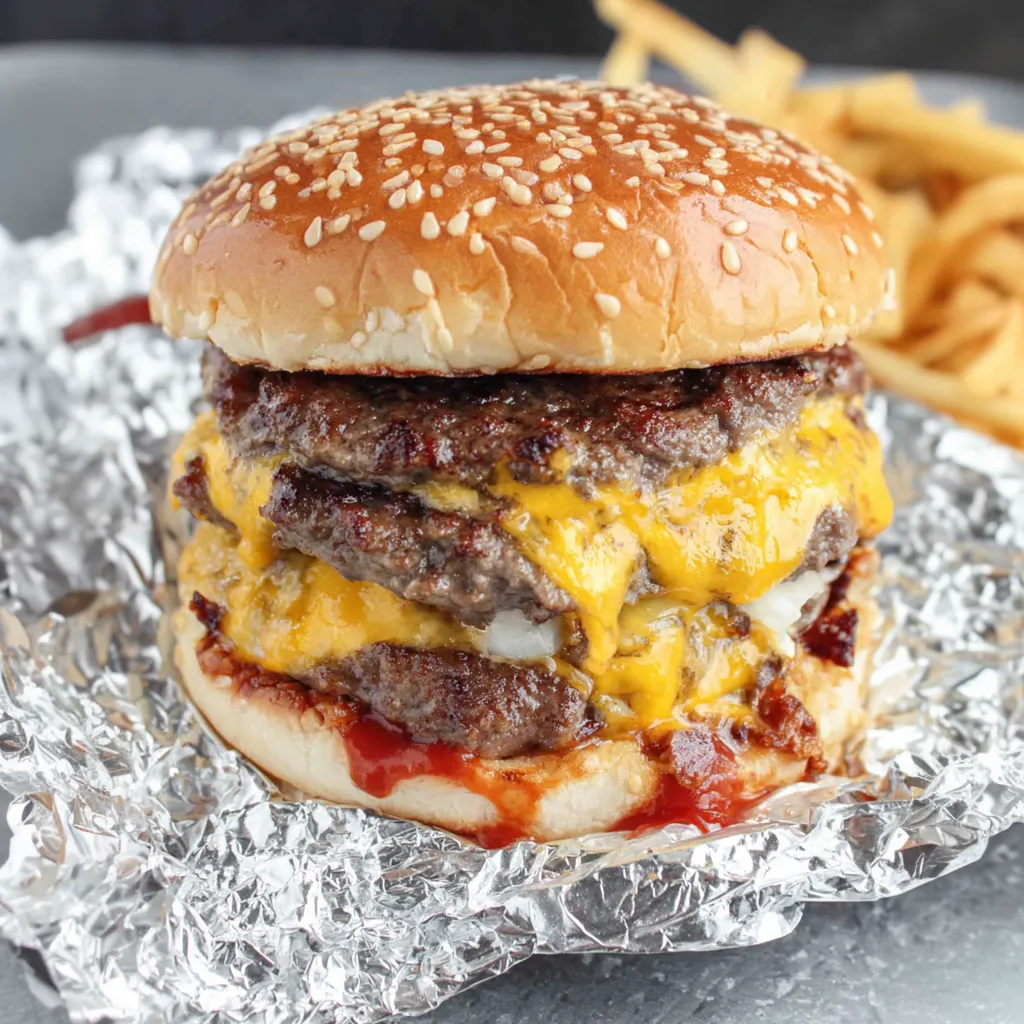
A 5 patty burger, often referred to as a quintuple burger or a "5x5," is a high-volume sandwich consisting of five distinct ground beef patties stacked vertically within a single bun. While most commercial menus cap offerings at three or four patties, the 5 patty variant is a staple of custom ordering culture and food challenges, prioritizing a high protein-to-carb ratio and extreme caloric density.
The Evolution of the Multi-Patty Stack
The concept of stacking more than two patties began as a marketing novelty in the mid-20th century but evolved into a cultural phenomenon with the rise of "secret menus" and social media food documentation. Historically, the standard hamburger was a single-patty affair. As fast-food chains began competing for "value" dominance in the 1980s and 1990s, the double and triple cheeseburger became mainstream. The transition to five patties, however, marks the threshold between a standard meal and what culinary experts categorize as an "extreme" or "challenge" food item.
By 2026, the 5 patty burger has found its niche not just in greasy spoons but also in high-end gastropubs that focus on "meat-forward" dining. The appeal lies in the texture and the Maillard reaction—the chemical reaction between amino acids and reducing sugars that gives browned food its distinctive flavor. With five patties, the ratio of seared surface area to the soft interior of the meat is maximized, providing a much more intense beef flavor than a single, thicker patty of the same total weight.
Where to Find a 5 Patty Burger in 2026
Finding a restaurant that explicitly lists a 5 patty burger on its printed menu can be difficult, as many corporate kitchens have strict "build" protocols for consistency and speed. However, several major chains and boutique outlets are known for accommodating these massive builds through customization or "secret" menu options.
The Customization Kings
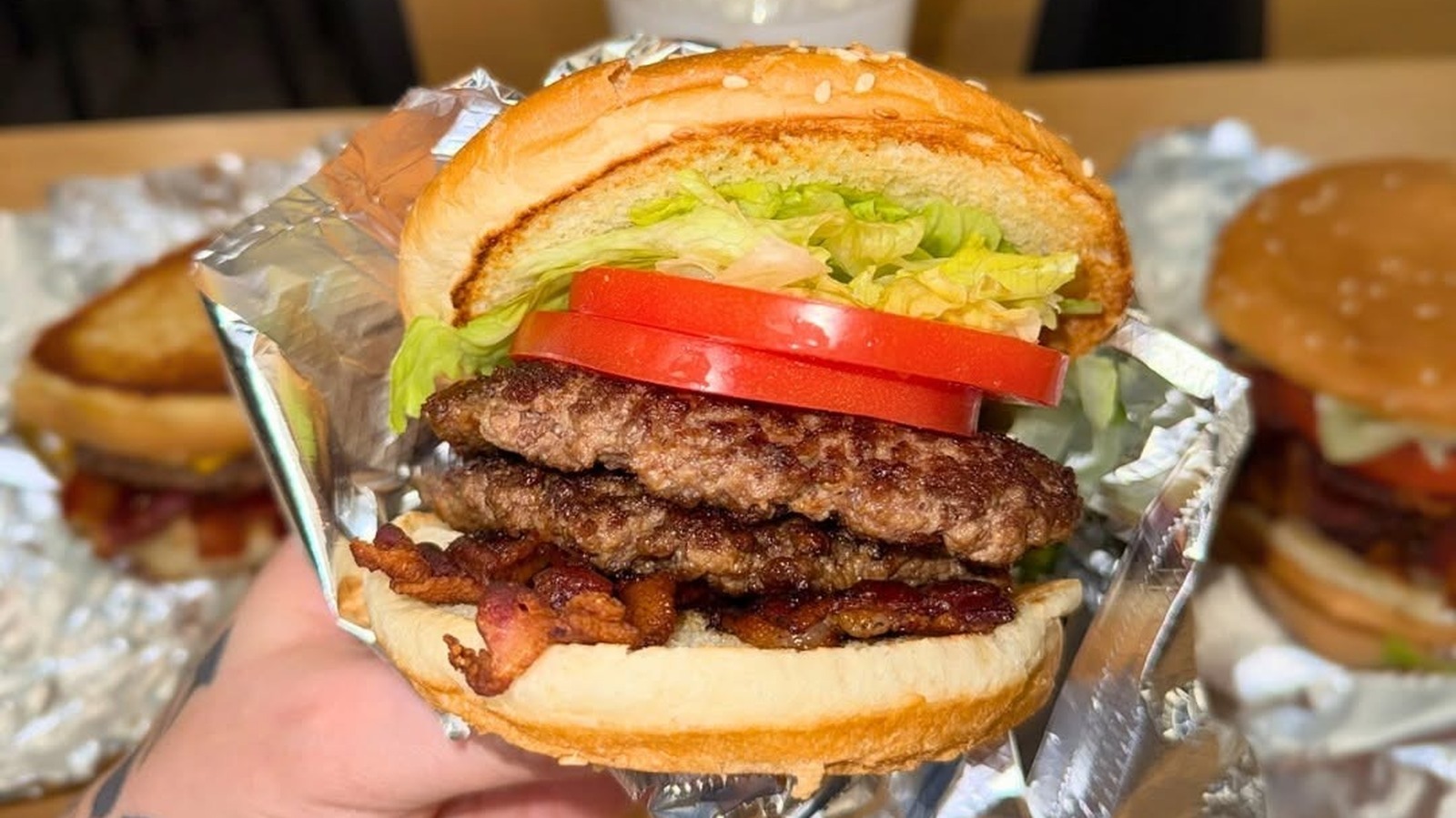
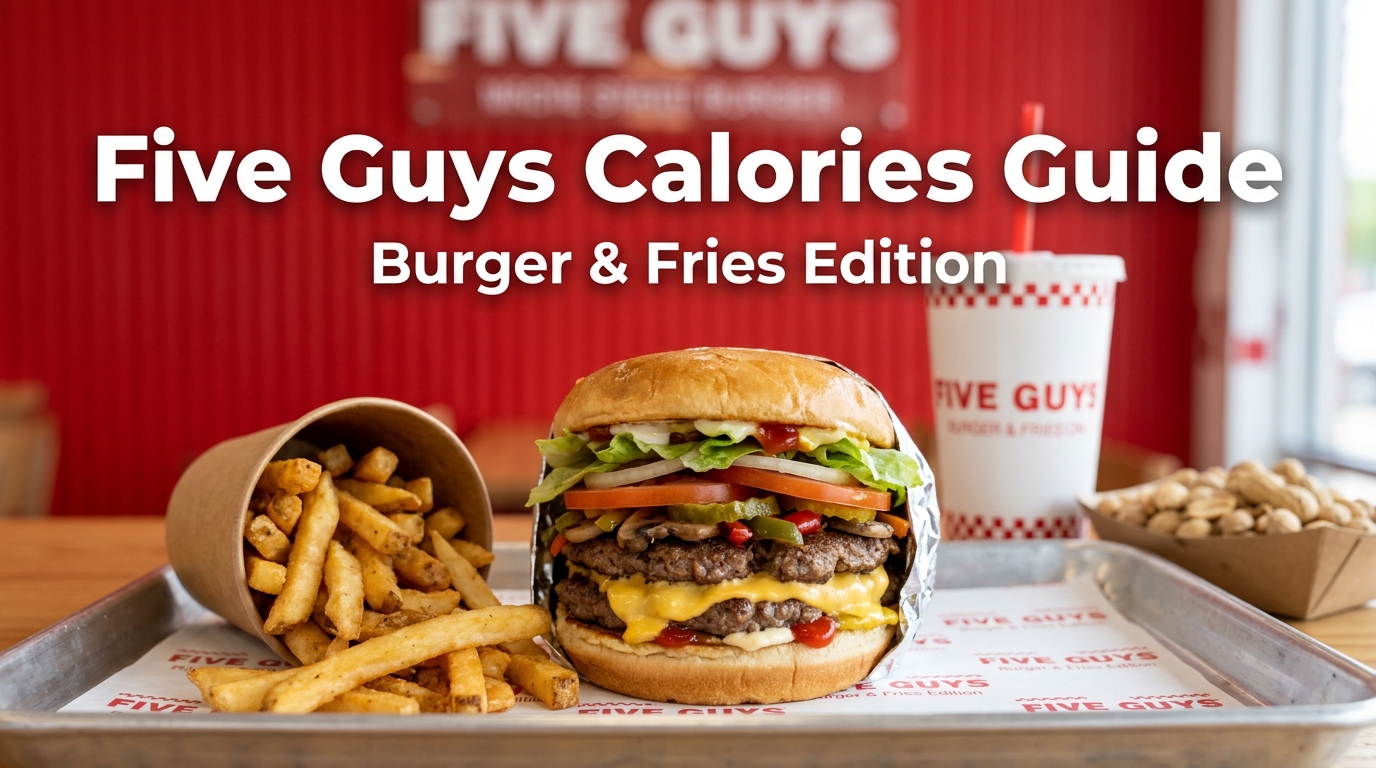
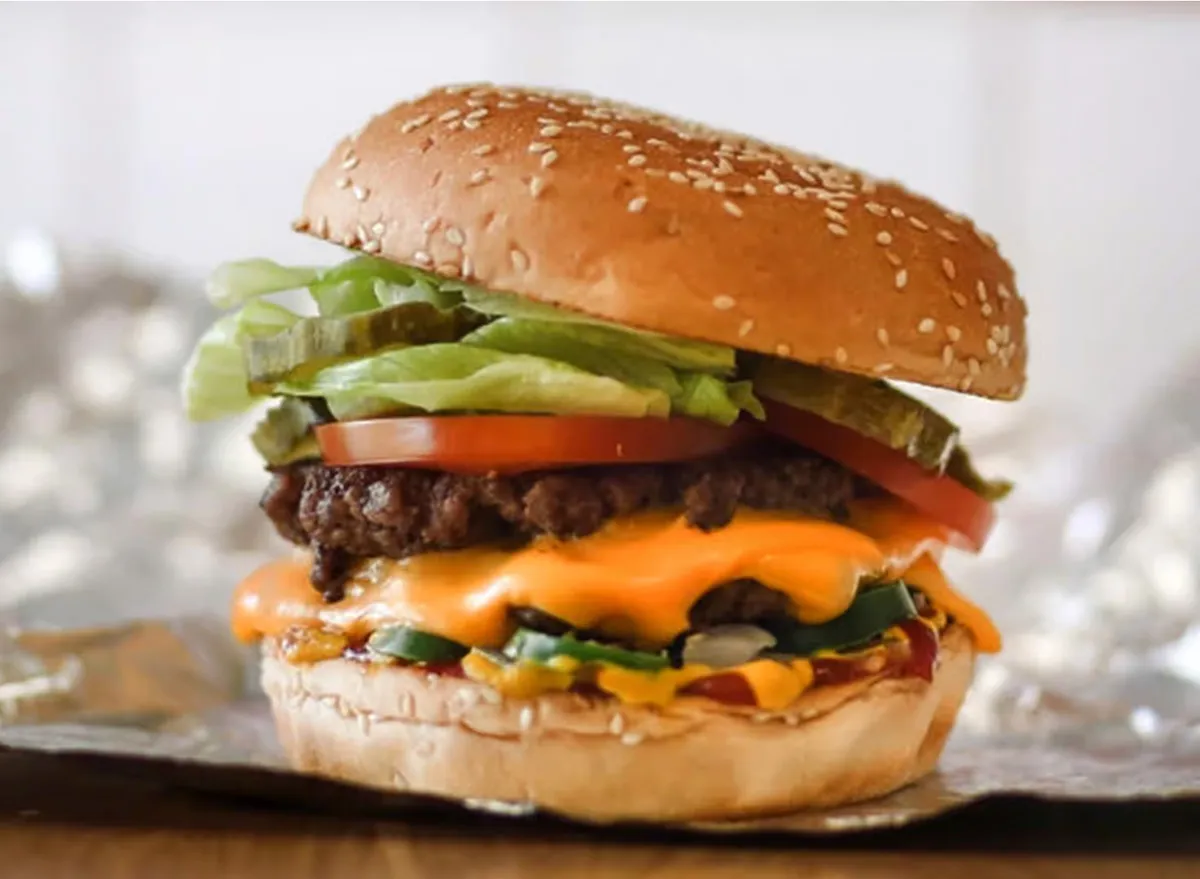
Five Guys is perhaps the most reliable venue for a 5 patty burger. Because their ordering system is modular, customers can simply pay for additional patties. While their "Double" is the standard large option, adding three extra patties is a common request for those seeking the quintuple experience. The benefit here is the structural integrity provided by their foil wrapping, which helps "steam" the bun and hold the stack together.
The Secret Menu Legacy
In-N-Out Burger famously capped their "Double-Double" modifications at 4x4 (four patties and four slices of cheese) following an incident where a customer ordered a 100x100. Despite this official cap, many enthusiasts in 2026 seek out "copycat" independent diners or smaller chains like Wayback Burgers, which offers the "Triple Triple" (nine patties), making a five-patty request relatively simple for their kitchen staff.
Local "Monster" Challenges
Independent burger joints often use the 5 patty burger as a "baseline" for eating challenges. These are frequently served with "everything" toppings—bacon, fried eggs, onion rings, and multiple types of cheese. In these environments, the burger is less about a quick lunch and more about a culinary milestone or a promotional event for the establishment.
Engineering a Stable 5 Patty Stack
Building a 5 patty burger is not as simple as stacking meat. Without proper "food engineering," the sandwich will suffer from structural failure, commonly known in the industry as "the slide." When multiple patties are stacked, the heat from the meat melts the fat and cheese, creating a lubricated surface that causes the patties to shift and eventually collapse.
To prevent this, professional chefs and experienced home cooks utilize a few specific techniques:
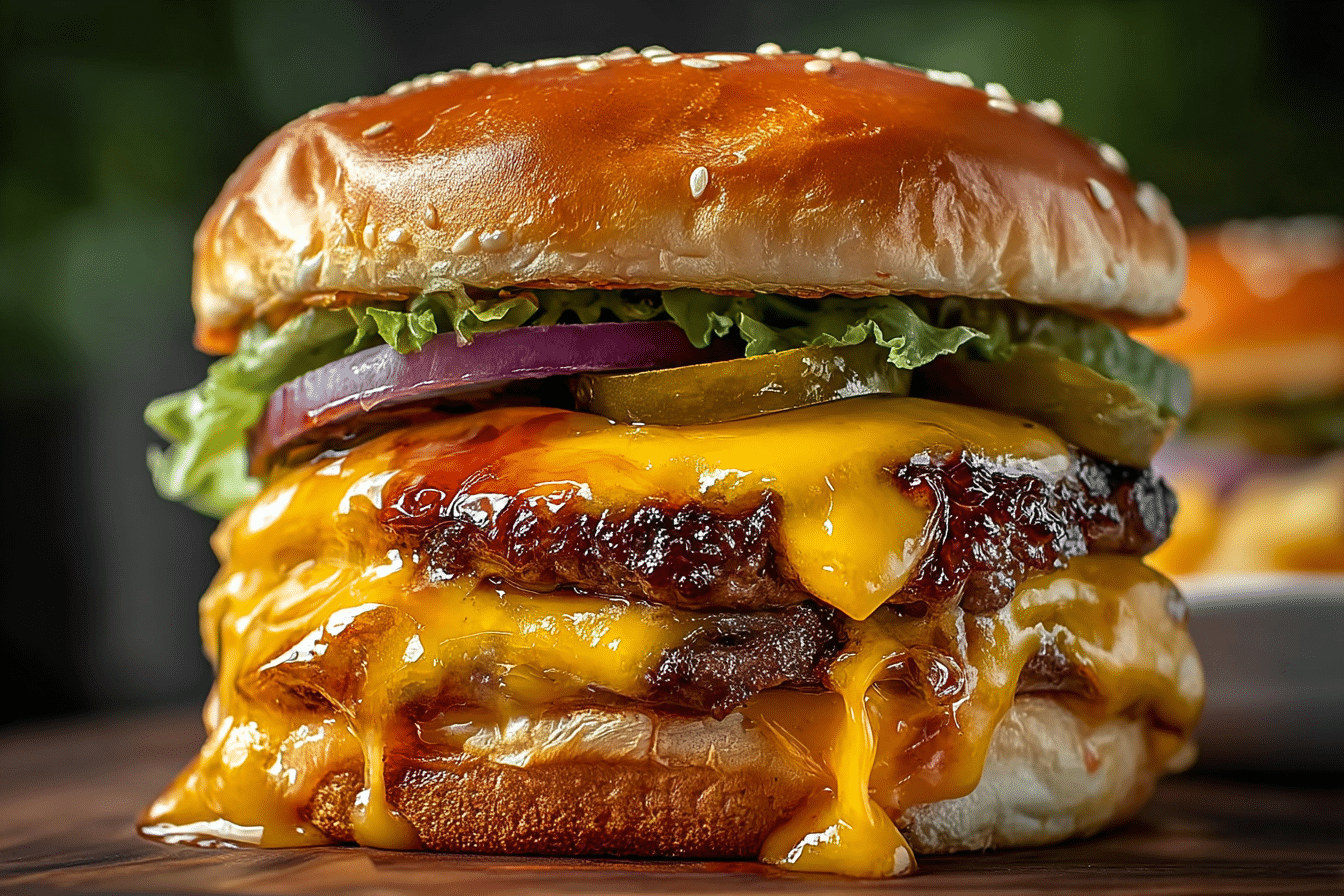
- The Cheese Glue Method: Placing a slice of cheese between every single patty is essential. As the cheese melts, it acts as a biological adhesive, binding the patties into a single, cohesive unit.
- Strategic Topping Placement: High-moisture toppings like lettuce, tomato, and pickles should never be placed between the patties. They should be relegated to the very bottom or the very top to prevent the meat stack from sliding.
- The Internal Skewer: For any stack exceeding three patties, a wooden or bamboo skewer driven through the center is standard practice. This provides a vertical axis of stability.
- Bun Selection: A standard supermarket white bun will disintegrate under the weight and grease of five patties. A brioche bun or a high-gluten potato roll is required to absorb the juices without losing its structural integrity.
Nutritional Profile and Health Impact
Consuming a 5 patty burger is a significant physiological event. The nutritional density of such a meal often exceeds the total daily recommended intake for an average adult in a single sitting. Understanding the breakdown is crucial for those who incorporate these "cheat meals" into a fitness or weight-management regimen.
The following table provides a generalized nutritional comparison based on standard 2-ounce (small) and 4-ounce (large) patties used in the industry as of 2026.
| Component | 5-Patty "Small" Stack (10oz total) | 5-Patty "Large" Stack (20oz total) | Daily Recommended Value (%) |
|---|---|---|---|
| Total Calories | 1,250 - 1,400 kcal | 2,200 - 2,600 kcal | 60% - 130% |
| Total Fat | 80g - 95g | 150g - 180g | 120% - 250% |
| Saturated Fat | 35g | 70g | 175% - 350% |
| Protein | 75g | 140g | 150% - 280% |
| Sodium | 1,800mg | 3,500mg | 80% - 150% |
Note: These estimates include buns and cheese but exclude sauces and sides like fries.
According to the World Health Organization (WHO), limiting the intake of free sugars and saturated fats is essential for preventing non-communicable diseases. A 5-patty burger can easily exceed the recommended daily limit for saturated fat and sodium. For those with underlying cardiovascular concerns or hypertension, such a meal should be approached with extreme caution.
How to Cook a 5 Patty Burger at Home
To achieve restaurant-quality results at home, the "Smash Burger" technique is the gold standard for multi-patty stacks. This method involves taking a ball of 80/20 ground beef (80% lean, 20% fat) and pressing it flat onto a screaming-hot cast-iron griddle.
Preparation and Seasoning
The meat should be cold when it hits the pan. Once smashed, it should be seasoned liberally with salt and pepper. The thinness of the patties allows for a high surface-area-to-volume ratio, ensuring that every bite has the "crust" associated with high-end burger shops. Because you are stacking five of them, the patties should be thinner than usual—roughly a quarter-inch thick.
The Assembly Process
While the fifth patty is still on the griddle, start the assembly. Toast the bun heavily; the toast layer acts as a moisture barrier. Apply a "special sauce" (usually a mix of mayo, mustard, and relish) to the bottom bun. Place the first patty, add cheese, and immediately place the next patty. The residual heat will melt the cheese instantly. Continue until all five are stacked. Let the burger "rest" for 60 seconds before attempting to eat it; this allows the proteins to set and the cheese to fully bond the layers.
Common Pitfalls to Avoid
The most common mistake when ordering or making a 5 patty burger is over-complicating the toppings. With five layers of beef, the flavor profile is overwhelmingly savory. Adding heavy toppings like chili, avocado, or multiple types of sauces can make the burger "muddy" in flavor and impossible to handle physically.
Another pitfall is the "Center Cold" phenomenon. In poorly timed builds, the middle patties may lose their heat by the time the fifth patty is added and the burger is served. To avoid this, chefs often use a steaming dome over the stack on the griddle for the final 30 seconds of cooking. This ensures the entire core of the meat tower is at a food-safe and palatable temperature. According to USDA Food Safety guidelines, ground beef should reach an internal temperature of 160°F (71°C) to ensure all bacteria are neutralized.
FAQ: Common Questions About the 5 Patty Burger
How many calories are in a typical 5 patty burger?
A standard 5 patty burger generally contains between 1,500 and 2,500 calories. This variance depends on the size of the individual patties (usually ranging from 2 oz to 4 oz each), the type of bun used, the amount of cheese, and any additional sauces or toppings like bacon or mayonnaise.
Is it possible to order a 5 patty burger at In-N-Out?
Technically, no. In-N-Out officially limited their orders to a maximum of four patties (the 4x4) years ago to maintain quality and kitchen efficiency. However, customers often purchase a 4x4 and a single-patty burger separately and combine them manually, or order "flying dutchmen" (patties and cheese only) on the side to add to their main burger.
What is the best type of cheese for a 5 patty stack?
American cheese is widely considered the best option for multi-patty burgers because of its low melting point and emulsifying salts. These properties allow it to melt quickly and act as a "glue" that holds the heavy patties together without breaking into oil, as aged cheddars often do.
How do you eat a burger this large without it falling apart?
The best method is the "wrapper grip." Keep the burger partially inside its paper or foil sleeve while eating. This provides lateral pressure that keeps the stack upright. Additionally, many people choose to use a "knife and fork" approach for 5 patty burgers, treating it more like a steak meal than a handheld sandwich.
Can I find a 5 patty burger on most fast-food menus?
No, it is rarely a standard menu item. You will usually need to use a customization tool on a digital kiosk or ask a staff member if they can "add three extra patties" to a double burger. Chains like Five Guys, Wendy's, and Burger King are generally the most accommodating for these requests.
Best Practices for Your First 5 Patty Experience
If you are planning to tackle a 5 patty burger for the first time, preparation is key. Approach the meal as a deliberate indulgence rather than a quick snack. Opt for a "smash" style burger if available, as the thinner patties are much easier to navigate than five thick, pub-style patties.
Limit your side dishes; the burger itself provides more than enough carbohydrates and fats for a single meal. Finally, ensure you have plenty of napkins and a stable surface. The 5 patty burger is as much a feat of physics as it is a culinary choice, and managing the inevitable "drip" is part of the experience. For the best results, seek out a reputable local burger specialist known for high-quality, fresh-ground beef to ensure that the massive amount of meat you are consuming is of the highest possible standard.