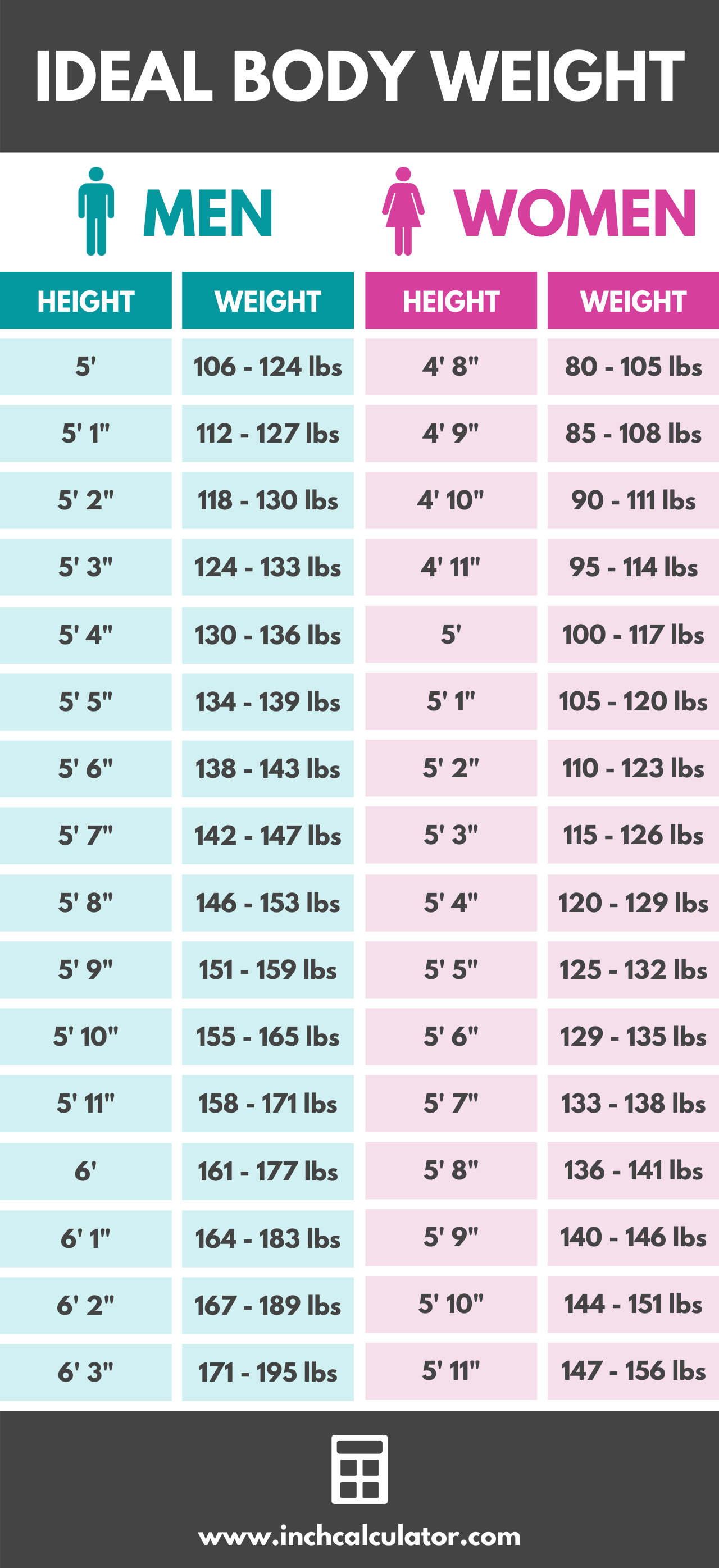
At a height of 5'2" (62 inches) and a weight of 180 lbs, your Body Mass Index (BMI) is approximately 32.9. According to standard clinical guidelines, this falls into the Obese (Class I) category. While BMI is a screening tool rather than a diagnostic measure of individual health, a weight of 180 lbs at this height typically indicates an increased risk for chronic metabolic and cardiovascular conditions.
Understanding BMI for a Height of 5'2"
Body Mass Index (BMI) is a mathematical formula used by healthcare providers in 2026 to categorize weight status based on height. For an individual who is 5'2", the weight of 180 lbs places them significantly above the "healthy" or "normal" weight range. To understand where 180 lbs sits relative to medical standards, we must look at the standard BMI classifications established by organizations like the World Health Organization (WHO).
The BMI formula—weight in kilograms divided by the square of height in meters—is designed to assess whether a person’s body mass is appropriate for their stature. Because a person who is 5'2" has a smaller skeletal frame and less vertical space to distribute mass, 180 lbs exerts more pressure on the joints, heart, and respiratory system than it would on someone several inches taller.
In clinical terms, a BMI between 18.5 and 24.9 is considered healthy. For a 5'2" individual, that range ends at 136 lbs. When you reach 180 lbs, you have surpassed the "overweight" threshold (137–163 lbs) and entered Class I Obesity. This classification serves as a statistical warning sign that the body may be carrying excess adipose tissue (fat), which can interfere with hormonal balance and organ function.
The Limitations of BMI: Why Numbers Don't Tell the Whole Story
While the BMI of 32.9 is a significant data point, it is not a complete assessment of your health. As a senior technical SEO editor and health writer, it is vital to emphasize that BMI does not distinguish between fat mass and lean muscle mass.
For example, a high-performance athlete or a dedicated bodybuilder at 5'2" might weigh 180 lbs and have a very low body fat percentage. In this rare instance, the high BMI is driven by dense muscle tissue rather than fat. However, for the vast majority of the general population, a weight of 180 lbs at 5'2" is primarily composed of body fat.
Another limitation is bone density and fat distribution. "Thin-outside-fat-inside" (TOFI) individuals may have a "normal" BMI but high visceral fat, while others may have a high BMI but relatively good metabolic health. However, once the BMI exceeds 30.0, the statistical likelihood of underlying health issues increases sharply, regardless of body composition nuances. Doctors in 2026 prioritize looking at where the fat is stored—specifically visceral fat around the midsection—as this is more metabolically active and dangerous than subcutaneous fat stored in the hips or thighs.
Health Risks Associated with a BMI of 32.9
Carrying 180 lbs at a height of 5'2" places a specific type of physiological stress on the body. Because the height is relatively short, the center of gravity and the load on the musculoskeletal system are concentrated.
Cardiovascular and Metabolic Impact
One of the primary concerns with Class I Obesity is hypertension (high blood pressure). The heart must work harder to pump blood through a larger volume of tissue. Over time, this can lead to a thickening of the heart muscle and an increased risk of heart failure or stroke. Furthermore, excess weight is strongly linked to insulin resistance. As adipose cells grow, they become less responsive to insulin, forcing the pancreas to produce more. This cycle often leads to Type 2 Diabetes, a condition that remains a leading health challenge in 2026.
Respiratory and Sleep Issues
Individuals at this height and weight frequently experience Obstructive Sleep Apnea (OSA). Excess tissue around the neck and chest can compress the airways during sleep, leading to fragmented rest and decreased oxygen saturation. This often manifests as chronic fatigue, even after a full night’s sleep, and can further exacerbate weight gain by disrupting hunger-regulating hormones like ghrelin and leptin.
Joint Health and Mobility
The human frame at 5'2" is not genetically optimized to carry 180 lbs indefinitely. The weight places significant "mechanical load" on the medial compartment of the knees, the hips, and the lower lumbar spine. According to the Arthritis Foundation, every pound of excess weight exerts about four pounds of extra pressure on the knees. For someone who is roughly 45 lbs over their ideal weight range, that is an extra 180 lbs of pressure on the knee joints with every step.
Comparative Weight Ranges for a 5'2" Individual
To help visualize where 180 lbs falls in the spectrum of health, the following table breaks down the weight categories for someone who is exactly 5'2".
| BMI Category | Weight Range (lbs) | Health Risk Level |
|---|---|---|
| Underweight | Below 101 lbs | High (Nutrient deficiency/Anemia) |
| Healthy Weight | 101 – 136 lbs | Low (Optimal range) |
| Overweight | 137 – 163 lbs | Increased (Warning zone) |
| Obese (Class I) | 164 – 190 lbs | High (Current Category: 180 lbs) |
| Obese (Class II) | 191 – 218 lbs | Very High (Severe risk) |
| Obese (Class III) | 219 lbs and above | Extreme (Morbid obesity) |
As shown, 180 lbs is deep within the Class I Obesity range. You would need to lose approximately 17 lbs to move down into the "Overweight" category and 44 lbs to reach the upper limit of the "Healthy Weight" range.
Beyond the Scale: Key Clinical Indicators
If you are at 5'2" and 180 lbs, your doctor will likely look beyond the scale to determine your actual health status. Weight is a symptom; metabolic health is the underlying reality.
- Waist Circumference: For women, a waist measurement over 35 inches—and for men, over 40 inches—indicates a high level of visceral fat. This is fat stored around the internal organs, which is a major driver of systemic inflammation.
- Blood Lipid Profile: High levels of triglycerides and low levels of HDL (good) cholesterol are often seen in individuals with a BMI over 30. This combination significantly increases the risk of atherosclerosis (hardening of the arteries).
- Blood Glucose (A1C): Measuring your average blood sugar over three months helps determine if your weight is pushing you toward a pre-diabetic or diabetic state.
- C-Reactive Protein (CRP): This is a marker of inflammation in the body. Chronic obesity often causes a "low-grade" systemic inflammation that can damage blood vessels and tissues over time.
Actionable Steps for Improving Health Outcomes
If you are concerned about being 180 lbs at 5'2", the focus should not be on "quick fixes" but on sustainable metabolic repair. In the landscape of 2026, healthcare emphasizes "functional health" over aesthetic weight loss.
Prioritize Nutritional Density
Weight loss at 5'2" can be more challenging than for taller individuals because your Basal Metabolic Rate (BMR)—the calories you burn at rest—is naturally lower due to your smaller stature. To lose weight, you must focus on high-protein, high-fiber foods that provide satiety without excessive calories. Reducing ultra-processed foods and added sugars can help lower insulin levels, making it easier for your body to access stored fat for energy.
Implement Resistance Training
For someone in the Class I Obesity category, cardio is helpful, but strength training is vital. Increasing your lean muscle mass raises your metabolic rate. Even at 5'2", having more muscle means your body burns more energy while you are sitting still. Furthermore, strengthening the muscles around your knees and hips can alleviate some of the joint pain associated with carrying 180 lbs.
Focus on Sleep and Stress Management
High levels of the stress hormone cortisol can trigger abdominal fat storage. Ensuring 7–9 hours of quality sleep and managing daily stress are often the "missing pieces" in a weight management plan. When you are sleep-deprived, your body craves high-calorie carbohydrates, making it nearly impossible to maintain a healthy weight.
FAQs
Is 180 lbs okay if I have a lot of muscle?
While muscle is denser than fat, it is extremely rare for a 5'2" individual to reach 180 lbs through muscle alone without professional-level bodybuilding and supplementation. Even if it is muscle, the absolute weight of 180 lbs still puts significant strain on the heart and joints. A DEXA scan or a body composition analysis can provide a definitive answer regarding your muscle-to-fat ratio.
How much weight do I need to lose to see health benefits?
You do not need to reach a "perfect" BMI to see improvements. Clinical studies show that losing just 5% to 10% of your body weight (which would be 9 to 18 lbs for someone at 180 lbs) can significantly improve blood pressure, cholesterol levels, and blood sugar control. Small, consistent changes are more effective than drastic, unsustainable diets.
Does my age matter for this weight?
Age does influence how the body handles weight. As we age, muscle mass naturally declines (sarcopenia), and fat tends to migrate toward the midsection. A 60-year-old at 5'2" and 180 lbs may face different risks (like increased frailty or bone density issues) compared to a 20-year-old. However, the BMI classification remains a valid starting point for health assessment regardless of age.
What is the most effective way to start losing weight at 5'2"?
Because your calorie "budget" is smaller due to your height, accuracy matters. Start by tracking your current intake for a week to identify hidden calories in drinks and snacks. Focus on increasing daily movement—such as hitting 8,000 steps—and ensuring every meal contains a significant portion of protein. Small adjustments are easier to maintain for the long term.
Consult with a Healthcare Professional
If you find yourself at 5'2" and 180 lbs, the most important next step is to schedule a comprehensive physical exam. A physician can run the necessary blood work to see if your weight is currently impacting your internal health. In 2026, many patients also benefit from working with a Registered Dietitian who can tailor a caloric plan specifically for a smaller stature, ensuring you get the nutrients you need while working toward a healthier weight range.
Weight management is a journey of health, not just a number on a scale. By focusing on body composition, metabolic markers, and sustainable habits, you can significantly reduce the risks associated with Class I Obesity and improve your long-term quality of life.