The disappearance of Suzanne Morphew on Mother's Day in 2020 ignited one of Colorado’s most complex missing persons investigations, later evolving into a high-profile homicide case marked by shifting narratives, compromised initial searches, and a dramatic legal collapse that left central questions permanently unresolved.
The Disappearance and the Initial 48-Hour Response
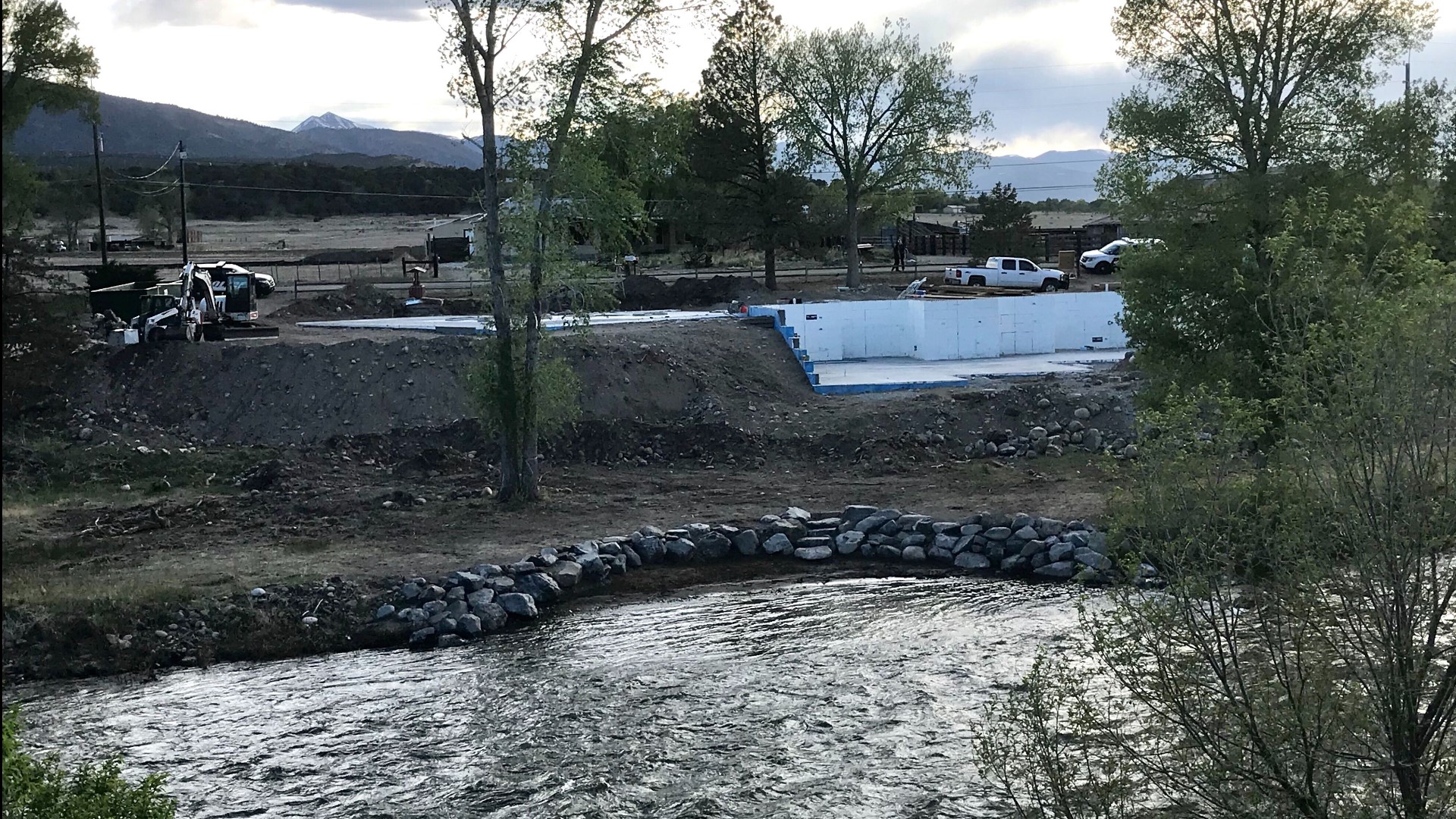
On May 10, 2020, Suzanne Morphew, a 49-year-old mother and teacher, vanished from her home near Salida, Colorado. The critical window following her disappearance—frequently referenced in criminal investigations as the vital first 48 hours—set a troubled tone for the inquiry that followed. Her husband, Barry Morphew, reported her missing after returning home from a landscaping job in Broomfield, stating that Suzanne had gone for a bike ride and failed to return. Investigators recovered her bicycle down an embankment near Highway 50 and County Road 225, but the initial search lacked the immediate containment and forensic preservation standard in high-stakes missing persons cases.
Law enforcement agencies, including the Chaffee County Sheriff's Office, the Colorado Bureau of Investigation (CBI), and the Federal Bureau of Investigation (FBI), quickly converged on the rugged mountainous terrain of Chaffee County. However, early missteps plagued the investigation. Unseasonably warm weather, vast expanses of public and private land, and communication gaps between local authorities and federal specialists hindered the collection of pristine forensic evidence. The discovery of Suzanne’s bicycle without visible signs of a violent struggle or a matching bicycle helmet added immediate ambiguity, leaving investigators to weigh multiple competing hypotheses ranging from a wildlife attack to a targeted abduction or domestic homicide.
Shifting Timelines and Investigative Scrutiny
As the investigation extended beyond the initial 48-hour window into weeks and months, investigators closely scrutinized Barry Morphew’s timeline and alibi. Telemetry data from his vehicle, cell phone records, and home security systems revealed inconsistencies regarding his movements on the weekend of May 9 and May 10. Investigators noted that Barry's truck made multiple stops early Sunday morning before he departed for the work site in the Denver metropolitan area, raising questions about whether evidence had been concealed or disposed of in remote areas of Chaffee County.
The dynamic between the couple also drew intense media and prosecutorial focus. Court documents later revealed marital strain, allegations of infidelity, and hidden security cameras around the family residence that captured tension between the spouses. Despite the mounting suspicion, authorities faced a fundamental obstacle: Suzanne’s physical body remained undiscovered, making it exceptionally difficult to establish a definitive cause of death or recover trace physical evidence connecting a suspect to a crime scene. Investigators executed numerous search warrants on the Morphew property, sifting through soil, concrete, and personal belongings, yet the physical trail remained frustratingly thin during the first year of the investigation.
Legal Developments and the Arrest of Barry Morphew
More than a year after Suzanne vanished, the Chaffee County District Attorney’s office formally charged Barry Morphew with first-degree murder after deliberation, tampering with a physical evidence source, and attempting to influence a public servant. The May 2021 arrest brought a momentary sense of accountability to Suzanne’s family, but the subsequent judicial proceedings exposed deep fractures within the prosecution's case.
| Legal Phase | Key Date | Primary Focus and Outcome |
|---|---|---|
| Disappearance | May 2020 | Initial 48-hour response, recovery of bicycle, and multi-agency search initiation. |
| Formal Arrest | May 2021 | Filing of first-degree murder and evidence tampering charges against Barry Morphew. |
| Preliminary Hearing | August 2021 | Presentation of initial probable cause evidence, leading to a judge binding over the case for trial. |
| Case Dismissal | April 2022 | Dismissal without prejudice requested by prosecutors due to inability to locate Suzanne's body and missing expert witnesses. |
| Discovery of Remains | September 2023 | Suzanne’s skeletal remains found in the remote Baca County desert, far from the initial search area. |
The preliminary hearing in August 2021 highlighted the circumstantial nature of the evidence. Prosecutors presented evidence of tranquilizer darts found at the Morphew home, alleged digital footprints, and claims that Barry had expressed a desire to move on from the marriage. Defense attorneys countered by emphasizing the lack of direct physical evidence linking Barry to a homicide, pointing instead to systemic investigative tunnel vision that ignored alternative suspects and external possibilities.
The Dismissal of Charges and the Discovery of Remains
In a stunning procedural turn in April 2022, Twentieth Judicial District Attorney Linda Stanley and the prosecution team moved to dismiss the charges against Barry Morphew without prejudice. The decision stemmed from the court's sanctioning of the prosecution for failure to disclose mandatory discovery materials in a timely manner, coupled with the ongoing difficulties in locating Suzanne’s body. A dismissal without prejudice meant that prosecutors retained the legal right to refile charges if and when new, compelling evidence materialized.
That new evidence emerged unexpectedly in September 2023, more than three years after Suzanne disappeared. During a separate narcotics investigation in the remote desert of Baca County—hundreds of miles southeast of Chaffee County—authorities discovered human skeletal remains. Subsequent forensic anthropology and DNA testing confirmed the remains belonged to Suzanne Morphew. The autopsy report, released publicly in early 2024, noted significant decomposition and skeletal trauma but stopped short of issuing a definitive, indisputable cause of death, citing the advanced state of decomposition.
Unresolved Questions and Legal Complexities
The recovery of Suzanne's body reignited public interest and intensified pressure on investigators to re-evaluate the case against Barry Morphew. However, refiling homicide charges requires meeting a stringent standard of probable cause that withstands rigorous judicial scrutiny, particularly given the prior dismissal and evidentiary challenges. Legal experts note that the discovery of the remains in Baca County raised entirely new logistical questions regarding how Suzanne's body arrived in southeastern Colorado, potentially shifting the geographic scope of the alleged crime or pointing toward involvement by individuals other than her husband.
Furthermore, the civil and public fallout from the botched prosecution created lasting repercussions. Barry Morphew subsequently filed a multimillion-dollar civil rights lawsuit against prosecutors and investigators, alleging malicious prosecution, fabrication of evidence, and violations of his constitutional rights during the 2021 arrest and subsequent legal proceedings. This civil litigation underscores the ongoing friction between pursuing justice for a missing victim and maintaining rigorous adherence to constitutional standards of due process and evidence disclosure.
Frequently Asked Questions
When did Suzanne Morphew disappear?
Suzanne Morphew disappeared on or around Mother's Day, May 10, 2020, from her home near Salida, Colorado. Her husband reported her missing after she failed to return from a bike ride, initiating a massive multi-agency search across Chaffee County that shaped the subsequent criminal investigation.
Was Suzanne Morphew's body ever found?
Yes. Suzanne’s skeletal remains were discovered on September 22, 2023, in a remote desert area of Baca County, Colorado, more than three years after she vanished. Forensic testing confirmed her identity, but the autopsy could not establish a definitive cause of death due to extensive decomposition.
Why were the murder charges against Barry Morphew dismissed?
In April 2022, prosecutors requested the dismissal of murder charges against Barry Morphew without prejudice. This decision followed judicial sanctions against the state for failing to share mandatory discovery evidence with the defense on time, alongside difficulties in building a definitive case without Suzanne’s body.
Can Barry Morphew be tried again for the crime?
Because the April 2022 dismissal was entered without prejudice, prosecutors legally retain the ability to refile charges if new and sufficient evidence emerges. However, any future prosecution must navigate complex evidentiary standards and overcome the hurdles exposed during the initial preliminary hearings and subsequent civil litigation.
Where was Suzanne's bicycle found in 2020?
Suzanne’s bicycle was recovered down a steep embankment near Highway 50 and County Road 225 in Chaffee County, close to the family residence. The early discovery of the bike without signs of a violent struggle or blood evidence became a central focal point of conflicting theories during the investigation.
Next Actions and Investigative Tracking
For those following the ongoing developments surrounding the Suzanne Morphew case, monitoring official court filings in Chaffee and Baca counties remains the most reliable method for tracking potential legal refilings or civil proceedings. Official press releases from the Colorado Bureau of Investigation and the Chaffee County Sheriff's Office serve as primary sources for verified updates regarding forensic analyses and investigative status, ensuring that public awareness relies on verified legal records rather than speculative reporting.