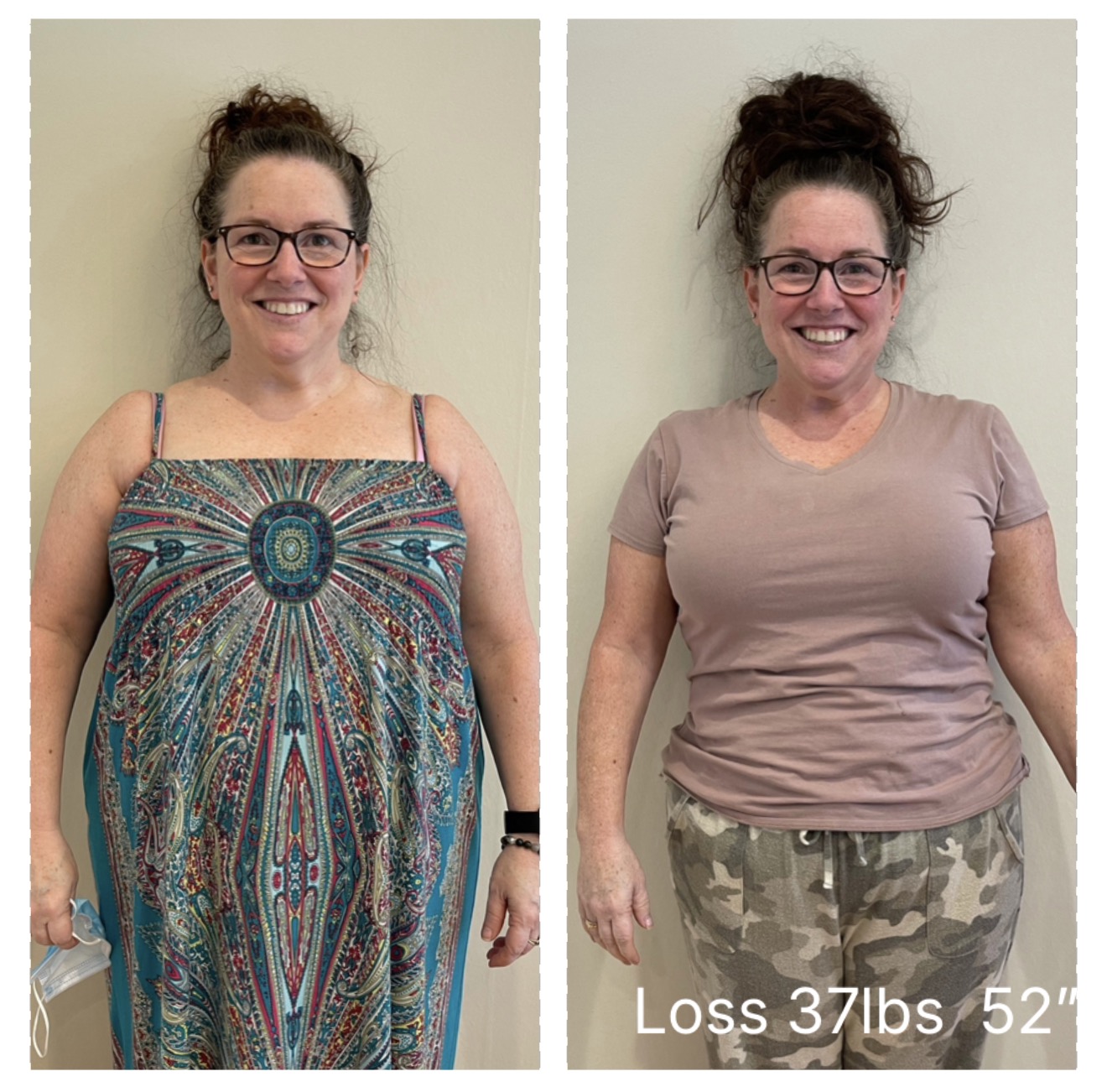
Losing 40 pounds is a transformative milestone that significantly improves cardiovascular health, mobility, and metabolic function. For most individuals, achieving this weight loss safely requires a timeframe of 20 to 40 weeks, following a structured deficit of 500 to 1,000 calories per day combined with consistent physical activity.
A 40-pound weight loss journey is often the "sweet spot" for many people—it is significant enough to completely change a person’s silhouette and clothing size, yet manageable enough to achieve without extreme surgical intervention for the vast majority of the population. By 2026, the integration of precision nutrition and advanced biometric tracking has made it easier than ever to tailor this journey to individual metabolic rates, moving away from "one size fits all" dieting.
Understanding the 40-Pound Milestone: Why It Matters
When someone decides to lose 40 pounds, they are usually looking at a transition from one BMI category to another—often moving from "Obese" to "Overweight," or from "Overweight" to "Normal." This isn't just a matter of aesthetics; the physiological shifts are profound. Research consistently shows that losing even 5% to 10% of your total body weight can lead to significant improvements in blood pressure, cholesterol levels, and blood sugars. For a 200-pound individual, 40 pounds represents a 20% reduction, which is a powerful health intervention.
Physically, 40 pounds of fat occupies a surprising amount of volume. Since fat is less dense than muscle, losing 40 pounds of adipose tissue often results in losing several inches from the waist, neck, and thighs. Real results show that this amount of weight loss typically equates to dropping three to four clothing sizes. This shift often requires a complete wardrobe overhaul, which serves as a tangible marker of success for those sharing their stories.
Real Results: How Long Does It Actually Take to Lose 40 Pounds?
The timeline for losing 40 pounds varies based on starting weight, age, activity level, and metabolic health. However, the standard medical recommendation remains a steady loss of 1 to 2 pounds per week.
- The Aggressive Approach (20 Weeks): This requires a disciplined 1,000-calorie daily deficit. While effective, it carries a higher risk of muscle loss and requires meticulous attention to protein intake and resistance training to preserve lean mass.
- The Sustainable Approach (30–40 Weeks): This timeline allows for more flexibility and a smaller daily deficit of 500 calories. Real stories often favor this slower pace because it allows for "maintenance practice" during social events or holidays, making the weight loss more likely to stick permanently.
- The Initial "Whoosh": Many real-life accounts mention losing 8–12 pounds in the first month. This is largely attributed to a reduction in water weight and glycogen storage as the body adjusts to a lower-carbohydrate or lower-calorie intake. After this initial phase, the rate of loss usually stabilizes to the standard 1–2 pound range.
Case Studies: Real Stories and Common Paths
While every journey is unique, most successful 40-pound transformations follow one of three primary structural paths.
The "CICO" and Walking Success Story
Many individuals find success using Calories In, Calories Out (CICO) combined with a daily step goal. For example, a 35-year-old office worker starting at 210 pounds might focus entirely on staying under 1,600 calories while hitting 10,000 steps daily. This method is praised for its simplicity. Real results from this group often highlight that they didn't have to give up specific food groups, but rather learned the importance of portion control and high-volume, low-calorie foods like leafy greens and berries.
The Low-Carb and Strength Training Transformation
Another common story involves the transition to a ketogenic or low-carb lifestyle paired with heavy lifting. This path often yields the most dramatic "before and after" photos because it focuses on body recomposition. While the scale might show a 40-pound loss, the individual may have lost 50 pounds of fat while gaining 10 pounds of muscle. This results in a much tighter, more "toned" appearance compared to those who focus solely on cardio.
The Intermittent Fasting (IF) Integration
Intermittent fasting, particularly the 16:8 or 18:6 protocols, is a frequent theme in 2026 success stories. By restricting the eating window, many find it easier to maintain a caloric deficit without feeling deprived. Stories in this category often emphasize the "mental clarity" and improved insulin sensitivity that accompanied their 40-pound drop.
The Science of Losing 40 Pounds: Nutrition and Training
Achieving real results requires a balance of macronutrients. When losing a significant amount of weight, the body is prone to burning muscle for energy. To prevent this, protein intake must remain high.
- Protein Requirements: Aim for 0.7 to 1.0 grams of protein per pound of target body weight. This supports muscle synthesis and increases satiety, making it easier to stick to a deficit.
- The Role of NEAT: Non-Exercise Activity Thermogenesis (NEAT) includes all the calories you burn doing things other than sleeping, eating, or sports-like exercise. Walking the dog, cleaning the house, and even fidgeting contribute to your total daily energy expenditure (TDEE). Those who lose 40 pounds and keep it off often cite increasing their NEAT as a primary factor.
- Resistance Training: Lifting weights at least three times a week signals to the body that it needs to keep its muscle tissue, forcing it to pull the energy deficit from fat stores instead.
Comparison of Common Weight Loss Methods
| Method | Focus | Typical Weekly Loss | Sustainability | Best For |
|---|---|---|---|---|
| CICO (Standard) | Calorie Tracking | 1–2 lbs | High | Data-driven individuals |
| Keto / Low Carb | Insulin Regulation | 1.5–2.5 lbs | Medium | Those with sugar cravings |
| Intermittent Fasting | Time Restriction | 1–2 lbs | High | Busy professionals |
| Whole30 / Paleo | Food Quality | 1–2 lbs | Moderate | Eliminating processed foods |
| Mediterranean | Heart Health | 0.5–1 lb | Very High | Long-term lifestyle change |
Managing Physical and Hormonal Changes
As you approach the 20-pound mark (the halfway point), your body will begin to adapt. This is often where "Real Stories" get complicated.
Metabolic Adaptation: As you lose weight, your body requires fewer calories to function. A 200-pound body burns more at rest than a 160-pound body. This means you must periodically recalculate your TDEE to ensure you are still in a deficit. Failing to adjust is the number one reason for the dreaded "plateau."
Hormonal Shifts: Fat cells produce hormones like leptin (which signals fullness). As fat cells shrink, leptin levels drop, and ghrelin (the hunger hormone) levels may rise. Successful long-term stories often mention using "refeed days" or "maintenance weeks" to help reset these hormones and prevent diet fatigue.
Skin Elasticity: A 40-pound loss is generally slow enough that skin can retract, especially in younger individuals or those with high skin elasticity. However, hydration and collagen-rich foods are frequently mentioned in real results as supportive measures for maintaining skin health during the transition.
Overcoming the Mid-Way Plateau
Most people hitting the 20-to-25-pound loss mark experience a stall. This is the "testing phase" of the journey. To break through:
- Increase Intensity: If you’ve been walking, start jogging or adding incline.
- Audit Your Tracking: Inadvertent "calorie creep" is common. Re-weigh portions to ensure accuracy.
- Check Sleep and Stress: High cortisol levels from lack of sleep or high stress can cause the body to hold onto water, masking fat loss on the scale.
- Take Non-Scale Measurements: Sometimes the scale doesn't move because you are losing fat and gaining muscle. Use a tape measure to track waist and hip circumference.
Sustaining Your Results: Life After the 40-Pound Drop
The "after" photo is not the end of the story. Maintenance is a different skill set than weight loss. Data from the National Weight Control Registry suggests that those who successfully maintain a 40-pound loss for more than a year share several habits:
- Continued Monitoring: They continue to weigh themselves at least once a week to catch small fluctuations before they become large gains.
- High Activity Levels: They maintain about 60 minutes of physical activity most days of the week.
- Consistent Eating Patterns: They don't "cheat" significantly on weekends; their eating habits remain relatively stable seven days a week.
- Breakfast Consumption: A large majority of successful maintainers eat breakfast, which helps regulate hunger throughout the day.
FAQ
How much does your appearance change after losing 40 pounds?
The change is usually dramatic. Most people see a significant reduction in facial puffiness (the "face gains"), a much narrower waistline, and a visible increase in muscle definition if they have been strength training. You can expect to drop between 3 and 5 pant sizes.
Can I lose 40 pounds in 2 months?
While possible under extreme medical supervision, losing 40 pounds in 8 weeks is generally considered unsafe and unsustainable for most people. It would require a deficit of roughly 2,500 calories a day, which is higher than many people's total daily expenditure. Rapid loss at this rate often leads to gallstones, hair loss, and significant muscle wasting.
Will I have loose skin after a 40-pound weight loss?
Loose skin is less common with a 40-pound loss than with 100+ pound losses. Factors like age, genetics, smoking history, and the speed of weight loss play a role. To minimize the risk, aim for a slow loss of 1–2 pounds per week and stay hydrated.
Do I need to join a gym to see these results?
No. Many real stories involve only home workouts, walking, or calisthenics. While resistance training is highly recommended to preserve muscle, the primary driver of a 40-pound weight loss is the nutritional deficit.
How do I stay motivated for 6 months?
Motivation is fleeting; discipline and systems are permanent. Successful individuals suggest focusing on "non-scale victories," such as having more energy to play with children, improved sleep quality, or fitting into an old pair of jeans, rather than focusing solely on the number on the scale.
Your Path Forward: Starting Your 40-Pound Journey
To begin your transformation, do not attempt to change every habit at once. Start by calculating your TDEE using a current 2026 calculator and subtract 500 calories to find your target. For the first two weeks, focus only on hitting your protein goal and your calorie target. Once those habits are solidified, introduce a daily walking goal or a basic strength training routine. By focusing on consistency rather than perfection, you can turn a "before" into a "real result" story within the next year.