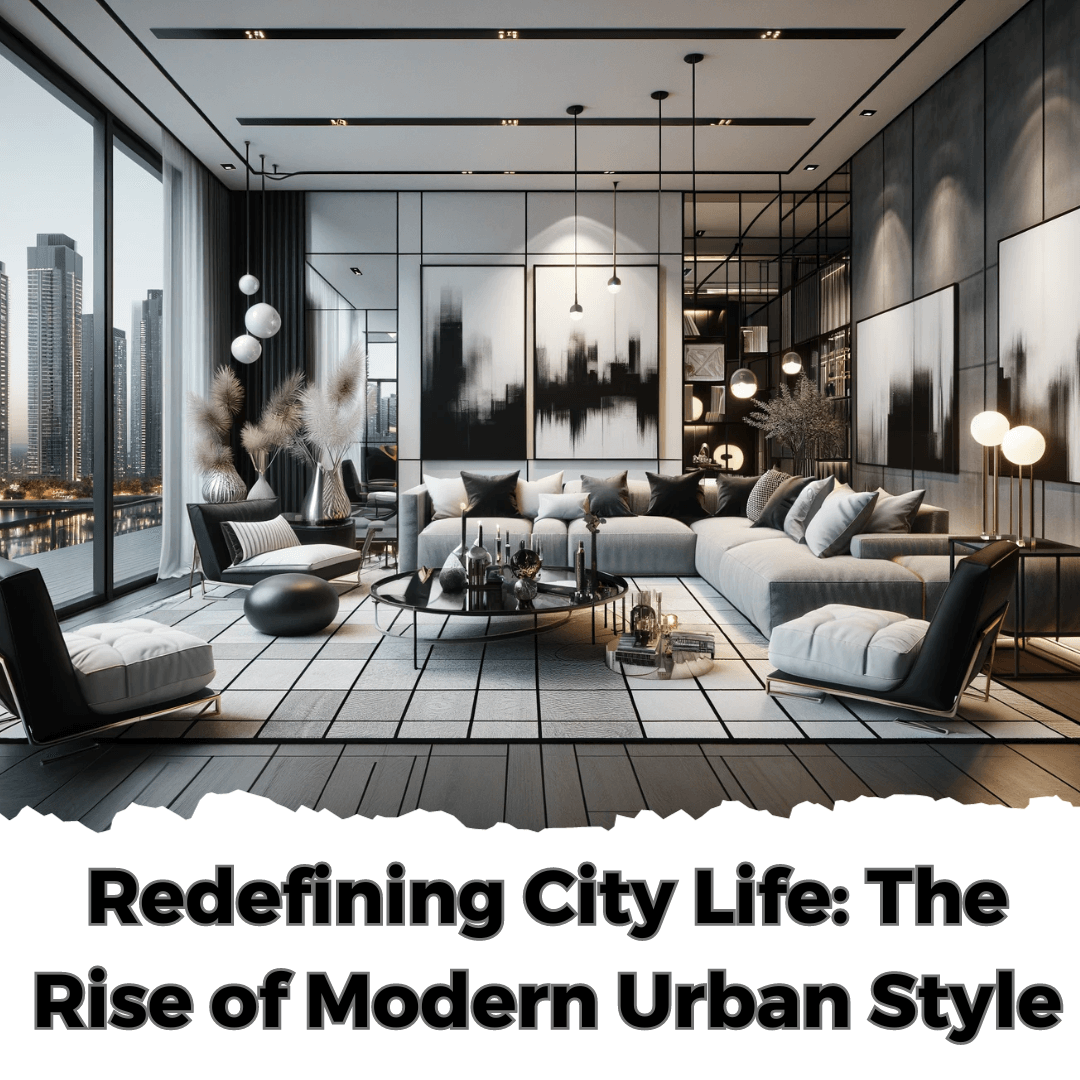
To master city living through the 40 Oliver framework, one must balance high-efficiency residential logistics with proactive cultural engagement. This guide provides a strategic roadmap for navigating dense urban environments in 2026, focusing on optimized housing selection, multi-modal transportation mastery, and the discovery of "hidden-tier" urban adventures that define modern metropolitan excellence.
Defining the 40 Oliver Philosophy of Modern Urbanism
The concept of "40 Oliver" represents more than a specific location; it has evolved into a comprehensive philosophy for the modern urbanite. At its core, this approach emphasizes the transition from being a mere resident to becoming an active participant in the city's ecosystem. In 2026, the urban landscape is no longer just a collection of buildings but a programmable interface where technology, community, and personal mobility intersect.
Living a "40 Oliver" lifestyle requires a shift in mindset. It prioritizes access over ownership and experiences over square footage. As cities become more densely populated, the ability to curate one’s environment becomes the ultimate luxury. This involves understanding the nuances of neighborhood micro-climates—knowing which street corners host the best pop-up markets and which transit lines offer the most reliable "last-mile" connectivity.
True urban mastery involves balancing the chaotic energy of the street with the sanctuary of the home. This guide dissects the technical and social components necessary to thrive in high-stakes environments like New York, London, Tokyo, or the burgeoning tech hubs of the American Sunbelt. By following these protocols, residents can transform the friction of city life into a streamlined, adventurous existence.
Navigating High-Density Housing: Strategies for Success in 2026
The foundation of any urban adventure is the home base. In 2026, the real estate market has shifted toward "Service-Oriented Housing." When selecting a residence under the 40 Oliver standards, one must look beyond the aesthetic finishes and evaluate the building’s operational infrastructure.
Technical Specifications for Modern Apartments
Modern urban living demands a high degree of digital and physical connectivity. Prospective residents should verify the "Digital Maturity" of a building. This includes checking for integrated Wi-Fi 7 capabilities, dedicated delivery lockers with cold storage for groceries, and sound-attenuation ratings. In high-density areas, the "noise floor" of an apartment can significantly impact mental health and productivity, making triple-pane glazing and decoupled flooring essential features.
The Rise of Flex-Living and Co-Living Spaces
For many urban adventurers, traditional 12-month leases are being replaced by flexible arrangements. Co-living models have matured in 2026, offering private suites with shared high-end amenities like industrial-grade kitchens and coworking lounges. These spaces are ideal for those who prioritize social networking and reduced overhead. When evaluating these options, it is critical to review the community management protocols and the "guest-to-amenity" ratio to ensure that shared spaces remain functional rather than overcrowded.
Mastering the Urban Grid: Transportation and Connectivity
In the 40 Oliver guide to city living, the car is often an encumbrance rather than an asset. The year 2026 marks a peak in the "15-minute city" implementation, where most daily needs are met within a short walk or ride. Mastering the urban grid requires a sophisticated understanding of multi-modal transit systems.
Leveraging Micro-Mobility
Electric bikes and high-performance scooters have become the primary tools for urban navigation. To live efficiently, one must understand the local regulations regarding lane usage and indoor charging safety (specifically focusing on UL-certified battery systems). Investing in a high-quality, foldable e-bike allows for seamless transitions between the street and the subway, effectively "flattening" the city's topography.
Advanced Public Transit Integration
Modern transit apps now provide real-time load factors, telling you which subway car is the least crowded or which bus has the strongest air conditioning. The 40 Oliver approach suggests utilizing "intermodal routing," which might involve a short bike ride to a secondary transit hub rather than waiting for a direct but infrequent bus. This strategy minimizes dwell time and maximizes the predictability of one’s schedule.
| Feature | Urban Living (40 Oliver Style) | Suburban Living (Standard) |
|---|---|---|
| Primary Transit | Multi-modal (Walk/Bike/Transit) | Private Vehicle |
| Space Utilization | High-efficiency / Vertical | Expansive / Horizontal |
| Cost Driver | Rent and Convenience Premiums | Maintenance and Fuel |
| Access to Culture | Immediate / Pedestrian | Planned / Commuter-based |
| Social Structure | Spontaneous / Network-based | Scheduled / Family-oriented |
| Sustainability | Low Per-Capita Carbon Footprint | High Energy Requirements |
Curating Urban Adventures: Beyond the Tourist Traps
The "Urban Adventures" component of 40 Oliver focuses on the pursuit of "insider knowledge." In 2026, generic recommendation engines often lead to overcrowded and overpriced venues. To find authentic experiences, one must engage with the city’s subcultures and unconventional spaces.
Micro-Adventures and Roof-Topping
Urban adventure doesn't always require leaving the city limits. Micro-adventures can include exploring abandoned infrastructure (where legal and safe), visiting "vertical forests" in new architectural developments, or participating in night-time photography tours. Accessing legally accessible rooftop gardens provides a literal change in perspective, offering a respite from the street-level hustle and a unique vantage point for appreciating urban geometry.
The Underground Culinary and Arts Scene
The best urban adventures are often found in "liminal spaces"—basements, repurposed warehouses, and pop-up galleries. The 40 Oliver guide encourages residents to follow specific curators rather than broad platforms. In 2026, many of the most exciting dining experiences occur in "ghost kitchens" that host limited-seat, invitation-only dinners. Cultivating a network of local creators is the key to unlocking these exclusive urban layers.
The Economics of City Living: Budgeting and Financial Strategy
Living at a prestigious address or in a high-activity zone requires a specialized financial approach. The "40 Oliver" economic model focuses on "Total Cost of Living" (TCOL) rather than just rent. By eliminating car payments, insurance, and fuel, a resident can often reallocate significant funds toward a higher-quality residence in a walkable neighborhood.
Subscription-Based Living
In 2026, many services that were once owned are now subscribed to. This includes furniture rental, gym memberships that span multiple locations, and even "clothing clouds" for professional attire. This lifestyle reduces the physical burden of moving and allows for a minimalist home environment. However, one must be diligent in tracking these recurring costs to avoid "subscription creep," where small monthly fees accumulate into a major financial drain.
Maximizing Urban Perks
Living in a dense city offers unique economic advantages if one knows where to look. Corporate partnerships, local resident discounts, and "off-peak" pricing for entertainment venues can significantly lower the cost of an adventurous lifestyle. The 40 Oliver guide recommends using geo-fenced reward apps that offer incentives for frequenting local businesses, effectively subsidizing your urban exploration.
Safety and Wellness in the Concrete Jungle
Sustainability and personal health are often the biggest challenges in a metropolitan environment. The 40 Oliver guide prioritizes mental and physical well-being through intentional habits and environmental control.
Environmental Health at Home
Urban air quality and light pollution are significant factors in long-term health. Residents should utilize HEPA-13 air filtration systems to mitigate "street dust" and PM2.5 particles. Additionally, implementing smart lighting systems that mimic circadian rhythms can help counteract the effects of 24/7 city lights, ensuring better sleep quality in an environment that never truly goes dark.
Physical Safety and Situational Awareness
While modern cities in 2026 have leveraged AI for enhanced public safety, personal situational awareness remains paramount. The 40 Oliver approach teaches "passive security"—choosing well-lit routes, using digital payment methods to avoid carrying cash, and maintaining a "gray man" appearance that doesn't draw unnecessary attention in crowded transit hubs.
Sustainable Urbanism: Living Green in a Vertical World
Living a 40 Oliver lifestyle means contributing to the sustainability of the city. High-density living is inherently more efficient than suburban sprawl, but individual choices still matter.
- Zero-Waste Logistics: Utilize the city’s specialized recycling programs and composting drop-offs. Many modern buildings now offer "circularity hubs" where residents can swap items rather than discarding them.
- Energy Optimization: Even in a rental, one can use smart plugs and window film to reduce energy consumption. In 2026, many cities offer tax credits for residents who participate in "demand-response" programs, where energy usage is lowered during peak grid stress.
- Supporting Local Ecosystems: Choosing to shop at farmers' markets and supporting local artisans reduces the carbon footprint associated with long-range logistics. It also strengthens the social fabric of the neighborhood, which is a core tenet of the 40 Oliver philosophy.
FAQ
What does "40 Oliver" specifically refer to in urban planning?
While it can refer to specific high-end addresses in cities like Boston, in the context of this guide, it represents a standard for "Prime Urban Integration." This involves a residential location that scores above 90 on walkability, transit, and bike-friendliness scales, serving as a hub for both professional and recreational activities.
Is city living still viable in 2026 with the rise of remote work?
Absolutely. While the "need" to be in a city for work has decreased, the "desire" to be in a city for culture, networking, and lifestyle has increased. Cities have pivoted from being labor hubs to being experience hubs. The 40 Oliver lifestyle focuses on the city as a playground and social network rather than just a workplace.
How can I manage the high cost of rent in a 40 Oliver-style neighborhood?
The strategy involves "Internalizing Externalities." While rent is higher, you save on transportation, time, and gym memberships (if the building or neighborhood provides them). Additionally, many 40 Oliver residents utilize "fractional living" or co-living arrangements to access premium locations at a lower price point.
What are the best tools for discovering urban adventures?
Avoid mainstream travel sites. Instead, look for niche newsletters, local Discord communities, and augmented reality (AR) apps that overlay historical or cultural data onto the city streets. In 2026, the most authentic experiences are often "token-gated" or shared through word-of-mouth in digital social clubs.
How do I maintain a sense of community in a large, anonymous city?
Community in a 40 Oliver context is built through "third places"—cafes, parks, and hobbyist groups. Regularity is key. By visiting the same coffee shop or park at the same time each day, you create "passive social ties" that eventually evolve into a supportive local network.
Next Actions for the Aspiring Urbanite
To begin your journey toward a 40 Oliver lifestyle, start by auditing your current urban footprint. Identify the "friction points" in your daily routine—is it a long commute, a lack of green space, or a sense of social isolation? Once identified, move toward a more centralized location that prioritizes multi-modal transit and access to "third places." Invest in the tools of urban mastery: a reliable e-mobility device, a high-quality air filtration system for your home, and a curated list of local influencers who share your aesthetic and cultural values. By treating the city as a resource to be optimized, you transform from a resident into a true urban adventurer.