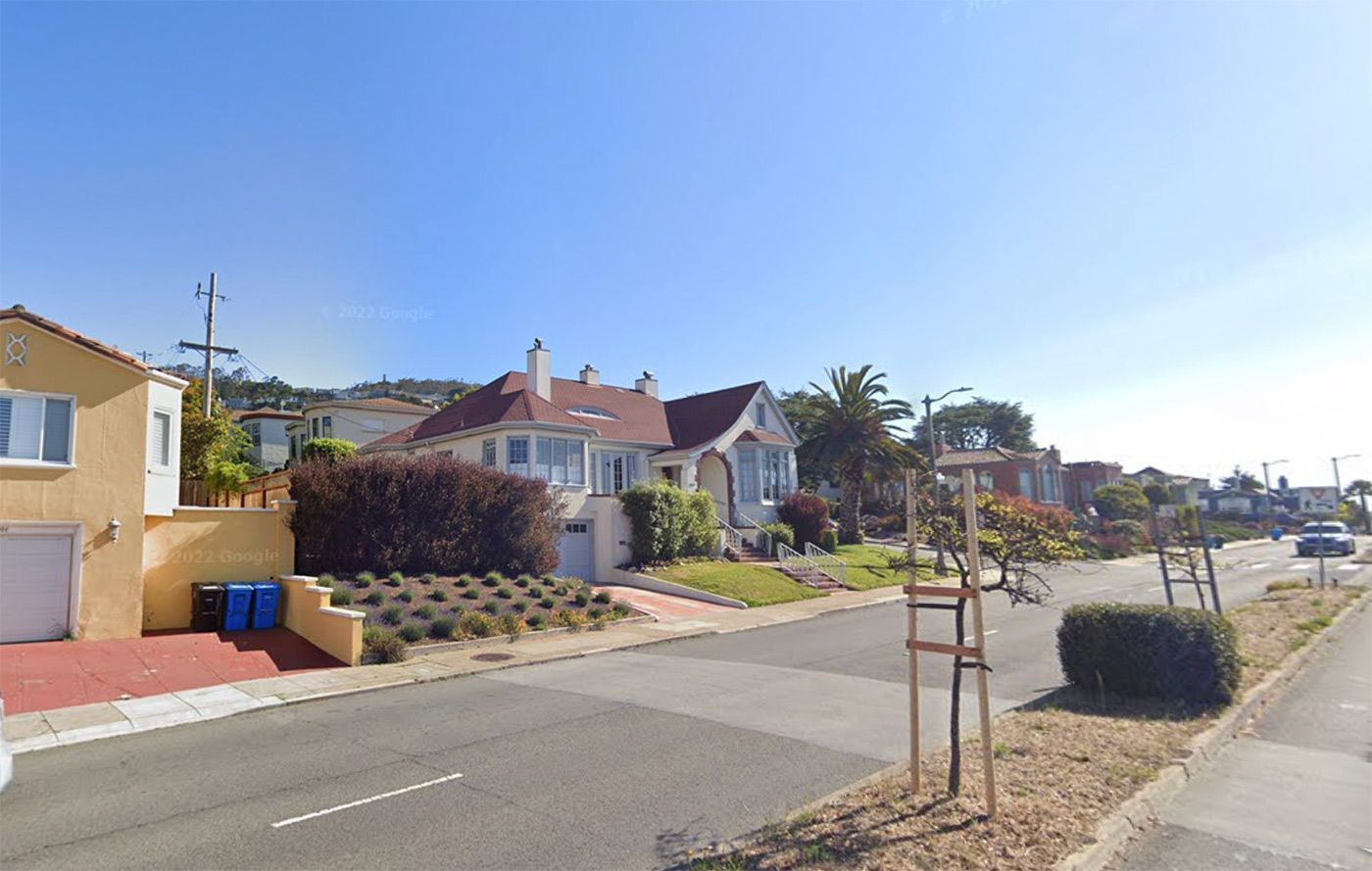
In May 2024, San Francisco authorities discovered four family members deceased inside an Outer Sunset home, an event that deeply impacted the local community. Following an exhaustive investigation finalized by 2026, officials confirmed the incident was a triple murder-suicide, highlighting critical issues regarding domestic wellness and the necessity of community-based mental health intervention.
Chronology of the Discovery in the Outer Sunset
The incident began on the morning of May 19, 2024, in the 300 block of 32nd Avenue, a residential area known for its proximity to Lincoln Park and its generally quiet, safe reputation. San Francisco Police Department (SFPD) officers were dispatched to the residence to conduct a well-being check after a relative reported being unable to contact the occupants for an extended period.
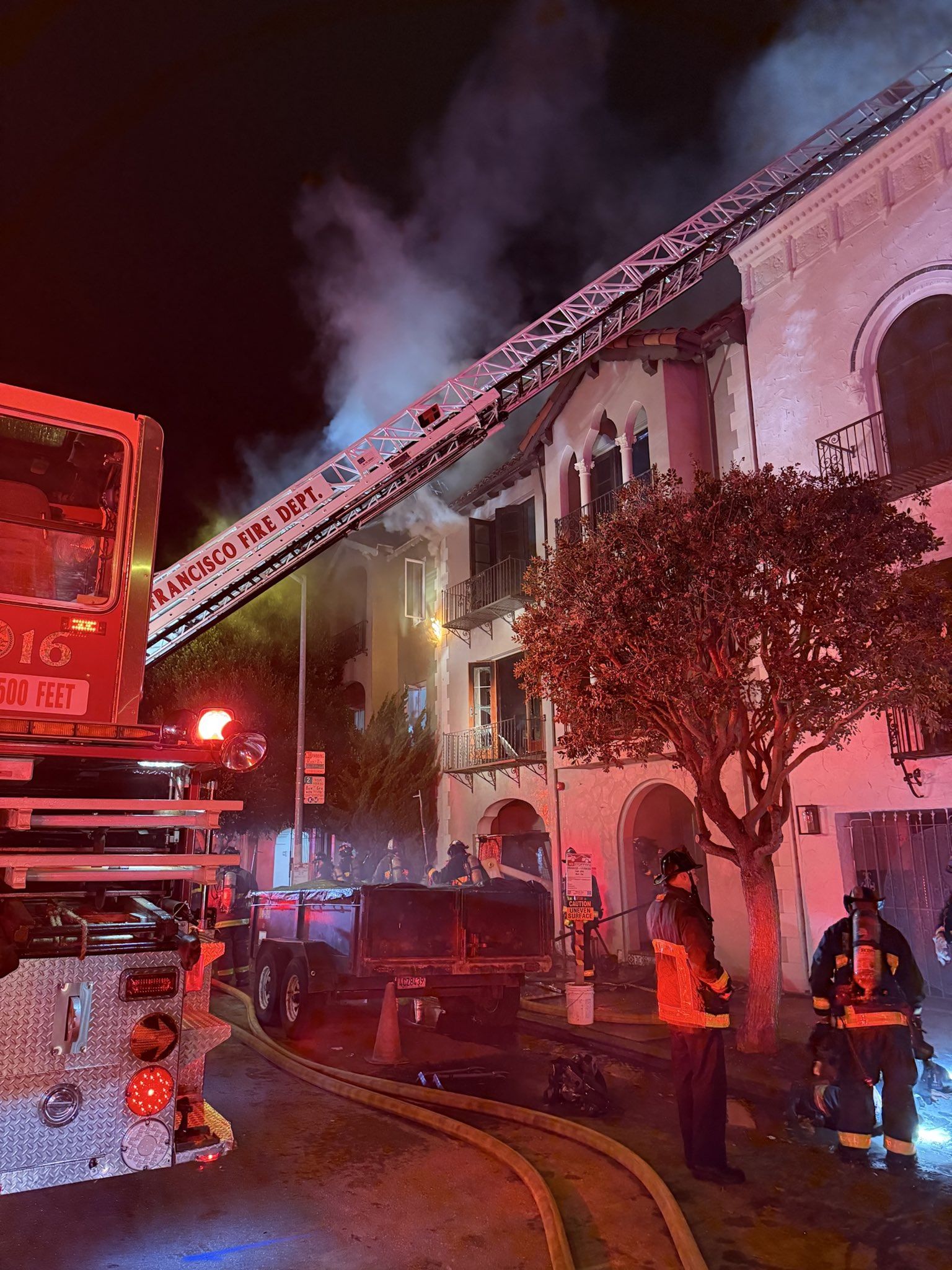
Upon entering the multi-story home, officers discovered four individuals deceased from apparent gunshot wounds. The initial scene was described by first responders as harrowing, requiring immediate cordoning of the surrounding blocks to ensure public safety while investigators assessed whether an active threat remained at large. For several hours, the neighborhood remained under a shelter-in-place advisory as tactical units cleared the perimeter.
By the evening of the discovery, the SFPD shifted the focus of the investigation from an active threat to a processed crime scene. Early forensic indicators suggested that the deaths were not the result of a home invasion or external foul play, which initially confused the public and led to widespread speculation. However, the meticulous collection of evidence over the following months would eventually clarify the sequence of events that led to the tragedy.
Identities and Profiles of the Victims
The San Francisco Medical Examiner’s Office eventually released the names and ages of the deceased, confirming they were members of a single multi-generational household. The victims included:
- A 71-year-old male: The patriarch of the family and a long-term resident of the Outer Sunset.
- A 70-year-old female: The matriarch, known by neighbors for her active involvement in local community gardening.
- A 47-year-old female: The daughter of the elderly couple.
- A 37-year-old male: The son of the elderly couple and brother to the 47-year-old.
The loss of three generations in a single afternoon sent shockwaves through the Sunset District. Neighbors described the family as private but friendly, noting that there were no outward signs of conflict or distress in the weeks leading up to the event. This "hidden" nature of the internal family struggle is a hallmark of such cases, where external appearances often mask severe internal crises.
Investigation Findings and the "Shocking Details"
The "shocking details" that emerged during the investigation primarily concerned the internal dynamics of the household. Forensic ballistics and DNA analysis confirmed that the 37-year-old male was the sole perpetrator. Investigators recovered a semi-automatic handgun at the scene, which was determined to be the weapon used in all four deaths.
The investigation revealed that the perpetrator had struggled with significant, though largely untreated, mental health challenges. As of 2026, the final investigative reports emphasize that there was no evidence of a struggle, suggesting the victims may have been caught entirely off guard. The sequence of the shootings indicated a rapid escalation, followed by the perpetrator taking his own life.
One of the most distressing aspects of the update provided by the SFPD was the lack of prior police calls to the residence. There was no documented history of domestic violence or reported disturbances at the address. This lack of a "paper trail" often makes prevention difficult for law enforcement, as they are not alerted to potential dangers until a catastrophic event occurs.
The Role of Forensic Evidence and the Medical Examiner
The resolution of this case relied heavily on the San Francisco Medical Examiner’s forensic team. In cases of multiple fatalities within a home, establishing the "order of death" and the trajectory of projectiles is essential to rule out third-party involvement.
Ballistic Reconstruction
Forensic technicians used 3D laser scanning to map the interior of the home. This technology allowed investigators to reconstruct the path of every bullet fired. By matching these paths to the positions of the bodies, they confirmed that the shots originated from a single source—the youngest male in the household.
Toxicology and Psychological Autopsy
In the months following the incident, a "psychological autopsy" was conducted. This process involves interviewing friends, colleagues, and extended family members to reconstruct the mental state of the perpetrator. The 2026 retrospective on the case indicates that financial stressors and a sense of "caregiver burnout" may have contributed to the perpetrator's mental decline, though these factors do not excuse the violence committed.
Comparative Timeline of the Investigation
The following table outlines the major milestones from the discovery of the bodies to the final administrative closure of the case in 2026.
| Date | Milestone | Key Details |
|---|---|---|
| May 19, 2024 | Discovery of Victims | Police respond to welfare check; 4 bodies found. |
| May 21, 2024 | Preliminary Identification | Medical Examiner confirms family relationship. |
| July 2024 | Ballistic Results | Weapon confirmed as belonging to the 37-year-old male. |
| October 2024 | Final Forensic Report | Case officially categorized as triple murder-suicide. |
| 2025 | Community Impact Review | SF Department of Public Health launches Sunset wellness initiative. |
| 2026 | Case Archival | Official records closed; final updates provided to the public. |
Community Impact and Mental Health Resources in San Francisco
The Outer Sunset tragedy prompted a city-wide conversation about the visibility of mental health struggles within immigrant and multi-generational households. San Francisco has since increased funding for mobile crisis units and "wellness check" programs that do not necessarily involve armed law enforcement as the first point of contact.
For residents of the Bay Area, this case serves as a somber reminder of the importance of early intervention. Organizations like the National Alliance on Mental Illness (NAMI) San Francisco and the San Francisco Department of Public Health have expanded their outreach in the Sunset and Richmond districts to provide culturally competent care and language-specific resources.
If you or someone you know is experiencing a crisis, the following resources are available 24/7:
- 988 Suicide & Crisis Lifeline: Call or text 988 for immediate support.
- SF Mobile Crisis Support: (415) 970-3800.
- Domestic Violence Hotline: (800) 799-SAFE (7233).
Recognizing Red Flags and Prevention Strategies
While the 2024 incident had few outward warnings, experts in domestic violence and behavioral health highlight certain patterns that can sometimes indicate a risk of "familicide" or murder-suicide. Understanding these red flags is a proactive step for community members.
- Social Withdrawal: A sudden or progressive isolation from friends, neighbors, or extended family members.
- Access to Firearms: The presence of weapons in a household where a member is experiencing a mental health crisis significantly increases the lethality risk.
- Verbalized Hopelessness: Statements regarding the "burden" of caring for elderly parents or feeling that there is "no way out" of a financial or personal situation.
- Changes in Household Routine: Significant shifts in the way a family interacts or maintains their property can sometimes signal internal distress.
In the wake of this investigation, the San Francisco Police Department has encouraged citizens to use the "Red Flag" laws (Gun Violence Restraining Orders) available in California. These laws allow family members or law enforcement to petition a court to temporarily remove firearms from an individual who poses a danger to themselves or others.
Understanding the Legal Closure of Murder-Suicide Cases
When the perpetrator of a crime is among the deceased, the legal process differs significantly from standard criminal trials. There is no prosecution, no jury, and no sentencing. Instead, the focus shifts to "administrative closure."
As of 2026, the case is considered resolved from a law enforcement perspective. The SFPD District Attorney’s office reviewed the findings to ensure that no other parties were complicit or negligent in a way that warranted criminal charges. The finality of the Medical Examiner’s report serves as the official record, providing a degree of closure to the surviving extended family members, even if the "why" remains difficult to fully comprehend.
Frequently Asked Questions
Was there an intruder or a break-in at the San Francisco home?
No, the investigation definitively ruled out the presence of an intruder. Forensic evidence, including the state of the home’s entry points and the ballistic signatures of the weapon found at the scene, confirmed that the violence originated from within the household. The initial shelter-in-place order was a standard precautionary measure taken until the residence could be fully secured and scanned.
What was the motive behind the Outer Sunset triple murder-suicide?
While a single "motive" is often impossible to pinpoint in such tragedies, investigators identified a combination of untreated mental health issues and domestic stressors. The psychological autopsy suggested the perpetrator felt overwhelmed by family responsibilities and internal pressures, leading to a catastrophic break in mental stability.
Are there any ongoing threats to the Outer Sunset neighborhood?
There are no ongoing threats related to this specific case. The incident was isolated to the single residence on 32nd Avenue. Since 2024, local law enforcement has maintained a presence in the area primarily to support community healing and address general safety concerns, but the 2024 case is officially closed.
How can San Francisco residents request a welfare check?
Residents can request a welfare check by calling the SFPD non-emergency line at (415) 553-0123. If you believe someone is in immediate physical danger, you should always dial 911. When requesting a check, provide as much detail as possible about why you are concerned and whether there are known mental health issues or weapons in the home.
Support and Next Actions for the Community
For those affected by the memory of this event or struggling with similar family dynamics, the most practical next step is to engage with professional support networks before a crisis escalates. San Francisco offers various community-based programs designed to bridge the gap between private family life and public health services.
If you live in the Sunset District, consider participating in local "Neighborhood Watch" or "Community Living Room" events hosted by the District 4 Supervisor’s office. These gatherings are designed to foster the social cohesion that can often act as a safety net for vulnerable individuals. Recognizing that mental health is a community-wide responsibility is the most lasting lesson from the tragic events of May 2024.