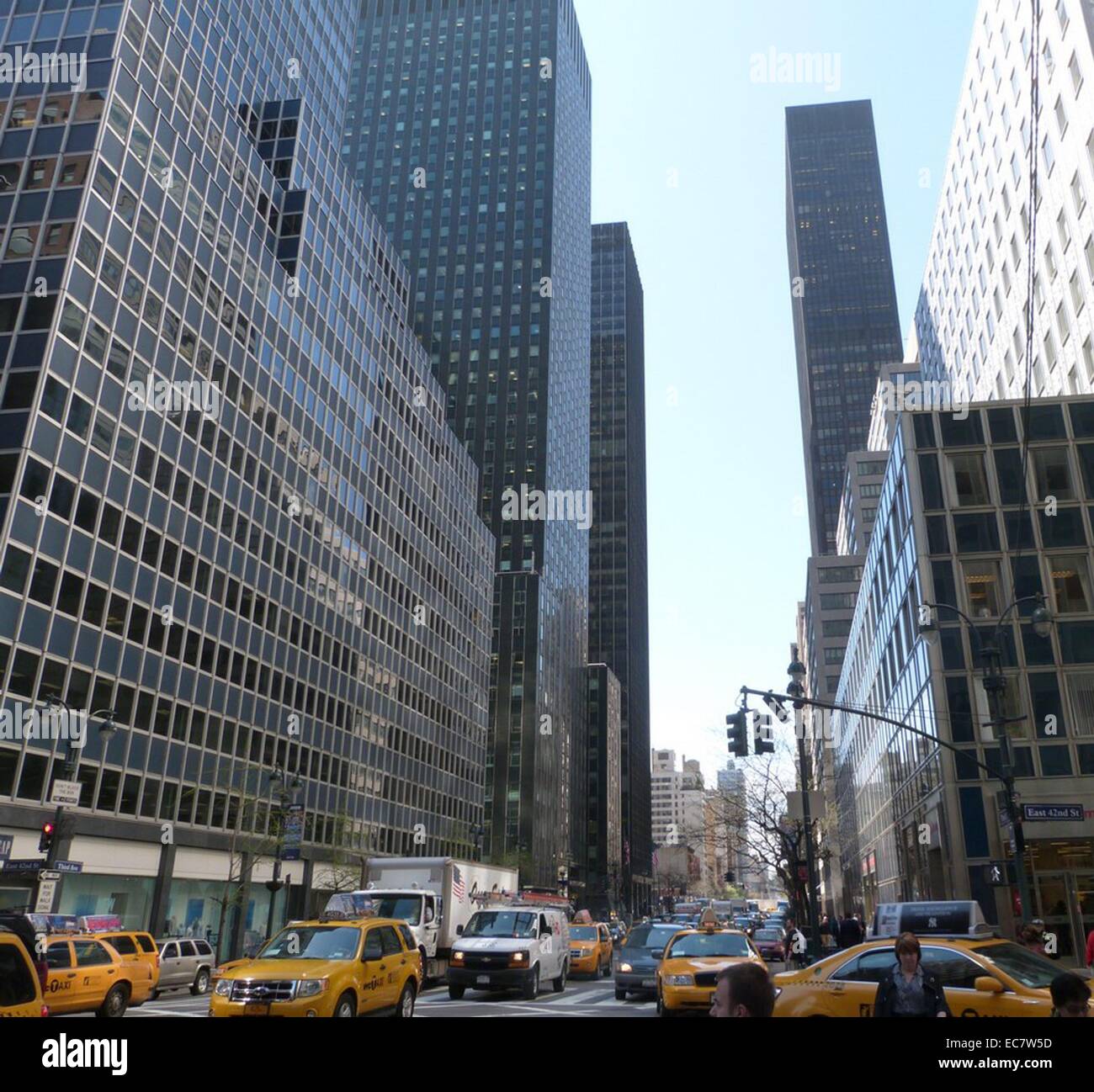
3rd Avenue is a major north-south thoroughfare on the East Side of Manhattan, New York City, extending from Cooper Square in the south to the Harlem River in the north. It serves as a critical economic, residential, and transit corridor, linking diverse neighborhoods like the East Village, Murray Hill, and the Upper East Side.
The evolution of 3rd Avenue is a study in urban transformation. Once dominated by the shadow of an elevated train line, it has transitioned into one of the most sought-after stretches of real estate in the United States. As of 2026, the avenue continues to balance its identity as a high-density commercial hub in Midtown with its status as a premier residential address in the Upper East Side and East Harlem. Understanding 3rd Avenue requires a deep look into its historical shifts, its current real estate market, and the infrastructure that supports its millions of annual commuters and residents.
The Historical Transformation of the 3rd Avenue Corridor
The defining moment in the history of 3rd Avenue was the existence and eventual removal of the IRT Third Avenue Line, commonly known as the "Third Avenue El." This elevated railway began operations in the late 19th century, providing essential transit but also casting the street below into perpetual darkness and noise. The presence of the El stunted high-end development, leaving the avenue populated largely by tenements and industrial warehouses for decades.
The demolition of the Manhattan section of the El, completed in 1955, acted as a massive catalyst for urban renewal. Without the overhead tracks, sunlight reached the street level for the first time in generations, leading to a "canyon" of modern office towers and luxury apartment buildings. This era saw the rise of the "white brick" apartment buildings that now define the Upper East Side portion of the avenue. By 2026, many of these mid-century structures have undergone significant retrofitting to meet modern energy efficiency standards, reflecting New York City’s evolving local laws regarding building emissions.
Real Estate Dynamics and Market Trends in 2026
In 2026, 3rd Avenue represents a diverse spectrum of the Manhattan property market. The avenue is generally divided into three distinct real estate zones: the commercial core of Midtown East, the residential luxury of the Upper East Side, and the developing northern reaches of East Harlem.
Commercial and Office Space in Midtown East
Between 42nd Street and 59th Street, 3rd Avenue is characterized by class-A office space. Following the rezoning of Greater East Midtown, several older structures have been replaced or heavily renovated to offer the open-floor plans and wellness amenities demanded by post-pandemic corporate tenants. Large financial institutions and law firms continue to anchor these blocks, drawn by the proximity to Grand Central Terminal.
Residential Markets: Renting and Owning
The residential market on 3rd Avenue remains robust due to its comparative accessibility versus neighboring Park or Madison Avenues. In the Upper East Side (60th to 96th Streets), the inventory is a mix of post-war co-ops and new ultra-luxury condominiums.
- Co-operatives: These remain the backbone of the 3rd Avenue housing stock. They often require significant down payments (25-50%) and rigorous board approvals.
- New Developments: Modern towers, often exceeding 30 stories, have utilized air rights from smaller adjacent buildings to offer sweeping views of the East River and Central Park.
The East Harlem Frontier
North of 96th Street, 3rd Avenue undergoes another shift. This area has seen an influx of mixed-income housing developments. Developers have increasingly looked toward this stretch as land prices in Lower Manhattan reached a plateau, leading to a surge in new retail spaces and residential units that cater to a younger professional demographic.
Connectivity and Transit Infrastructure
Unlike Lexington Avenue or 2nd Avenue, 3rd Avenue does not have a dedicated subway line running directly beneath it for its entire length. This geographical quirk has shaped the avenue’s character and its reliance on surface transit.
The Bus Network
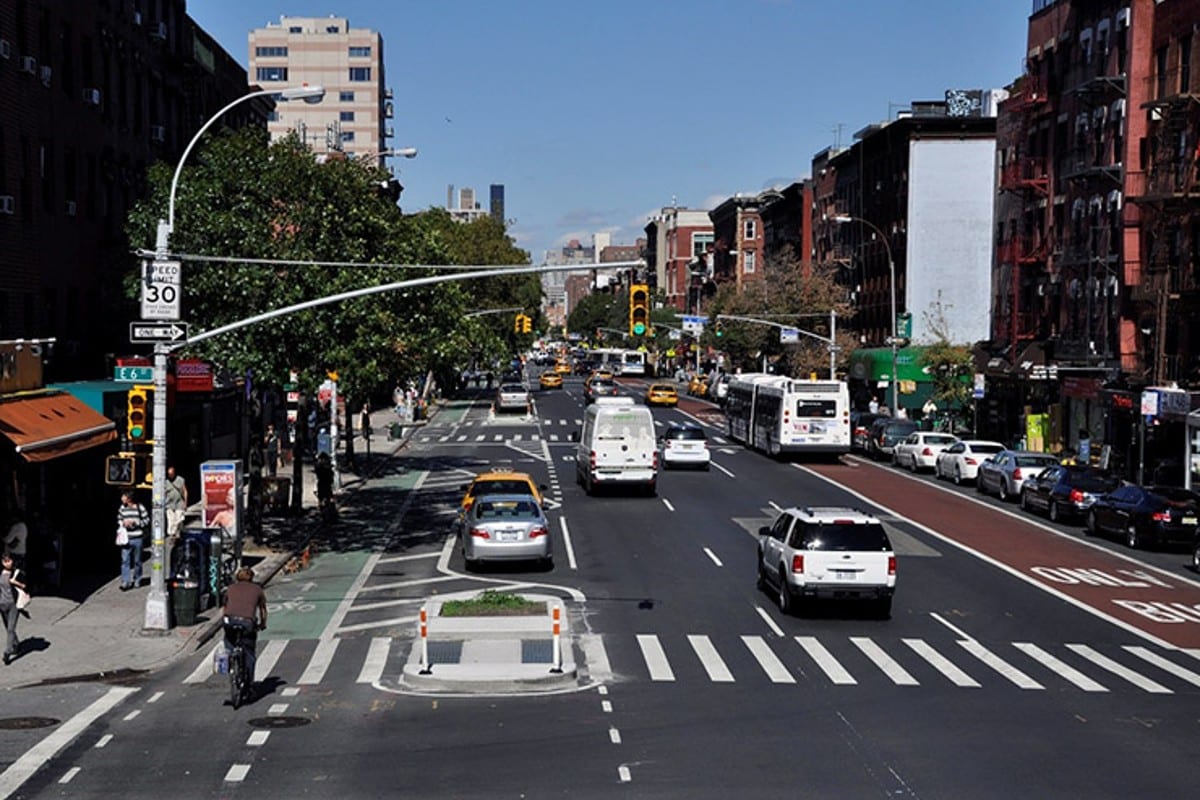
The M101, M102, and M103 bus lines are the lifeblood of 3rd Avenue. These routes provide essential north-south connectivity. In 2026, the implementation of more rigorous Select Bus Service (SBS) features—including dedicated lanes and off-board fare payment—has significantly improved travel times. These improvements were necessitated by the continued delays in the further expansion of the 2nd Avenue Subway, which was intended to relieve pressure on the Lexington Avenue (4, 5, 6) lines.
Proximity to Hubs
The strategic value of 3rd Avenue is its proximity to Grand Central Terminal at 42nd Street. This allows residents and workers easy access to Metro-North Railroad and the Long Island Rail Road (via Grand Central Madison). For those living further north, the 86th Street and 125th Street stations provide rapid access to the 4, 5, and 6 trains, which run parallel just one block west on Lexington Avenue.
| Segment | Primary Character | Notable Landmarks | Transit Access |
|---|---|---|---|
| Lower (Bowery to 14th St) | Academic/Eclectic | Cooper Union, The Bowery | 6, R, W Trains |
| Murray Hill (23rd to 42nd St) | Residential/Young Prof. | Kips Bay Towers | M101, M102, M103 |
| Midtown East (42nd to 59th St) | Corporate/Commercial | 750 Third Avenue | Grand Central Terminal |
| Upper East Side (60th to 96th St) | Luxury Residential | Bloomingdale's (nearby) | Q Train (2nd Ave) |
| East Harlem (96th to 128th St) | Developing/Mixed Use | Hunter College (Silberman) | 4, 5, 6 Trains |
Urban Planning and Public Realm Improvements
As of 2026, 3rd Avenue has been a primary focus of New York City’s "Street Plan" initiatives. One of the most significant changes has been the reallocation of street space. Historically, 3rd Avenue was a wide, multi-lane speedway for vehicular traffic moving uptown.
Pedestrian and Cyclist Safety
City planners have implemented protected bike lanes along significant portions of the avenue. These lanes are separated from traffic by physical barriers or parked cars, creating a safer environment for the "last-mile" delivery workers and commuters who frequent the corridor. Additionally, "pedestrian islands" have been expanded at major intersections like 14th, 23rd, 42nd, and 86th Streets to reduce crossing distances and improve safety metrics.
Green Infrastructure and Climate Resilience
Under the 2026 guidelines for urban heat island mitigation, new developments along 3rd Avenue are required to incorporate "cool roofs" and, where possible, bioswales at the curb level. These bioswales help manage stormwater runoff, preventing the localized flooding that has historically plagued the lower-lying areas near the East River.
Distinguishing 3rd Avenue Management
In the context of "3rd Avenue," it is essential to distinguish the physical location from Third Avenue Management, a prominent investment firm. Founded by the late Martin Whitman, the firm is renowned for its "value investing" philosophy. While the firm takes its name from the avenue where it was originally headquartered, its operations are global in scope.
For investors or professionals searching for "3rd Avenue," the distinction is vital:
- The Avenue: A physical real estate and infrastructure corridor in Manhattan.
- The Management Firm: A financial entity focusing on distressed debt, real estate equities, and value-oriented mutual funds.
As of 2026, the firm remains a significant player in the institutional investment landscape, often cited for its rigorous fundamental analysis of companies' balance sheets. For more information on their current fund performance, one should consult the official Third Avenue Management website.
Navigating the 3rd Avenue Culinary and Retail Scene
3rd Avenue is colloquially known in various sections for its high density of restaurants and bars. In the Murray Hill section, the avenue is often referred to as "Curry Hill" (centered around 28th Street) due to the high concentration of Indian restaurants and spice shops.
Further north, the retail landscape changes to high-end boutiques and essential services. The stretch between 60th and 72nd Streets features some of the city's most expensive commercial rents, occupied by international brands and luxury showrooms. However, the 2026 retail environment has seen a resurgence of "experiential" retail—spaces that offer services or community events alongside traditional sales—to compete with the continued growth of e-commerce.
Key Cultural Institutions
- The Cooper Union: Located at the southern terminus, this landmark institution for art, architecture, and engineering remains a cornerstone of the East Village's intellectual life.
- Mount Vernon Hotel Museum & Garden: Tucked away near 61st Street, this is one of the few remaining pre-1800 buildings in Manhattan, offering a stark historical contrast to the surrounding skyscrapers.
Common Questions Regarding 3rd Avenue
Is 3rd Avenue one-way or two-way?
In Manhattan, 3rd Avenue is primarily a one-way street carrying traffic northbound (uptown). This traffic pattern was established in the mid-20th century to improve traffic flow through the densest parts of the city. However, in the Bronx, sections of 3rd Avenue operate as two-way streets.
Which subway goes down 3rd Avenue?
There is no subway line that runs directly under 3rd Avenue for its entire length. The closest options are the Lexington Avenue Line (4, 5, 6 trains) one block west, and the 2nd Avenue Subway (Q train) one block east in the Upper East Side. The lack of a direct line makes the M101, M102, and M103 buses essential for transit along the avenue itself.
What is the history of the 3rd Avenue "El"?
The 3rd Avenue Elevated (El) was a rapid transit line that operated from 1878 until 1955 in Manhattan (and until 1973 in the Bronx). Its removal was the single most important factor in the 20th-century development of the East Side, as it allowed for the construction of high-rise luxury housing and office buildings that were previously unfeasible due to the noise and shadows of the train.
Is 3rd Avenue safe for pedestrians in 2026?
Significant safety improvements have been made as of 2026, including the installation of protected bike lanes, leading pedestrian intervals (LPIs) at traffic lights, and narrowed vehicle lanes. While it remains a busy commercial artery, these "Vision Zero" initiatives have materially reduced the rate of traffic-related injuries compared to the early 2000s.
How do property prices on 3rd Avenue compare to 5th Avenue?
Generally, 3rd Avenue is more affordable than 5th Avenue or Park Avenue. While 5th Avenue is characterized by ultra-luxury "museum mile" residences and world-famous retail, 3rd Avenue offers a more "livable" mix of co-ops, rentals, and local services. It is considered a premier residential location but lacks the extreme price premiums associated with the avenues directly bordering Central Park.
Strategic Recommendations for Residents and Investors
If you are considering moving to or investing in the 3rd Avenue corridor in 2026, several factors should guide your decision-making.
First, evaluate building certifications. With NYC’s strict environmental laws (such as Local Law 97), buildings on 3rd Avenue that have already invested in electric HVAC systems and high-grade insulation are more valuable than those facing potential "carbon tax" penalties.
Second, prioritize proximity to transit hubs. The value of 3rd Avenue property is heavily tied to how easily one can reach Lexington Avenue subway stations or Grand Central. Units within a three-block radius of these hubs typically command a 10-15% premium in both rent and resale value.
Finally, monitor the 2nd Avenue Subway Phase 2 and 3 progress. While the subway is on 2nd Avenue, its completion significantly reduces the "transit desert" feel of the easternmost blocks of 3rd Avenue, particularly in East Harlem. Investors should look for opportunities in the 96th to 125th Street corridor, where the long-term appreciation potential remains high as infrastructure catches up with residential density.