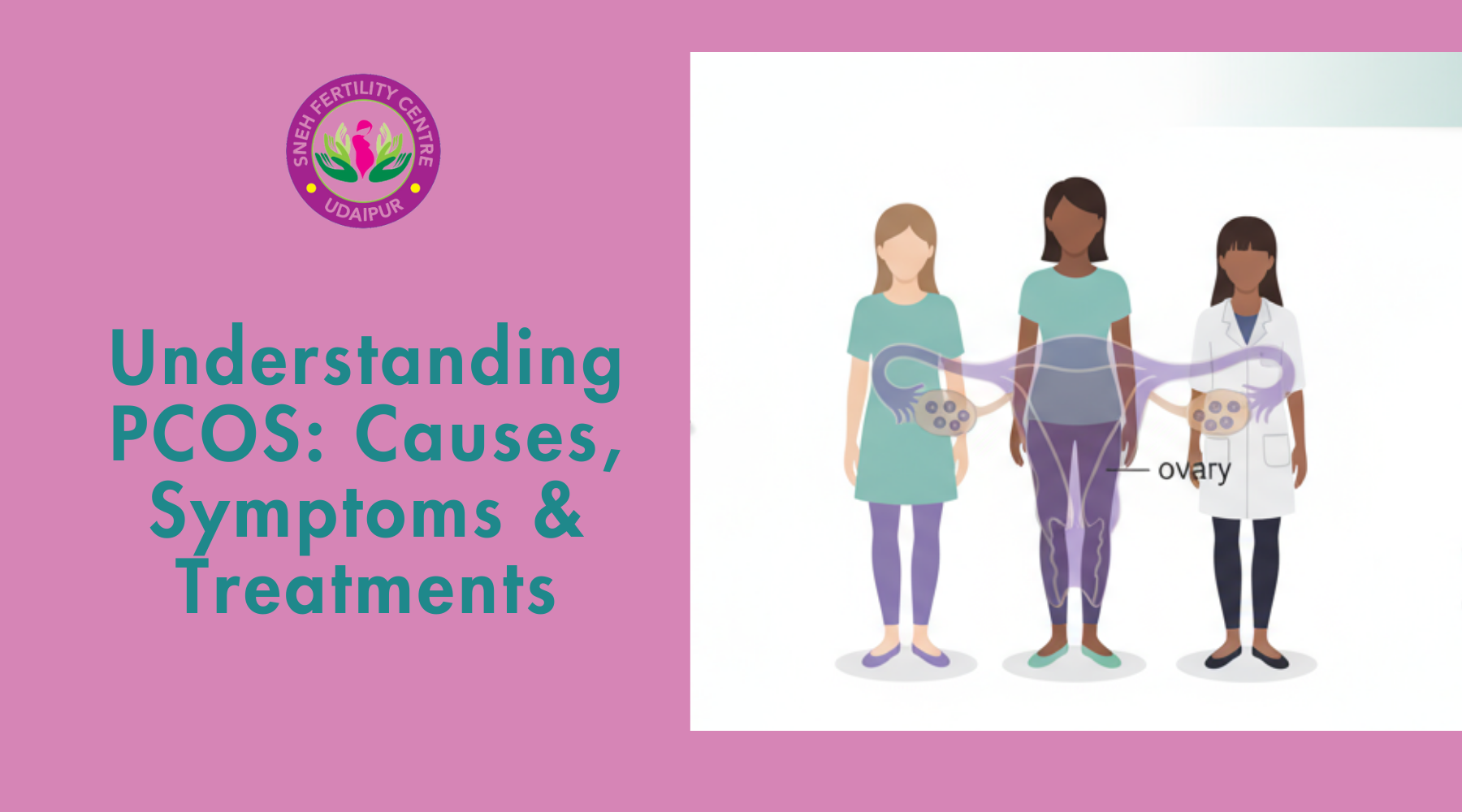
Polycystic Ovary Syndrome (PCOS) in your 30s often manifests as a complex interplay of irregular cycles, adult acne, and metabolic shifts like insulin resistance. Effective management requires a personalized approach combining lifestyle modifications—such as low-glycemic nutrition—with clinical interventions like Metformin or hormonal therapy to regulate ovulation and protect long-term cardiovascular and metabolic health.
Managing PCOS at age 30 presents a unique set of challenges compared to the teenage or early-adult years. By this decade, the focus often shifts from simply managing skin breakouts to addressing fertility concerns, metabolic slowing, and the prevention of chronic conditions such as Type 2 diabetes. As of 2026, the medical community increasingly views PCOS not just as a reproductive disorder, but as a systemic endocrine and metabolic condition that requires lifelong vigilance. Understanding how symptoms evolve during this life stage is the first step toward finding a sustainable solution.
Medical Disclaimer: This article is for informational purposes only and does not constitute medical advice. Always consult with a healthcare professional or endocrinologist before starting new treatments or supplements.
The Evolution of PCOS Symptoms in Your 30s
For many women, the symptoms of PCOS do not disappear with age; instead, they transform. In your 20s, the primary complaints might have been irregular periods and oily skin. By age 30, the clinical picture often becomes more focused on metabolic health. This is largely due to the natural slowing of the metabolism and the cumulative effects of insulin resistance, a core driver for approximately 70-80% of PCOS cases.
One of the most distressing symptoms for women in their 30s is androgenic alopecia, or female-pattern hair thinning. While hirsutism (excess facial or body hair) remains common, the thinning of hair at the crown can become more pronounced as androgen levels remain chronically elevated. Additionally, many women experience "weight loss resistance." Despite maintaining the same diet and exercise routines they used in their 20s, the hormonal environment of PCOS—specifically high insulin and cortisol—makes it significantly harder to maintain a stable weight.
Skin issues also change. While teenage acne is often inflammatory and localized to the T-zone, PCOS-related adult acne in your 30s typically appears along the jawline and neck. These deep, cystic breakouts are a direct result of hormonal fluctuations and are often resistant to standard over-the-counter topical treatments. Recognizing these shifts is essential for transitioning from "reactive" treatments to a "proactive" management strategy.
Diagnostic Criteria and Clinical Evaluation
In 2026, the gold standard for diagnosing PCOS remains the Rotterdam Criteria. To be diagnosed, a woman must meet at least two of the following three markers: irregular or absent periods (oligo-ovulation), clinical or biochemical signs of high androgens (such as hirsutism or elevated testosterone in blood work), and polycystic ovaries visible via ultrasound.
However, for a 30-year-old, the diagnostic process should go deeper than these three markers. Because the risk of metabolic syndrome increases with age, comprehensive blood panels are necessary. These include:
- Fasting Insulin and Glucose: To calculate the HOMA-IR (Homeostatic Model Assessment for Insulin Resistance). Even if fasting glucose is "normal," high fasting insulin can indicate early-stage metabolic dysfunction.
- Lipid Profile: Women with PCOS are at a higher risk for elevated LDL cholesterol and low HDL, which are precursors to cardiovascular disease.
- Vitamin D and B12 Levels: Deficiencies in these vitamins are common in the PCOS population and can exacerbate fatigue and insulin resistance.
- Anti-Müllerian Hormone (AMH): Often elevated in women with PCOS, this marker can provide insight into ovarian reserve, which is particularly relevant for those considering pregnancy in their 30s.
According to the Endocrine Society, early screening for these comorbidities in the third decade of life is crucial for preventing the progression of the syndrome into more severe metabolic conditions.
Clinical Treatments and Pharmaceutical Solutions
Pharmaceutical interventions for PCOS at age 30 are typically categorized by the patient's primary goal: cycle regulation, androgen reduction, or fertility.
Insulin Sensitizers Metformin remains the primary first-line treatment for managing the metabolic aspects of PCOS. By improving the body's sensitivity to insulin, Metformin helps lower circulating insulin levels, which in turn can reduce androgen production in the ovaries. This often leads to more regular ovulation and easier weight management. Some newer GLP-1 receptor agonists are also being utilized off-label in 2026 for PCOS patients with severe insulin resistance and obesity, though these require strict medical supervision.
Anti-Androgens For those struggling with hair loss or hirsutism, Spironolactone is a common choice. It works by blocking the effects of androgens at the receptor level. However, because it can cause birth defects, it is almost always prescribed alongside oral contraceptives for women of childbearing age.
Hormonal Contraceptives Birth control pills remain a staple for regulating the menstrual cycle and protecting the uterine lining (endometrium). Chronic irregular periods increase the risk of endometrial hyperplasia or cancer because the lining is not shed regularly. Modern low-dose formulations are often preferred to minimize side effects like mood swings or bloating.
Nutritional and Lifestyle Foundations
While medication can manage symptoms, lifestyle changes are often considered the "solution" for the underlying drivers of PCOS. The goal is to reduce chronic inflammation and stabilize blood sugar.
The Low-Glycemic Load Diet In your 30s, the body's ability to handle rapid glucose spikes diminishes. A low-glycemic (Low-GI) diet focuses on whole foods that digest slowly. This includes leafy greens, berries, legumes, and lean proteins. Replacing refined carbohydrates (white bread, sugary cereals) with complex fibers helps prevent the insulin spikes that trigger androgen production.
Strength Training vs. High-Intensity Cardio A common mistake for 30-year-olds with PCOS is over-performing high-intensity interval training (HIIT). While HIIT is effective for some, for many with PCOS, it can excessively raise cortisol levels, which further drives insulin resistance. In 2026, the consensus has shifted toward prioritizing progressive strength training. Building lean muscle mass increases the "metabolic sink" for glucose, meaning your body becomes more efficient at processing sugar even at rest.
The Role of Inositol Myo-inositol and D-chiro-inositol (often in a 40:1 ratio) have gained significant clinical backing as a first-line supplement. Research published in the Journal of Ovarian Research indicates that inositol can be as effective as Metformin for some women in improving insulin sensitivity and restoring ovulation, often with fewer gastrointestinal side effects.
Navigating Fertility in Your 30s with PCOS
For many women, the age of 30 marks a period of increased focus on reproductive health. PCOS is one of the leading causes of female infertility, but it is also one of the most treatable. The primary hurdle is "anovulation," where the body does not regularly release an egg.
The first step in fertility treatment is often lifestyle optimization, as losing even 5-10% of body weight can sometimes restore spontaneous ovulation. If lifestyle changes aren't enough, oral medications like Letrozole or Clomiphene Citrate (Clomid) are used to induce ovulation. Letrozole has become the preferred choice in recent years as studies show it often results in higher live-birth rates in women with PCOS compared to Clomid.
For women who do not respond to oral induction, "ovarian drilling" (a laparoscopic procedure) or In Vitro Fertilization (IVF) are secondary options. It is important to note that women with PCOS often have a high "egg count" (high AMH), which can be an advantage during IVF, though it requires careful monitoring to avoid Ovarian Hyperstimulation Syndrome (OHSS).
Comparison of Common PCOS Management Strategies
| Treatment Type | Primary Goal | Key Mechanism | Common Side Effects |
|---|---|---|---|
| Metformin | Insulin Sensitivity | Reduces hepatic glucose production | Nausea, diarrhea, B12 deficiency |
| Spironolactone | Hair/Skin Issues | Blocks androgen receptors | Frequent urination, dizziness |
| Inositol (Supp) | Metabolic/Fertility | Improves insulin signaling | Mild bloating (rare) |
| Oral Contraceptives | Cycle Regulation | Suppresses ovarian androgen production | Mood changes, breast tenderness |
| Strength Training | Long-term Metabolic | Increases glucose uptake in muscle | Muscle soreness |
| Letrozole | Fertility | Induces ovulation | Hot flashes, fatigue |
Frequently Asked Questions
Can PCOS symptoms suddenly appear at age 30?
While PCOS is a congenital hormonal blueprint, symptoms can lie dormant or be masked by hormonal birth control for years. It is common for women to "discover" they have PCOS in their 30s after stopping the pill to conceive, or as age-related metabolic changes make previously mild symptoms more severe.
Is weight loss the only way to manage PCOS in your 30s?
No. While weight management helps, focusing solely on the scale can be counterproductive. "Lean PCOS" affects many women who are at a healthy weight but still struggle with insulin resistance and high androgens. The focus should be on metabolic health—improving insulin sensitivity and reducing inflammation—rather than just calorie restriction.
Does PCOS cause early menopause?
Actually, some research suggests the opposite. Because women with PCOS often have a higher-than-average ovarian reserve (as evidenced by high AMH levels), they may reach menopause slightly later than women without the condition. However, the hormonal transition can still be symptomatic.
How does stress affect PCOS at this age?
Stress is a major trigger. The adrenal glands produce about 20-30% of a woman's androgens. Chronic stress increases cortisol, which directly worsens insulin resistance and can lead to "adrenal-driven" PCOS flares, resulting in more belly fat and increased anxiety.
Which supplements are best for PCOS hair thinning?
Beyond Inositol, many practitioners recommend Zinc, Saw Palmetto, and Omega-3 fatty acids. Zinc acts as a natural 5-alpha reductase inhibitor, which can help prevent testosterone from converting into DHT, the hormone responsible for shrinking hair follicles.
Next Steps for Sustainable Management
If you are 30 and managing PCOS, the most important action you can take is to move toward a "long-game" mindset. Start by requesting a full metabolic panel from your doctor, including fasting insulin and a full lipid profile. Use these numbers as a baseline rather than just relying on how you feel or what you weigh.
Transition your movement routine toward resistance training at least three days a week to support your metabolism. Simultaneously, evaluate your stress levels and sleep hygiene; high cortisol is the hidden enemy of PCOS management. By addressing the root causes—insulin resistance, inflammation, and androgen excess—you can mitigate the symptoms and significantly reduce the risk of long-term health complications.