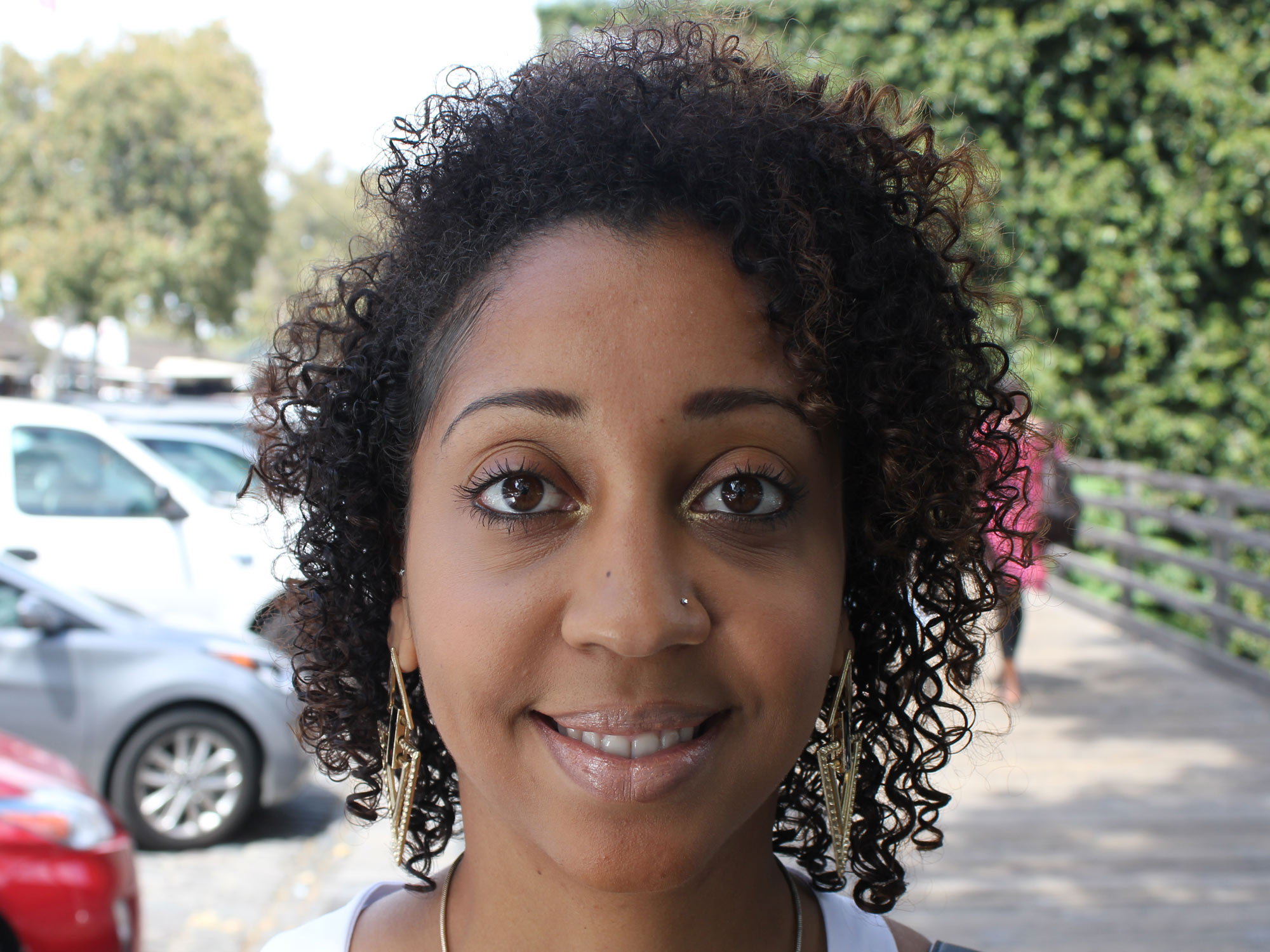
Entering your 30s marks a strategic shift from the exploratory nature of your 20s to a period of intentional consolidation and long-term planning. In 2026, success for 30-year-olds involves securing financial foundations through aggressive compound interest strategies, prioritizing preventative health metrics, and making deliberate career pivots that prioritize sustainable growth and leadership roles.
Financial Strategy: Shifting from Income to Wealth Accumulation
For many 30-year-olds, the third decade of life is the most critical window for wealth building. By this stage, the focus typically shifts from simply earning a paycheck to optimizing the "velocity" of money. In the economic landscape of 2026, inflation-adjusted planning and tax-advantaged investing are no longer optional for those seeking early retirement or mid-life flexibility.
A primary benchmark often cited by financial institutions like Fidelity is having the equivalent of one year’s annual salary saved for retirement by age 30. If you are behind this metric, your 30s are the decade to bridge the gap. This is achieved through "automated discipline"—setting up direct contributions to 401(k)s, IRAs, or brokerage accounts before the money ever hits your checking account.
Furthermore, 30-year-olds must navigate "lifestyle creep." As salaries rise, there is a natural tendency to increase spending on housing, vehicles, and travel. Resisting this and maintaining a 20s-style spending baseline while earning 30s-level income creates a "wealth gap" that can be funneled into assets. In 2026, with the proliferation of fractional real estate and diversified ETFs, entry barriers are lower, but the requirement for consistency remains high.
Career Optimization: Transitioning from Hustle to Impact
In your 20s, the goal was often to say "yes" to every opportunity to build a resume. In your 30s, the strategy should shift toward saying "no" to low-value tasks and focusing on high-leverage activities. This is the decade where most professionals transition from being "individual contributors" to managers, directors, or specialized experts.
The 2026 labor market values "cognitive agility"—the ability to integrate AI tools into professional workflows while maintaining the emotional intelligence (EQ) that machines cannot replicate. For a 30-year-old, this means:
- Specialization: Narrowing your focus to a niche where you can become a top 10% performer.
- Networking for Depth: Moving away from large, superficial networking events toward deep, reciprocal relationships with mentors and peers.
- The Pivot: If you are in a declining industry, your early 30s are the ideal time for a "calculated pivot." You have enough experience to be dangerous but enough time left in your career to see a new trajectory through to its peak.
According to data from the U.S. Bureau of Labor Statistics, mid-career professionals who engage in continuous upskilling see significantly higher wage growth than those who rely solely on their initial degree or early-career training.
Health and Biological Shifts: The Importance of Preventative Maintenance
Physiologically, the 30s represent a subtle but definite turning point. While you may still feel "young," the body’s recovery rate begins to slow, and metabolic efficiency can start to dip. In 2026, the focus in health circles has shifted from "weight loss" to "longevity and healthspan."
One of the most significant changes for 30-year-olds is the beginning of gradual muscle mass loss (sarcopenia) if resistance training is not prioritized. For both men and women, maintaining lean muscle is essential for metabolic health and bone density later in life. Additionally, this is the decade for "baseline testing." Establishing your healthy ranges for blood pressure, cholesterol, and HbA1c (blood sugar) allows you to catch trends before they become chronic conditions.
Mental health also takes center stage. The 30s are often the "stress peak" of life, as individuals balance career pressures with the needs of young children or aging parents. Resilience in your 30s is built through structured recovery: prioritizing 7–9 hours of sleep, practicing mindfulness to lower cortisol, and maintaining social connections that provide emotional support.
Relationship Dynamics and the Social "Thinning"
It is a common experience for 30-year-olds to notice their social circles shrinking. This "thinning" is usually not a sign of failure but a natural progression toward quality over quantity. As peers marry, move for jobs, or dive deep into parenting, the "bar scene" friendships of the 20s often fade, replaced by a smaller group of "life stage" friends.
For those in long-term partnerships, the 30s are often the "testing years." The initial excitement of a relationship is replaced by the logistical reality of managing a household and potentially a family. Communication becomes the primary survival skill. For single 30-year-olds, the landscape in 2026 has become more intentional; there is a greater emphasis on "value-alignment" over mere chemistry.
Additionally, many 30-year-olds find themselves entering the "Sandwich Generation" earlier than expected—supporting growing children while also beginning to assist aging parents with health or financial decisions. Navigating these boundaries requires a high level of emotional maturity and proactive financial planning (such as looking into long-term care insurance for parents).
Key Milestones and Benchmarks for the 30s Decade
The following table outlines the typical transitions and goals that define the 30s in the current 2026 landscape.
| Focus Area | The 20s Approach (Exploration) | The 30s Approach (Consolidation) | Key Benchmark by Age 35 |
|---|---|---|---|
| Finance | High risk, debt for education, low savings. | Risk management, debt elimination, 15-25% savings rate. | 2x annual salary in total retirement assets. |
| Career | Job-hopping for raises and experience. | Seeking leadership or deep technical expertise. | Mastery of a specific niche; strong professional reputation. |
| Health | Reacting to illness/injury; focus on aesthetics. | Preventative screenings; focus on mobility and strength. | Established routine of 150 min/week zone 2 cardio + strength. |
| Housing | Renting, roommates, high mobility. | Seeking stability; home ownership or intentional long-term leasing. | Housing costs capped at 30% of gross income. |
| Personal | Identity discovery and social experimentation. | Values-based living; boundary setting. | A "Core Four" of close, reliable social connections. |
Managing the "Quarter-Life" Aftermath and Mental Vitality
By 30, the "Quarter-Life Crisis" has usually passed, but it often leaves a lingering sense of urgency. There is a feeling that "the clock is ticking," whether regarding fertility, career ladders, or home ownership. In 2026, the psychological burden of comparison is amplified by curated social media feeds, leading to "status anxiety."
To combat this, 30-year-olds should practice "radical prioritization." This involves identifying the two or three areas of life that truly matter and allowing yourself to be "average" in the others. You cannot be a C-suite executive, a marathon runner, a gourmet chef, and a perfect parent all at once. Success in your 30s is defined by the ability to choose your sacrifices rather than having them chosen for you by circumstances.
Preventative Screenings and Checklists
As you navigate this decade, the following medical and logistical checkpoints are recommended by the Centers for Disease Control and Prevention (CDC) and professional financial planners:
- Annual Physical: To monitor blood pressure and basic metabolic panels.
- Dermatology Check: A baseline skin map to monitor moles and sun damage.
- Dental Hygiene: Preventing periodontal disease, which is linked to systemic inflammation.
- Estate Planning: Even if you don't have "wealth," having a will and a healthcare power of attorney is vital if you have dependents.
- Insurance Audit: Transitioning from basic health insurance to plans that may include disability or term life insurance.
FAQ: Common Questions About Being 30
How much should I have saved by age 30?
A general rule of thumb is to have one year's worth of your current salary saved in retirement accounts. However, this varies based on your cost of living and the age at which you started working. If you are behind, focus on increasing your savings rate by 1% every six months until you reach 15–20%.
Is it too late to change careers at 30?
Absolutely not. In the 2026 economy, many people will have three or four distinct careers. At 30, you likely have 35+ years of work left. A two-year investment in retraining is a small price for a 30-year payoff in a field you enjoy or that offers better stability.
What are the most important health tests for 30-year-olds?
Key tests include a full lipid panel (cholesterol), blood pressure monitoring, and HbA1c for diabetes screening. Women should remain current with Pap smears (typically every 3–5 years depending on the test type), and both genders should begin regular skin cancer screenings.
How do social relationships change in your 30s?
Socializing typically shifts from large group activities to smaller, more intimate gatherings. People in their 30s often value "shared values" and "shared life stages" more than "shared history." It is normal for friendships to require more scheduling and intentionality.
Should I prioritize paying off debt or investing in my 30s?
This depends on the interest rate. High-interest debt (above 7–8%), such as credit cards, should be the priority. Low-interest debt, like a 2020-era mortgage, can often be maintained while you prioritize investing in the stock market, which historically returns 7–10% annually.
Next Actions: Auditing Your Path
To ensure your 30s are a decade of progress rather than stagnation, perform a "Life Audit" across three pillars. First, review your Financial Net Worth; calculate your assets minus your liabilities and set a target for age 40. Second, schedule a Comprehensive Physical to establish your biological baselines. Finally, conduct a Career Gap Analysis; identify the skills you lack for the role you want in five years and sign up for a certification or mentorship program to bridge that gap. The intentionality you apply today will determine the quality of your life in the decades to follow.