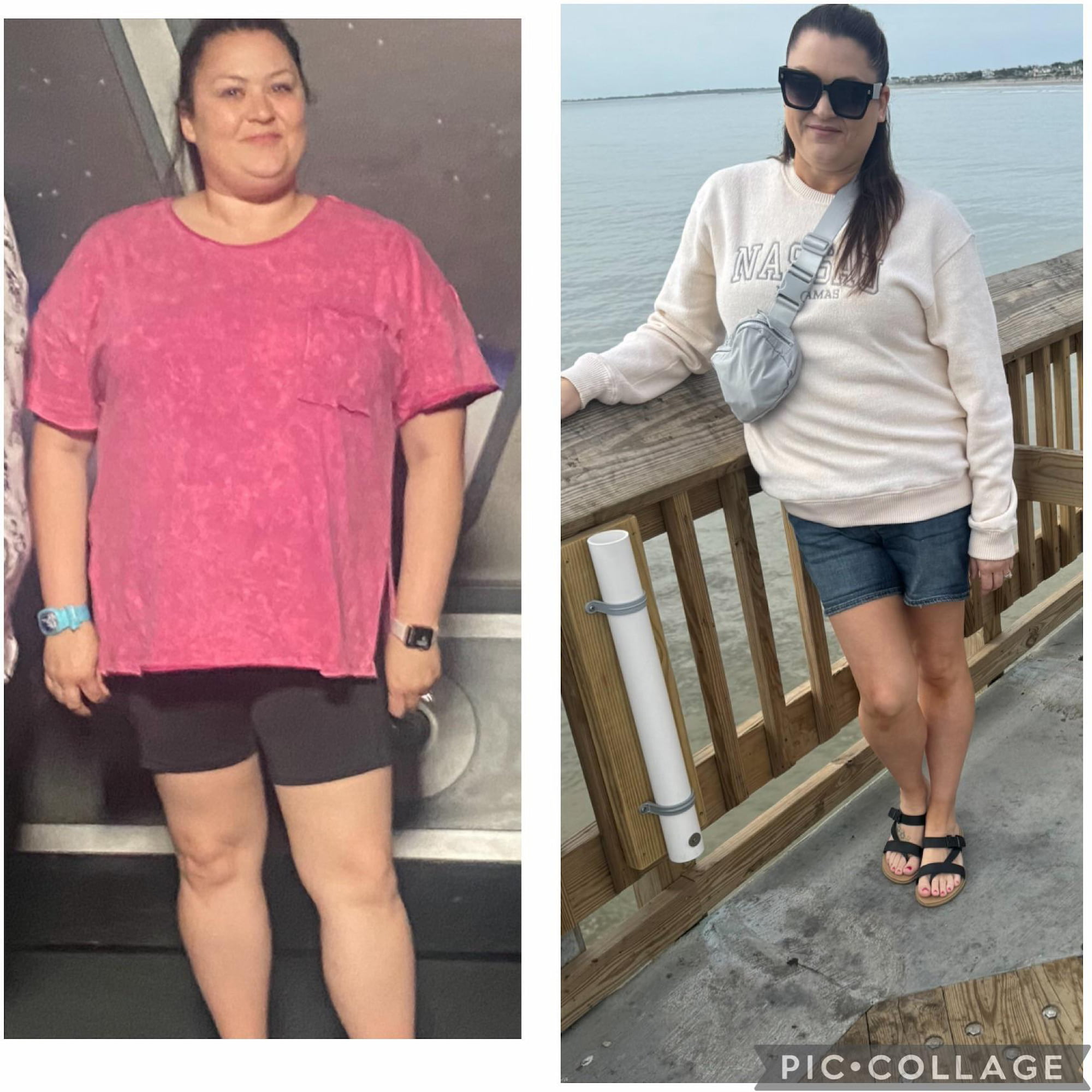
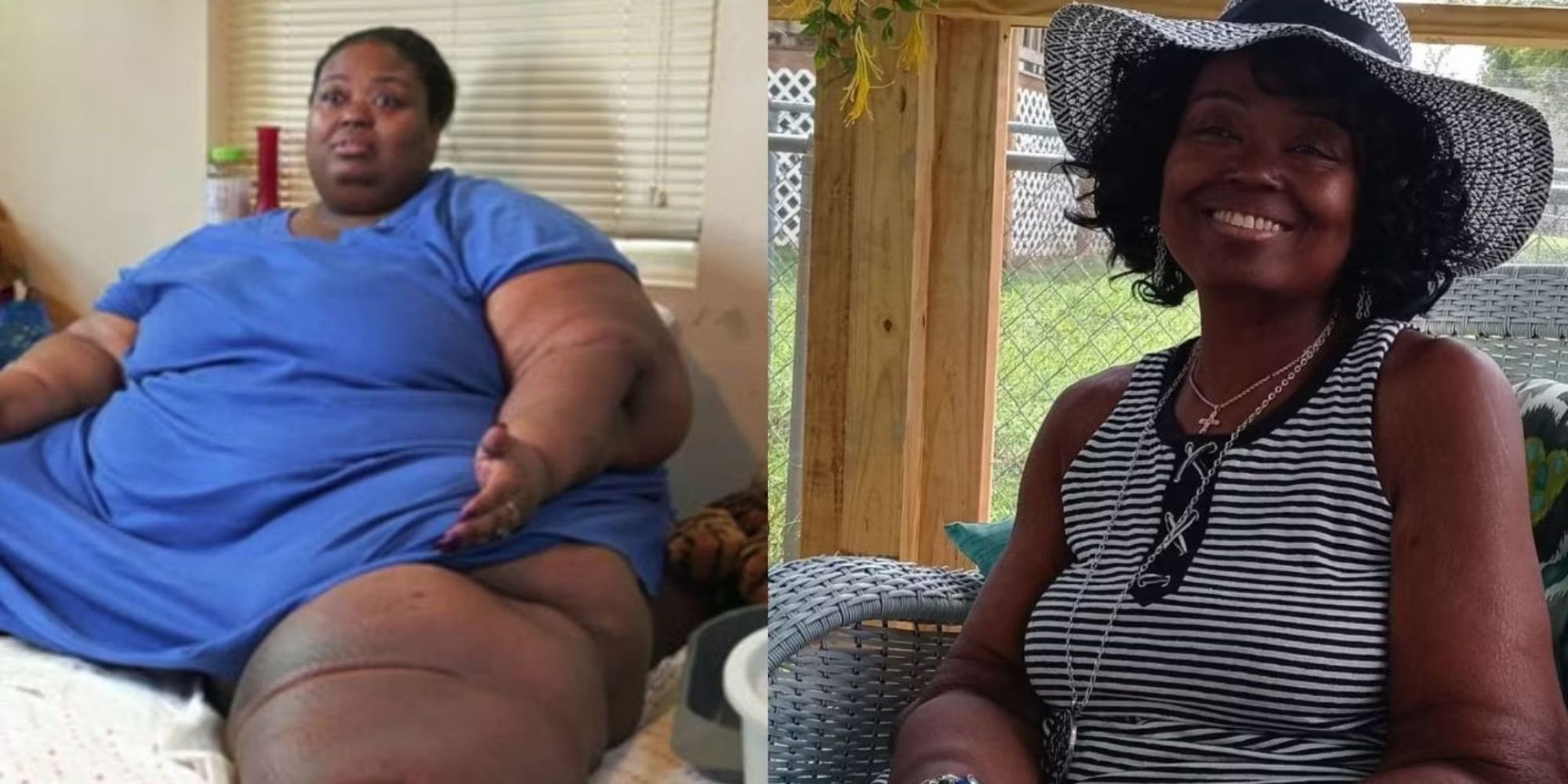
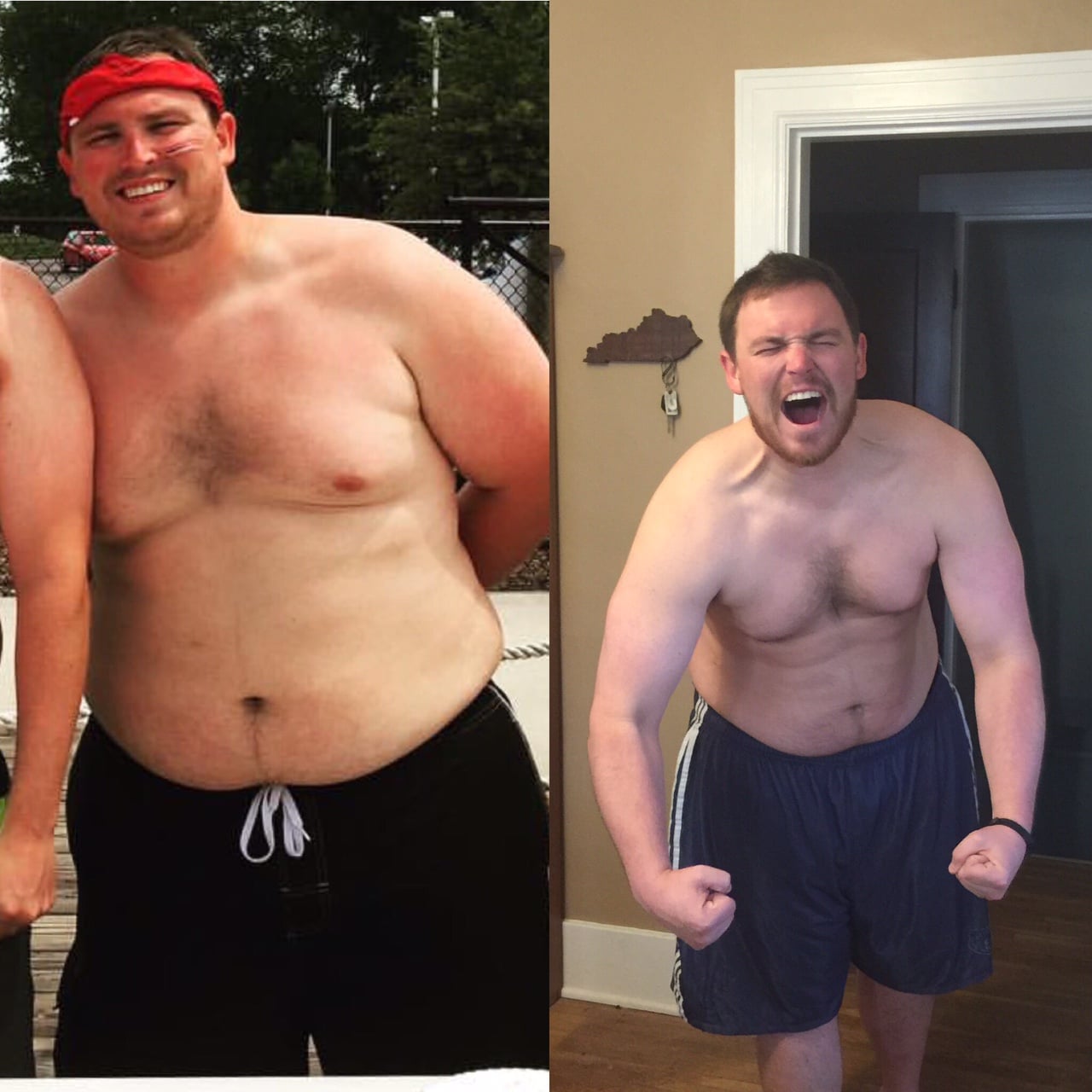
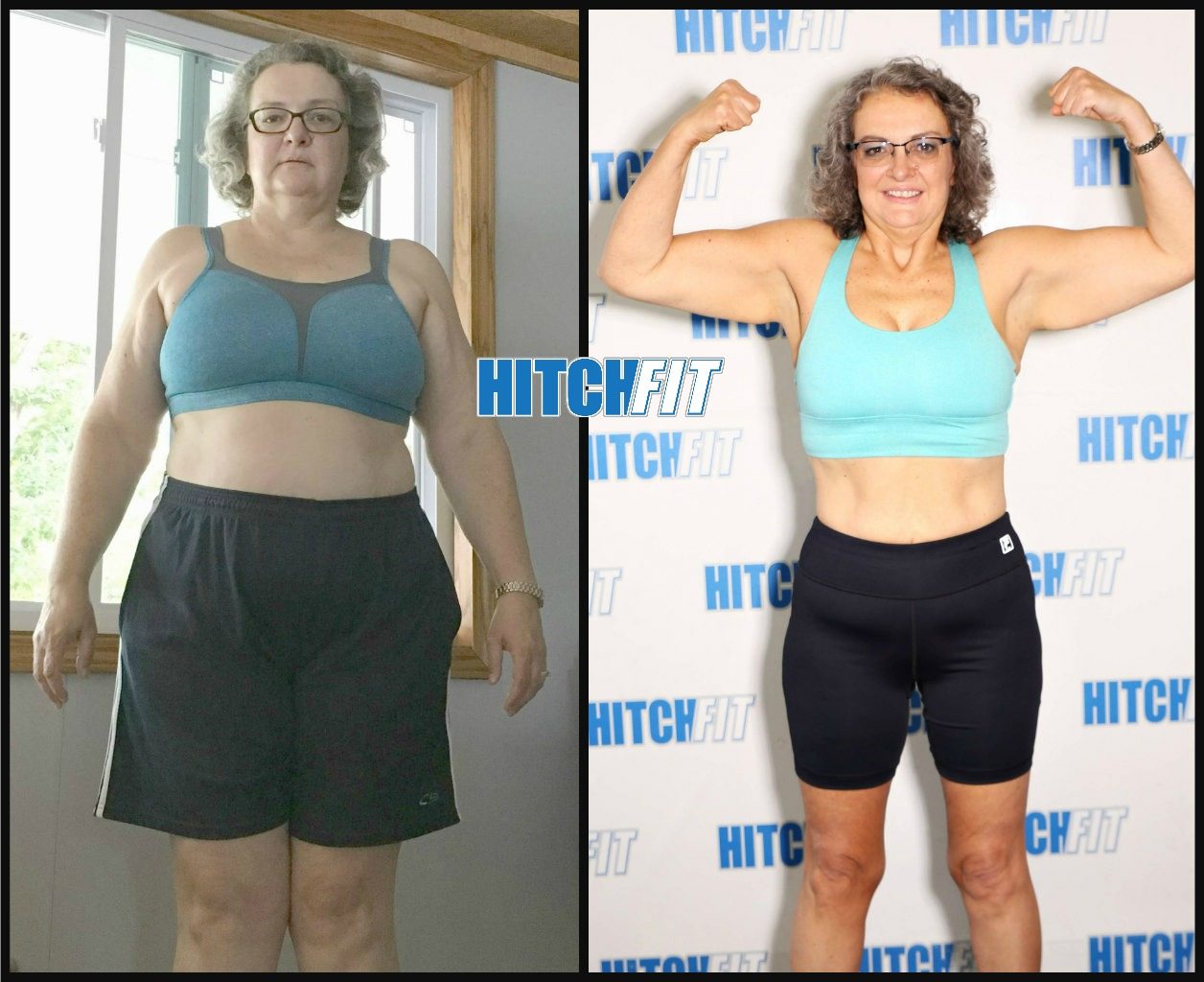
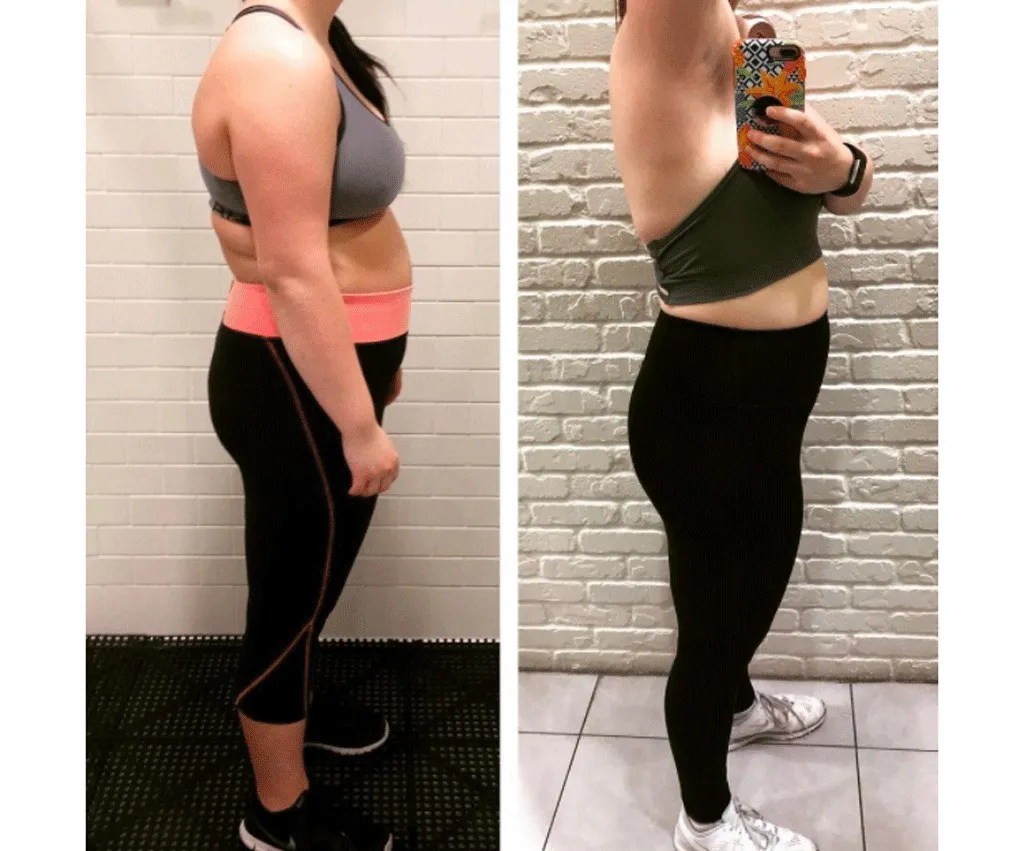
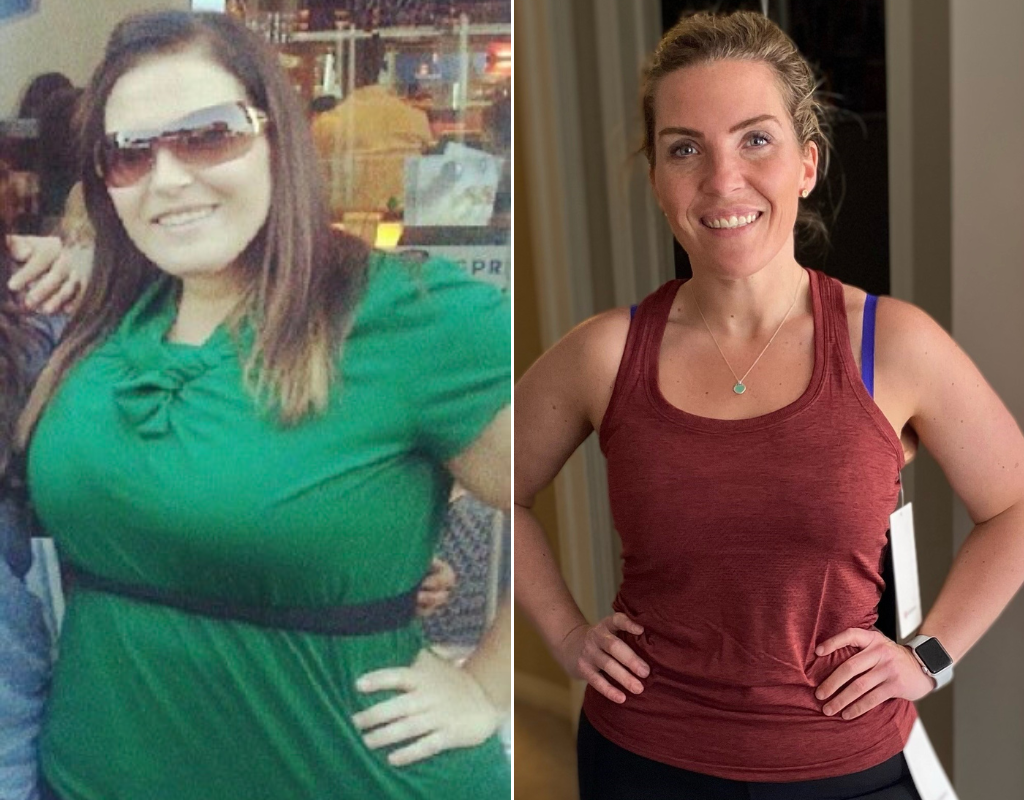
Losing 30 pounds is a significant physiological and psychological milestone that typically results in a noticeable reduction in body fat, improved metabolic markers, and a shift in clothing sizes. Real-life transformations show that achieving this goal generally requires a consistent caloric deficit, structured physical activity, and behavioral changes sustained over four to eight months.
Understanding the Physical Impact of a 30-Pound Weight Loss
A 30-pound weight loss is often described as a "mid-range" transformation. It is more than just "vanity weight" but usually less than the massive shifts seen in clinical obesity interventions. However, the impact on the human body is profound. According to clinical data from the National Institutes of Health (NIH), losing even 5% to 10% of total body weight can significantly improve cardiovascular health, reduce blood pressure, and lower the risk of Type 2 diabetes. For many adults, 30 pounds falls right within or exceeds this 10% threshold.
The physical visibility of this loss is often governed by the "paper towel effect." Imagine a roll of paper towels; when you remove the first few sheets, the roll looks roughly the same size. However, as the roll gets thinner, removing the same number of sheets makes a much larger impact on the diameter. Similarly, the first 10 pounds of a 30-pound journey might not be immediately obvious to casual observers, but the final 10 pounds often result in a dramatic change in facial structure, waist circumference, and muscle definition.
Internally, the reduction of visceral fat—the dangerous fat stored around internal organs—is the most critical change. Reducing this fat lowers systemic inflammation and improves insulin sensitivity. Patients often report "non-scale victories," such as reduced joint pain in the knees and lower back, improved sleep quality due to reduced airway obstruction, and significantly higher energy levels during daily activities.
Real-Life Transformation Archetypes: Paths to Success
While every individual journey is unique, real transformation stories from 2026 and preceding years generally fall into three successful archetypes. These stories highlight that there is no "one size fits all" approach, but rather a set of principles adapted to different lifestyles.
The "Steady State" Professional
This archetype focuses on the integration of movement into a sedentary lifestyle. Many people who lose 30 pounds successfully do so by focusing heavily on NEAT (Non-Exercise Activity Thermogenesis). A common story involves a person transitioning from 2,000 steps a day to a consistent 10,000 steps, paired with a moderate 500-calorie daily deficit. Over 30 to 40 weeks, this cumulative deficit results in a 30-pound loss without the need for extreme "crash" dieting. The "before" often features chronic fatigue and tight-fitting work attire, while the "after" showcases improved posture and a renewed ability to engage in weekend recreational activities.
The Strength-Focused Recomposition
This path is common among those who want to change their "body composition" rather than just the number on the scale. These individuals prioritize high protein intake and resistance training. While they lose 30 pounds of scale weight, they often lose even more in body fat while gaining lean muscle mass. Their "before and after" photos are the most striking because the addition of muscle makes the 30-pound loss look like 50. Their stories emphasize that the scale is only one metric; clothing fit and strength gains are equally important indicators of health.
The Metabolic Reset via Whole Foods
This archetype usually involves a shift away from ultra-processed foods toward a Mediterranean or "whole foods" approach. By focusing on volume-eating—consuming large quantities of low-calorie, high-fiber vegetables—these individuals manage hunger while maintaining a deficit. Their stories often highlight the clearing of "brain fog" and the stabilization of hunger hormones like ghrelin and leptin, which makes the 30-pound loss feel sustainable rather than a temporary struggle.
The Science of Losing 30 Pounds Sustainably
To lose one pound of fat, a person must create a cumulative deficit of approximately 3,500 calories. Therefore, losing 30 pounds requires a total deficit of 105,000 calories. While this sounds daunting, breaking it down into manageable timeframes makes it achievable.
As of 2026, the Centers for Disease Control and Prevention (CDC) continues to recommend a weight loss rate of 1 to 2 pounds per week. At this rate, a 30-pound transformation takes between 15 and 30 weeks. Faster weight loss often leads to muscle wasting and a significant drop in Basal Metabolic Rate (BMR), making weight regain more likely.
| Factor | Moderate Approach (1 lb/week) | Accelerated Approach (2 lbs/week) |
|---|---|---|
| Daily Caloric Deficit | 500 Calories | 1,000 Calories |
| Duration for 30 lbs | 30 Weeks (approx. 7 months) | 15 Weeks (approx. 3.5 months) |
| Muscle Preservation | High (especially with protein) | Moderate (requires heavy lifting) |
| Sustainability | Very High | Moderate |
| Typical Activity Level | Walking + 2 days lifting | Daily cardio + 3-4 days lifting |
Achieving the "after" state requires more than just eating less. The body naturally attempts to defend its highest weight through a process called adaptive thermogenesis. As you lose weight, your BMR drops because a smaller body requires less energy to function. To counteract this, successful "after" stories almost always include an increase in physical activity to keep the "calories out" side of the equation high.
Common Challenges and Psychological Barriers
The journey to losing 30 pounds is rarely a straight line. Most real transformation stories include "plateaus"—periods where the scale does not move for 2 to 4 weeks despite continued effort. These plateaus are often caused by water retention, hormonal fluctuations, or slight "calorie creep" where portions slowly increase over time.
Psychologically, the "middle" phase (around 15 pounds lost) is often the hardest. The initial excitement has worn off, and the final goal still feels distant. Real stories of success often cite the use of "habit stacking" and "non-food rewards" to stay motivated. Instead of focusing solely on the 30-pound mark, successful individuals celebrate milestones like "first 5k run" or "dropping one pant size."
Another significant hurdle is social pressure. Many people find that friends or family may inadvertently sabotage progress by encouraging "treats" or questioning the need for continued weight loss. Navigating these social dynamics is a critical component of the "before and after" transition, moving from a person who "is on a diet" to a person who "lives a healthy lifestyle."
Comparative Strategies: How Different Approaches Yield Results
There is no singular method to achieve a 30-pound loss, but comparing the most effective strategies helps in choosing the right path.
| Strategy | Primary Mechanism | Best For | Potential Downside |
|---|---|---|---|
| CICO (Calories In, Calories Out) | Strict tracking of all energy intake. | Data-driven individuals. | Can lead to obsessive tracking. |
| Intermittent Fasting | Limiting eating to a specific window. | Busy professionals; over-eaters. | Possible overeating in the window. |
| Low-Carb / Ketogenic | Reducing insulin response. | Rapid initial water loss; satiety. | Difficult to maintain socially. |
| High-Protein / Strength | Maximizing metabolic rate. | Body recomposition; athletes. | Slower scale movement (muscle gain). |
Regardless of the strategy, the "real" success stories are those where the individual found a method they actually enjoyed. If a person hates running, they are unlikely to reach the 30-pound "after" photo by using a running-based program. The most successful transformations are built on activities the person can see themselves doing three years from now, not just for three months.
Sustaining the Results: Moving to Weight Maintenance
The "after" photo is not the end of the journey; it is the beginning of a new phase. Research from the National Weight Control Registry suggests that those who successfully keep weight off for more than two years share specific habits: they weigh themselves regularly (to catch small gains early), they eat breakfast, and they maintain high levels of physical activity (averaging 60 minutes per day).
Transitioning from a weight-loss deficit to maintenance calories must be done gradually. This is often called "reverse dieting." By slowly adding 100 calories back to the daily intake each week, the individual can find their new "break-even" point without triggering rapid fat storage. This phase is crucial because the body's hunger hormones are often elevated following a 30-pound loss, and a controlled return to maintenance prevents the common "yo-yo" effect.
Frequently Asked Questions
How long does it realistically take to lose 30 pounds?
For most people, a healthy and sustainable timeframe is 4 to 6 months. While some may lose it faster through aggressive caloric restriction, a slower pace (0.5 to 1.5 pounds per week) is generally better for skin elasticity and muscle preservation. Rapid weight loss often results in a higher percentage of muscle loss rather than fat loss.
Will I have loose skin after losing 30 pounds?
At the 30-pound mark, most individuals with average skin elasticity do not experience significant loose skin. Factors such as age, genetics, and the speed of weight loss play a role. To minimize the risk, focus on staying hydrated, consuming adequate protein to support collagen production, and incorporating resistance training to fill out the skin with lean muscle.
Can I lose 30 pounds by just changing my diet without exercise?
Yes, it is possible to lose 30 pounds through diet alone because weight loss is primarily driven by a caloric deficit. However, exercise—specifically strength training—is highly recommended to ensure that the weight lost is body fat and not muscle tissue. Furthermore, exercise makes weight maintenance significantly easier in the long term.
What are the first signs that 30 pounds of weight loss is working?
Initial signs often include a reduction in bloating, better fitting clothes (especially around the waist), and improved energy levels. You may also notice your face appearing "slimmer" as subcutaneous fat is reduced. Improvements in resting heart rate and easier breathing during physical exertion are also common early indicators.
Is a 30-pound weight loss enough to change my clothing size?
Generally, losing 30 pounds results in a drop of 2 to 3 clothing sizes. This varies depending on your starting weight and height. Shorter individuals may see a more dramatic change in clothing size compared to very tall individuals, due to how the weight is distributed over the frame.
Practical Recommendations for Your Transformation
If you are starting your journey toward a 30-pound weight loss, begin by establishing your baseline. Use a TDEE (Total Daily Energy Expenditure) calculator to determine how many calories your body burns at its current weight. Aim for a modest 500-calorie daily reduction to start.
Focus on "adding" before "subtracting." Instead of immediately cutting out all your favorite foods, focus on adding 30 grams of protein to every meal and doubling your vegetable intake. These additions naturally crowd out higher-calorie, less-filling foods. Simultaneously, find a form of movement that feels like a "win" rather than a "chore." Whether it is heavy lifting, swimming, or brisk walking, consistency is the primary driver of the "after" story you are seeking.