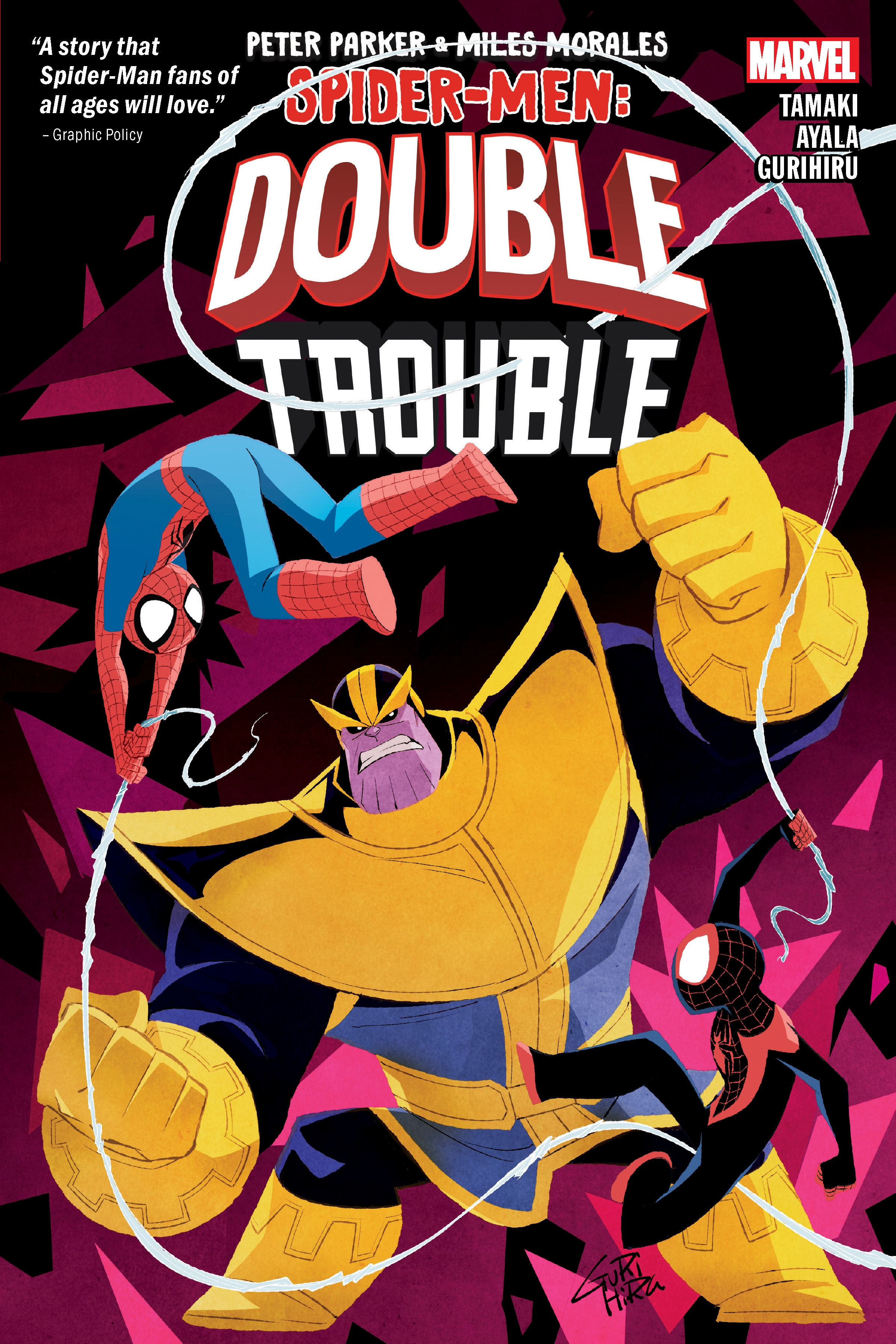
While Peter Parker remains the original and most recognized Spider-Man, the title is now shared primarily by Miles Morales and various multiversal figures like Miguel O’Hara. These characters represent different eras and realities, each bringing unique powers—such as Miles' bio-electricity—to the iconic mantle of the Web-Slinger.
The concept of Spider-Man has evolved far beyond a single secret identity. Since his debut in 1962, the character has transformed from a solo teenage hero into a sprawling "Spider-Verse" of diverse individuals. Understanding the three most prominent names—Peter Parker, Miles Morales, and Miguel O’Hara—is essential for any fan navigating the current landscape of Marvel comics, films, and video games in 2026. This guide breaks down their origins, their unique contributions to the mythos, and the other notable figures who have claimed the name.
The Foundation of the Web: Peter Benjamin Parker
Peter Parker is the quintessential Spider-Man, first appearing in Amazing Fantasy #15 (1962). Created by Stan Lee and Steve Ditko, Peter was a revolutionary character in the Silver Age of comics because he was a teenage protagonist who wasn't a sidekick. His story—a brilliant but socially isolated orphan from Queens who gains arachnid-like abilities—established the core themes of the franchise: responsibility, sacrifice, and the "Parker Luck."
Peter’s longevity as a character stems from his relatability. Unlike many of his contemporaries, Peter’s struggles were grounded in everyday reality. He worried about paying rent, caring for his Aunt May, and balancing his personal life with his duties as a hero. His primary powers include superhuman strength, agility, the ability to cling to surfaces, and the precognitive "Spider-Sense." However, his greatest asset is often his scientific mind, which allowed him to invent his signature web-fluid and mechanical web-shooters.
As of 2026, Peter Parker’s role has shifted in many media iterations toward that of a mentor. In the Insomniac Games series and recent comic runs, he is often seen guiding younger heroes, specifically Miles Morales. Despite the influx of new Spider-people, Peter remains the "Earth-616" (the primary Marvel Universe) anchor, serving as the benchmark against which all other versions are measured.
The Modern Evolution: Miles Morales
Miles Morales is arguably the most successful legacy character in comic book history. Created by writer Brian Michael Bendis and artist Sara Pichelli, Miles first appeared in Ultimate Fallout #4 (2011) following the death of the Peter Parker of the "Ultimate Universe" (Earth-1610). Miles, a teenager of Black and Puerto Rican descent, provided a fresh perspective on the Spider-Man mantle, reflecting a more modern and diverse world.
Miles' origin story parallels Peter’s but diverges in significant ways. He was bitten by a genetically enhanced spider created by Oscorp, but his powers include abilities Peter never possessed. Miles can turn nearly invisible (active camouflage) and can deliver a "Venom Blast," a powerful bio-electric strike that can incapacitate foes or short-circuit electronics. These powers often make Miles more versatile in combat, though he initially lacked Peter’s years of experience and refined Spider-Sense.
The transition of Miles from a replacement character in an alternate universe to a mainstream icon was solidified by the Spider-Verse animated film trilogy and his co-starring roles in blockbuster video games. By 2026, Miles is no longer viewed as a "temporary" Spider-Man; he is a permanent fixture of the Marvel landscape, often operating alongside Peter in New York City, proving that the identity of Spider-Man is defined by character and conviction rather than a specific lineage.
The Futuristic Guardian: Miguel O’Hara (Spider-Man 2099)
The third major name often associated with the mantle is Miguel O’Hara, the Spider-Man of the year 2099. Unlike Peter and Miles, Miguel did not gain his powers through a random accident involving a spider. He was a brilliant geneticist for the mega-corporation Alchemax who attempted to purge an addictive drug from his system using a genetic procedure. A jealous colleague sabotaged the experiment, splicing Miguel's DNA with that of a spider.
Miguel’s version of Spider-Man is darker and more technologically advanced, fitting the cyberpunk aesthetic of his era. He possesses organic webbing, retractable talons on his fingers and toes, and enhanced vision that allows him to see in the dark or at great distances. One of his most distinct traits is the lack of a traditional "Spider-Sense"; instead, he relies on hyper-sensitive hearing and sight to anticipate threats.
Miguel O'Hara gained massive mainstream popularity following his role in the Spider-Verse films, where he was depicted as the leader of the Spider-Society. His inclusion in the "top three" names is earned through his longevity—having been a fan favorite since his debut in 1992—and his role as a multiversal protector who often clashes with Peter and Miles over how to best "save" the timeline.
Notable Variations: Clones, Scientists, and Multiversal Heroes
Beyond the primary trio, several other characters have officially held the name Spider-Man or served as primary variations of the hero. These characters often emerge during specific storylines where Peter Parker is incapacitated or when the narrative explores the "Spider-Verse."
- Ben Reilly (The Scarlet Spider): Ben is a clone of Peter Parker created by the Jackal. He famously took over the mantle of Spider-Man during the 1990s "Clone Saga." While he struggled with his identity as a clone, Ben proved himself a hero in his own right, introducing the "impact webbing" and a distinct blue hoodie costume that remains a fan-favorite design.
- Otto Octavius (The Superior Spider-Man): In one of the most controversial and acclaimed storylines in Marvel history, Doctor Octopus swapped bodies with Peter Parker. Otto sought to prove he could be a "Superior" Spider-Man by using ruthless efficiency, advanced drone technology, and a more aggressive approach to crime-fighting. This era redefined what the name meant by showing that being Spider-Man requires more than just intelligence and power—it requires Peter Parker's specific moral compass.
- Gwen Stacy (Ghost-Spider): While often called "Spider-Gwen," in her own universe (Earth-65), she is simply Spider-Woman. However, she is frequently grouped with the primary Spider-Man names due to her central role in modern Spider-Verse media. Her story flips the script, where Gwen is bitten by the spider and Peter Parker is the one who tragically perishes.
Comparing the Identities of the Spider-Verse
To understand the differences between these heroes, it is helpful to look at their power sets, origins, and the specific niches they fill within the Marvel Multiverse.
| Name | Secret Identity | Primary Universe | Unique Power/Trait | Key Motivation |
|---|---|---|---|---|
| Spider-Man | Peter Parker | Earth-616 | Pre-eminent Spider-Sense | Responsibility/Guilt |
| Spider-Man | Miles Morales | Earth-1610/616 | Bio-Electric Venom Blast | Community/Legacy |
| Spider-Man 2099 | Miguel O'Hara | Earth-928 | Organic Webs & Talons | Justice/Anti-Corp |
| Scarlet Spider | Ben Reilly | Earth-616 (Clone) | Impact Webbing | Identity/Redemption |
| Superior Spider-Man | Otto Octavius | Earth-616 (Body Swap) | Tactical Drones/Tech | Ego/Superiority |
Why the Identity of Spider-Man Continues to Expand
The reason "Spider-Man" as a name covers so many different people is rooted in the character's core philosophy. From the beginning, Spider-Man was designed to be a hero hidden behind a full-body mask. This design choice was intentional; Stan Lee often noted that anyone, regardless of their race or background, could imagine themselves under that mask.
In 2026, the expansion of the Spider-Man name reflects the changing demographics of the global audience. By having Miles Morales, a young man of color, and Miguel O'Hara, a hero of Irish and Mexican descent, Marvel has ensured that the "Spider-Man" brand remains relevant. Furthermore, the narrative device of the "Spider-Verse" allows writers to explore "What If" scenarios without erasing the history of Peter Parker. This "multiversal" approach ensures that Peter remains the gold standard while allowing new names to flourish and carry the burden of the mask for new generations.
FAQ
Who is the "main" Spider-Man in 2026?
Peter Parker remains the primary Spider-Man of the main Marvel Comics continuity (Earth-616). However, in most current media, including films and games, he shares the "main" status equally with Miles Morales. Both are considered the definitive Spider-Men of their respective generations.
Are Miles Morales and Peter Parker related?
No, they are not biologically related. They share a mentor-student relationship that has evolved into a partnership of equals. In the comics, Miles originated from an alternate universe (Earth-1610) but was eventually integrated into Peter's home universe (Earth-616) following the events of Secret Wars.
What is the difference between Spider-Man 2099 and the original?
Miguel O’Hara (2099) lives in a futuristic, dystopian New York. His powers are more biological (fangs, talons, and organic webs) compared to Peter's mechanical webs and "Spider-Sense." Miguel is also generally more cynical and aggressive than the optimistic Peter Parker.
Can there be two Spider-Men at the same time?
Yes. In the current Marvel landscape, both Peter Parker and Miles Morales operate simultaneously as "Spider-Man." They often coordinate their efforts to protect New York City, and both are recognized by the public and the Avengers as legitimate holders of the title.
Who is the strongest Spider-Man?
Strength levels vary, but Peter Parker is generally considered to have the highest raw physical strength and the most reliable Spider-Sense. However, Miles Morales is often viewed as more dangerous in a fight due to his "Venom Blast" and invisibility, which provide tactical advantages Peter lacks.
How to Follow the Different Spider-Man Timelines
For readers or viewers looking to keep track of these various names and identities, the best approach is to categorize them by medium. If you are interested in the original lore, the Amazing Spider-Man comic line remains the home of Peter Parker. For those who prefer modern, high-stakes multiversal storytelling, the Spider-Verse animated films are the definitive source for Miles Morales and Miguel O'Hara.
If you are a gamer, the Marvel’s Spider-Man franchise by Insomniac Games provides the most cohesive narrative involving both Peter and Miles working in tandem. By 2026, these games have become the benchmark for how to balance multiple heroes under one name without diminishing the importance of the original creator's vision. To stay updated, follow official Marvel announcements and the latest releases from Sony Pictures for cinematic developments.