As of 2026, Ice Cube has earned significantly more than the late Tupac Shakur (2pac), with an estimated net worth of approximately $160 million to $180 million. While Tupac remains one of the highest-earning deceased celebrities, with an estate valued near $40 million, Ice Cube’s four-decade career in music, film production, and sports ownership has generated superior long-term wealth.
The comparison between Tupac Shakur and Ice Cube is not merely a debate over record sales or lyrical prowess; it is a study in two different eras of the music business and two distinct paths to financial legacy. Tupac’s career was a meteoric, five-year burst of productivity that ended tragically in 1996, leaving his estate to navigate complex debt and legal battles. In contrast, Ice Cube’s trajectory represents the "mogul blueprint," transitioning from a revolutionary emcee to a Hollywood power player and a professional sports league owner.
The Financial Reality of Tupac Shakur’s Career
To understand Tupac’s net worth, one must look past the 75 million records sold and examine the specific financial constraints of his era. At the time of his passing in September 1996, Tupac’s technical net worth was surprisingly low—some reports even suggested he was in debt to Death Row Records.
Tupac’s primary financial engine during his peak years was his contract with Suge Knight. When Knight posted the $1.4 million bail to release Tupac from prison in 1995, it was structured as an advance against future earnings. This meant that despite the massive success of All Eyez on Me, much of the initial revenue went toward recouping that bail, as well as the lavish lifestyle expenses, music videos, and studio time funded by the label.
The Posthumous Growth of the Shakur Estate
The true accumulation of wealth for the "2pac" brand occurred after 1996. Under the initial management of his mother, Afeni Shakur, the estate filed numerous lawsuits to reclaim unreleased master recordings and unpaid royalties. By 2026, these efforts have solidified a massive financial foundation.
- Posthumous Albums: Releases like The Don Killuminati: The 7 Day Theory, R U Still Down?, and Until the End of Time sold millions of copies, often outperforming living artists.
- Licensing and Merchandising: Tupac’s image remains one of the most licensed in hip-hop history. From clothing lines to the famous Coachella hologram in 2012, his likeness continues to generate seven-figure annual revenue.
- Media Rights: The 2017 biopic All Eyez on Me grossed over $55 million at the box office, and various documentaries have provided steady streams of licensing fees to the estate.
Despite this continued income, the estate’s valuation—estimated between $40 million and $50 million—is capped by the fact that the artist is no longer present to create new intellectual property or engage in modern revenue streams like live touring or brand ambassadorships.
Ice Cube’s Path to Mogul Status
Ice Cube (O'Shea Jackson) provides the perfect counter-narrative to the "starving artist" trope. His financial success is rooted in diversification. While he began as a core member of N.W.A, he quickly realized that the real wealth in entertainment lies in ownership and production.
The Film Industry Pivot: Cube Vision
The most significant contributor to Ice Cube’s $160 million+ net worth is his production company, Cube Vision. Founded in the late 1990s, this move allowed him to transition from a "hired gun" actor to a producer who owns a piece of the "back end" (profits).
- The Friday Franchise: Produced on a shoestring budget of roughly $3.5 million, the original Friday became a cult classic and spawned two sequels. Cube’s role as writer, producer, and star ensured he captured a massive percentage of the profits.
- Barbershop and Ride Along: These franchises were box office juggernauts. Ride Along and its sequel grossed over $275 million combined globally. By producing these films, Cube moved into a tax bracket that few rappers ever reach.
- Straight Outta Compton: As a producer on the N.W.A biopic, Cube benefited from the film’s $200 million global box office run, further cementing his status as a cinematic powerhouse.
Professional Sports and the BIG3
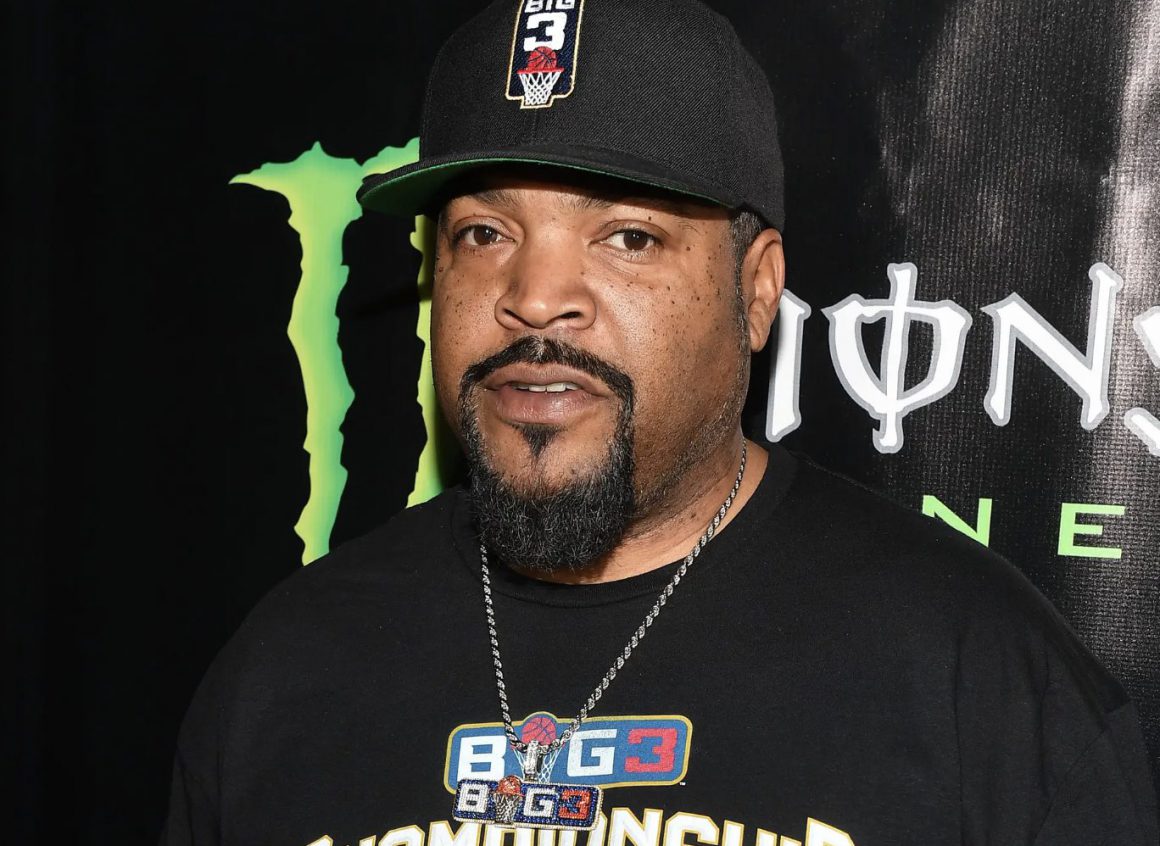
By 2026, Ice Cube’s foray into professional sports via the BIG3 basketball league has become a substantial part of his portfolio. Unlike many celebrity "investors" who own minority stakes in existing teams, Cube co-founded the league. This gives him a primary ownership stake in the intellectual property, television rights, and sponsorship deals of an entire sporting organization. As the league has expanded its broadcast footprints and international presence, its valuation has contributed significantly to his personal net wealth.
Direct Financial Comparison: 2pac vs. Ice Cube
The following table breaks down the primary financial metrics as of 2026, illustrating where the wealth gap originated and how it has widened over the decades.
| Feature | Tupac Shakur (Estate) | Ice Cube |
|---|---|---|
| Estimated Net Worth | ~$40M - $50M | ~$160M - $180M |
| Primary Revenue Source | Royalties & Licensing | Film Production & Sports Ownership |
| Total Record Sales | 75 Million+ | 10 Million+ (Solo) / 10 Million+ (N.W.A) |
| Box Office Impact | ~$60M (Posthumous Biopic) | $1 Billion+ (Cumulative Producer/Actor) |
| Business Ventures | Makaveli Branded (Clothing) | BIG3 League, Cube Vision, Solo by Cube |
| Ownership Status | Shared rights with labels | High degree of IP ownership |
Why the Wealth Gap is So Wide
When analyzing why Ice Cube "earned more," we must look at three specific economic factors: Longevity, Diversification, and Ownership.
1. The Longevity Dividend
Tupac’s career lasted roughly five years in the mainstream spotlight. In that time, he recorded enough material to fuel decades of posthumous releases, but he missed the era of "streaming giants" and $100 million touring cycles. Ice Cube has had nearly 40 years of active earning potential. He has been able to adjust his business model as the economy changed—from selling cassettes to producing Netflix specials and managing a sports league.
2. Diversification of Risk
Tupac was almost exclusively a music entity. While he was a gifted actor with roles in Juice and Poetic Justice, he died before he could leverage that talent into a production empire. Ice Cube effectively used his music fame as a marketing tool for his films, and then used his film profits to fund his sports ventures. This "flywheel" effect creates wealth that music sales alone rarely match.
3. Ownership vs. Work-for-Hire
A significant portion of Tupac's early revenue was swallowed by the high interest of record label advances and legal fees. Ice Cube, specifically through Cube Vision, moved into the role of the "boss" early in his career. By owning the masters or the production rights to his movies, he ensured that he wasn't just receiving a paycheck, but was building an asset that appreciates over time.
Intellectual Property and Legacy Management
In 2026, both legacies are managed with high sophistication. The Tupac estate has successfully transitioned into the digital age, utilizing AI and high-fidelity remastering to keep his catalog relevant for Gen Alpha listeners. These technological advancements ensure that while his net worth may not grow at the rate of a living mogul like Ice Cube, it remains a robust, multi-million dollar enterprise.
Ice Cube’s financial strategy has shifted toward institutional stability. The BIG3 league, once seen as a risky venture, has secured long-term television contracts and institutional investment by 2026, making it a "legacy asset" that could eventually be sold for a massive exit or passed down through his family, similar to how traditional sports franchises operate.
FAQ: Common Questions About Their Earnings
Who is the richest rapper from the 90s era today?
While Ice Cube is incredibly wealthy, he is often surpassed by moguls like Jay-Z, Dr. Dre, and Diddy, who have reached billionaire or near-billionaire status through spirits (alcohol), electronics, and massive tech acquisitions. However, Ice Cube remains in the top tier of the "founding fathers" of hip-hop wealth.
Did Tupac die with any money?
At the time of his death, Tupac had very few liquid assets. His bank account reportedly contained less than $100,000, and he did not own his home. His wealth was almost entirely tied up in potential royalties and unliquidated intellectual property, which his mother, Afeni Shakur, eventually spent years in court to secure.
How much does Ice Cube make per movie?
During his peak as a leading man in the 2000s and 2010s, Ice Cube could command $5 million to $10 million per film. However, his real earnings come from his "producer fee" and a percentage of the "points" (profits) of the film, which can result in much higher payouts if the movie is a box office success.
Does Ice Cube own his music masters?
Ice Cube has been vocal about the importance of ownership. While his early N.W.A and solo recordings were under various label deals (Ruthless, Priority), he has successfully navigated his later career to ensure high levels of control over his creative output and his brand.
How does Tupac’s estate make money in 2026?
The estate generates income through three main pillars: streaming royalties from platforms like Spotify and Apple Music, high-end merchandise collaborations with global fashion brands, and synchronization fees (licensing songs for use in movies, TV shows, and commercials).
Financial Lessons from the Cube-2pac Comparison
For those looking at the financial history of these two icons, the takeaway is clear: Ownership is the ultimate multiplier. Tupac Shakur achieved a level of cultural impact that is arguably greater than any other figure in hip-hop history, yet his financial footprint was limited by the predatory nature of 1990s record deals and his shortened lifespan.
Ice Cube’s career serves as a masterclass in professional evolution. By consistently reinvesting his earnings into new industries—moving from music to film, and film to sports—he built a diversified empire that protected him from the volatility of any single market. In 2026, the data confirms that while Tupac may have the "greatest" legacy in terms of influence, Ice Cube has built the more successful financial engine.