The release of 28 Years Later has revitalized the post-apocalyptic genre, marking the long-awaited return of director Danny Boyle and writer Alex Garland to the franchise they birthed in 2002. This essential 3-part survival guide provides a comprehensive breakdown of the new trilogy’s lore, its groundbreaking technical production, and the strategic roadmap for navigating the expanded cinematic universe.
The "28" franchise has always been more than a zombie series; it is a meditation on societal collapse and the enduring nature of human rage. With the first installment of the new trilogy having premiered in 2025 and the subsequent chapters unfolding in 2026, fans and newcomers alike require a structured approach to understand how this decades-later sequel bridges the gap between the original cult classic and a modern cinematic landscape. This guide serves as the definitive manual for understanding the narrative, technical, and logistical elements of this revitalized series.
The Evolution of the Rage Virus Franchise
The journey from 28 Days Later to 28 Years Later represents one of the most significant gaps in horror cinema history. When the original film debuted, it redefined the "zombie" archetype—replacing the lumbering undead of the Romero era with "The Infected," victims of a highly contagious, blood-borne pathogen that induced permanent, homicidal mania.
By 2026, the cultural impact of the original has been fully synthesized into the new trilogy. 28 Years Later does not merely reboot the concept; it evolves it by examining a world where the initial chaos of the Rage Virus has settled into a grim, permanent reality. The film addresses the long-term survival of human enclaves and the biological adaptation of the virus itself. The essential challenge for the audience in 2026 is reconciling the gritty, low-budget aesthetic of the 2002 original with the high-concept, multi-film narrative currently unfolding.
Part 1: Narrative Mechanics and Lore Integration
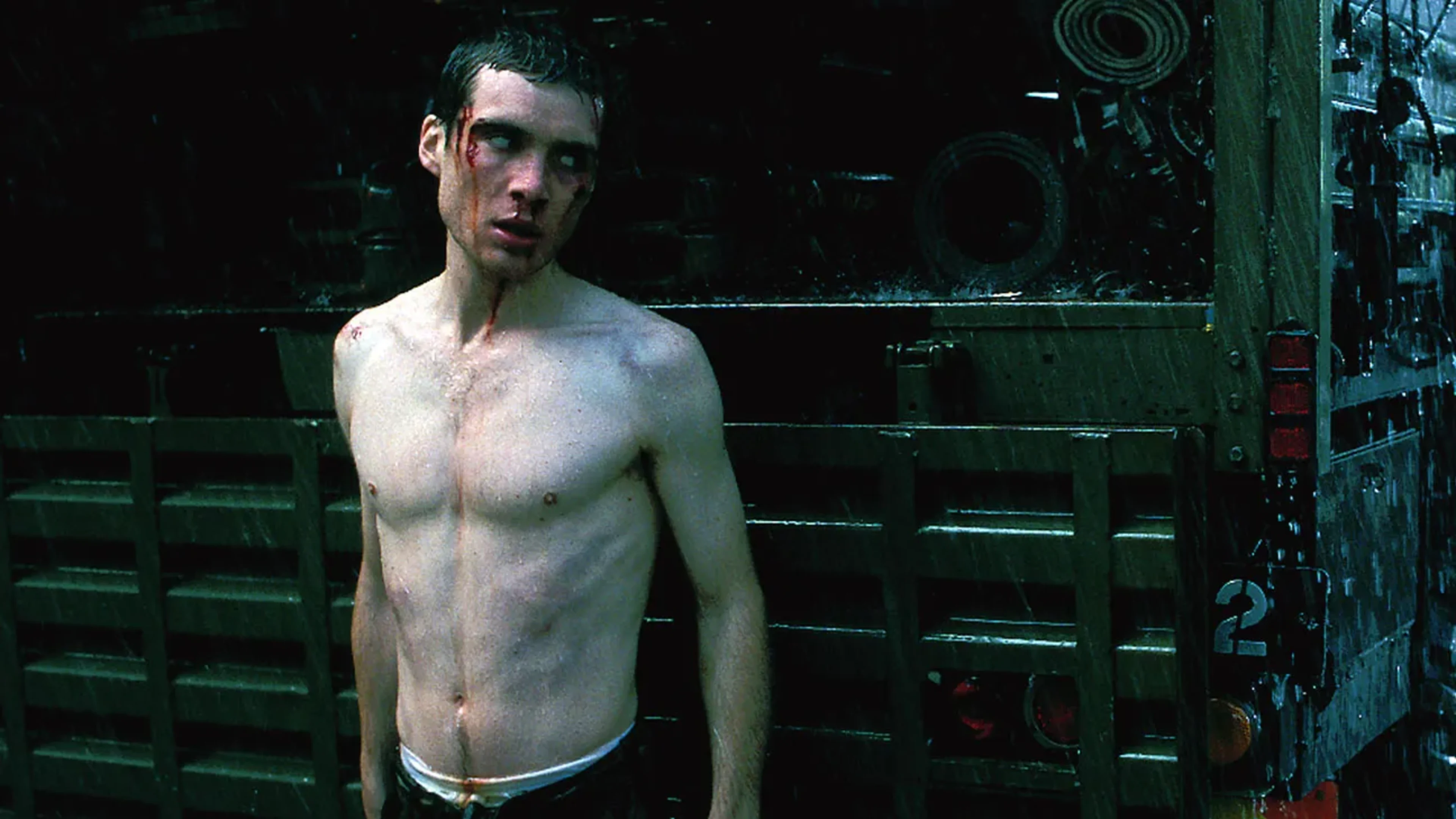
The first pillar of this survival guide focuses on the story's internal logic. 28 Years Later reunites audiences with Jim, played by Cillian Murphy, who has transitioned from the bewildered bicycle courier of the first film to a central figure in the post-viral world.
The Return of Jim and Narrative Continuity
A primary question for viewers has been the status of the "canon" following the 2007 sequel 28 Weeks Later. The new trilogy, spearheaded by Garland, leans heavily into the original themes of the first film while acknowledging the passage of nearly three decades. Jim's return serves as the emotional anchor, providing a perspective on how the Rage Virus changed from an acute outbreak into a chronic environmental factor.
In this new era, survival is no longer about escaping a city; it is about the politics of the "New Britain." The narrative explores how isolated communities have established their own laws, defenses, and social hierarchies. Understanding this shift is vital for viewers: the threat is no longer just the Infected, but the radicalized remnants of humanity who have spent 28 years in a state of perpetual high-alert.
Biological Evolution of the Rage Virus
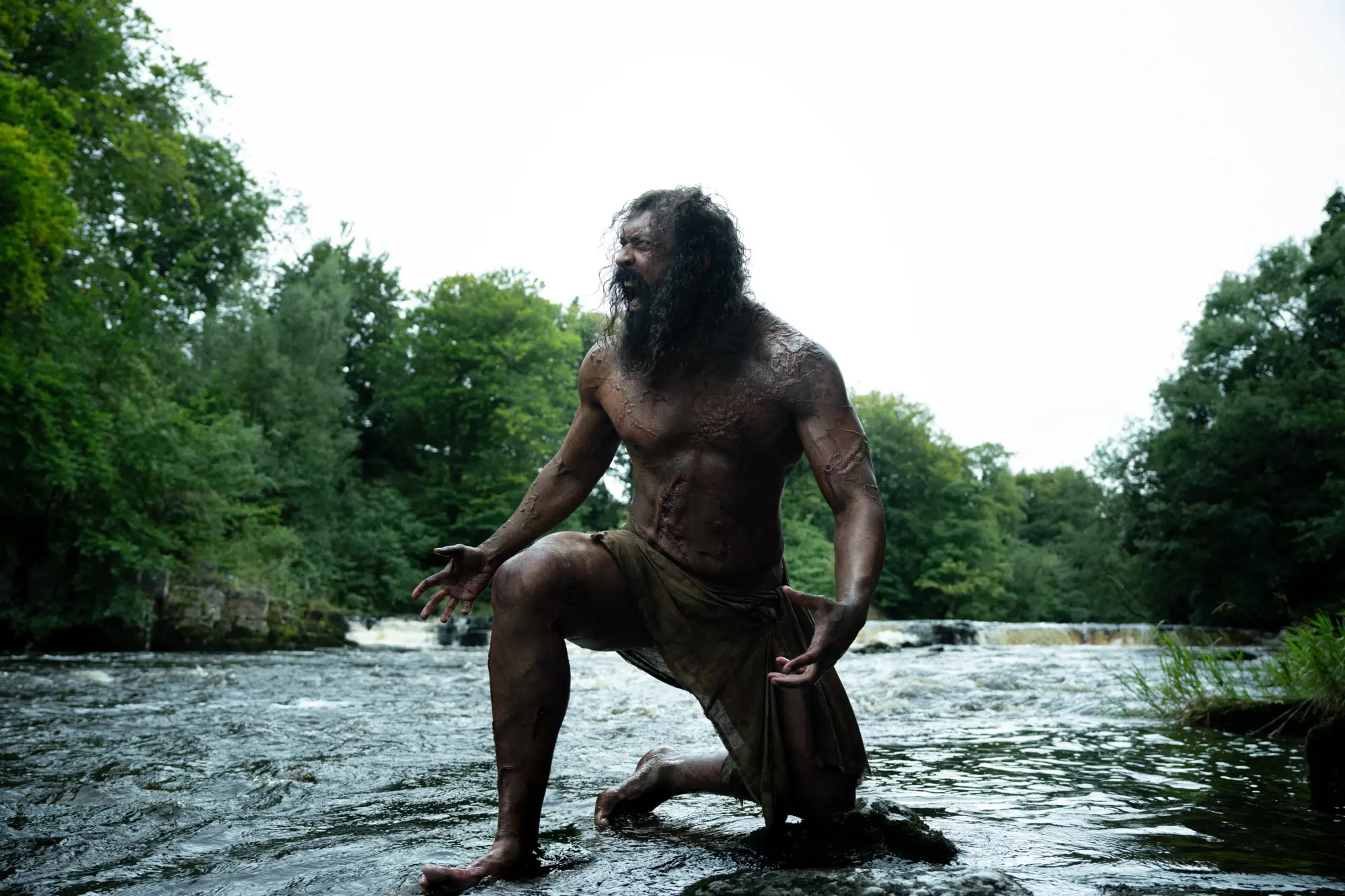
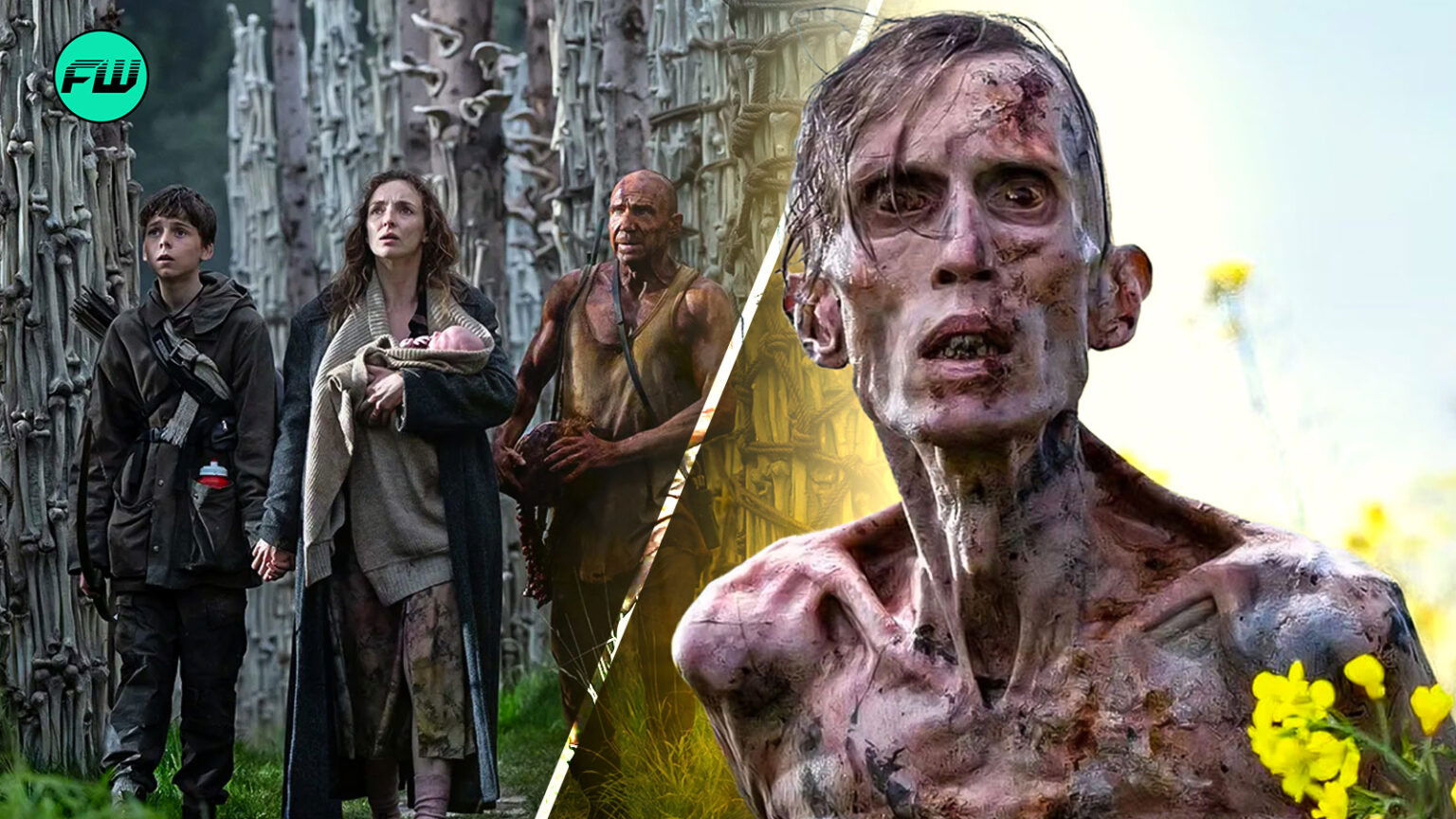
While the core symptoms of the Rage Virus remain—extreme aggression, rapid onset (roughly 10 to 20 seconds post-exposure), and loss of cognitive function—the new trilogy introduces subtle variations. In the 2026 context, we see the long-term effects of the virus on the environment and the potential for mutations that have allowed some strains to persist despite the eventual starvation of early hosts. The survival guide for the narrative necessitates an understanding that the Infected are now an integrated part of the ecosystem, much like a natural predator, rather than a temporary anomaly.
Part 2: Behind the Lens – Technical Innovations and Aesthetics
The second part of this survival guide concerns the technical "how" of the film’s production. Danny Boyle has always been a pioneer of digital cinematography, famously shooting 28 Days Later on the Canon XL-1, a standard-definition mini-DV camera, to achieve a raw, documentary-style look.
The iPhone 15 Pro Max Revolution
For 28 Years Later, Boyle and cinematographer Anthony Dod Mantle pushed the boundaries of digital filmmaking once again. The film was primarily shot using the iPhone 15 Pro Max. However, this was not a simple handheld shoot. The production utilized:
- Beastgrip Rigs: Specialized cages that allowed the attachment of professional-grade cinema lenses.
- Panavision Lenses: The high-end optics provided the cinematic depth and "soul" that standard smartphone lenses lack.
- LumaForge Servers: Massive storage and processing power were required to handle the ProRes RAW files generated by the phones.
This technical choice is essential to the "survival" of the franchise’s identity. It maintains the "dirty" digital aesthetic that fans associate with the series while upgrading the resolution and color science for 2026 theater standards. For film students and tech enthusiasts, understanding this workflow is crucial: it proves that the tool is less important than the eye behind it.
Soundscapes and Immersion
The auditory experience remains a cornerstone of the series. The original score by John Murphy, particularly the track "In the House - In a Heartbeat," has been reworked and expanded for the new trilogy. In the 2026 installments, the sound design emphasizes the silence of the abandoned world, punctuated by the visceral, high-frequency screams of the Infected, which have been digitally layered to sound more avian and predatory than human.
Part 3: Strategic Consumption – The Trilogy Roadmap
The final part of the survival guide addresses the structure of the release itself. Sony Pictures and the creative team opted for a rapid-fire trilogy approach, a move that is relatively rare for high-budget auteur-led projects.
Navigating the Release Schedule
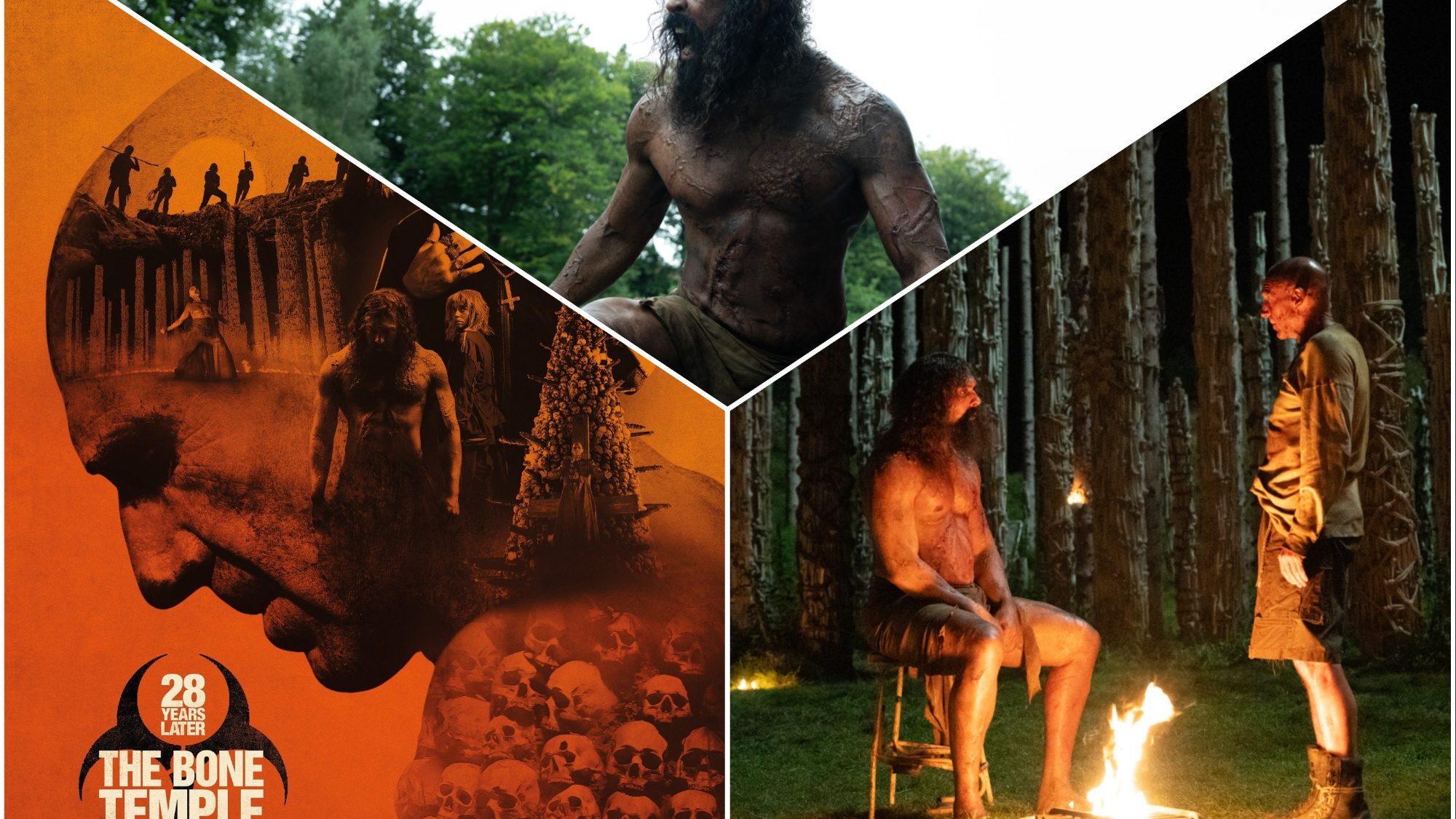
Following the success of 28 Years Later in mid-2025, the second installment, directed by Nia DaCosta and titled 28 Years Later: Part II: The Bone Temple, has become the focal point of 2026 cinema. The third part is currently in development, aiming for a 2027 release. This aggressive schedule requires fans to stay engaged with the lore in real-time.
| Film Title | Release Year | Primary Director | Key Cast Members |
|---|---|---|---|
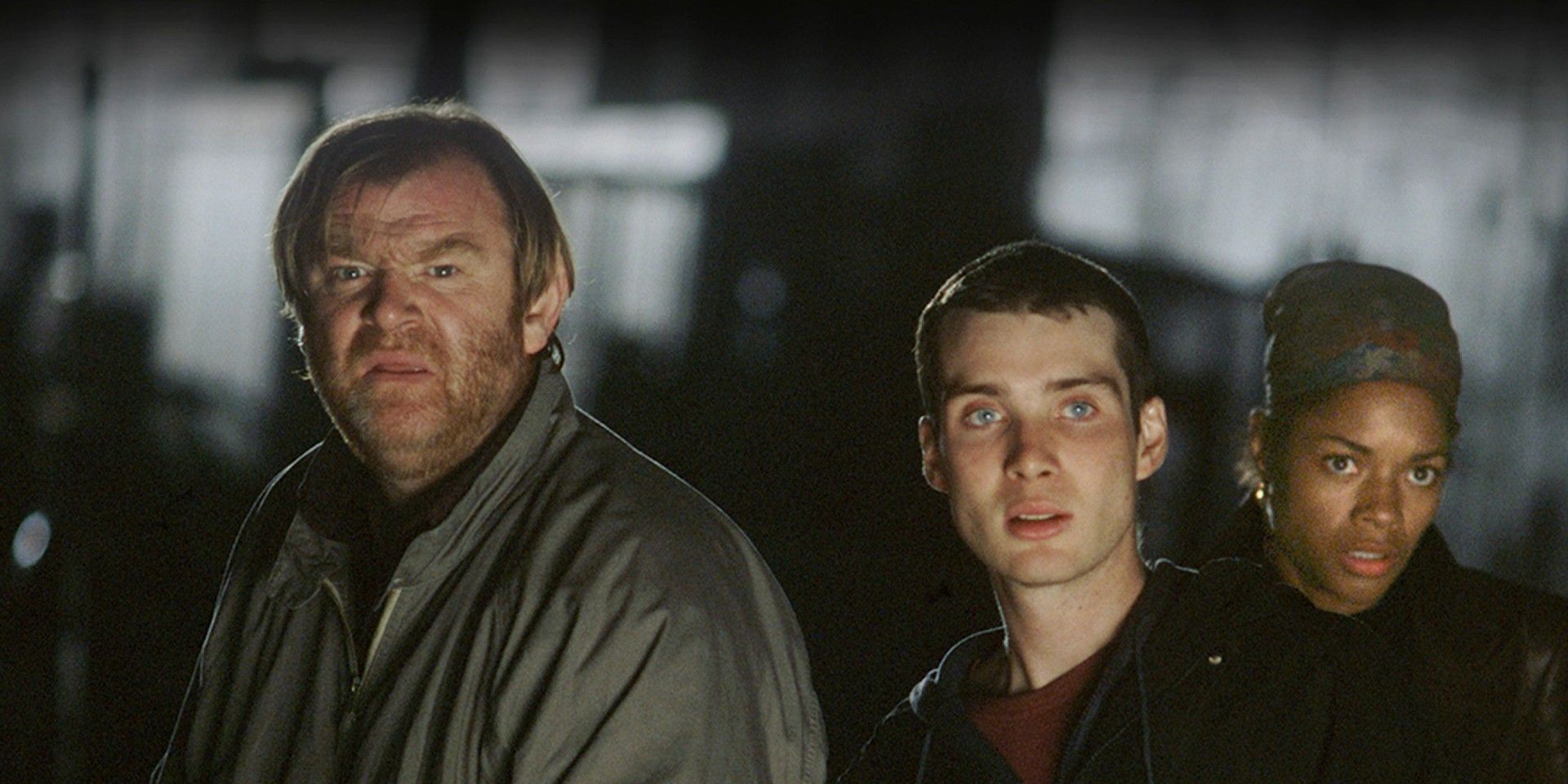
| 28 Days Later | 2002 | Danny Boyle | Cillian Murphy, Naomie Harris |
| 28 Weeks Later | 2007 | Juan Carlos Fresnadillo | Robert Carlyle, Rose Byrne |
| 28 Years Later | 2025 | Danny Boyle | Cillian Murphy, Jodie Comer, Aaron Taylor-Johnson |
| 28 Years Later: Part II | 2026 | Nia DaCosta | Ralph Fiennes, Jack O'Connell |
| 28 Years Later: Part III | 2027 (Est) | TBD | TBD |
The Role of Nia DaCosta and the Expanded Vision
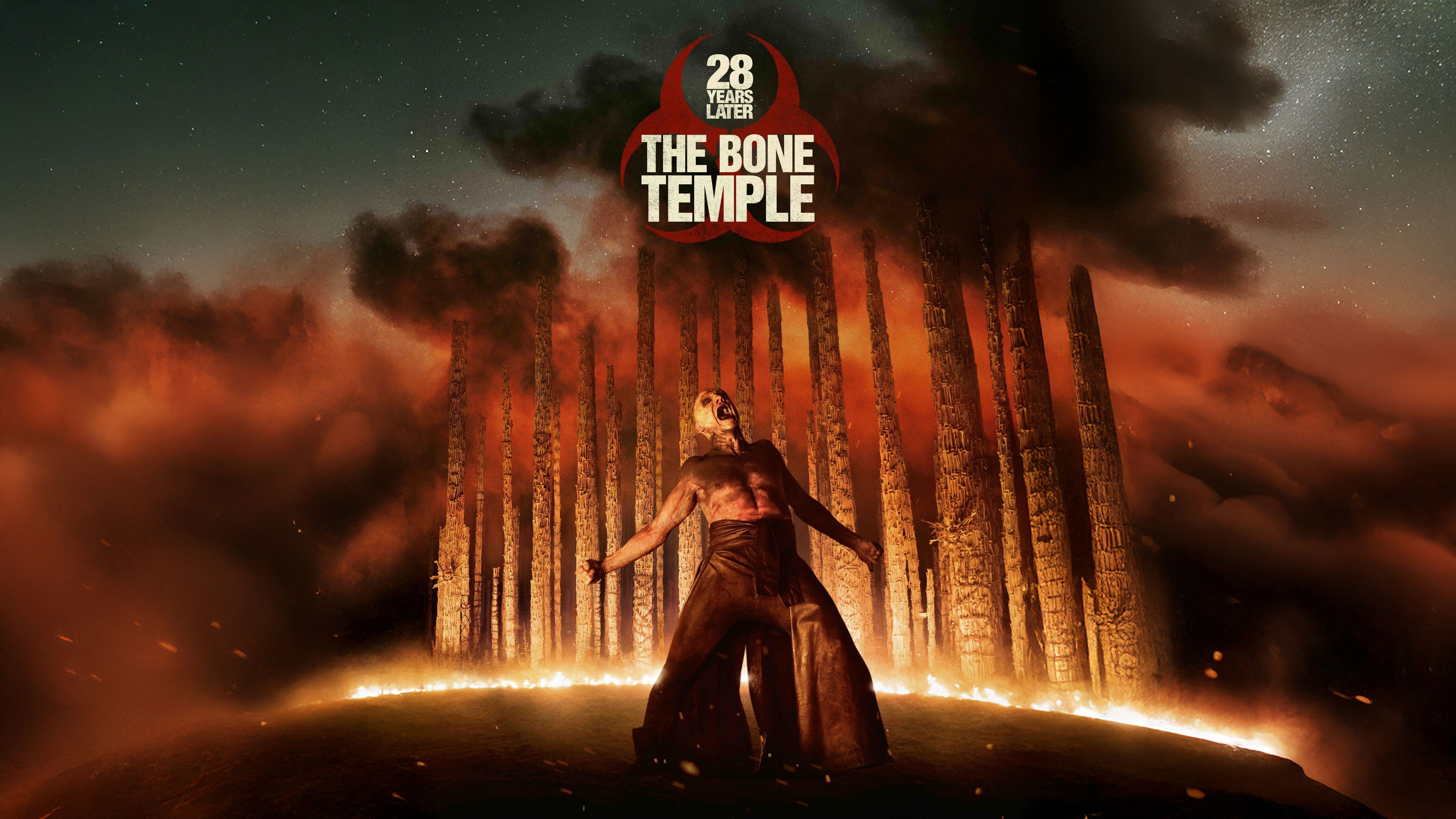
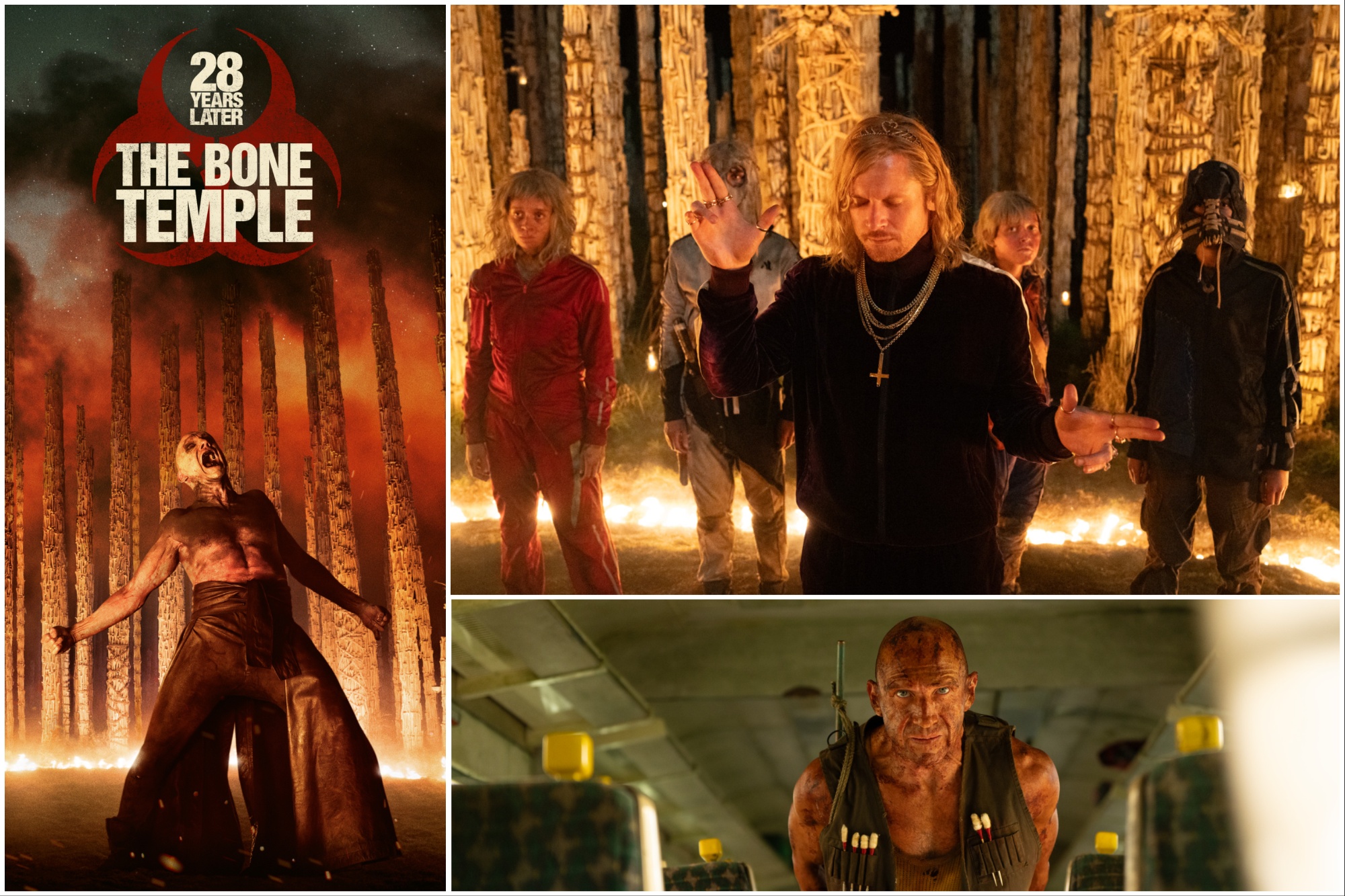
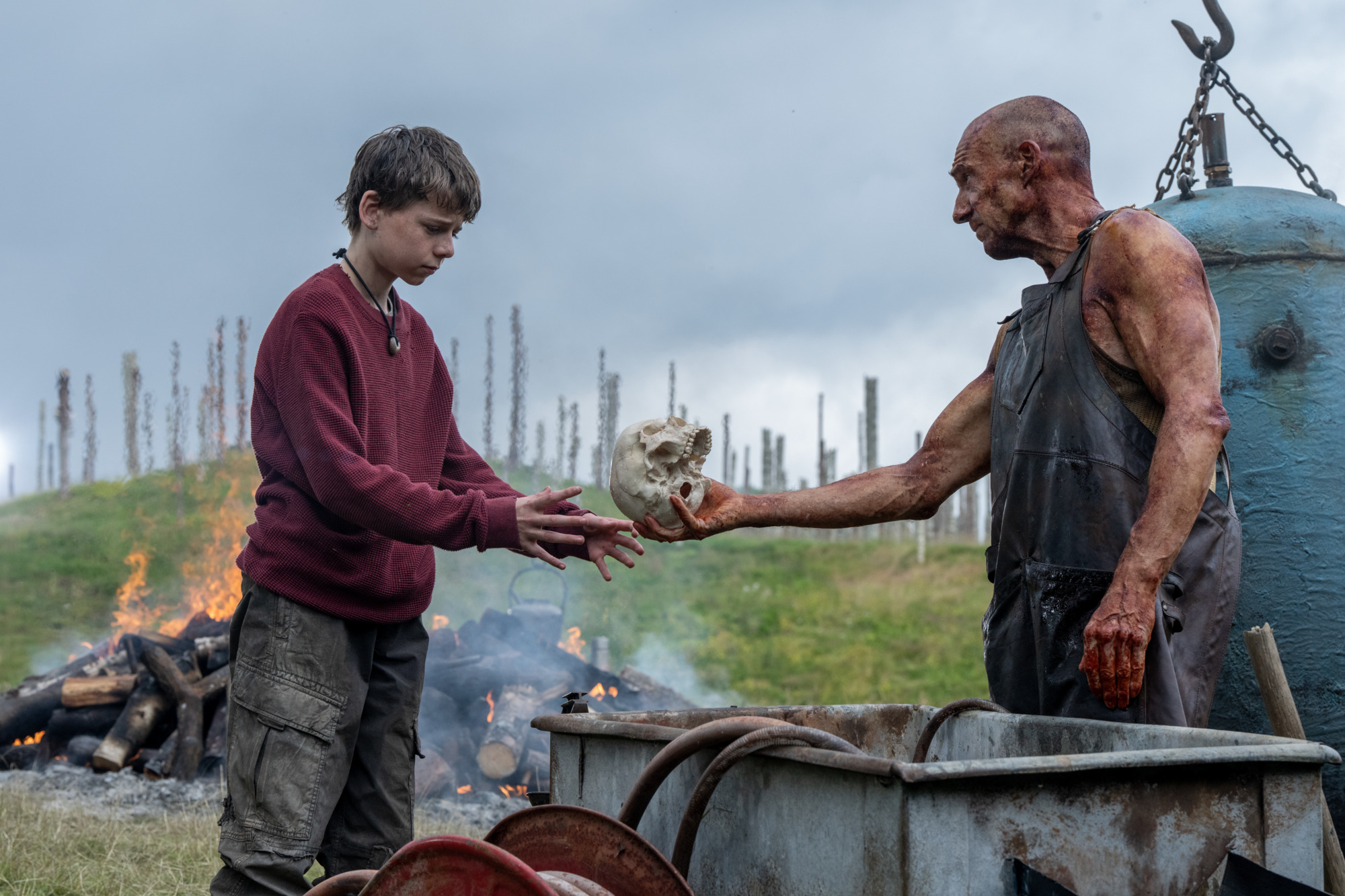
Part of "surviving" the transition between films is understanding the change in directorial voice. While Danny Boyle set the tone with the first chapter of the new trilogy, Nia DaCosta's involvement in The Bone Temple introduces a different perspective. Known for her work on Candyman and The Marvels, DaCosta brings a focus on localized horror and psychological tension. This shift in Part II explores the "Bone Temple"—a rumored sanctuary or perhaps a cult-like stronghold—deepening the world-building beyond what Boyle and Garland established in the opening act.
Essential Viewing Requirements and Prerequisites
To fully appreciate the 3-part survival guide, certain prerequisites are recommended. While the 2025 film is designed to be accessible, the depth of the experience is heightened by a specific viewing order.
- Original Continuity: Watch 28 Days Later to understand Jim’s origins and the specific mechanics of the Rage Virus (transmission via blood and saliva, 20-second incubation).
- Thematic Context: While 28 Weeks Later is less central to the new trilogy's direct plot, it provides context for the failed "District 1" NATO intervention, which explains why Britain remains a wasteland decades later.
- The "Gap" Lore: Familiarize yourself with the concept of the "Great Abandonment," a period referenced in the 2025 film that details the years between the 2007 events and the 2025 resurgence.
The new trilogy demands an attentive audience. It rewards those who notice the callbacks to the original cinematography and the subtle changes in the landscape of a Britain that has been reclaimed by nature for over a quarter-century.
Troubleshooting the Timeline: Where Does the Sequel Fit?
There has been significant debate regarding how 28 years can pass while characters seem only slightly aged, or how the virus remained dormant. The "survival" of the logic depends on understanding two key factors:
- Regional Isolation: The Rage Virus was largely contained to the British Isles after the initial outbreaks. The rest of the world moved on, leaving the UK as a "dark zone."
- The Survivalist Jim: Jim’s survival for 28 years is explained through his adaptation. He is no longer the man who woke up in a hospital; he is a veteran of a world that never stopped trying to kill him.
The timeline issues are often addressed through environmental storytelling—burned-out tanks from the Weeks era, overgrown ruins of the 2002 hospital, and the presence of "Second Generation" survivors who have never seen a world without the Infected.
Frequently Asked Questions
Is Cillian Murphy the main character in all three new films?
While Cillian Murphy’s Jim is the foundational character of 28 Years Later (2025) and serves as an executive producer for the trilogy, the narrative is an ensemble piece. Characters played by Jodie Comer and Aaron Taylor-Johnson take on significant leadership roles, especially as the story expands in Part II: The Bone Temple. Jim’s role is more of a legendary figure whose actions catalyze the new plot.
Do I need to watch 28 Weeks Later to understand the new trilogy?
Strictly speaking, no. Alex Garland, the writer of the new trilogy, did not write 28 Weeks Later, and the new films focus more on the direct legacy of the 18-month period following the first film. However, Weeks is still considered part of the broader history of the outbreak, specifically regarding how the virus was never truly eradicated from the soil of the UK.
Why was the film shot on an iPhone 15 Pro Max?
Danny Boyle and Anthony Dod Mantle chose the iPhone to maintain the "guerrilla filmmaking" spirit of the original 2002 movie. In 2026, this is seen as a landmark moment for professional cinema, proving that high-end storytelling is possible on mobile devices when paired with professional lenses and post-production workflows. It creates a specific, jittery, and intimate visual language that fits the "Rage" theme.
What is "The Bone Temple" referenced in the second part?
The Bone Temple is the subtitle for the second film in the trilogy, directed by Nia DaCosta. Within the movie's lore, it refers to a specific geographic location in the North of England that has become a site of either great medical importance or religious significance for the survivors. It represents the shift from "survival" to "rebuilding" (or "revering") the new world.
Monitoring the Future of the Franchise
As we move through 2026, the best way to stay informed is to follow the production updates from Sony Pictures and the creative dispatches from Alex Garland. The trilogy is being filmed in relatively quick succession, meaning that leaks and official teasers for the third and final installment are expected by late 2026.
To truly master this 3-part survival guide, viewers should engage with the films as a singular, 28-year-long arc. The transition from the frantic survival of the early 2000s to the complex, entrenched societies of the 2020s reflects our own world's shift in how we perceive global threats. Stay focused on the character of Jim, the evolving biology of the Rage Virus, and the innovative digital textures that Boyle has used to define this nightmare for a new generation.