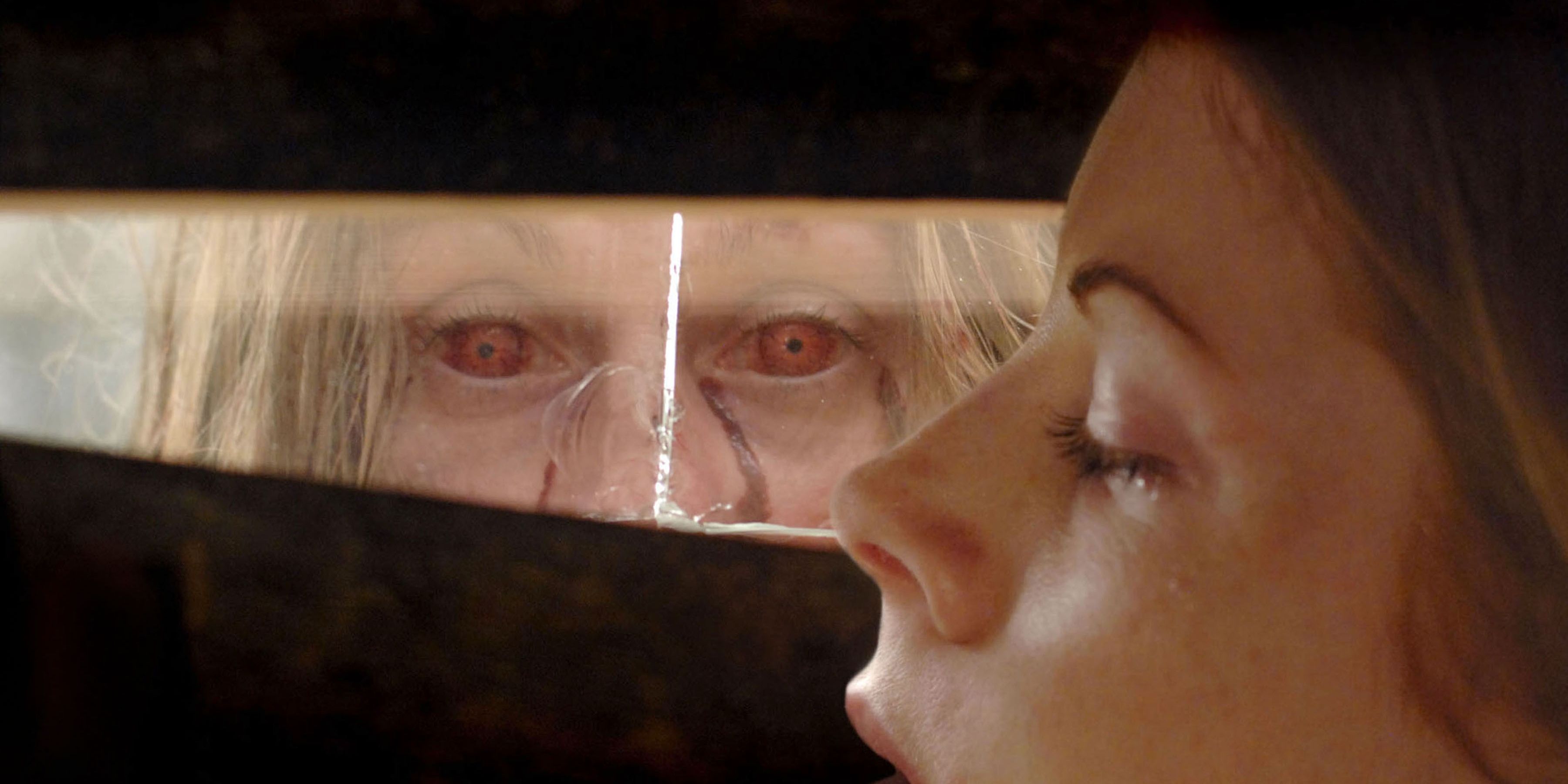
The "28 seconds later series complete guide to the franchise" navigates the stylistic shifts, narrative continuations, and distribution milestones of a modern horror-thriller property. This comprehensive reference outlines the chronological progression, core thematic components, and technical production standards that define the cinematic timeline from its foundational films to its ongoing expansions.
Origins and Foundational Aesthetic of the Franchise
The cinematic trajectory began with the 2002 release of 28 Days Later, directed by Danny Boyle and written by Alex Garland. This foundational picture redefined the contemporary horror landscape by breaking away from traditional, slow-moving supernatural tropes and replacing them with hyper-aggressive, infected human subjects. The narrative follows Jim, a courier who wakes from a coma in a deserted London to find that an accidental release of a viral pathogen known as "Rage" has decimated Great Britain within less than a month.
Beyond its terrifying premise, the production established a distinct visual identity by utilizing early digital cinematography. Shot primarily on Canon XL1 standard-definition digital video cameras, the film achieved a gritty, documentary-style realism. This technological constraint enhanced the sense of immersion, making the desolate, traffic-free streets of London feel genuinely abandoned and immediate. The aggressive pacing, paired with an evocative ambient soundtrack by John Murphy and Godspeed You! Black Emperor, cemented the picture's status as a critical and commercial benchmark for modern psychological survival horror.
Narrative Continuity and Sequels
The expansion of the universe continued with the 2007 sequel, 28 Weeks Later, directed by Juan Carlos Fresnadillo. Shifting the directorial reins while retaining Boyle and Garland as executive producers, this installment explored the geopolitical and military aftermath of the initial outbreak. Set six months after the events of the first film, the plot centers on NATO forces attempting to repopulate a quarantined zone in the Isle of Dogs section of London.
The narrative introduces systemic failures, bureaucratic oversight, and individual human error as the catalyst for a second wave of contamination. The production scale increased noticeably, featuring higher-budget action set pieces, sweeping aerial photography, and a more polished widescreen aesthetic. Despite the change in visual texture and heightened action orientation, the film maintained the thematic exploration of human cruelty, compromised military ethics, and the psychological burden of survival under constant threat.
The Modern Revival and Production Landscape
As the property entered its third decade, discussions surrounding a direct continuation materialized into production reality with 28 Years Later, scheduled for release under Sony Pictures. Danny Boyle returned to direct the first installment of a planned trilogy, with Alex Garland returning to pen the screenplay. This revival represents a significant milestone for the franchise, bridging the gap between legacy audiences and a new generation of viewers while exploring the long-term societal collapse caused by the Rage virus.
| Film Title | Release Year | Director | Primary Cinematography Medium | Core Setting |
|---|---|---|---|---|
| 28 Days Later | 2002 | Danny Boyle | Canon XL1 Digital Video (SD) | London and rural England |
| 28 Weeks Later | 2007 | Juan Carlos Fresnadillo | 35mm Film & Digital Hybrid | Post-quarantine London |
| 28 Years Later | 2025/2026 | Danny Boyle | Advanced Digital Cinema Cameras | Decimated British countryside |
The modern production framework leverages contemporary advancements in digital capture technology, contrasting sharply with the standard-definition tape format of the 2002 original. This technical evolution allows for unprecedented clarity and scope, enabling filmmakers to depict a nature-reclaimed Britain over nearly three decades of isolation.
Thematic Motifs and Visual Style
Throughout its various iterations, the franchise maintains a consistent focus on social commentary and human psychology over mere shock value. The Rage virus serves as an external manifestation of underlying societal impulses—anger, tribalism, and loss of empathy.
- Isolation and Abandonment: The depiction of famous urban centers stripped of human life emphasizes the fragility of modern infrastructure.
- Moral Compromise: Characters frequently face utilitarian dilemmas, where survival demands the abandonment of conventional ethical boundaries.
- Pacing and Momentum: Editing styles prioritize kinetic energy, transitioning rapidly from suffocating claustrophobic encounters to sweeping, panicked chases.
These elements combine to create a cohesive universe where the infected individuals are less traditional monsters and more a force of nature driven by terminal fury.
Distribution, Ownership, and Media Formats
Managing the rights and home media distribution of the franchise involves multiple international studios and home video distributors. Originally distributed by 20th Century Fox and Pathé, the intellectual property rights and distribution pathways have evolved alongside corporate mergers and acquisitions in the entertainment sector.
Physical media collectors and digital purchasers encounter varying releases across regional formats, including standard definition DVDs, high-definition Blu-rays, and emerging ultra-high-definition digital storefronts. Because different entities hold theatrical and home video rights across global territories, verifying regional compatibility and distributor specifications remains essential for international enthusiasts acquiring physical box sets.
Frequently Asked Questions
What is the correct viewing order for the franchise?
The narrative should be experienced in release order, beginning with 28 Days Later (2002), followed by 28 Weeks Later (2007), and continuing into the modern continuation entries such as 28 Years Later. This order preserves the chronological development of the viral outbreak and the societal collapse of the setting.
Are the infected in the series considered zombies?
No, the antagonists are not traditional supernatural or undead zombies. They are living humans infected with a genetically engineered pathogen called the "Rage virus," which induces extreme aggression, physical stamina, and immediate violent behavior without causing tissue necrosis or resurrection.
Why did the original film look so grainy and distinct?
The distinctive visual texture of the 2002 original results from shooting on consumer-grade digital video cameras, specifically the Canon XL1. This choice was necessitated by budget constraints and the logistical difficulty of filming on closed-off central London streets, requiring a lightweight setup that could move rapidly.
How does the third film connect to the first two?
28 Years Later acts as a direct narrative continuation decades after the events of the initial outbreak, bringing back key creative personnel like director Danny Boyle and writer Alex Garland to explore the long-term generational consequences of the pandemic on the British Isles.
Where can I stream or purchase the films digitally?
Streaming availability fluctuates based on regional licensing agreements, current distribution rights holders, and digital storefront rotations. Viewers should check major on-demand platforms or physical media retailers specific to their geographic territory to confirm current access.
Strategic Viewing and Collection Assessment
To fully appreciate the scope of the property, enthusiasts should examine both foundational films before engaging with contemporary expansions. Verifying digital storefront rights, exploring behind-the-scenes production documentaries, and reviewing technical specifications for physical media releases will ensure an optimal viewing experience. Audiences should prioritize official distributors and verified retailers when acquiring physical media or streaming access to support the continued stewardship of the intellectual property.