A measurement of 27 degrees holds distinct and consequential implications across a variety of professional, technical, and scientific fields. Whether representing a precise geometric angle in structural engineering, an optimal climatic threshold in HVAC design, or a specific geographic coordinate on the globe, this value requires careful contextual interpretation to apply safely and effectively.
Geometric and Trigonometric Fundamentals of 27 Degrees
In mathematics and geometry, an angle measuring 27 degrees represents an acute angle positioned well below the right-angle threshold of 90 degrees. Within practical drafting, cartography, and computer-aided design (CAD), understanding the trigonometric properties of this specific angle is essential for calculating load distributions, vector components, and precise structural alignments.
When evaluating a 27-degree angle in a right-angled triangle, the fundamental trigonometric ratios provide exact mathematical descriptions of the geometric proportions. The sine of 27 degrees is approximately 0.4540, the cosine is approximately 0.8910, and the tangent is approximately 0.5095. These values allow engineers and technicians to resolve complex force vectors into horizontal and vertical components without requiring direct physical measurement in hazardous or inaccessible environments.
Furthermore, precision layout work often utilizes 27 degrees when designing specialized optical lenses, reflective prisms, and mechanical linkages. Even a minor deviation of fractions of a degree in these sensitive applications can lead to compounding operational errors, making accurate protractor calibration, laser alignment tools, and digital readout verification standard prerequisites for any assembly process involving this measurement.
Thermal Comfort and Environmental Controls
In the context of building science and architectural engineering, 27 degrees Celsius serves as a critical boundary marker for indoor thermal comfort, energy efficiency codes, and passive cooling strategies. As global energy standards evolve, managing indoor temperatures effectively without over-relying on mechanical air conditioning has become a primary objective for modern sustainable design.
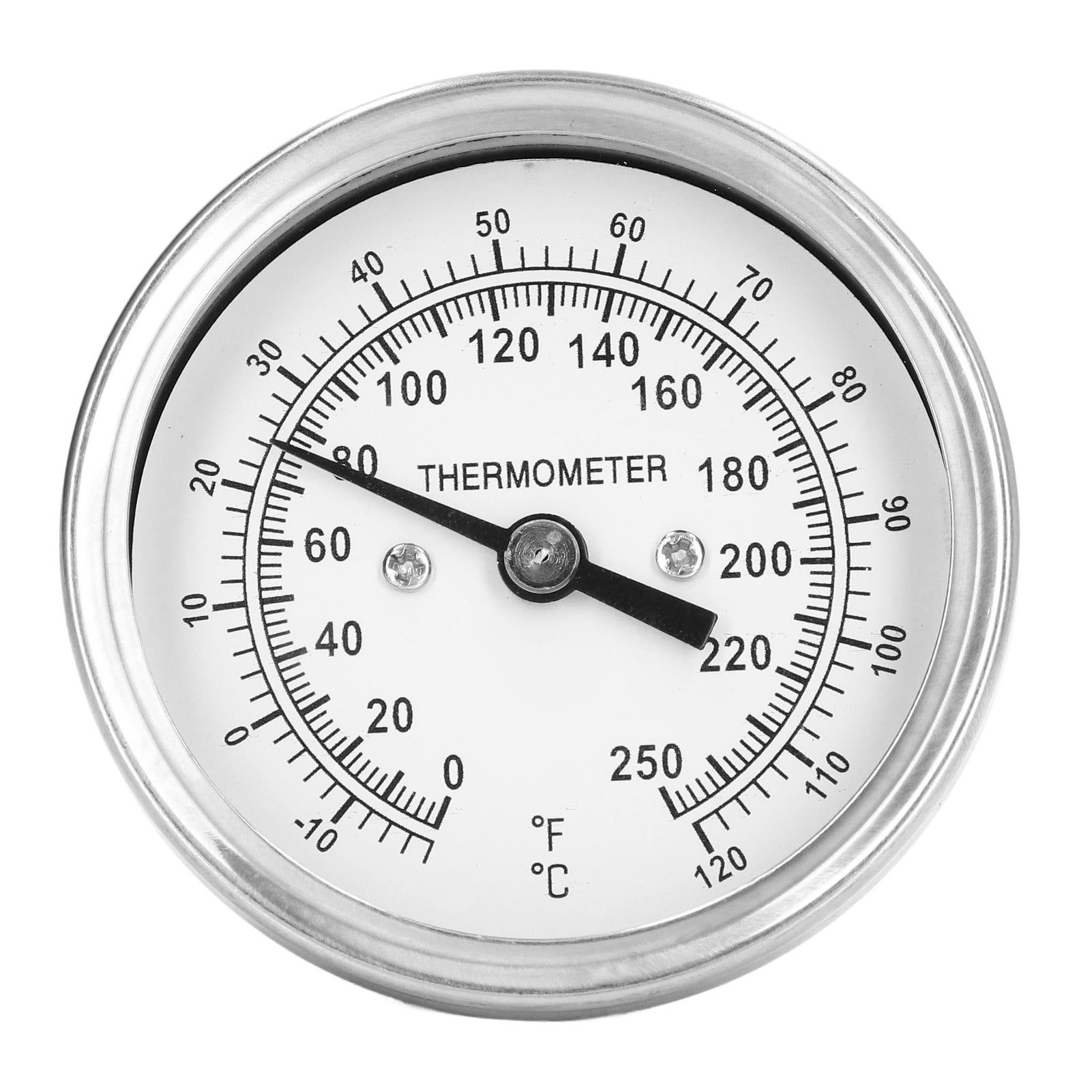
When interior temperatures approach 27 degrees Celsius—roughly equivalent to 80.6 degrees Fahrenheit—occupants generally begin to perceive the environment as warm, prompting the activation of supplementary ventilation or localized cooling systems. Building management systems often use this precise temperature as a set point threshold for transitioning between passive natural ventilation and active mechanical cooling, thereby optimizing energy consumption while maintaining baseline human comfort standards.
| Environmental Parameter | Specification at 27°C | Operational Implication |
|---|---|---|
| Relative Humidity Target | 50% to 60% | Prevents excessive moisture accumulation and mold growth |
| Air Velocity Requirement | 0.15 to 0.25 m/s | Enhances evaporative cooling for room occupants |
| Coefficient of Performance | Varies by unit model | Efficiency rating of heat pumps at this ambient baseline |
| Thermal Sensation Index | Neutral to slightly warm | Point where sedentary occupants notice heat accumulation |
Maintaining indoor air quality and thermal equilibrium at this temperature level requires careful balancing of insulation values, solar heat gain coefficients, and occupant density. Neglecting these environmental interactions can lead to localized hotspots, increased humidity levels, and diminished indoor air quality, which directly impacts productivity and health in commercial and residential spaces alike.
Geographic Coordinates and Spatial Orientation
Beyond mechanical and environmental domains, 27 degrees frequently appears in cartography and navigation as a measure of latitude or longitude. Lines of latitude positioned at 27 degrees north or south of the equator pass through distinct ecological zones, subtropical deserts, and major maritime shipping lanes across the planet.
Navigating or surveying across regions located near the 27-degree parallel demands specialized equipment calibration, particularly regarding magnetic declination and satellite positioning geometry. Because the curvature of the earth introduces specific projection distortions at these mid-to-low latitudes, geospatial analysts must apply appropriate datum transformations to ensure that spatial datasets remain accurate for civil engineering, land registry, and environmental monitoring purposes.
- Verify local magnetic variation before utilizing magnetic compasses for field surveys near the 27th parallel.
- Ensure GPS receivers maintain lock on a sufficient constellation of satellites to mitigate atmospheric refraction errors common in subtropical zones.
- Consult regional geodetic survey markers to calibrate high-precision leveling instruments.
Industrial and Manufacturing Tolerances
In advanced manufacturing environments, a 27-degree incline or draft angle frequently dictates the successful fabrication of molded components, cast metals, and composite materials. Plastic injection molding, for instance, relies on carefully calculated draft angles to ensure that finished parts can be safely ejected from heavy steel molds without surface scratching, structural warping, or excessive mechanical wear on the tooling machinery.
Tooling designers must evaluate material shrinkage rates, cooling channel placements, and ejection pin locations concurrently when working with complex geometries featuring 27-degree draft faces. Failing to account for thermal contraction during the cooling cycle can cause parts to bind tightly within the mold cavity, resulting in costly production delays, damaged equipment, and compromised structural integrity in the final manufactured goods.
Troubleshooting and Quality Verification
Ensuring the accuracy and reliability of systems operating at or around 27 degrees requires a structured approach to inspection and testing. Whether verifying the pitch of a solar panel array, checking the calibration of a digital thermometer, or confirming the structural angle of a steel bracket, adherence to standardized verification protocols prevents downstream failures.
Technicians should always employ calibrated instruments traceable to recognized national standards when measuring critical angles or thermal thresholds. Visual inspections alone are insufficient for detecting micro-deviations that can compromise structural or environmental performance over extended operational lifecycles. Regular maintenance schedules, thorough documentation of baseline measurements, and immediate remediation of out-of-tolerance components remain the cornerstones of effective quality assurance across all relevant disciplines.
Practical Recommendations for Working with 27-Degree Parameters
Successfully integrating measurements, angles, or thermal thresholds defined by 27 degrees into professional workflows requires a disciplined, methodical approach. Practitioners should begin by thoroughly reviewing all applicable project specifications, environmental codes, or manufacturer guidelines before initiating any physical layout, fabrication, or calibration task. Investing time in precise upfront planning eliminates costly rework and ensures full compliance with industry standards. Furthermore, maintaining meticulous logs of all verification procedures safeguards against operational drift and provides a clear audit trail for quality control and regulatory oversight.