Transforming your home for the autumn season in 2026 focuses on a blend of sophisticated organic textures and high-contrast modern aesthetics. Whether you prefer the traditional glow of a hand-carved lantern or the longevity of "no-carve" artistry, these 25 pumpkin decoration ideas offer a comprehensive guide to elevating your Halloween decor with style and precision.
The Evolution of Pumpkin Decorating in 2026
The landscape of seasonal decor has shifted significantly toward sustainability and interior integration. In 2026, the trend has moved away from purely "spooky" disposable items toward "harvest-to-holiday" pieces that transition seamlessly from October through late November. This shift prioritizes heirloom pumpkin varieties, such as the Musquee de Provence or the pale Jarrahdale, which offer natural color palettes that complement modern home interiors.
Furthermore, the "no-carve" movement has reached a technical peak. By maintaining the structural integrity of the pumpkin’s skin, decorators can enjoy their creations for several weeks rather than days. This longevity is essential for those who begin their seasonal installations in early October. When selecting your gourds, consider the surface texture; smooth-skinned varieties are optimal for painting and decoupaging, while deeply ribbed "Fairytale" pumpkins provide the architectural interest required for minimalist displays.
Elegant No-Carve Techniques for Longevity
No-carve pumpkins are the preferred choice for indoor displays where rot and pests must be avoided. These methods use the pumpkin as a canvas, preserving the fruit for much longer than traditional carving.
- Chinoiserie-Inspired Porcelain Pumpkins: Utilizing white "Casper" or "Lumina" pumpkins, decorators apply blue acrylic paint or delicate paper napkins via decoupage to mimic classic Dutch or Chinese pottery. This style fits perfectly in formal dining rooms or coastal-themed interiors.
- Metallic Copper Leafing: Rather than using messy spray paint, applying genuine or imitation copper leaf creates a high-end, reflective surface. The oxidation of the copper over the month adds a beautiful, weathered patina.
- Dried Botanical Decoupage: Using pressed autumn leaves, pansies, or ferns, you can adhere natural elements to the pumpkin surface with a clear matte medium. This creates an organic, "forest-floor" aesthetic that feels sophisticated and grounded.
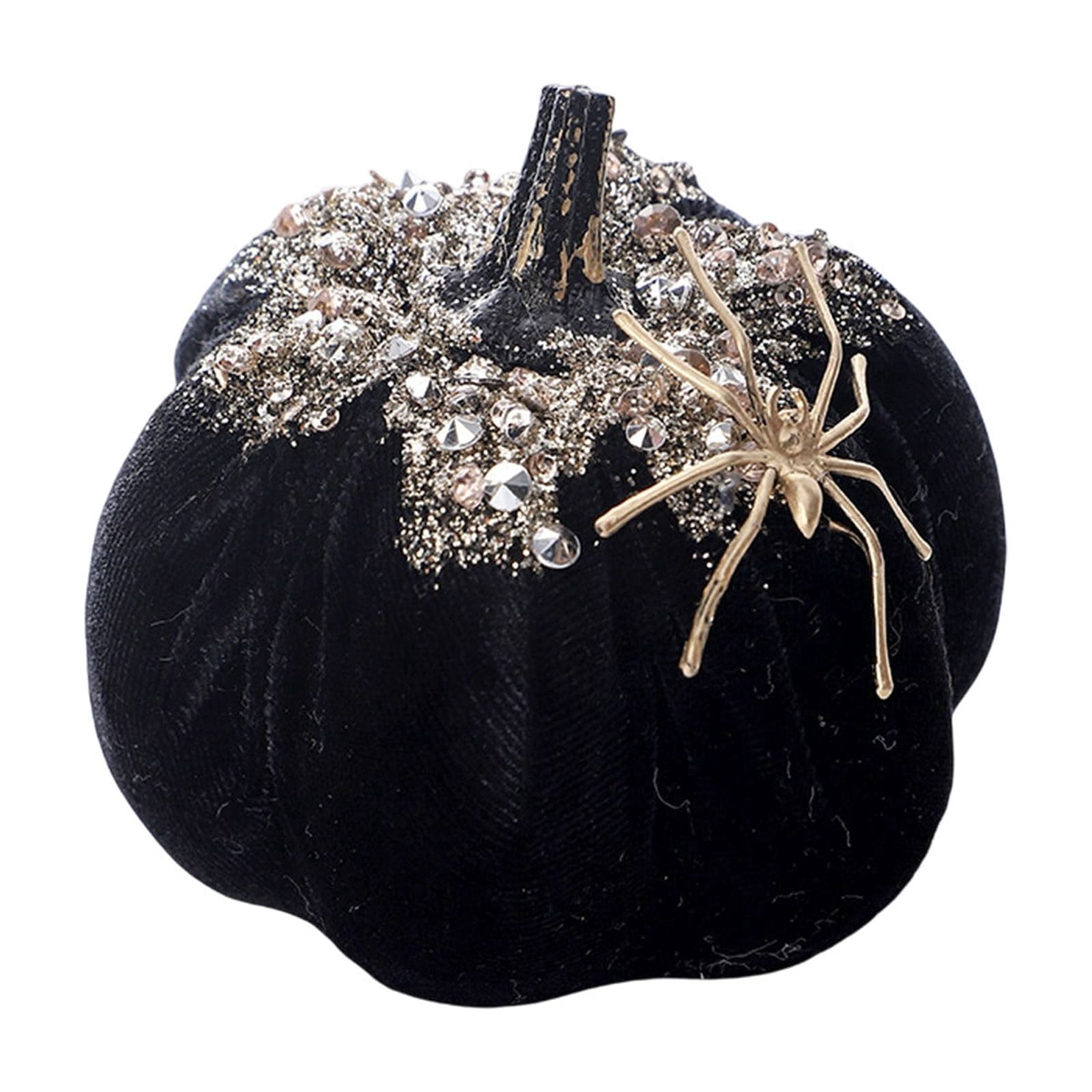
- Velvet-Wrapped Gourds: For a tactile, luxurious look, stretching stretch-velvet fabric over a foam or real pumpkin and securing it at the stem provides a plush texture. This is a hallmark of the "Cozy-Core" aesthetic popular in 2026.
- Matte Black and Gold Dip: Coating the bottom third of a matte black painted pumpkin in gold leaf or high-gloss metallic paint creates a striking "dipped" effect. It is a minimalist approach that works well in industrial or modern-glam spaces.
- Chalkboard Message Pumpkins: Coating pumpkins in high-quality chalkboard paint allows for rotating messages, guest signatures at parties, or intricate chalk-art illustrations that can be wiped clean and redesigned.
- Tartan and Plaid Fabric Wraps: Using strips of flannel or cotton plaid fabric to "mummify" the pumpkin provides a rustic, farmhouse appeal. This technique is excellent for utilizing fabric scraps and adding warmth to a porch display.
Mastering Modern Carving and Illumination
Carving remains a beloved tradition, but the techniques used in 2026 favor precision tools over kitchen knives. Utilizing linoleum cutters and clay loops allows for "shaving" techniques that create translucent effects without fully piercing the gourd.
- Celestial Constellation Globes: By using a power drill with various bit sizes, you can recreate the night sky on a dark-skinned pumpkin. When lit from within, the "stars" project onto nearby walls, creating a serene, immersive environment.
- Etched Portraiture: Instead of cutting through, decorators shave away the outer skin to varying depths. This creates a sepia-toned image when illuminated, as thinner sections allow more light to pass through than thicker ones.
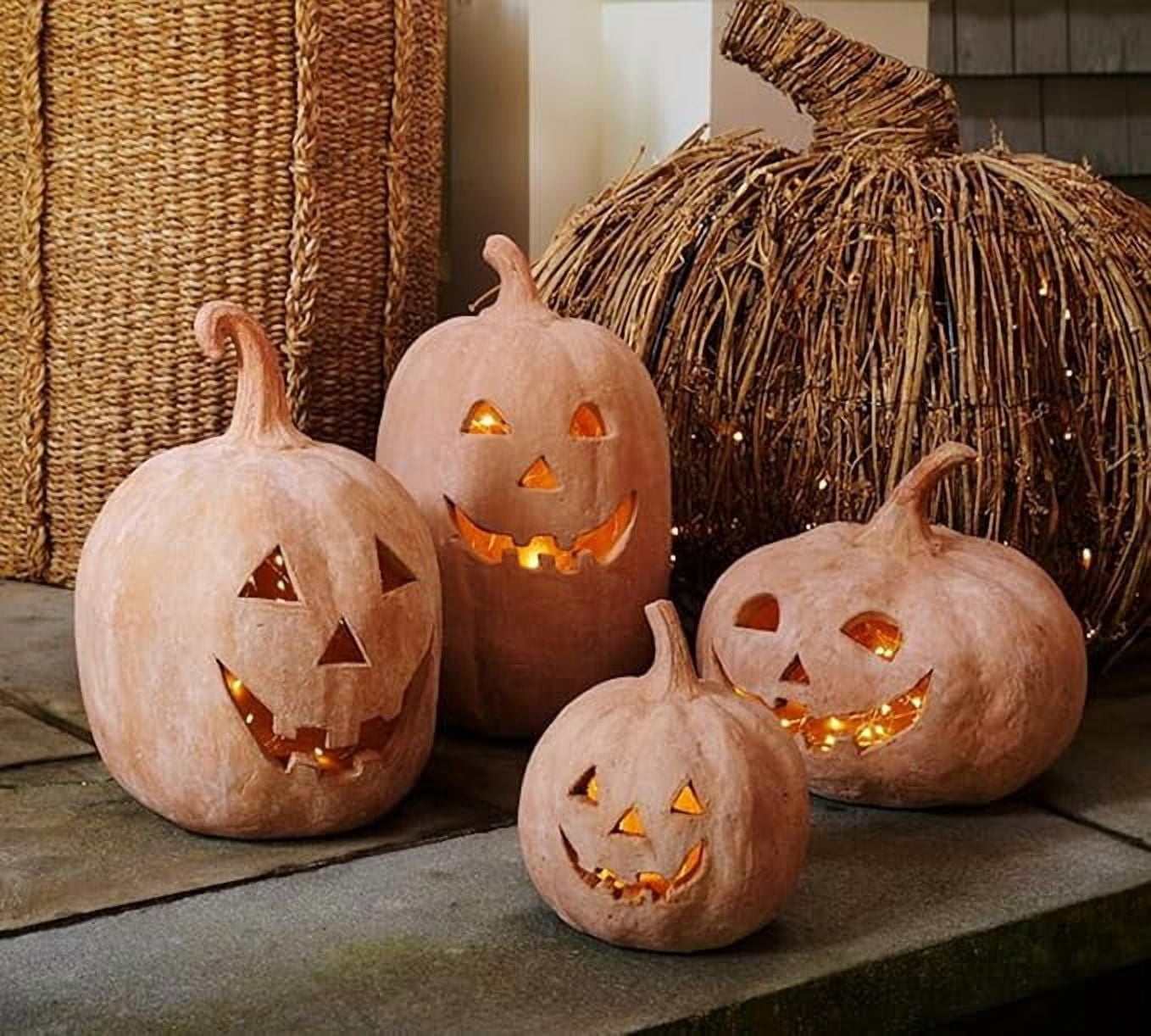
- Geometric Architectural Lanterns: Inspired by mid-century modern design, these carvings focus on clean lines, triangles, and hexagons. They function more like high-end lighting fixtures than traditional Jack-o'-lanterns.
- Hollowed Succulent Terrariums: By removing the top third of the pumpkin and treating the interior with a moisture barrier, you can plant a variety of succulents inside. The orange or white shell acts as a living planter.
- Translucent Glass-Block Style: Removing large sections of the pumpkin wall and replacing them with frosted plexiglass or stained glass shards creates a "window" effect that diffuses light beautifully.
- Lace-Stenciled Carving: Wrapping a pumpkin in a lace doily and spray-painting over it—or using the pattern as a guide for tiny pin-prick carvings—results in a delicate, textile-like appearance.
- Fiber-Optic Glow: By inserting fiber-optic strands through small holes in the pumpkin skin and connecting them to an internal light source, you can create a shimmering, color-changing effect that mimics modern tech-art.
Abstract and Textural Pumpkin Art
Texture is a primary focus for 2026 decor. Moving beyond simple color, these ideas involve adding physical dimensions to the pumpkin’s surface.
- Terrazzo Paint Finish: Using a base coat of soft grey or cream and adding "chips" of various muted colors mimics the appearance of terrazzo stone. This is a high-trend look for contemporary apartments.
- Concrete-Textured Overlays: Applying a thin layer of concrete-effect paste or grit-infused paint transforms a light pumpkin into what looks like a heavy architectural element.
- Macramé-Caged Pumpkins: Using cotton cord to create a knotted net around the pumpkin adds a bohemian, artisanal touch. This works best with long-stemmed heirloom varieties.
- Modernist Drip Art: By controlled pouring of high-viscosity acrylics from the stem down, you create a vibrant, vertical stripe pattern. In 2026, neon drips on matte white backgrounds are particularly popular.
- Ombré Gradient Blends: Using a sponge or airbrush to blend three shades of the same color family (such as deep plum to pale lavender) creates a soft, sophisticated transition that catches the light.
- Jeweled and Studded Gourds: For a "Cyber-Gothic" or maximalist look, adhering flat-back crystals, metal studs, or pearls in geometric patterns adds a layer of unexpected glamour.
Gourmet and Botanical Displays
Integrating edible or living elements into your pumpkin decor emphasizes the "Harvest" aspect of the season, making the displays feel more integrated with the kitchen and garden.
- Succulent-Topped "Living" Pumpkins: Rather than carving, gardeners use sphagnum moss and floral glue to attach succulents directly to the top of the pumpkin. As the pumpkin eventually ages, the succulents can be removed and planted.
- Herb-Stuffed Fragrance Displays: Carving small vents into a pumpkin and filling the cavity with fresh rosemary, cinnamon sticks, and cloves creates a natural room deodorizer as the heat from an internal (LED) candle releases the scents.
- Tiered Pumpkin Topiaries: Stacking three pumpkins of diminishing size—held together by a central dowel—creates a grand entrance statement. In 2026, the trend is to use different species (e.g., a flat "Cinderella" on the bottom, a "Jarrahdale" in the middle, and a "Pie Pumpkin" on top).
- Cinderella Carriage Reimagined: Moving away from the literal "Disney" look, this involves using white pumpkins with ornate, gold-painted wire wheels and delicate filigree carvings that suggest luxury transport.
- One-Line Art Faces: Using a single, continuous line of black paint or wire to create a minimalist facial silhouette. This high-art approach is a sophisticated nod to traditional carving without the mess.
Comparison of Decoration Methods
Choosing the right decoration method depends on your desired longevity and the environment where the pumpkin will be displayed.
| Technique Category | Estimated Longevity | Difficulty Level | Best Placement | Key Materials Needed |
|---|---|---|---|---|
| No-Carve (Paint/Decoupage) | 4–8 Weeks | Low to Medium | Indoors / Sheltered Porch | Acrylics, Mod Podge, Foil |
| Traditional Carving | 5–10 Days | Medium | Outdoors (Cool Climate) | Saws, Scoops, Bleach Spray |
| Surface Etching | 7–12 Days | High | Tablescapes / Windows | Linoleum Cutters, Clay Loops |
| Textural Overlays | 3–6 Weeks | Medium | Modern Living Rooms | Concrete Paste, Fabric, Macramé |
| Living Botanical | 4–6 Weeks | Low | Bright Indoor Spaces | Succulents, Moss, Floral Glue |
Essential Tools and Preservation Methods
To ensure your "stunning" decorations don't become a neighborhood eyesore, proper preservation is a prerequisite. The year 2026 has seen a rise in eco-friendly preservation sprays that replace harsh chemicals.
Pre-Decoration Preparation
Before applying any paint or tool, wash the pumpkin in a solution of 1 part bleach to 10 parts water. This kills surface bacteria and fungal spores that accelerate decay. Ensure the pumpkin is bone-dry before beginning, as moisture trapped under paint or wax will cause the skin to soften.
Post-Carving Preservation
If you choose to carve, you must seal the exposed "flesh." Applying a thin layer of petroleum jelly or vegetable oil to the cut edges prevents dehydration. For those in more humid climates, a daily spray of peppermint oil diluted in water acts as a natural antifungal agent and keeps pests like fruit flies at bay.
Lighting Technicalities
In 2026, traditional wax candles are largely discouraged for safety and longevity reasons. The heat from a flame "cooks" the interior of the pumpkin, leading to rapid softening. Instead, use high-lumen LED puck lights with remote timers. For the "Fiber-Optic" or "Celestial" designs mentioned above, battery-operated string lights or "fairy lights" offer better distribution of glow without the heat risk.
Frequently Asked Questions
Which pumpkin variety is best for painting?
For painting, the Lumina or Casper varieties are ideal because their naturally white skin provides a neutral canvas that doesn't require a primer. If you are using orange pumpkins, look for the Sugar Pie variety; their skin is smoother and less ribbed than carving pumpkins, allowing for more detailed brushwork.
How can I make a carved pumpkin last longer?
The most effective way to extend the life of a carved pumpkin is to keep it cool and hydrated. Store it in a refrigerator overnight if possible. Additionally, keeping the pumpkin off the ground (on a piece of wood or a stand) prevents moisture from wicking up from the soil or pavement, which is a primary cause of bottom-rot.
Are "faux" pumpkins still popular in 2026?
Yes, high-quality resin and "foam-core" pumpkins are increasingly popular for those who want to invest in permanent decor. The 2026 trend focuses on "weighted" faux pumpkins that have the realistic heft and matte finish of real gourds, making them indistinguishable from the real thing in professional displays.
Can I compost my decorated pumpkins?
Only if they are decorated with natural materials. Pumpkins with acrylic paint, glitter, or floral glue should not be composted or fed to wildlife, as these materials can be toxic. If you plan to compost, stick to the Dried Botanical Decoupage or Herb-Stuffed methods using biodegradable adhesives like flour paste.
Selecting Your 2026 Halloween Aesthetic
When choosing among these 25 ideas, consider the existing architecture and color palette of your home. A "Cyber-Gothic" jeweled pumpkin may look out of place in a rustic farmhouse, while a "Tartan-Wrapped" gourd might clash with a minimalist glass-and-steel interior.
Next Step: Begin by selecting a "Hero" pumpkin—a large, unique heirloom variety—to serve as the centerpiece of your display. Surround it with 3–5 smaller pumpkins utilizing different but complementary techniques (such as combining "Metallic Leafing" with "Matte Black Drips"). This creates a curated, professional look that demonstrates a mastery of the season’s most stunning trends.