As a 23andMe user, you possess a comprehensive raw data file that serves as a digital map of your biological blueprint. To unlock the full potential of this information, you must export your raw data and utilize third-party analytical tools to interpret the millions of genetic markers that the primary 23andMe dashboard does not display in its standard interface.
Understanding Your 23andMe Raw Data File
Your 23andMe raw data is a text file containing your genotype calls at hundreds of thousands of locations across your genome, known as Single Nucleotide Polymorphisms (SNPs). While the official 23andMe interface provides high-level insights into ancestry and specific health predispositions, it only reports on a curated subset of your total data. By downloading your raw data, you gain access to the complete, uninterpreted set of findings stored in the company’s servers.
This data is essentially a CSV or text-based file. Each row represents a specific position on a chromosome, identifying the base pair variants inherited from your parents. This information is static; while science continues to evolve, your underlying DNA sequence remains the same, meaning this file is a permanent record of your personal genomic library.
Procedures for Accessing Your Data
Before you can analyze your information, you must secure a clean copy of your file. Follow these steps to obtain your raw genetic data:
- Log into your account through the official 23andMe portal using a secure, private browser.
- Navigate to the "Browse Raw Data" section, typically found under the "Tools" or "Settings" menu.
- Locate the download request button. You will be prompted to provide your password and potentially verify your identity via two-factor authentication.
- 23andMe will generate a downloadable ZIP file containing your genomic data. This process can take anywhere from a few minutes to several hours depending on server traffic.
- Once the file is ready, you will receive an email notification. Save this file to a secure, encrypted location on your local machine or an offline drive. Do not share this file with unauthorized parties, as it contains sensitive medical and biological information.
Maximizing Utility Through Third-Party Tools
Once you possess your raw data, you can upload it to specialized third-party services that specialize in secondary interpretation. These tools range from fitness and nutrition optimization platforms to advanced ancestry mapping and health report generators.
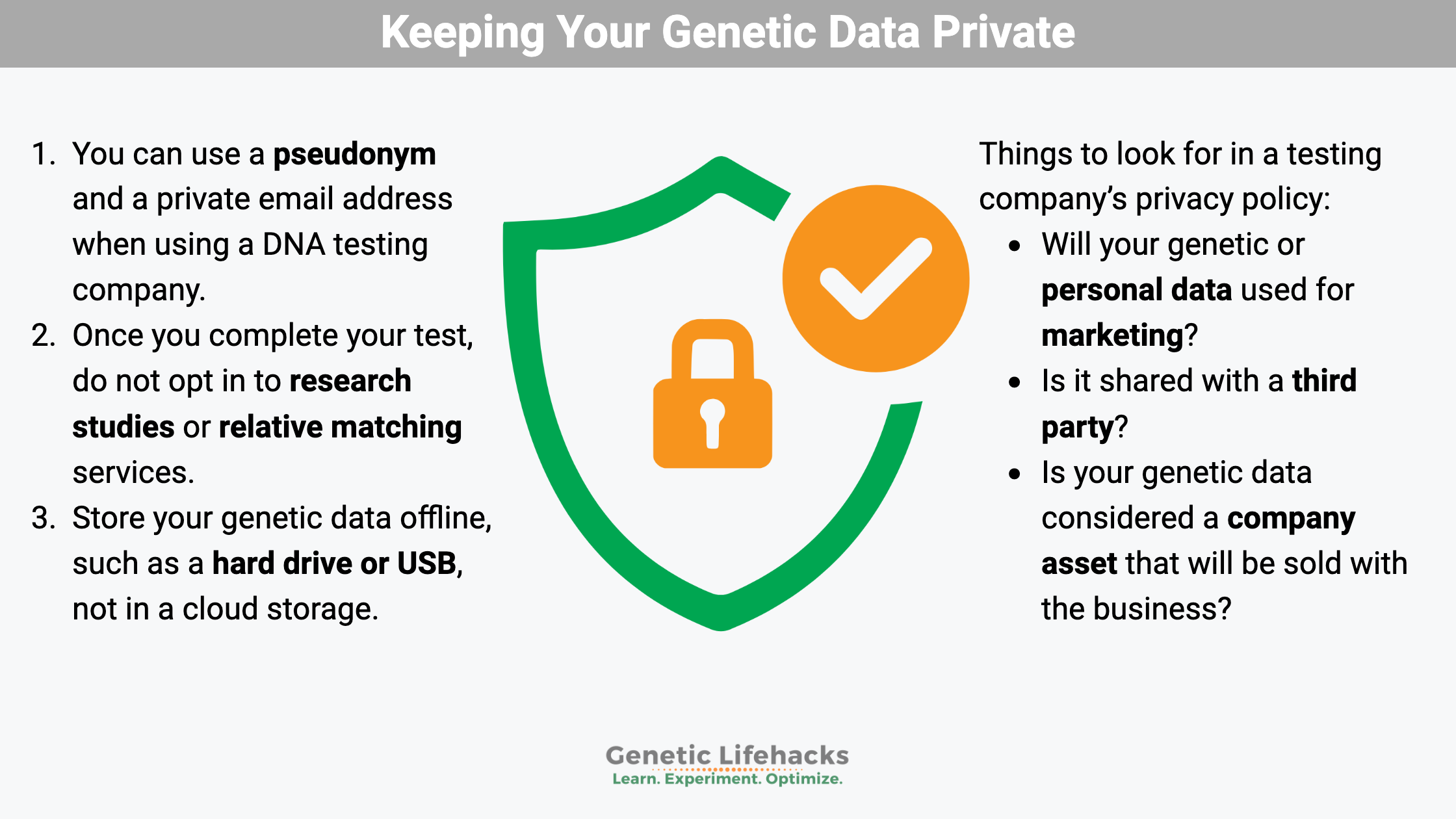
It is critical to distinguish between these services. Some platforms focus on "nutrigenomics"—analyzing how your specific genetic markers influence your metabolism, vitamin absorption, and exercise recovery—while others provide detailed "trait" reports that go beyond the scope of mainstream consumer DNA tests. Before uploading your data to any external platform, ensure you review their privacy policy, their history of data handling, and whether they delete your data after generating the report.
Comparison of Analysis Options
The table below outlines common ways to utilize your genetic data once you have downloaded your file.
| Approach | Primary Use Case | Complexity | Privacy Consideration |
|---|---|---|---|
| Manual Analysis | Academic research, viewing raw SNP values | High | High (Data stays local) |
| Nutrigenomics Platforms | Diet and workout optimization | Low | Variable (Review privacy terms) |
| Advanced Ancestry Sites | Finding distant relatives, deep genealogy | Medium | Public or private sharing options |
| Health Reporting Sites | Clinical-grade research on SNPs | Medium | High (Requires strict oversight) |
Legal and Ethical Considerations
Genetic data is protected information. When you move your data from 23andMe to a third-party, you are moving it outside the regulatory umbrella of the original provider. Be aware that most third-party sites are not governed by the same rigorous privacy standards as medical diagnostic laboratories.
Furthermore, users should be cognizant of the Genetic Information Nondiscrimination Act (GINA) in the United States, which provides certain protections regarding health insurance and employment. However, these protections often do not extend to long-term care insurance, disability insurance, or life insurance. Before submitting your data for a high-depth health report, consider how that information might influence your standing with non-medical insurers.
Addressing Privacy and Security
To "maximize" your data effectively, you must balance utility with security. Never upload your raw data to a site that does not clearly explain how it stores your information or whether it sells your anonymized metadata to pharmaceutical companies.
If you choose to use an analysis tool, consider creating a dedicated email address for those services and using a strong, unique password. If a site allows you to "delete account and data," ensure that you exercise this right once you have received your desired reports. This minimizes the footprint of your genetic information in the public sphere.
Frequently Asked Questions
Can I upload my 23andMe data to a clinical diagnostic lab?
Generally, no. Most clinical laboratories require samples to be collected under strict chain-of-custody protocols, such as a buccal swab or blood draw taken by a medical professional. Your 23andMe raw data is intended for informational and recreational purposes and is not considered a diagnostic medical record.
Is the data in my raw file identical to what 23andMe reports?
The raw file contains the underlying SNP data, whereas the 23andMe website provides "interpreted" reports based on that data. The raw file contains more information than the website displays, but it is not inherently more "accurate"—it is simply less curated.
Should I be worried about my data being stolen?
While your DNA cannot be "reset" like a password, the risk of data theft is a reality of the digital age. By downloading your data to an encrypted local drive, you remove the risk of it being accessed via a breach of a cloud-based server. Always store your file in a password-protected, encrypted environment.
Does 23andMe offer updates to my raw data?
Your raw data is essentially a snapshot in time of your genotyping. While 23andMe may update their website interpretations as scientific understanding improves, they do not typically "re-run" your old sample to provide a new raw data file. The file you download remains the source of truth for your current genotype.
What is a "SNP," and why does it matter?
A Single Nucleotide Polymorphism (SNP) is a variation at a single position in a DNA sequence. Because these variations can influence how your body produces certain proteins or enzymes, they are the key to understanding your genetic predispositions for certain health and physical traits.
Taking Action: Next Steps
To begin, verify that your 23andMe account is active and that you have enabled two-factor authentication. Download your data, store it in an encrypted folder, and conduct thorough research on any third-party tools you intend to use. Prioritize services that offer transparent, audited privacy practices. By maintaining control of your raw file, you ensure that you remain the sole custodian of your most personal biological information.