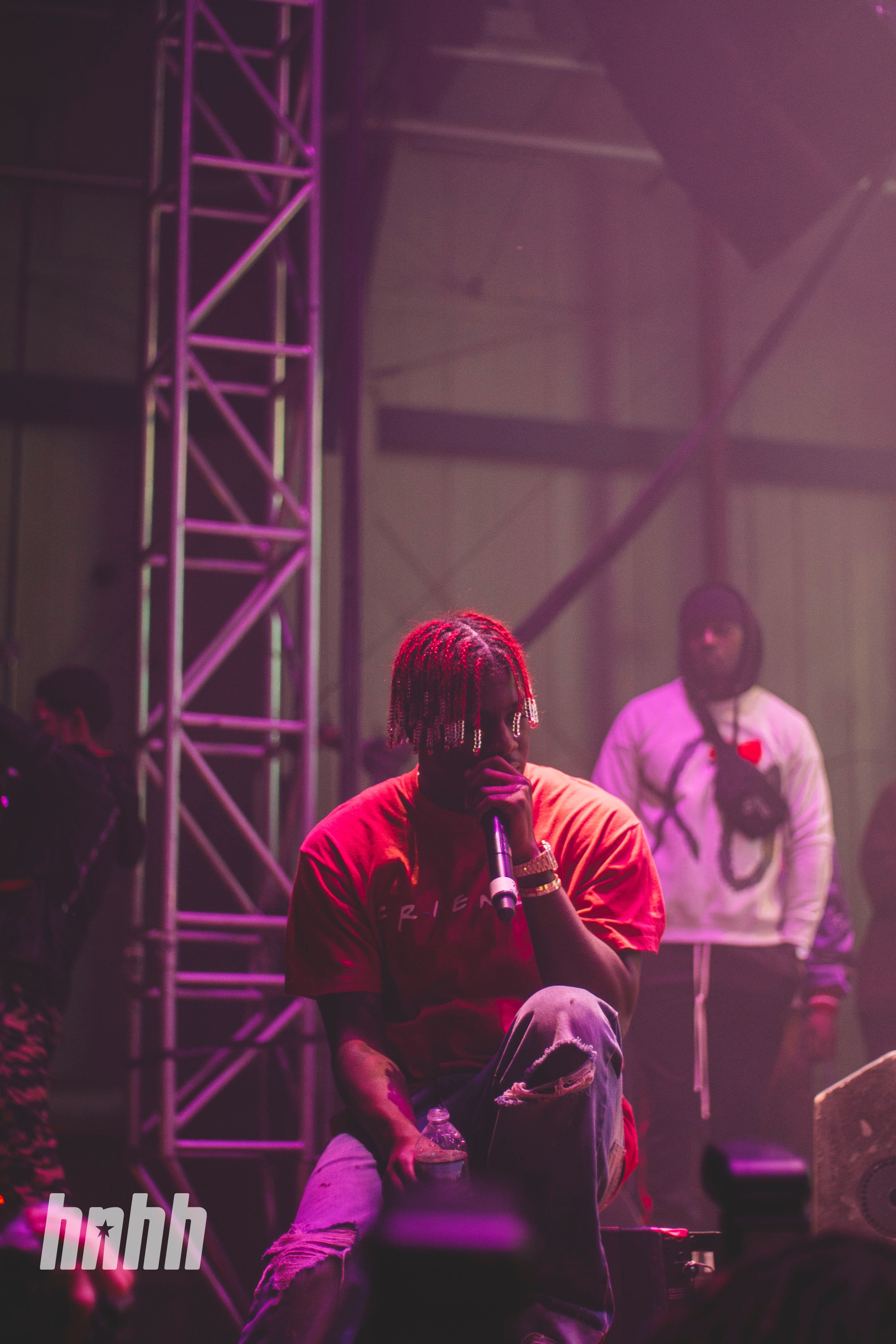
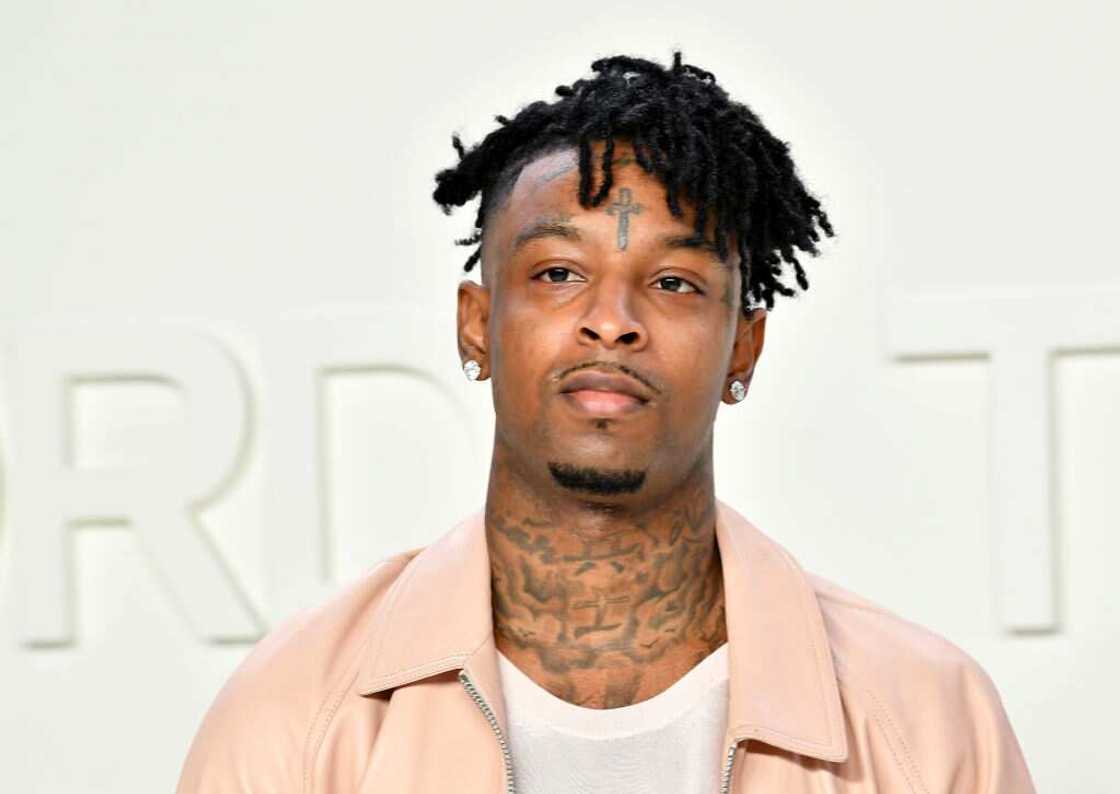
As of 2026, 21 Savage holds a higher estimated net worth of approximately $40 million, primarily driven by massive streaming royalties, high-grossing global tours, and strategic collaborations. Lil Yachty follows with an estimated $30 million, having successfully diversified his income through extensive brand partnerships, creative consulting, and a transition into experimental music and podcasting.
The Financial Trajectory of 21 Savage: From Street Anthems to Global Mogul
Shéyaa Bin Abraham-Joseph, known globally as 21 Savage, has seen a meteoric rise in his financial standing over the last decade. By 2026, his wealth is no longer just a product of viral hits but is built upon a foundation of catalog ownership and high-leverage partnerships. His journey from the underground Atlanta scene to a Grammy-winning artist has been marked by a shrewd understanding of his own market value.
The core of 21 Savage's wealth resides in his music catalog. Unlike many artists who signed predatory deals early in their careers, 21 Savage has maintained significant control over his masters and publishing. This control ensures that a larger percentage of every stream from hits like "Bank Account," "A Lot," and "Redrum" goes directly into his accounts. The 2024 release of American Dream and the subsequent 2025 world tour served as major liquidity events, reportedly grossing tens of millions in ticket sales and merchandise.
Furthermore, his collaboration with Drake on the 2022 album Her Loss was a turning point for his financial profile. The project solidified his status as a "tier-one" artist capable of selling out arenas globally. By 2026, the residual income from that project alone continues to generate millions in annual passive revenue. Beyond music, 21 Savage has invested heavily in financial literacy initiatives, partnering with credit unions and fintech companies. These partnerships are not just philanthropic; they are lucrative branding deals that position him as the face of modern financial responsibility for the youth.
Lil Yachty’s Transition from SoundCloud Star to Multi-Hyphenate Tastemaker
Miles McCollum, known as Lil Yachty, has taken a fundamentally different path to wealth. While his initial surge came from the "bubblegum trap" era of 2016, Yachty’s 2026 net worth of $30 million is the result of a deliberate pivot toward being a creative director and cultural tastemaker. Often referred to as the "King of Branding," Yachty has mastered the art of the corporate partnership.
Yachty’s portfolio of brand deals is among the most diverse in hip-hop. Over the years, he has held high-value contracts with Sprite, Target, Nautica, Reese’s Puffs, and UGG. These are not mere social media posts; they are multi-year creative roles where he often influences the aesthetic direction of the products. For instance, his role as a Creative Designer for Nautica allowed him to tap into the fashion industry’s revenue streams beyond simple endorsements.
In addition to branding, Yachty’s 2023 shift into psychedelic rock with Let’s Start Here fundamentally changed his earning potential. It allowed him to tap into the festival circuit—such as Coachella and Glastonbury—where performance fees are significantly higher than standard club appearances. His podcasting venture, A Safe Place, has also matured by 2026 into a profitable media property, attracting premium advertisers and further diversifying his income away from strictly relying on music sales.
Comparative Analysis: Music Catalog vs. Corporate Partnerships
When comparing the two, the distinction between "earned income" and "passive assets" becomes clear. 21 Savage’s wealth is "vertical"—it goes deep into the music industry. He makes more per song and per show than almost any of his peers. Lil Yachty’s wealth is "horizontal"—it spans across multiple industries, including fashion, food and beverage, and digital media.
21 Savage's touring revenue is his strongest financial pillar. In 2026, a headlining 21 Savage show can command between $500,000 and $1.2 million, depending on the venue and territory. Because his brand is built on authenticity and "street" credibility, his fans are highly loyal, leading to consistent sell-outs.
Conversely, Lil Yachty’s strength lies in his "work-for-hire" versatility. He is a prolific songwriter, often contributing to hits for other artists (such as the City Girls or Drake) without public fanfare. These "ghostwriting" or co-writing credits provide a steady stream of publishing checks that are unaffected by his own chart performance. While his per-show fee may be slightly lower than 21 Savage’s, his overhead is often lower, and his diverse revenue streams provide a safety net against the volatility of the music charts.
Business Entities and Independent Ventures
Both artists have moved toward the "label boss" model, which is a standard move for rappers looking to secure long-term wealth. 21 Savage’s Slaughter Gang is more than just a rap collective; it is a full-service management and production house. By signing emerging talent, he takes a percentage of their earnings, effectively creating a "venture capital" arm within his business empire.
Lil Yachty’s Concrete Boys label and creative collective function similarly but with a focus on multimedia. Yachty has integrated his label with his fashion and podcasting interests, creating a cross-promotional machine. By 2026, Concrete Boys has successfully launched several artists into the mainstream, providing Yachty with executive producer credits and label-owner dividends.
Another often overlooked aspect of their wealth is their involvement in the digital and tech space. Lil Yachty was an early adopter of social tokens and NFTs. While the hype of that era has subsided, he used the capital gained during that period to invest in more traditional tech startups and apps. 21 Savage has focused more on real estate, reportedly owning several residential and commercial properties in the Atlanta metropolitan area, providing him with stable, appreciating assets.
Comparative Financial Metrics for 2026
The following table summarizes the key financial indicators for both artists as of 2026, highlighting the different strategies they have employed to build their respective fortunes.
| Metric | 21 Savage | Lil Yachty |
|---|---|---|
| Estimated Net Worth | $40 Million | $30 Million |
| Primary Income Source | Music Royalties & Touring | Brand Partnerships & Consulting |
| Key Brand Partners | Epic Records, Tequila Brands | Sprite, Nautica, Reese's Puffs |
| Business Entity | Slaughter Gang | Concrete Boys |
| Asset Strategy | Real Estate & Masters Ownership | Creative Directing & Tech Investments |
| Peak Live Fee (Est.) | $1M+ per show | $350k - $600k per show |
| Grammy Awards | Multiple Wins | Nominee / Industry Influence |
Lifestyle, Real Estate, and Personal Assets
Wealth is often visible through lifestyle, but both 21 Savage and Lil Yachty have evolved in how they display their riches. 21 Savage, while known for his impressive jewelry collection (including his signature "Slaughter Gang" pieces), has become more private about his real estate holdings. Sources indicate he owns a multi-million dollar estate in Atlanta and has expanded his portfolio to include properties in the UK following the resolution of his immigration status, which allowed him to tour and invest internationally again.
Lil Yachty is known for his extensive car collection and high-end fashion taste. His "Concrete" mansion in Georgia is a testament to his success, featuring custom design elements that reflect his eclectic personality. Yachty's spending habits are often categorized as "lifestyle marketing." By wearing the rarest clothes and driving the newest cars, he maintains his status as a fashion icon, which in turn fuels more brand deals. It is a self-sustaining cycle where his personal expenses often double as business investments for his brand image.
However, 21 Savage's approach appears more focused on "generational wealth." His "21 Savage Bank Account" campaign isn't just a song title; it's a financial philosophy he has preached since 2018. By 2026, he is often cited as one of the most financially savvy individuals in hip-hop, frequently consulting with financial advisors to ensure his earnings from his "prime" years are invested in low-risk, high-yield vehicles.
Is 21 Savage richer than Lil Yachty in 2026?
Yes, 21 Savage is estimated to be worth approximately $10 million more than Lil Yachty. This gap is primarily due to 21 Savage's higher streaming numbers, his ownership of his master recordings, and his ability to headline massive global tours alongside other superstars like Drake.
How does Lil Yachty make most of his money?
While music is his platform, a significant portion of Lil Yachty’s wealth comes from corporate endorsements and creative consulting. He has established himself as a bridge between corporate brands and youth culture, commanding high fees for his "tastemaker" status and creative direction.
Does 21 Savage own his masters?
Yes, 21 Savage is well-known in the industry for negotiated deals that allow him to retain a high degree of ownership over his master recordings. This means he earns a significantly higher percentage of his streaming and sales revenue compared to artists in traditional "360 deals."
Are these net worth figures official?
No, these figures are estimates based on public earnings reports, tour grosses, brand contract values, and industry analysis. Net worth is a calculation of assets minus liabilities and can fluctuate based on market conditions, private investments, and spending.
Have they ever collaborated on business ventures?
While they are friends and have collaborated musically on tracks like "Gucci Flip Flops," they generally keep their business entities, Slaughter Gang and Concrete Boys, separate. However, both are part of the larger Atlanta music economy which benefits from their collective success.
Strategic Growth and Professional Legacy
The comparison between 21 Savage and Lil Yachty highlights two distinct but successful blueprints for financial longevity in the modern era. 21 Savage represents the "Pure Artist" model, where success is driven by the sheer volume of music consumption and the ability to command a massive live audience. His wealth is a testament to the power of artistic consistency and the financial benefits of owning one’s intellectual property.
Lil Yachty represents the "Modern Mogul" model, where the music is the starting point for a much larger brand ecosystem. His ability to pivot from rap to rock to podcasting while maintaining lucrative ties with Fortune 500 companies shows a level of adaptability that is rare in the entertainment industry. Yachty’s financial security is built on diversification, ensuring that even if his musical output slows down, his brand remains a valuable commodity.
Moving forward, both artists are positioned to remain wealthy for decades. 21 Savage’s focus on real estate and masters ownership provides a solid floor for his net worth, while Lil Yachty’s creative versatility provides a high ceiling for future business ventures. For fans and aspiring artists, their careers serve as a lesson in the importance of both artistic excellence and business acumen.