The 2026 Winter Olympics, officially known as Milano Cortina 2026, take place from February 6 to February 22, 2026, across Northern Italy. Viewers can watch the games live on NBC and Peacock in the United States, CBC in Canada, and through Eurosport and various national broadcasters throughout Europe and Asia.
The XXV Olympic Winter Games represent a historic shift in the Olympic movement, moving away from a single-city model toward a regional approach that spans the Italian provinces of Lombardy and Veneto, as well as the autonomous provinces of Trento and Bolzano. This distributed hosting model utilizes the existing infrastructure of the Italian Alps and the urban sophistication of Milan, promising a unique backdrop for the world’s premier winter sporting event. For fans looking to catch every moment, understanding the geographic spread and the multi-platform broadcasting landscape is essential for navigating the 17 days of competition.
The Official Schedule and Key Dates for Milano Cortina 2026
The competition window for the 2026 Winter Olympics is framed by two iconic ceremonies that bridge the gap between Italy’s industrial heart and its ancient heritage. The Opening Ceremony is scheduled for February 6, 2026, held at the legendary San Siro Stadium (Stadio Giuseppe Meazza) in Milan. This marks a departure from traditional winter games by hosting the kickoff in a massive, world-renowned football stadium, capable of seating 80,000 spectators.
Following the opening festivities, the games will run at full intensity until the Closing Ceremony on February 22, 2026. In a move that highlights Italy's cultural history, the closing event will take place at the Verona Arena, a Roman amphitheater that provides a dramatic, open-air setting for the handover to the 2030 host city. Between these two bookends, athletes will compete in 116 medal events across eight sports and 16 disciplines.
Viewers should note that preliminary rounds for certain high-volume sports, such as Ice Hockey and Mixed Doubles Curling, often begin one to two days before the official Opening Ceremony to accommodate the rigorous tournament brackets. The peak of the competition typically occurs during the middle weekend, when marquee events like the Men’s Downhill in Alpine Skiing and the Figure Skating individual finals are broadcast during global primetime windows.
Host Cities and Venue Clusters: A Distributed Olympic Vision
The 2026 games are organized into several distinct clusters, each specializing in specific sporting disciplines. This geographic distribution is a core component of the International Olympic Committee’s (IOC) Agenda 2020+5, which emphasizes sustainability by using existing or temporary venues rather than building permanent new structures that might go unused.
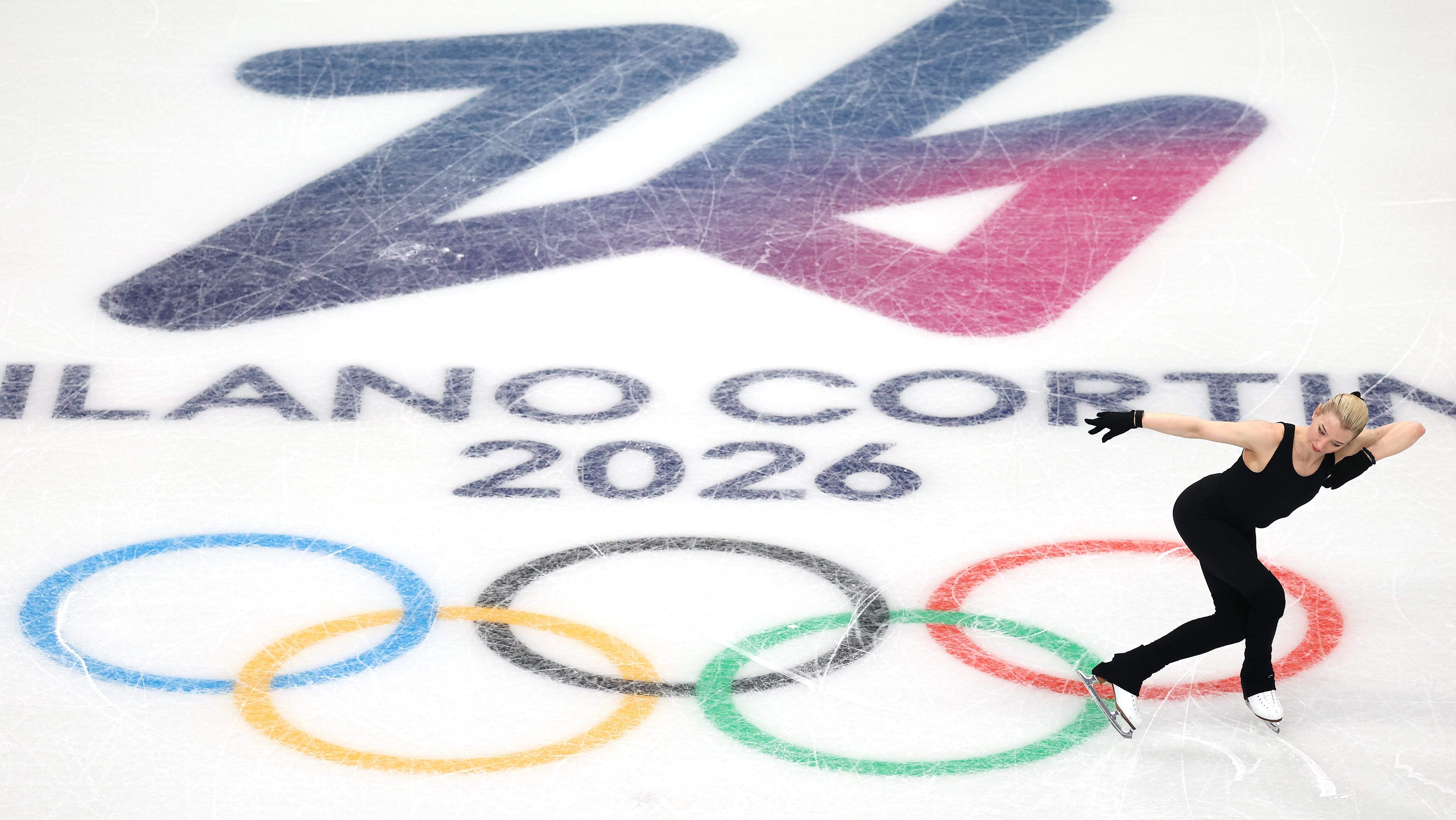
- The Milan Cluster: As the urban hub, Milan hosts the ice-based sports. Aside from the Opening Ceremony, the city’s venues—including the Milano Santagiulia Ice Hockey Arena and the Rho Fiera Milano—will be the center for Ice Hockey, Figure Skating, and Short Track Speed Skating.
- The Cortina d'Ampezzo Cluster: Returning to the world stage 70 years after it hosted the 1956 Winter Games, Cortina is the heart of mountain sports. The Olympia delle Tofane slope will host Women’s Alpine Skiing, while the historic Cortina Sliding Centre hosts Bobsleigh, Skeleton, and Luge. Curling will be held at the Stadio Olimpico del Ghiaccio.
- The Valtellina Cluster: Bormio and Livigno serve as the centers for high-adrenaline outdoor sports. Bormio’s "Stelvio" track is renowned as one of the most technical in the world and will host Men’s Alpine Skiing. Livigno will focus on Freestyle Skiing and Snowboarding events.
- The Val di Fiemme Cluster: This area in Trentino is the traditional home of Nordic disciplines. Predazzo will host Ski Jumping and Nordic Combined, while Tesero is the site for Cross-Country Skiing.
- Anterselva (Antholz): Located in South Tyrol, this venue is globally recognized as a premier Biathlon destination and will host all biathlon events for 2026.
Global Broadcast Partners: How to Watch in Your Region
Broadcasting rights for the 2026 Winter Olympics are divided among several major media conglomerates, ensuring that almost every corner of the globe has access to live coverage. Because the games are held in the Central European Time (CET) zone, viewers in the Americas will experience live events during the early morning and afternoon hours, while viewers in Asia and Oceania will see them in the evening and late-night slots.
In the United States, NBCUniversal maintains its exclusive rights to the Olympic Games. Coverage will be spread across the NBC broadcast network, cable channels like USA Network, and the comprehensive streaming service Peacock. NBC typically focuses on high-profile finals and athlete profiles during its evening primetime show, which often uses a mix of live look-ins and edited "tape-delayed" coverage to accommodate Western time zones.
In Europe, the rights are shared between Warner Bros. Discovery and the European Broadcasting Union (EBU). This means that Eurosport will provide exhaustive coverage across its linear channels and the Discovery+ streaming platform. Simultaneously, national public broadcasters—such as the BBC in the United Kingdom, RAI in Italy, and ARD/ZDF in Germany—will provide free-to-air coverage of major events, particularly those featuring national athletes.
For Canadian viewers, CBC/Radio-Canada continues its tradition as the Olympic home, offering extensive live streaming via the CBC Gem app and traditional television broadcasts. In Australia, the Seven Network typically provides multi-channel coverage and digital streaming through 7plus, though viewers should prepare for the significant time difference between Italy and the Australian Eastern Daylight Time (AEDT).
Streaming Strategy: Digital Access and 4K Coverage
The 2026 Winter Olympics are expected to be the most digitally accessible games in history. For those who want to watch specific disciplines that don't always make it to the main television broadcast—such as Curling or specific Snowboard heats—streaming is the primary solution.
Peacock (USA) is the central hub for American fans, offering every single event live and on-demand. This includes "Gold Zone," a whip-around show that moves between events as medal moments happen, similar to the NFL RedZone format. Most streaming platforms are also prioritizing 4K Ultra HD resolution and High Dynamic Range (HDR) for the 2026 games, providing enhanced clarity for the high-speed action of Alpine Skiing and the intricate movements of Figure Skating.
In addition to dedicated streaming apps, the official Olympics.com website and the Olympics mobile app will provide live results, "near-live" highlights, and behind-the-scenes content. Social media platforms like TikTok, YouTube, and Instagram have also partnered with broadcasters to provide vertical-format highlights and athlete-generated content, catering to a younger audience that consumes sports through short-form video.
| Cluster | Key Venue | Primary Sports |
|---|---|---|
| Milan | San Siro Stadium | Opening Ceremony |
| Milan | Milano Santagiulia Arena | Ice Hockey |
| Cortina | Olympia delle Tofane | Women's Alpine Skiing |
| Cortina | Stadio Olimpico del Ghiaccio | Curling |
| Bormio | Stelvio Course | Men's Alpine Skiing, Ski Mountaineering |
| Livigno | Mottolino/Carosello 3000 | Snowboarding, Freestyle Skiing |
| Anterselva | Südtirol Arena | Biathlon |
| Val di Fiemme | Stadio del Fondo | Cross-Country Skiing |
| Verona | Verona Arena | Closing Ceremony |
New Sports and Event Highlights for 2026
Every Olympic cycle introduces or modifies the event program, and Milano Cortina 2026 is no exception. The most significant addition to the 2026 program is Ski Mountaineering (Skimo). This sport involves athletes racing over mountainous terrain using both skiing and hiking techniques, requiring immense cardiovascular endurance and technical downhill skill. The debut of Skimo reflects the IOC’s desire to include sports that are deeply rooted in the host region’s culture, as ski touring is a staple of life in the Italian Alps.
Other changes include the addition of a Dual Moguls event in Freestyle Skiing and new team formats in various disciplines. The 2026 games also mark a push for gender equality, with the highest number of women’s events in Winter Olympic history. Specifically, the Women’s Ski Jumping large hill event and several mixed-team relays across multiple sports will be key highlights for viewers looking for fresh competition formats.
The Skeleton event will also see the addition of a mixed team event, further diversifying the "sliding" sports schedule. For fans of traditional events, the Men’s Ice Hockey tournament is expected to see a return of NHL players, following years of negotiations between the league, the NHLPA, and the IIHF. This return would elevate the hockey tournament to a "best-on-best" competition, likely becoming one of the most-watched segments of the 2026 games.
Practical Considerations for Live Viewing
Because the games take place in the Italian winter, weather can and will play a role in the "When" of watching. Alpine events are subject to delays or rescheduling due to high winds, heavy snowfall, or poor visibility. Viewers using streaming apps should enable "push notifications" for their favorite sports to receive real-time updates on schedule changes.
For those planning to travel to Italy, the 2026 games offer a unique logistical challenge. Unlike the compact footprint of Beijing 2022 or Sochi 2014, the Milano Cortina venues are hours apart. The Italian government has invested heavily in the "Olympic Loop" rail and road improvements to facilitate travel between Milan and the mountain clusters. However, spectators are encouraged to focus their attendance on a single cluster (e.g., staying in Cortina for sliding and skiing) rather than trying to commute between Milan and the Alps daily.
FAQ: Common Questions About Milano Cortina 2026
What is the time difference for viewers in North America?
The 2026 Winter Olympics are held in Central European Time (CET), which is 6 hours ahead of Eastern Time (ET) and 9 hours ahead of Pacific Time (PT). This means that many morning events in Italy will air in the middle of the night for North American viewers, while evening finals will occur during the North American morning or early afternoon.
Can I watch the 2026 Winter Olympics for free?
In many countries, public broadcasters provide free-to-air coverage. In the UK, the BBC will carry significant portions of the games. In Canada, CBC provides free streaming and broadcast options. In the U.S., while the main NBC broadcast channel is free with an antenna, a subscription to Peacock or a cable package is generally required for comprehensive, all-event access.
Why are the games split between Milan and Cortina?
The split-city model is part of a sustainability initiative to use existing world-class facilities rather than building new ones. Milan provides the necessary large-scale indoor arenas and hotel capacity, while Cortina d'Ampezzo and the surrounding Alpine regions provide the natural terrain required for outdoor winter sports.
What is the new sport being introduced in 2026?
Ski Mountaineering, often called "Skimo," makes its Olympic debut in 2026. It involves racing uphill and downhill on skis, often requiring athletes to carry their skis on their backs for steep technical sections. It is a highly popular sport in the European Alps.
Will NHL players participate in the 2026 Winter Olympics?
Current agreements between the NHL, the NHL Players' Association, and the International Ice Hockey Federation have signaled a commitment to allow NHL players to participate in the 2026 games. This would mark the first time since 2014 that the world's best professional players compete on the Olympic stage.
Prepare Your Viewing Strategy
To maximize your experience of the 2026 Winter Olympics, the best next step is to download the official apps of your regional broadcasters—such as Peacock in the US or CBC Gem in Canada—well ahead of the Opening Ceremony on February 6. Sync the Olympic schedule to your personal calendar, paying close attention to the 6-to-9-hour time difference if you are located in the Western Hemisphere. For those interested in the cultural aspects of the games, keep an eye on the "Road to Milano Cortina" digital series produced by the IOC, which provides athlete backstories and technical deep-dives into the new venues.