The landscape of modern hairdressing features a refined balance between nostalgic geometry and effortless texture, offering versatile options that cater to diverse hair densities, face shapes, and maintenance preferences. Navigating the evolving trends requires understanding how specific cuts alter facial proportions, interact with natural hair growth patterns, and adapt to daily styling routines.
Understanding the Shift Toward Texture and Individualized Structure
The current trajectory of women's hair styling moves away from uniform, heavily processed looks and toward cuts that emphasize personal authenticity and movement. Stylists are utilizing advanced texturizing techniques, such as point-cutting and slide-cutting, to remove bulk without sacrificing the structural integrity of the silhouette. This approach allows contemporary cuts to sit closer to the head while maintaining natural bounce and flow.
When evaluating these styles, the primary consideration should be individual hair texture—whether straight, wavy, coily, or fine. A cut that appears striking on straight hair may require entirely different layering strategies and daily styling products when applied to a tightly coiled or porous curl pattern. Recognizing your hair's natural tendencies helps ensure that the chosen style looks polished both immediately after a salon visit and weeks later as it grows out.
Key Silhouettes Defining Modern Haircuts
The current portfolio of fashionable cuts spans several distinct lengths and shapes, each designed to address specific aesthetic goals.
The Refined French Bob
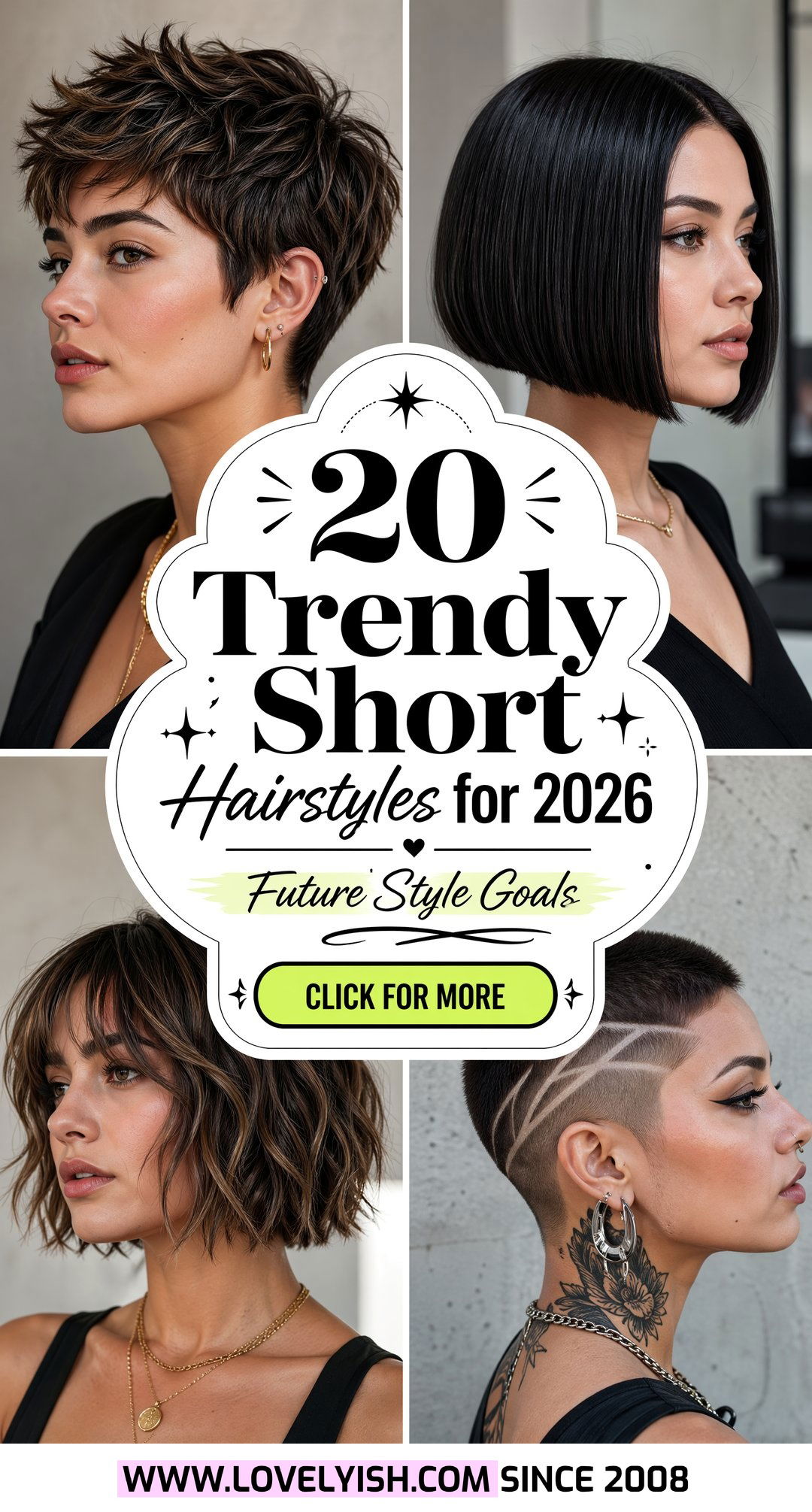
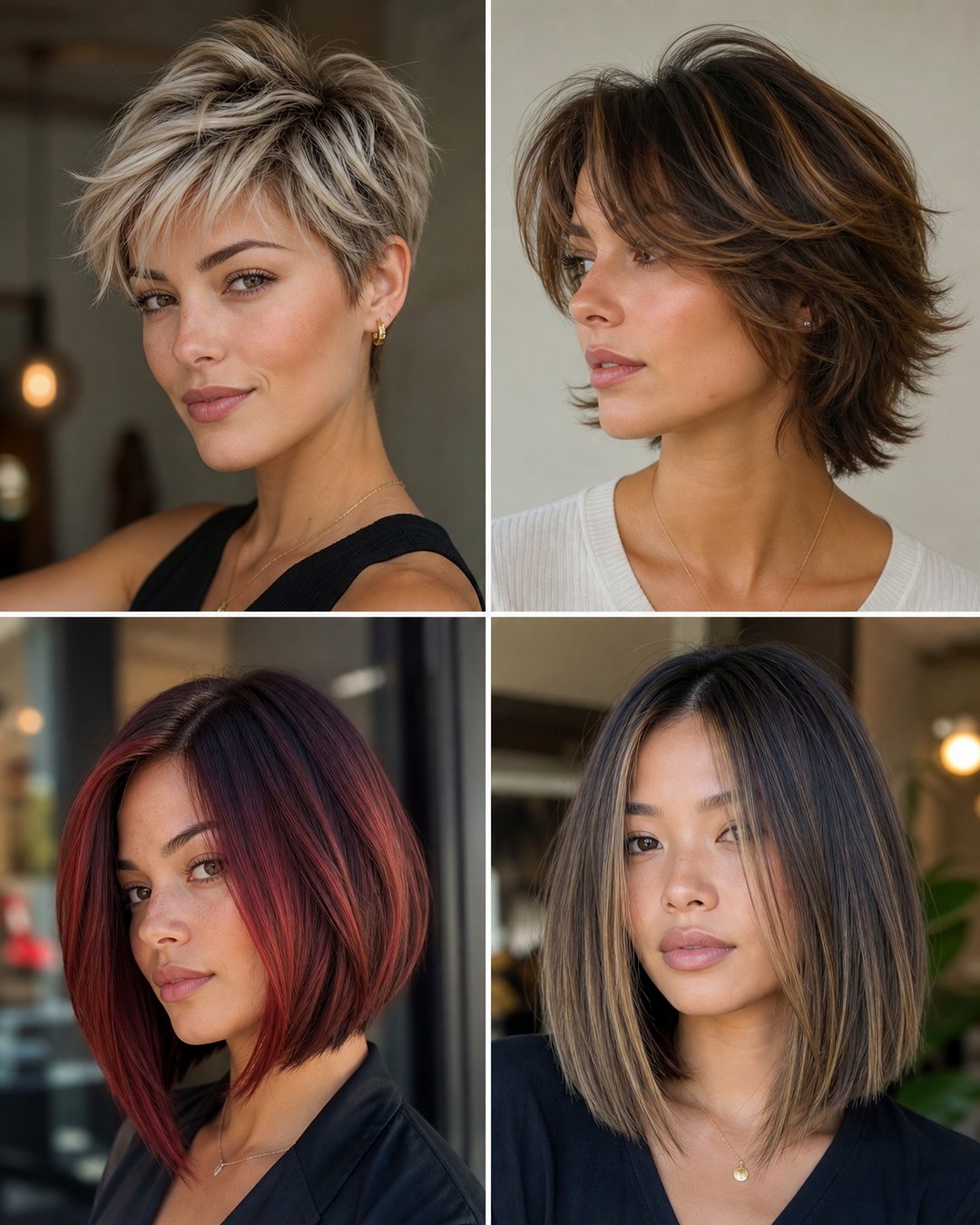
The classic French bob remains a cornerstone of short hair trends, characterized by a sharp perimeter that typically hits right at the jawline or lips. Modern variations incorporate subtle interior layering to prevent the ends from turning outward in an overly rigid manner, paired frequently with soft, eyebrow-skimming bangs that frame the eyes.
The Modern Shag and Wolf Cut
Evolutionary descendants of traditional rock-and-roll cuts, the contemporary shag and its softer relative, the wolf cut, rely on heavy crown layering and shattered ends. These styles excel at creating volume on fine hair and removing heavy weight from thick, unruly textures. They require a commitment to texturizing sprays and air-drying creams to maintain that intentionally undone finish.
Clavicut and Mid-Length Layers
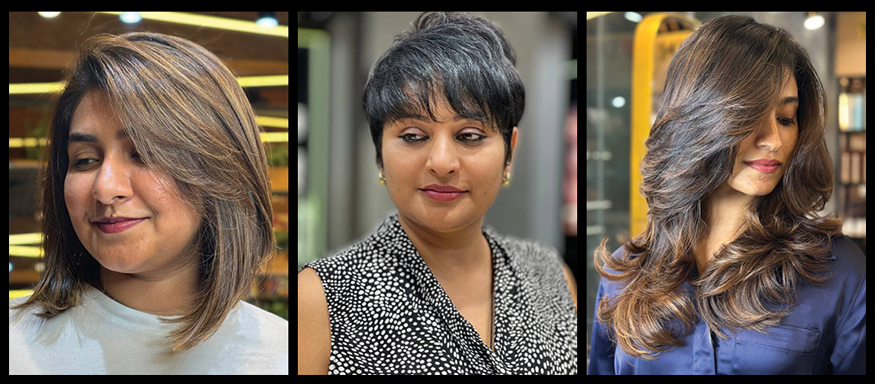
For those who prefer versatility, the clavicut—a blunt or slightly graduated lob (long bob) that rests right at the collarbone—offers the perfect middle ground. It is long enough to pull back into a low ponytail yet short enough to eliminate damaged ends quickly. Incorporating face-framing layers around the cheekbones helps personalize this mid-length style to suit round, oval, or square face structures.
Comparative Overview of Popular Trendy Cuts
| Style Name | Ideal Hair Texture | Maintenance Level | Face Shape Compatibility | Primary Styling Tool |
|---|---|---|---|---|
| French Bob | Straight to Wavy | Moderate to High | Oval, Heart, Square | Flat iron or round brush |
| Modern Shag | Wavy, Curly, Straight | Low to Moderate | Round, Oval, Diamond | Diffuser or texture spray |
| Clavicut | All Textures | Low | All Face Shapes | Medium barrel curling iron |
| Micro Bangs with Long Layers | Straight to Wavy | High | Oval, Heart | Mini straightener |
Maintenance Requirements and Upkeep Strategies
Adopting a new haircut involves factoring in the time and financial investment required for upkeep. Shorter cuts, such as jaw-length bobs or pixie variations, typically demand salon visits every four to six weeks to maintain their crisp geometry. Conversely, mid-length cuts and shags offer more flexibility, often allowing for an eight-to-ten-week interval between trims as the layers grow out gracefully.
Beyond salon visits, daily hair health dictates how well a trendy style holds its shape. Chemical processing, heat styling, and environmental exposure can degrade the precision of blunt ends and weaken fragile layers. Incorporating bond-building treatments, heat protectants suited to your hair porosity, and moisture-balancing masks ensures that structural cuts retain their intended movement and shine.
How to Choose the Right Cut for Your Face Shape and Lifestyle
Selecting a style should involve a collaborative consultation with a professional stylist who evaluates your bone structure, hairline growth patterns, and daily time constraints. While digital inspiration photos provide a helpful starting point, adapting those concepts to fit your physical features is essential for a successful outcome.
- Assess Your Routine: Be realistic about the time you dedicate each morning to drying and styling. If you prefer a wash-and-go routine, avoid blunt bobs that require precise smoothing and opt instead for textured lobs or layered cuts that embrace natural wave patterns.
- Analyze Bone Structure: Use face-framing pieces to balance proportions. For instance, side-swept bangs can soften angular jawlines, while curtain bangs help narrow a broader forehead.
- Consider Hair Density: Fine hair benefits from blunt lines that create the illusion of thickness, whereas thick, dense hair requires internal thinning and strategic layering to prevent a triangular silhouette.
Frequently Asked Questions
How often should I trim a trendy layered haircut to maintain its shape?
Most layered styles require a maintenance trim every six to eight weeks to prevent split ends from traveling up the hair shaft and to keep the layers sitting at the correct elevation. Shorter styles with precise geometric lines may need attention every four to five weeks.
Are bangs difficult to manage with a new haircut?
Bangs require more frequent washing and styling than the rest of your hair because they sit against the forehead and collect natural oils. Maintenance also includes trim appointments every two to three weeks to keep them out of your eyes.
Can I pull off a short haircut if I have curly or coily hair?
Yes, short cuts look striking on curly and coily textures, provided the stylist cuts the hair dry to account for shrinkage. A specialized curl specialist will shape the hair tier by tier to create a rounded, voluminous silhouette without unwanted bulk.
What is the best way to transition from long hair to a dramatic bob?
Transition in stages if you feel hesitant about a drastic change. Move first to a collarbone-length clavicut to adjust to having less weight around your shoulders, then shorten the length further during your next salon visit once you feel comfortable with the mid-length look.
How do I protect my hair from heat damage when styling daily?
Always apply a lightweight, silicone- or polymer-based heat protectant spray to damp hair before using blow-dryers, irons, or hot brushes. Additionally, keep your styling tools set to the lowest effective temperature for your specific hair thickness.
Next Steps for Your Salon Visit
To ensure your upcoming salon appointment yields the desired results, collect three to four reference images that clearly show the front, side, and back angles of the cut you want. Discuss your daily styling habits honestly with your stylist, including the products you currently use and how much time you are willing to spend styling. Request a realistic assessment of how the cut will perform on your specific hair texture between washes, and establish a maintenance schedule before leaving the chair.