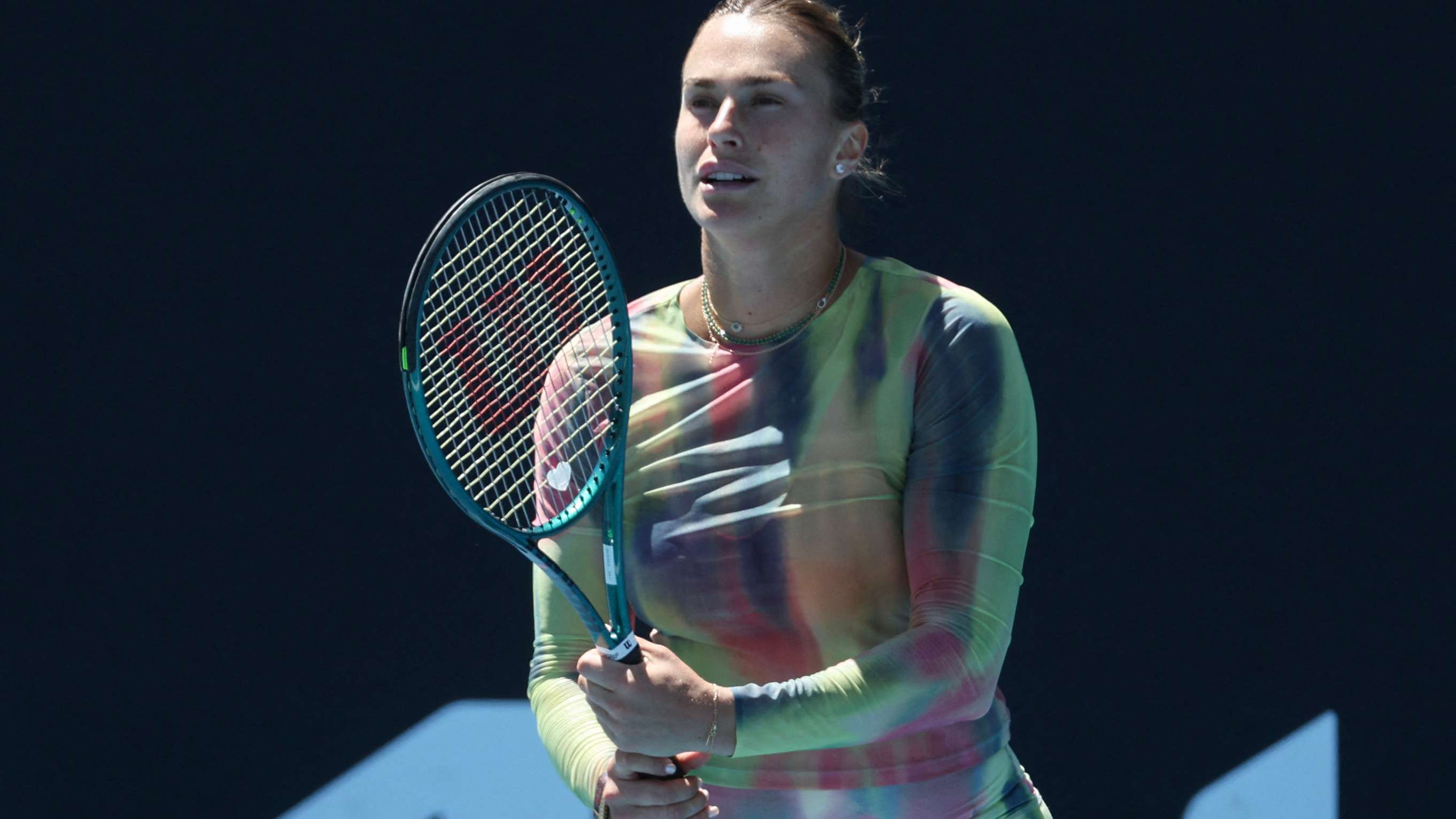
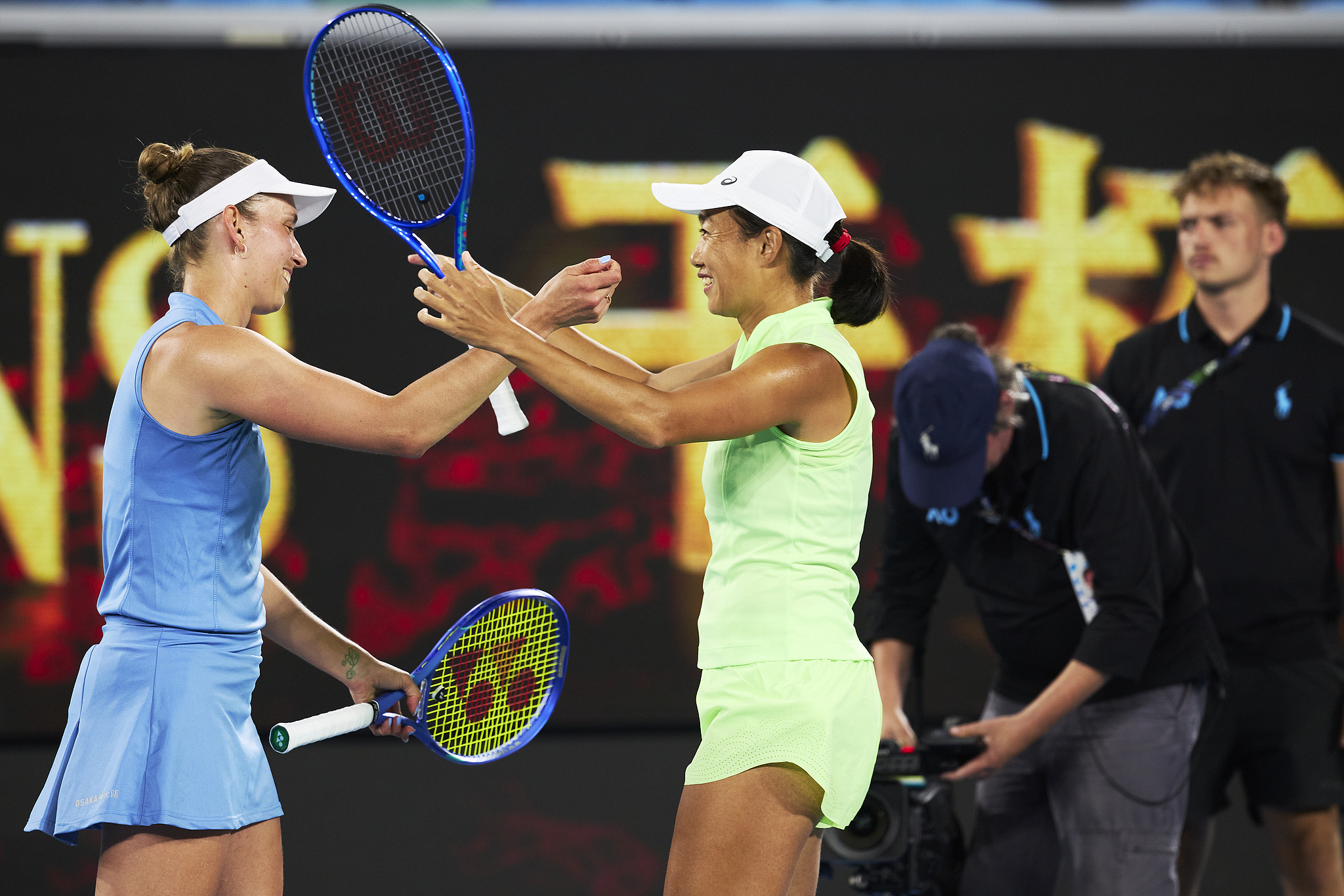
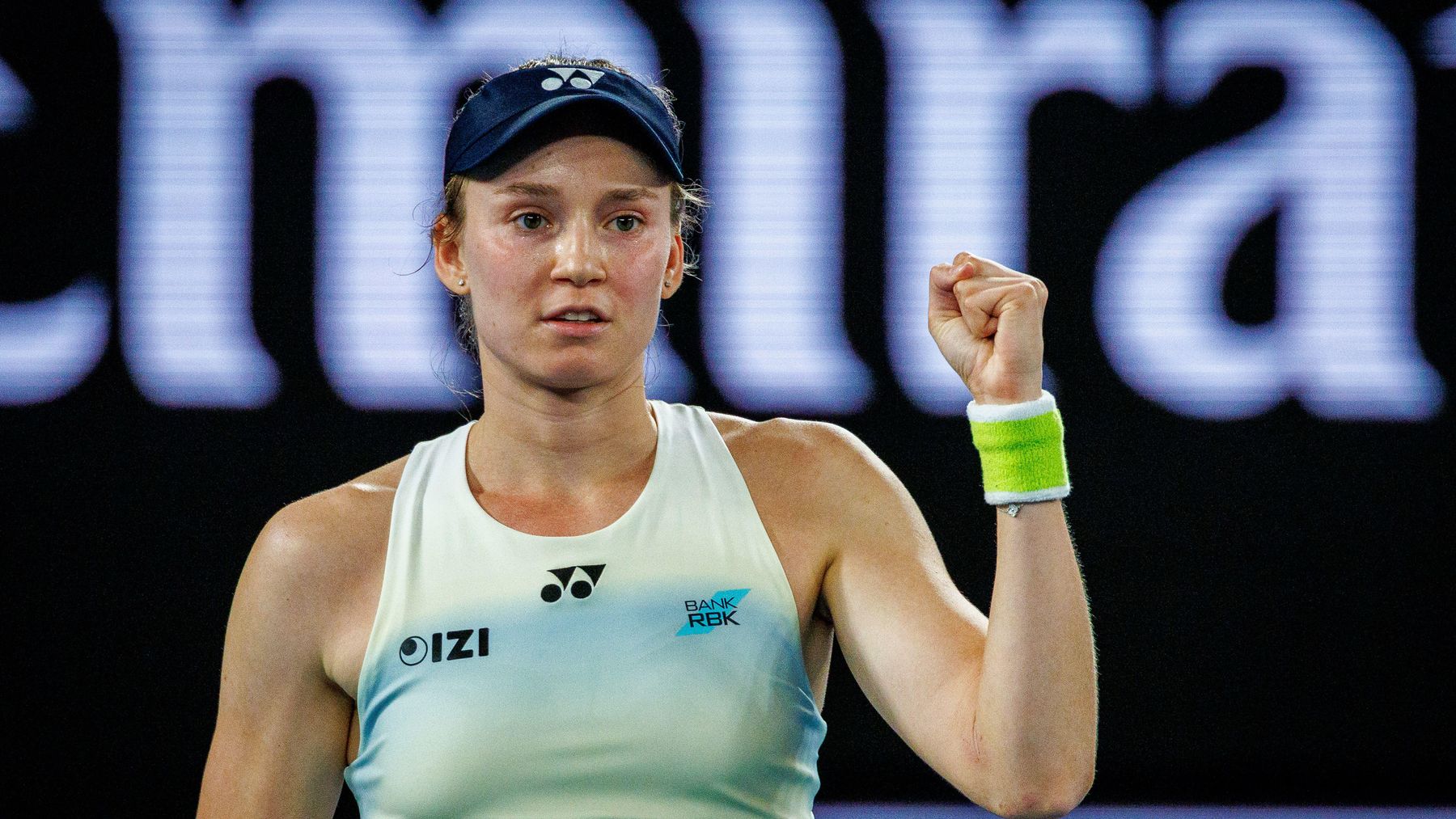
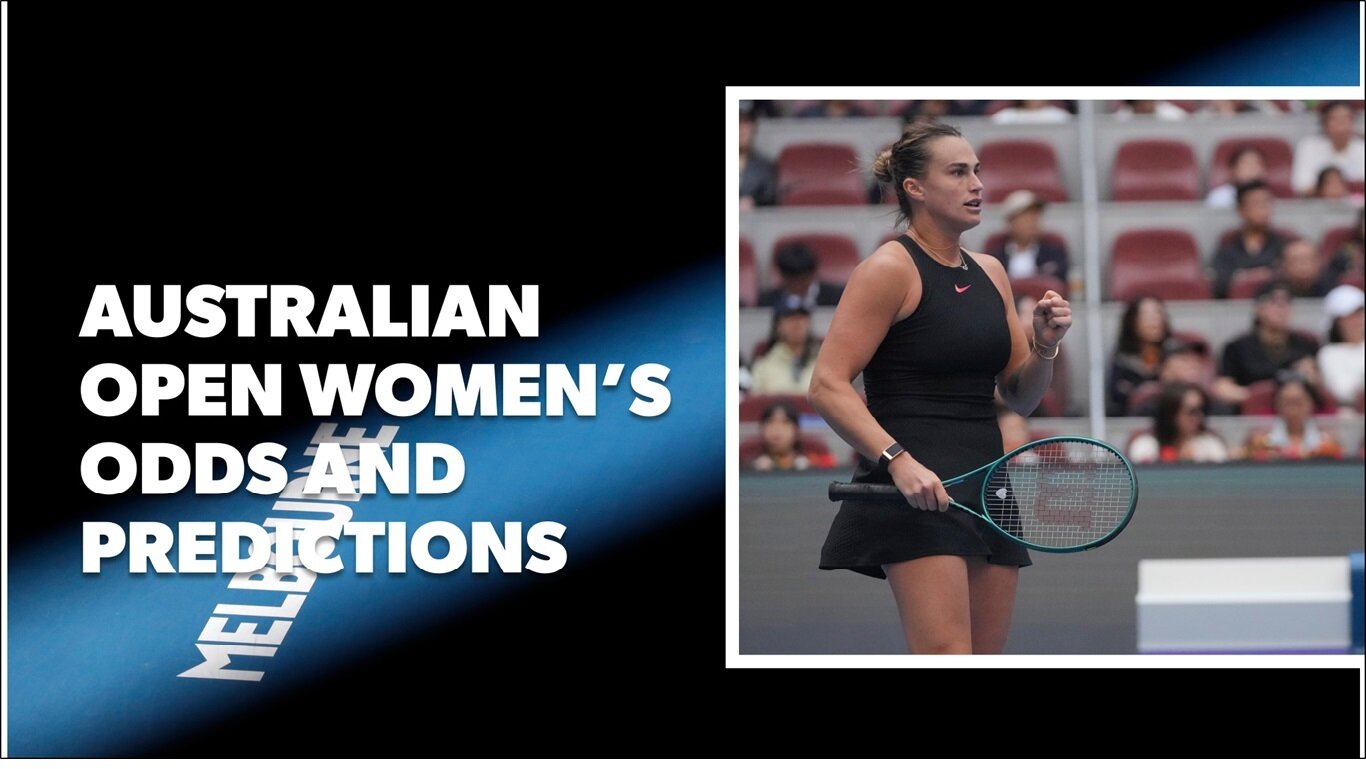
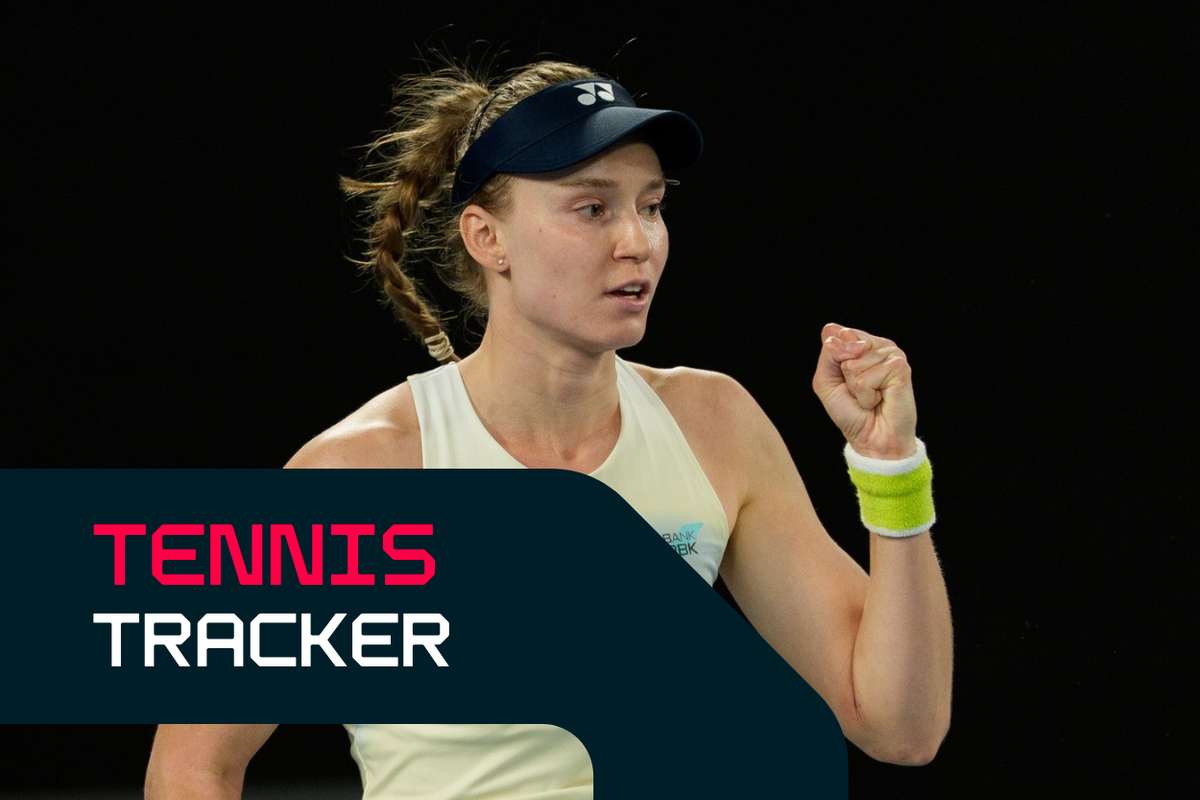
The 2026 Australian Open women’s final represents the pinnacle of hard-court tennis, showcasing a season where the hierarchy of the WTA tour has reached a fascinating equilibrium. As the tour descends upon Melbourne Park this January, the competition for the Daphne Akhurst Memorial Cup has narrowed down to a clash between established power-hitters and the next generation of tactical geniuses. This preview analyzes the statistical trends, surface conditions, and player form defining the 2026 championship match.
Predicting the 2026 Australian Open women's final requires balancing Aryna Sabalenka’s historical dominance in Melbourne against the defensive evolution of Coco Gauff and Iga Swiatek’s tactical refinements. Current data suggests a high probability of a Sabalenka-Gauff final, with Sabalenka holding a slight edge due to her superior serve-return metrics on the fast Rod Laver Arena surface.
The State of the WTA Tour in 2026
Entering the 2026 season, the women’s game has moved past the era of unpredictable "one-off" Grand Slam winners. The "Big Three" of the mid-2020s—Aryna Sabalenka, Iga Swiatek, and Coco Gauff—have solidified their hold on the rankings, with rising stars like Mirra Andreeva and Qinwen Zheng providing consistent pressure.
The 2025 season saw a significant shift in how these players manage their schedules. We are seeing a more rested and physically peaked field in Melbourne this year. The 2026 Australian Open has been characterized by faster court speeds, with the Court Pace Index (CPI) at Rod Laver Arena hovering around 42, placing it firmly in the "Medium-Fast" category. This favor’s aggressive baseline play and puts a premium on first-serve percentage.
Furthermore, the introduction of advanced wearable biometrics in 2025 has allowed coaching teams to optimize recovery times during the grueling Australian summer. This has resulted in fewer injury-forced retirements in the early rounds of 2026, ensuring the finalists are at their absolute physical peak for the Saturday night showdown.
Key Contenders for the 2026 Final
Aryna Sabalenka: The Queen of Melbourne
Sabalenka enters the 2026 final as the most successful hard-court player of the last four years. Her affinity for the Australian Open is well-documented, following her back-to-back titles in 2023 and 2024. In 2026, her game has matured; she no longer relies solely on raw power but has integrated a more reliable slice and improved net approach shots.
Statistically, Sabalenka’s second serve win percentage has stayed above 52% throughout the 2026 tournament, a critical metric that prevents opponents from dictating play. If she reaches the final, her experience under the Rod Laver Arena lights makes her the presumptive favorite.
Coco Gauff: The Defensive Wall
Now 21 years old, Coco Gauff has reached her physical prime in 2026. Her movement remains the best on tour, but the "Gauff of 2026" has a significantly more stable forehand than in previous years. Working with her refined coaching team through 2025, she has shortened her backswing, allowing her to handle the pace of players like Sabalenka or Elena Rybakina more effectively. Gauff’s path to the 2026 final has been defined by her "plus-one" patterns—using her serve to set up a dominant first strike.
Iga Swiatek: Solving the Hard Court Puzzle
While Swiatek has dominated Roland Garros, the Australian Open remained her "final frontier" heading into 2026. In the current season, Swiatek has adjusted her return position, standing further back to give herself time to neutralize heavy serves. Her 2026 performance shows a player who has finally mastered the wind and heat of Melbourne, using her heavy topspin to pull opponents off the court, even on the slicker hard surfaces.
Technical Analysis: Surface and Conditions
The 2026 Australian Open continues to use the GreenSet acrylic surface. While the color remains the iconic blue, the friction coefficient has been tweaked slightly for 2026 to encourage more variety in play.
Environmental Factors in 2026:
- The Heat Stress Scale: The 2026 tournament has seen several days where the Extreme Heat Policy was enacted. Players who can finish matches quickly have a distinct advantage in the final, as cumulative fatigue is a major factor by the second Saturday.
- Night Session Dynamics: The women's final is a night event. The cooling temperatures cause the balls (Dunlop Australian Open) to feel "heavier" and move slightly slower through the air compared to day sessions. This transition favors players with natural power who can hit through the denser night air.
- The Roof Factor: If the Rod Laver Arena roof is closed due to heat or rain, the conditions become indoor-like. This eliminates wind variables and favors the clean ball-striking of Iga Swiatek or Elena Rybakina.
Statistical Comparison of Potential Finalists
The following table compares the key performance indicators (KPIs) for the leading candidates based on their 2025 season performance and 2026 Australian Open form.
| Metric (Hard Court) | Aryna Sabalenka | Coco Gauff | Iga Swiatek | Qinwen Zheng |
|---|---|---|---|---|
| First Serve Win % | 76% | 71% | 69% | 74% |
| Break Points Saved % | 64% | 68% | 58% | 61% |
| Return Games Won % | 39% | 43% | 48% | 35% |
| Avg. Forehand Speed | 128 km/h | 119 km/h | 122 km/h | 124 km/h |
| Unforced Error Ratio | 0.85 (per game) | 0.72 (per game) | 0.65 (per game) | 0.92 (per game) |
Data compiled from 2025 WTA Tour Finals and 2026 AO early-round tracking.
Tactical Matchup: Power vs. Precision
A potential 2026 final between Sabalenka and Gauff would be a tactical masterclass. Sabalenka’s primary objective is to keep rallies short, typically under five shots. In the 2026 tournament, she has been successful in winning 70% of points that end within the first four shots.
Conversely, Gauff’s strategy relies on "extending the point." In 2026, she has led the field in "steals"—points won after being in a defensive position. For Gauff to win the 2026 final, she must target the Sabalenka forehand on the run, a shot that remains the most likely to break down under extreme pressure.
If the final features Iga Swiatek, the tactical focus shifts to the return of serve. Swiatek’s ability to take the ball early on the return can rush power-hitters, preventing them from establishing their rhythm. However, on the fast 2026 courts, Swiatek must ensure her second serve isn't exploited by aggressive returners.
Dark Horses and Unexpected Finalists
While the top seeds are favored, the 2026 season has seen the rise of Mirra Andreeva. At 18 years old, she has developed the physical strength to match her elite tennis IQ. Her run to the 2026 semifinals showed that she could dismantle higher-ranked players through drop shots and directional changes.
Another name to watch is Qinwen Zheng, whose serve remains one of the most potent weapons on the WTA tour. If the conditions are hot and the balls are flying, Zheng’s ability to earn "free points" via aces makes her a dangerous finalist who could disrupt the "Big Three" dominance.
Expert Prediction for the 2026 Women’s Final
Given the current trajectory of the 2026 tournament, the most likely outcome is a victory for Aryna Sabalenka. Her experience in Melbourne is an intangible factor that cannot be overlooked. While Gauff and Swiatek have closed the gap, Sabalenka’s ability to serve her way out of trouble on the fast Rod Laver Arena surface gives her the edge.
Predicted Scoreline: Sabalenka def. Gauff (6-4, 3-6, 7-5).
This prediction assumes a night-session match where Sabalenka can utilize the slightly slower air to find her targets with more precision while still maintaining the power advantage. Gauff will likely push the match to a third set through her superior conditioning, but Sabalenka’s newfound mental composure—a hallmark of her 2025/2026 campaigns—should see her through the pressure moments.
How to Follow the Final
The 2026 women's final is scheduled for Saturday evening at Melbourne Park. Fans can follow the action through official broadcasters such as Channel 9 in Australia, ESPN in the United States, and Eurosport across Europe.
For those interested in technical analysis, the IBM SlamTracker provides real-time data on "Keys to the Match," showing whether players are hitting their targeted benchmarks for serve speed and rally length.
Frequently Asked Questions
Who is the defending champion at the 2026 Australian Open?
Aryna Sabalenka and the 2025 champion (which was a highly competitive season) are the primary benchmarks. Entering 2026, the field is chasing the standard set by the 2025 winner, with Sabalenka seeking to reclaim her 2024 dominance.
What is the prize money for the 2026 Australian Open women's winner?
For 2026, Tennis Australia has increased the prize pool to record levels. The women’s singles winner is expected to receive approximately AUD $3.25 million, maintaining pay parity with the men's champion.
Where is the women's final played?
The final is held at Rod Laver Arena, the center court of Melbourne Park. It features a retractable roof and a seating capacity of nearly 15,000.
How does the heat affect the 2026 final?
The Extreme Heat Policy (EHP) uses a scale of 1 to 5 considering air temperature, radiant heat, humidity, and wind speed. If the scale hits 5.0, play is suspended or the roof is closed, which significantly changes the court speed and ball bounce.
What time does the women's final start in 2026?
The match is traditionally scheduled for a 7:30 PM (AEDT) start on the final Saturday of January. This ensures a global prime-time audience and more temperate playing conditions for the athletes.
Final Recommendations for Fans and Analysts
To get the most out of the 2026 final, observers should focus on the first two games of the second set. Historically, this is where the momentum shifts in high-stakes WTA finals. Additionally, monitoring the "First Serve In" percentage during the first four games will provide an early indication of which player has settled their nerves. For those attending in person, the practice courts on the morning of the final offer a unique glimpse into the tactical focus of each finalist's coaching team.