The 2025 tour season was defined by high-profile reunions, including Oasis and Linkin Park, alongside massive stadium runs by global icons like Billie Eilish, Coldplay, and Katy Perry. This year marked a significant shift toward multi-night stadium residencies and intensified digital security measures to combat the persistent challenges of the secondary ticket market.
The Landscape of Live Music and Global Touring in 2025
The 2025 concert calendar represented a pivotal moment for the music industry, characterized by the return of "event-level" touring. Following the massive success of multi-year treks in previous seasons, 2025 saw artists prioritizing larger venues over long-term schedules, often opting for three-to-five-night stands in major metropolitan hubs. This strategy, designed to reduce travel fatigue and environmental impact, turned cities like London, Los Angeles, and Tokyo into temporary pilgrimage sites for international fans.
From a technical perspective, the production value of these tours reached new heights. The integration of advanced augmented reality (AR) through mobile apps and the widespread use of sophisticated LED kinetic structures became the industry standard. Furthermore, sustainability became a core requirement rather than an optional add-on, with many major tours implementing rigorous carbon-offsetting protocols and waste-reduction mandates that affected everything from merchandise production to local venue operations.
Headline Artists and Defining Tours of the Year
Several artists dominated the 2025 headlines, each bringing a unique structural approach to their live performances. The year was largely characterized by "comeback" energy and the continued dominance of Gen Z superstars who have successfully transitioned from arenas to full-scale stadiums.
Oasis: The Live ’25 Reunion
Undoubtedly the most anticipated event of the year, the Oasis Live ’25 tour saw the Gallagher brothers reunite for their first performances since 2009. The tour focused heavily on the UK and Ireland, with multiple nights at Wembley Stadium and Heaton Park. The demand for these shows was unprecedented, leading to a massive debate regarding "dynamic pricing" and the role of automated queue systems in modern ticketing. For fans, the tour was a masterclass in Britpop nostalgia, maintained by a "no-frills" stage design that prioritized the music over elaborate pyrotechnics.
Billie Eilish: Hit Me Hard and Soft: The Tour
Billie Eilish’s 2025 world tour supported her third studio album, focusing on an intimate yet high-tech "in-the-round" stage configuration. This design allowed for a greater number of floor tickets while keeping the artist closer to the audience. Eilish continued her commitment to environmental advocacy by partnering with non-profits to host "Eco-Villages" at every venue, encouraging fans to participate in climate action in exchange for exclusive tour merchandise.
Linkin Park: From Zero World Tour
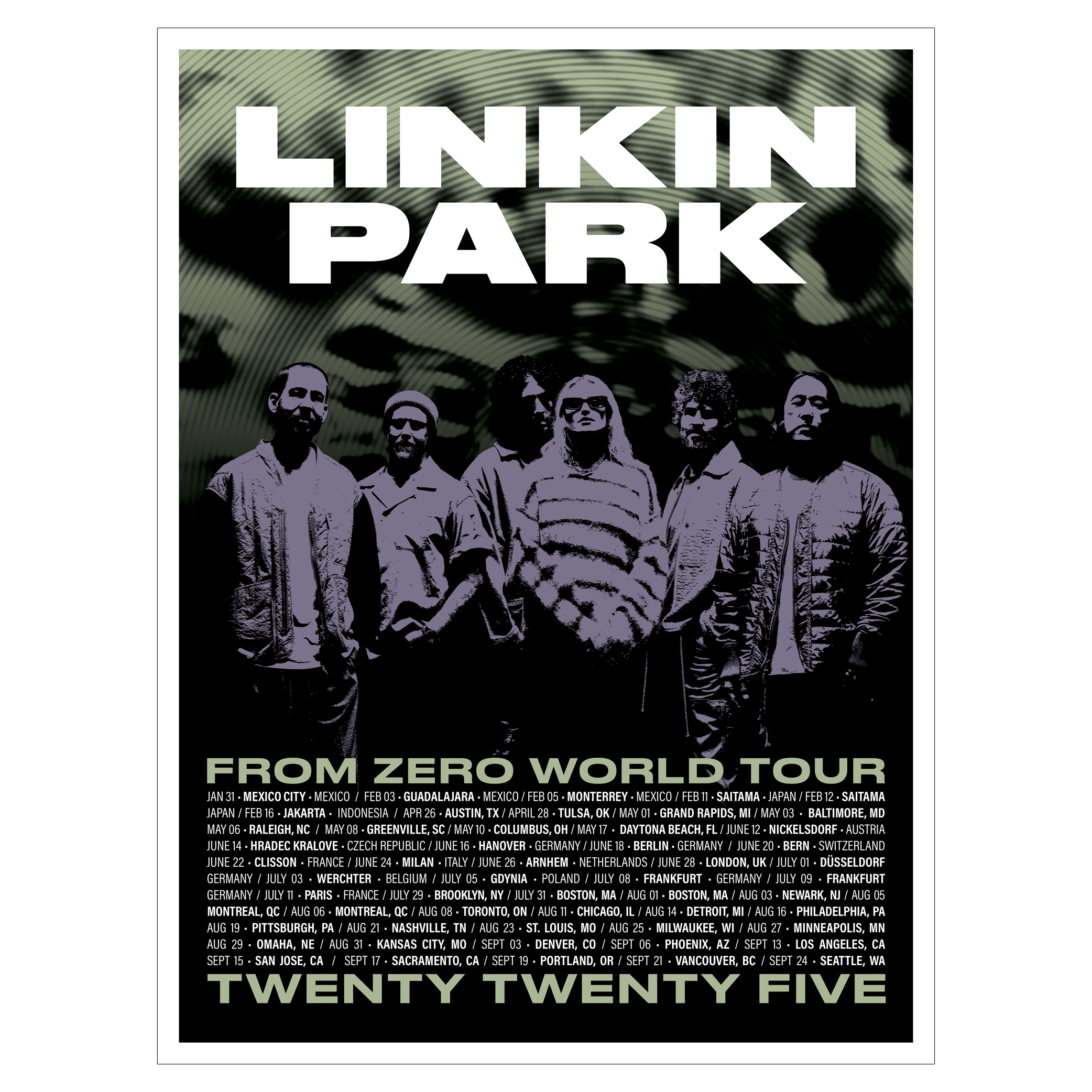
Following the introduction of Emily Armstrong as the band's new co-vocalist, Linkin Park embarked on an extensive global run in 2025. The "From Zero" tour was a technical marvel, utilizing "hydro-projection" screens and immersive soundscapes to bridge the gap between their nu-metal roots and their new era. The tour served as a successful proof-of-concept for the band's legacy, selling out arenas across Europe, Asia, and the Americas.
Ticketing Evolution: Dynamic Pricing and Fan Verification
The year 2025 will be remembered as a flashpoint for the evolution of concert ticketing. Following the controversies of 2023 and 2024, the industry faced immense pressure to regulate "platinum" pricing and the automated scalping of high-demand shows.
The Rise of Face-Value Exchanges
To combat the hyper-inflation of ticket prices on the secondary market, many 2025 tours (including those by Billie Eilish and Ed Sheeran) mandated the use of Face-Value Exchanges. This system restricted fans from selling tickets for more than the original purchase price, often requiring the use of the primary ticket provider’s proprietary app for the transfer. While this frustrated professional resellers, it significantly increased the accessibility of tickets for genuine fans.
Dynamic Pricing and Consumer Backlash
The 2025 Oasis tour served as a primary case study for the pitfalls of dynamic pricing—a model where ticket prices fluctuate in real-time based on demand. In the UK, this led to formal investigations by the Competition and Markets Authority (CMA) after fans reported prices jumping from £150 to over £350 while they were still in the digital queue. By late 2025, many artists began "opting out" of these features to preserve their brand reputation and fan loyalty.
Comparison of Major 2025 Touring Operations
The following table outlines the operational scale and primary characteristics of the top-performing tours during the 2025 cycle.
| Artist/Tour Name | Primary Venue Type | Production Highlight | Sustainability Focus |
|---|---|---|---|
| Oasis: Live '25 | Stadiums | Minimalist "Rock 'n' Roll" | Low (Standard logistics) |
| Billie Eilish: HMHAS | Arenas (In-the-round) | 360-degree LED Flooring | High (Plant-based concessions) |
| Linkin Park: From Zero | Arenas & Stadiums | AI-generated Visuals | Medium (Carbon offsets) |
| Coldplay: Music of the Spheres | Stadiums | Kinetic Dance Floors | Very High (Power-generating floors) |
| Katy Perry: The Lifetimes Tour | Arenas | High-concept Pop Surrealism | Medium (Recycled wardrobe) |
| Metallica: M72 (Extended) | Stadiums (No Repeat Weekend) | The "Snake Pit" Center Stage | Medium (Community food banks) |
The Economic Impact of "Tour-ism"
In 2025, the phenomenon of "Tour-ism"—traveling specifically to attend a concert—matured into a significant driver of local economies. Cities that hosted multi-night stands saw massive spikes in hotel occupancy, public transport usage, and local hospitality revenue.
For example, when major tours visited cities like Cardiff, Lyon, or Melbourne, local chambers of commerce reported economic injections ranging from $20 million to $50 million per weekend. This led to a "bidding war" between cities to secure exclusive dates for 2025 and 2026. However, this also contributed to "event inflation," where the cost of local services rose temporarily, pricing out residents who were not attending the events.
Logistics and Travel Planning
The complexity of international touring in 2025 required fans to plan their logistics up to a year in advance. With flight costs remaining volatile, many European fans utilized the expanded high-speed rail networks to attend shows, supported by "concert-special" train schedules between major cities like Paris and Berlin. In North America, the lack of comparable rail infrastructure meant that car-pooling and shuttle services organized by fan communities became the primary mode of transport to suburban stadiums.
Technical Requirements for Attending 2025 Events
Attending a major tour in 2025 was no longer as simple as carrying a paper ticket. The "digital-first" approach reached its apex, requiring fans to meet several technical prerequisites:
- Proprietary App Installation: Most venues and artists required the use of specific apps (e.g., Ticketmaster, AXS, or DICE) for entry. These apps often used rotating QR codes that refreshed every 15 seconds to prevent screenshots from being used for fraudulent entry.
- NFC and RFID Integration: Many premium and VIP packages included RFID-enabled wristbands that were linked to the fan's digital wallet, allowing for "contactless" merchandise purchases and entry into exclusive lounge areas.
- Two-Factor Authentication (2FA): To secure high-value tickets, 2FA became mandatory for all ticket transfers, significantly slowing down the resale process but drastically reducing instances of account hacking.
Common Troubleshooting Issues
Throughout 2025, the most common hurdle for concert-goers was "mobile-only" entry in areas with poor cellular reception. Modern stadiums addressed this by installing high-density Wi-Fi 6E networks, but fans were still advised to download their tickets to their Apple or Google Wallets before arriving at the venue.
FAQ: Essential Information About 2025 Tours
What happened to the 2025 Oasis tickets that were sold on secondary sites?
Many of the tickets listed on sites like Viagogo or StubHub for the 2025 Oasis tour were subject to cancellation by the promoters. The band’s management issued multiple warnings that any tickets sold outside of the official face-value exchange (Ticketmaster and Twickets) would be invalidated to prevent price gouging.
Did Billie Eilish use dynamic pricing for her 2025 tour?
No, Billie Eilish was one of the major artists who opted out of dynamic pricing for the North American and European legs of her "Hit Me Hard and Soft" tour. She also utilized "all-in" pricing in many regions, showing fans the total cost of the ticket including fees upfront.
Were there any major 2025 tours cancelled or rescheduled?
While most major runs proceeded as planned, some mid-sized tours faced challenges due to rising logistics costs. It is always recommended to check the official artist website for the final archive of 2025 dates to verify if a specific show was completed or moved to a later window.
How did the "No Repeat Weekend" work for Metallica in 2025?
Metallica continued their "M72" world tour format, where they played two nights in every city with two completely different setlists and different opening acts. This encouraged fans to buy "Two-Day Tickets," effectively doubling the economic impact on the host city while providing a unique experience for die-hard fans.
Is there still merchandise available for 2025 tours?
While physical merchandise booths are closed, most major 2025 tours maintain "Online Tour Stores" for approximately 6 to 12 months after the final show. Aftermarket platforms like Grailed or Depot also host a vibrant secondary market for tour-exclusive apparel, though authenticity verification is recommended.
Next Actions for Fans and Collectors
As the 2025 tour cycle concludes and the industry shifts its focus toward the 2026/2027 calendar, fans should take several steps to preserve their experiences and prepare for future announcements. First, ensure you have saved any digital memories or "live photos" captured during the events, as some tour-specific apps may discontinue support for older event data. Second, if you have unused credits in venue-specific digital wallets, check their expiration dates.
For those looking forward, the success of the 2025 stadium model suggests that 2026 will see even more multi-night residencies. Monitoring official band mailing lists remains the most effective way to secure "presale codes," which were the only reliable method for obtaining tickets at face value during the high-demand 2025 season.