The standout book club picks of 2025 were defined by a shift toward complex interpersonal dynamics, the revival of magical realism, and a focus on historical perspectives previously left in the margins. Highly discussed titles included Sally Rooney’s Intermezzo, Haruki Murakami’s The City and Its Uncertain Walls, and Elizabeth Strout’s Tell Me Everything, all of which provided the necessary thematic depth and polarizing character arcs required for vibrant group debate.
The Evolution of Book Club Selection in 2025
Reflecting on the literary landscape from our current 2026 perspective, 2025 proved to be a transformative year for reading groups. The trend moved away from light "beach reads" toward what critics have termed "High-Stakes Realism." Readers in 2025 sought stories that mirrored the complexities of post-digital isolation while offering a sense of grounded human connection.
Book clubs, in particular, prioritized narratives with "gray-area" ethics. A successful book club selection is rarely about a story everyone loves; rather, it is about a story everyone has a different opinion on. The 2025 list was dominated by authors who mastered the art of the "unreliable narrator" or the "unresolved ending," forcing members to engage in hours of speculation and analysis.
Furthermore, 2025 saw the "BookTok" influence mature. Instead of just driving sales for tropes, the platform began elevating translated fiction and backlist titles that complemented new releases, leading to "pairing" sessions where clubs read a 2025 release alongside a classic or a 20th-century influencer.
Top Literary Fiction Picks for Group Discussion
Literary fiction remained the cornerstone of the most active book clubs throughout 2025. These titles were chosen not just for their prose, but for their ability to dissect contemporary social structures.
Intermezzo by Sally Rooney
Though released in late 2024, Intermezzo became the defining book club book of the 2025 calendar year. Rooney moved away from the collegiate romances of her earlier work to focus on the strained relationship between two brothers—Peter and Ivan Koubek—following their father's death.
Why it works for clubs: The age gap and differing social statuses of the brothers create an immediate "team-based" discussion. Clubs often found themselves split between sympathizing with Peter’s structured, legalistic world or Ivan’s socially awkward, chess-driven reality. The technical depth of the prose, which mimics the internal rhythms of the characters, provides ample material for members interested in literary craft.
The City and Its Uncertain Walls by Haruki Murakami
Murakami’s first major novel in several years saw a massive English-language surge in 2025. Based on a novella he wrote in the early 1980s, this expansive work explores a town where shadows are separated from their owners.
Why it works for clubs: This is a "theory" book. Murakami’s signature magical realism allows for endless interpretation. Is the town a metaphor for the subconscious, or a commentary on the isolation of modern life? For clubs that enjoy long-form sessions, the three-part structure of the novel offers a perfect roadmap for multiple meetings.
Historical Fiction: Reclaiming the Narrative
In 2025, historical fiction moved beyond the "World War II" fatigue that had dominated the early 2020s. The top picks in this genre focused on the 19th century and the mid-20th century with a focus on female agency and colonial critique.
James by Percival Everett
A reimagining of Mark Twain’s Adventures of Huckleberry Finn told from Jim’s perspective, James was a staple of 2025 reading lists. It is a masterclass in voice and perspective, revealing Jim’s internal intelligence and the performative nature of his survival in the antebellum South.
Why it works for clubs: It serves as both a gripping thriller and a profound linguistic study. It invites clubs to discuss the "canon" of American literature and how modern authors can engage with problematic historical texts. The contrast between Jim’s real voice and the voice he uses to pacify white characters is a frequent point of discussion regarding code-switching and survival.
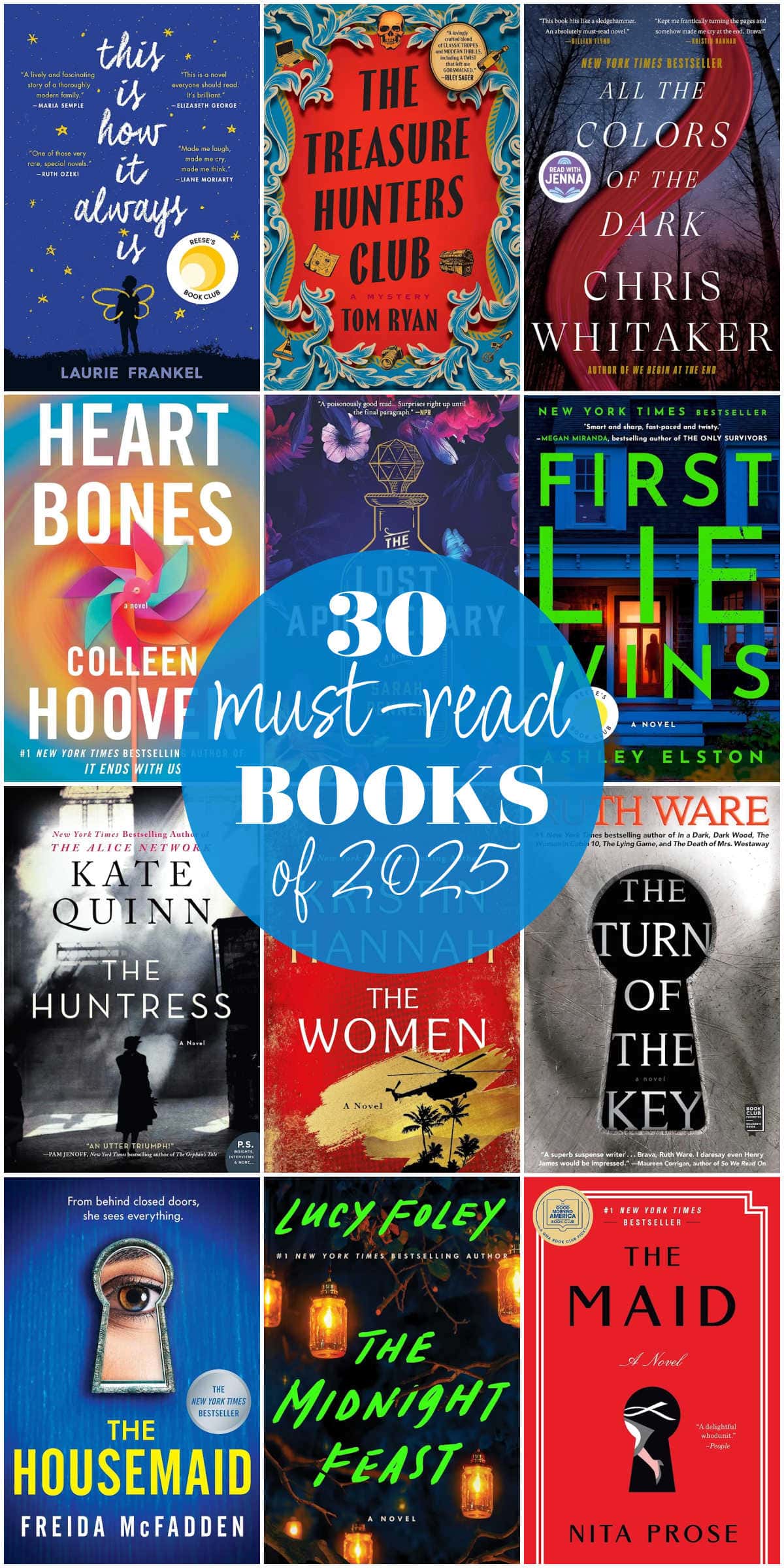
The Women by Kristin Hannah
While Kristin Hannah has a long history of bestsellers, The Women maintained its top-tier status well into 2025 as paperback editions hit the shelves. Focusing on combat nurses during the Vietnam War, it highlighted a demographic often ignored in military history.
Why it works for clubs: It is an emotional powerhouse. Hannah’s ability to generate "visceral empathy" makes this book an easy pick for groups that prefer character-driven drama over abstract philosophy. It typically sparks discussions about veterans' rights, societal homecomings, and the hidden roles women play in global conflicts.
Comparison of 2025’s Most Popular Book Club Titles
The following table compares the top five titles that dominated the 2025 book club circuit based on their discussion potential and thematic complexity.
| Title | Author | Primary Genre | Central Theme | Discussion Rating (1-10) |
|---|---|---|---|---|
| Intermezzo | Sally Rooney | Literary Fiction | Grief and Brotherhood | 9.5 |
| The City and Its Uncertain Walls | Haruki Murakami | Magical Realism | Identity and Subconscious | 8.0 |
| James | Percival Everett | Historical Fiction | Agency and Language | 10.0 |
| Tell Me Everything | Elizabeth Strout | Contemporary Fiction | Community and Loneliness | 8.5 |
| Blue Sisters | Coco Mellors | Family Drama | Addiction and Sisterhood | 9.0 |
Contemporary Voices and Family Sagas
Beyond the established giants, 2025 was a year for the "Modern Family Saga"—stories that look at how trauma and affection are passed down through generations in the 21st century.
Blue Sisters by Coco Mellors
Following the success of Cleopatra and Frankenstein, Mellors returned with a story about three sisters—Avery, Bonnie, and Lucky—returning to New York to deal with the anniversary of their fourth sister’s death.
Why it works for clubs: The character archetypes (the addict, the model, the lawyer) are distinct enough to fuel debates about "who was the most relatable." It deals heavily with the concept of the "city as a character," making it a favorite for urban-based book clubs. The exploration of systemic family failure versus individual responsibility is a rich vein for group analysis.
Tell Me Everything by Elizabeth Strout
Elizabeth Strout’s return to the fictional town of Crosby, Maine, brought together characters from her previous works, including Lucy Barton and Olive Kitteridge. In 2025, this novel was praised for its quiet, "slow-burn" intensity.
Why it works for clubs: Strout is the queen of the "unsaid." For clubs with older members or those who have followed Strout’s career, this book felt like a reunion. It asks the question: "What does it mean to truly know another person?" The mystery element involving a local crime provides a narrative hook that keeps the pacing tight enough for casual readers.
Technical Requirements for a 2025 Book Club Selection
When selecting from the 2025 "Best Of" list, coordinators should evaluate books based on several technical criteria to ensure the longevity of the discussion:
- Narrative Ambiguity: A book that answers all its own questions leaves a club with nothing to talk about. Choose titles like Intermezzo where character motivations remain debatable.
- Structural Variation: 2025 saw many books using non-linear timelines or multiple perspectives. These "puzzles" encourage members to help each other reconstruct the story.
- Thematic Timeliness: Books dealing with the ethics of AI, climate anxiety, or the shifting nature of work (common sub-themes in 2025) tend to produce more passionate participation.
- Accessibility vs. Depth: Ensure the book’s length (e.g., the 600+ pages of Murakami) fits the group’s monthly reading capacity.
Frequently Asked Questions
Which 2025 book was the most controversial for book clubs?
Intermezzo by Sally Rooney often caused the most friction within groups. The controversy usually centered on the age-gap relationship between the character Ivan (22) and Margaret (36). Discussion often swirled around whether the relationship was predatory, revolutionary, or simply a byproduct of shared grief, leading to intense debates on social norms.
What was the best 2025 book club pick for fans of thrillers?
The Safekeep by Yael van der Wouden was the standout choice. While marketed as a historical drama set in the post-WWII Netherlands, its slow-build tension and massive "mid-point twist" functioned like a psychological thriller. It challenged clubs to re-evaluate everything they had read in the first 150 pages.
Are there any short books from 2025 suitable for quick meetings?
Long Island by Colm Tóibín (the sequel to Brooklyn) is relatively concise and highly impactful. Because it deals with a singular, explosive secret within a marriage, it allows for a focused, one-hour discussion without requiring the deep literary deconstruction of a longer epic.
How did 2025 book clubs handle "spoiler culture"?
With the rise of digital reading trackers like Goodreads and StoryGraph in 2025, many clubs implemented "Digital Silence" periods. Members agreed not to post their star ratings or reviews online until after the physical or Zoom meeting to avoid influencing other members' impressions.
What non-fiction titles from 2025 were popular for clubs?
Memoirs that read like novels were the trend. Specifically, investigative memoirs that looked at family secrets through a journalistic lens were popular. These titles allowed clubs to discuss factual ethics and the nature of memory alongside the primary narrative.
Strategic Recommendation for 2026 Clubs
As we move further into 2026, the best way to utilize the "2025 Best Of" list is to select books that offer a "Humanist Counterpoint" to our increasingly automated world. For a successful upcoming season, start with James by Percival Everett to establish a high bar for intellectual rigor, followed by a more emotionally resonant title like Blue Sisters. This balance of historical critique and contemporary emotionality ensures that members remain engaged and that the club remains a vital space for genuine human connection.